- Category
- Latest news
Russia Fears the Ukrainian Game So Much It Has Banned S.T.A.L.K.E.R. 2 Entirely
 Prefer U24 Media on Google
- Authors

-111f0e5095e02c02446ffed57bfb0ab1.jpeg "Photo of Roman Kohanets")
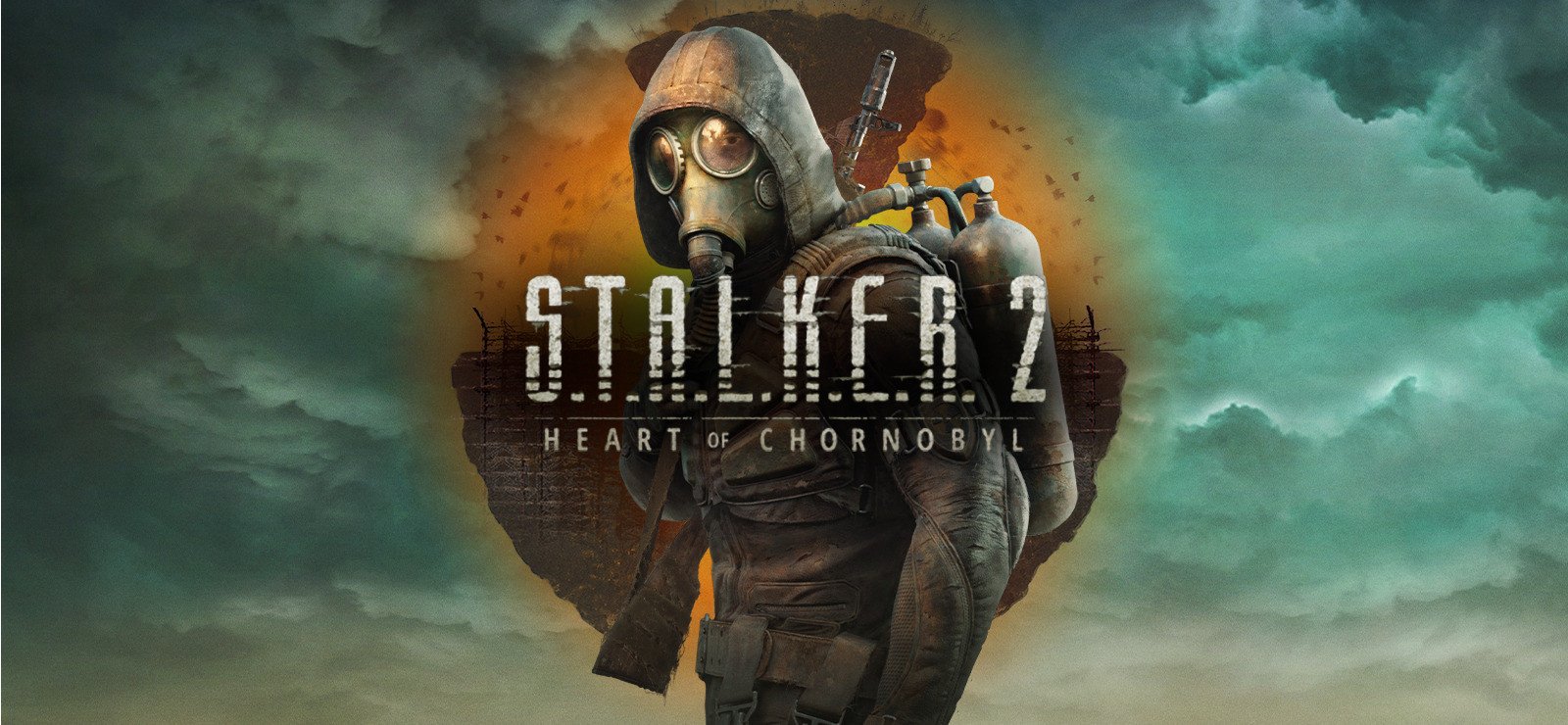
Russia’s Prosecutor General’s Office has decided that GSC Game World—the Ukrainian studio behind S.T.A.L.K.E.R. and Cossacks—is an “undesirable organization.”
Under this law, cooperation with such organizations is prohibited, and individuals in Russia who continue to work with them may face administrative or even criminal penalties.
We bring you stories from the ground. Your support keeps our team in the field.
What happened next?
According to the November 18 announcement, the office claims the Kyiv-founded studio “provides financial support for the Armed Forces of Ukraine and forms the image of Russia as an aggressor state.”
Russian officials and some politicians immediately started demanding that S.T.A.L.K.E.R. 2 be removed from online platforms in Russia.
It is unlikely to stop people from playing it and more likely to turn it into the forbidden fruit of the local gaming market.
Meanwhile, internationally, the title continues to be promoted as one of Ukraine’s most recognizable cultural exports on the global video game scene. It turns out that “banned by Russian authorities” is quite the marketing badge.
Maksym Krippa, owner of GSC Game World, commented:
“Russia’s decision to ban S.T.A.L.K.E.R. 2 only confirms that we chose the right path from the first days of the full-scale invasion. A complete withdrawal from the Russian market, a focus on Ukrainian products, language and culture, and systematic support for the Armed Forces are our conscious strategic choice. Ukrainian cultural products are capable of both supporting our defenders and shaping Ukraine’s image globally. S.T.A.L.K.E.R. 2 proves that Ukrainian teams can create world-class projects while staying true to themselves and their country.”
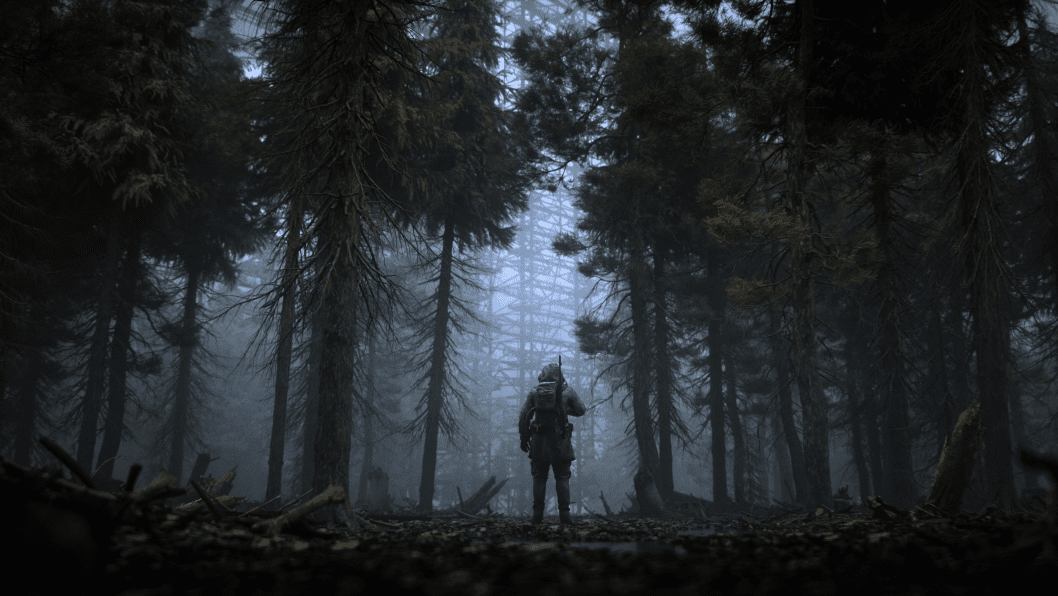
When the real horror is “no russian language option”
What did the game do—leak state secrets? Teach players to overthrow governments?
No, prosecutors say it “promotes Ukrainian narratives” and contains “aggressive Russophobic content.” In practice, that means it depicts Russia as an aggressor state and fills the Chornobyl Exclusion Zone with Ukrainian cultural references—including nods to Taras Shevchenko and a clear emphasis on Ukrainian identity.
To top it off, Russian players were especially alarmed to discover there’s no Russian translation at all—apparently, the combination of a radioactive wasteland, Ukrainian poetry, and menus not in Russian was just too much.
The proof
Russian officials allege that the company’s management transferred roughly $17 million to a Ukrainian fund that supplies drones, components, and vehicles for the military—a claim that cannot be independently verified, yet was serious enough for Moscow to issue a public statement.
On one side: vehicles, equipment, and tangible support for Ukraine’s defense.
On the other: bans on a video game, outrage over Ukrainian poetry, and a legal campaign against a studio known for digital mutants and radioactive anomalies.
Earlier, it was reported that the US imposed new cyber sanctions on Russian-linked firms, targeting IT companies and individuals accused of conducting cyberattacks and evading international sanctions.
Discuss this article:
-4a56a6b482ec132402c16ef6fcabf9a2.png)

-c439b7bd9030ecf9d5a4287dc361ba31.jpg "Photo of Katherina Popilnichenko")