- Category
- Latest news
Russia Intensifies Air War, Launches Record 5,700 Guided Bomb Attacks in January
 Prefer U24 Media on Google
- Authors


In January 2026, Russia sharply increased its use of guided aerial bombs (KABs) against positions of Ukraine’s Defense Forces and frontline settlements, with more than 5,700 such strikes recorded during the month, Ukraine’s Ministry of Defense reported on February 3.
This marks the highest monthly figure since the start of Russia’s full-scale invasion in February 2022. The previous record was set in October 2025, when Russian aircraft dropped more than 5,300 guided bombs.
We bring you stories from the ground. Your support keeps our team in the field.
The most intense day was January 18, when Russian forces deployed 316 guided aerial bombs in a single day—the highest daily use of KABs recorded throughout the war.
According to the General Staff of the Armed Forces of Ukraine, more than 5,300 combat engagements were documented along the front line in January, compared with over 5,500 in December 2025. The most intense day of the month was January 31, when 338 clashes were reported.
Overall, during the first month of 2026, Russian forces carried out more than 113,000 attacks, including over 2,400 strikes using multiple-launch rocket systems.
Ukraine’s military intelligence has also shed new light on the systems enabling Russia’s intensified use of guided aerial bombs. On February 2, the Main Intelligence Directorate (HUR) published fresh findings on the War&Sanctions portal detailing Russia’s production of Universal Planning and Correction Modules (UMPK), which are used to convert unguided bombs into KABs widely deployed against Ukraine.
The disclosure includes an interactive 3D model of the UMPK, a breakdown of its key components, and information on 31 companies involved in manufacturing the modules. According to HUR, these kits allow Russia to adapt a range of conventional aerial munitions—including FAB-250, FAB-500, RBK-500, ODAB-series bombs, and heavier variants—into guided weapons capable of striking targets at extended distances.
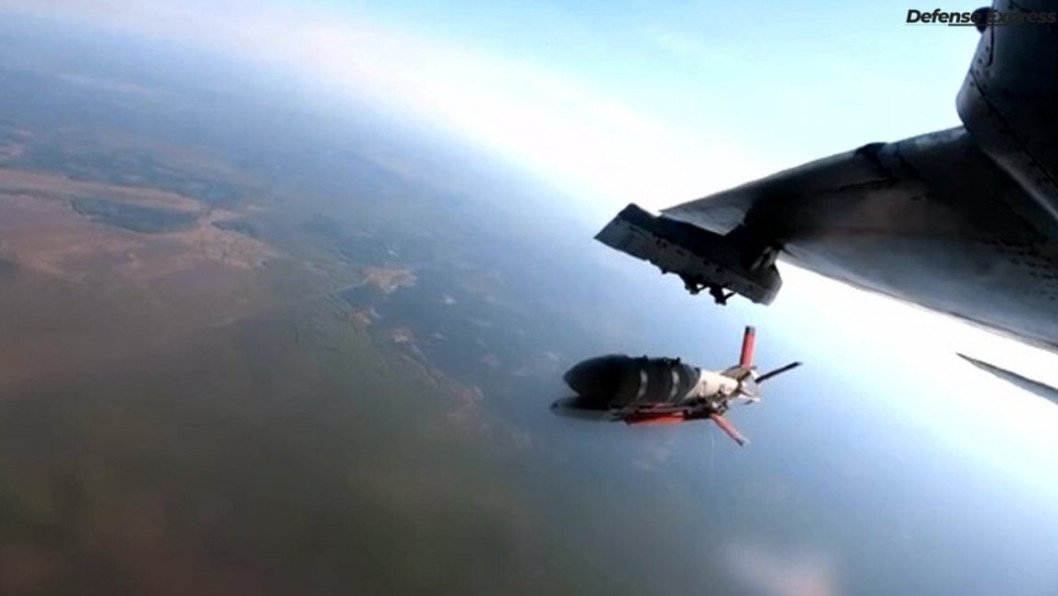
Ukrainian intelligence said the UMPK consists of a structural frame fitted with folding wings, control surfaces, stabilizers, and a nose fairing, all attached to the bomb body with special mounts. Guidance is provided by the SMART glide control system, which combines satellite navigation using jam-resistant Kometa antennas with an inertial navigation system.
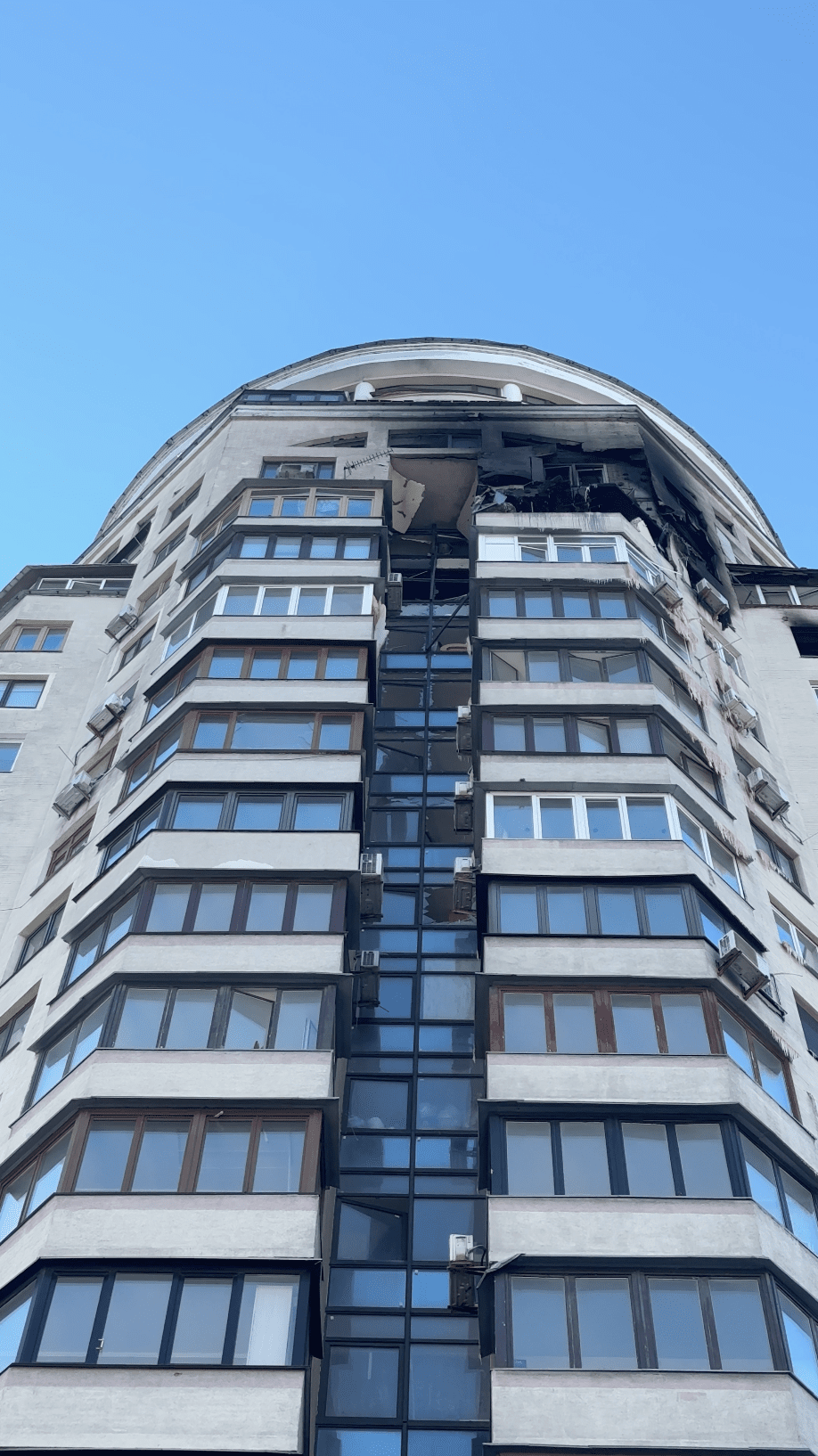
Earlier, Russian forces hit residential neighborhoods in central Kharkiv’s Shevchenkivskyi district with two guided aerial bombs (KABs), wounding at least 22 people.
Two blasts were heard in the city at about 11:06 a.m. The Ukrainian Air Force later confirmed that the strikes involved KAB bombs launched from the north in the direction of Kharkiv.
Discuss this article: