- Category
- Latest news
Russia Launches Nearly 500 Drones And Missiles In Massive Overnight Attack On Ukraine
 Prefer U24 Media on Google
- Authors


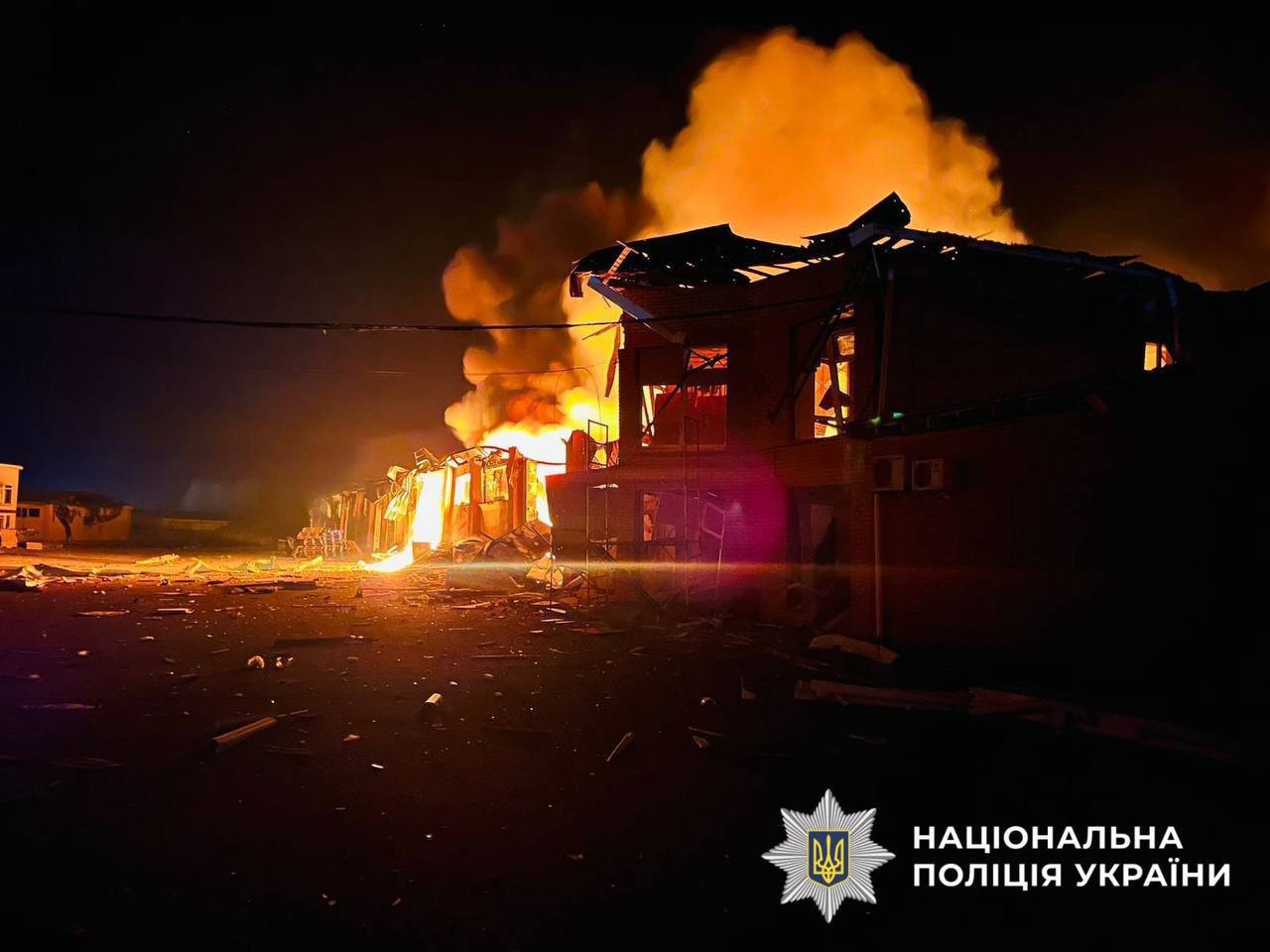
Russia launched a large-scale combined aerial assault on Ukraine overnight on March 14, firing hundreds of drones and dozens of missiles toward targets across the country, with the Kyiv region identified as the main direction of the strike.
We bring you stories from the ground. Your support keeps our team in the field.
According to the Ukrainian Air Force on March 14, Russian forces launched a total of 498 aerial attack weapons between the evening of March 13 and the morning of March 14. The attack included ballistic and cruise missiles as well as large numbers of attack drones aimed at critical infrastructure.
🔴 Russian forces conducted a massive attack, targeting Ukraine's energy infrastructure.
— UNITED24 Media (@United24media) March 14, 2026
Preliminarily, about 300 drones and 70 missiles were deployed, according to monitoring channels. pic.twitter.com/6kRp7A80OY
The weapons used in the assault included two Zircon anti-ship missiles launched from Russian-occupied Crimea, 13 Iskander-M or S-400 ballistic missiles fired from Russia’s Bryansk region, 25 Kalibr cruise missiles launched from the Black and Caspian Seas, and 24 Kh-101 cruise missiles launched from Russia’s Vologda region.
Russian forces also fired four Kh-59 or Kh-69 guided air-launched missiles. In addition, Ukrainian radar detected 430 attack drones, including Shahed-type UAVs as well as Gerbera and Italmas drones launched from multiple directions in Russia and from Russian-occupied Crimea. According to the Ukrainian Air Force, around 250 of the drones were Shahed-type attack UAVs.
Ukrainian air defenses intercepted the majority of the incoming targets. According to the Ukrainian Air Force, air defense units destroyed or suppressed 460 aerial threats, including 58 missiles and 402 drones.
Ukrainian fighter aircraft, surface-to-air missile units, electronic warfare systems, unmanned systems units, and mobile fire groups were involved in repelling the attack.
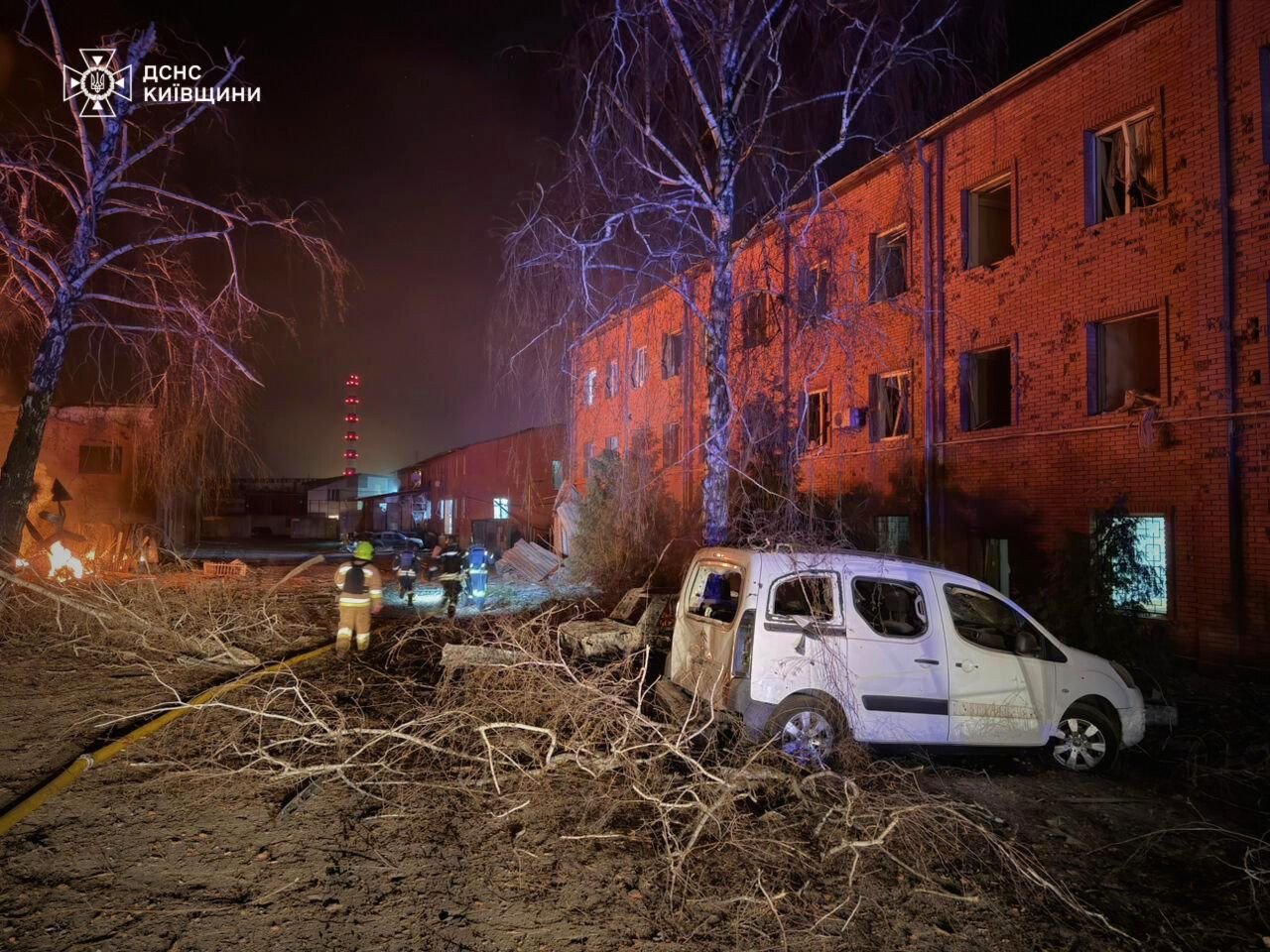
Despite the high interception rate, Ukrainian authorities reported that six missiles and 28 attack drones reached their targets across 11 locations. Debris from intercepted drones was also reported falling at seven additional locations. The Ukrainian Air Force warned that the attack was still ongoing and stated that several drones remained in Ukrainian airspace.
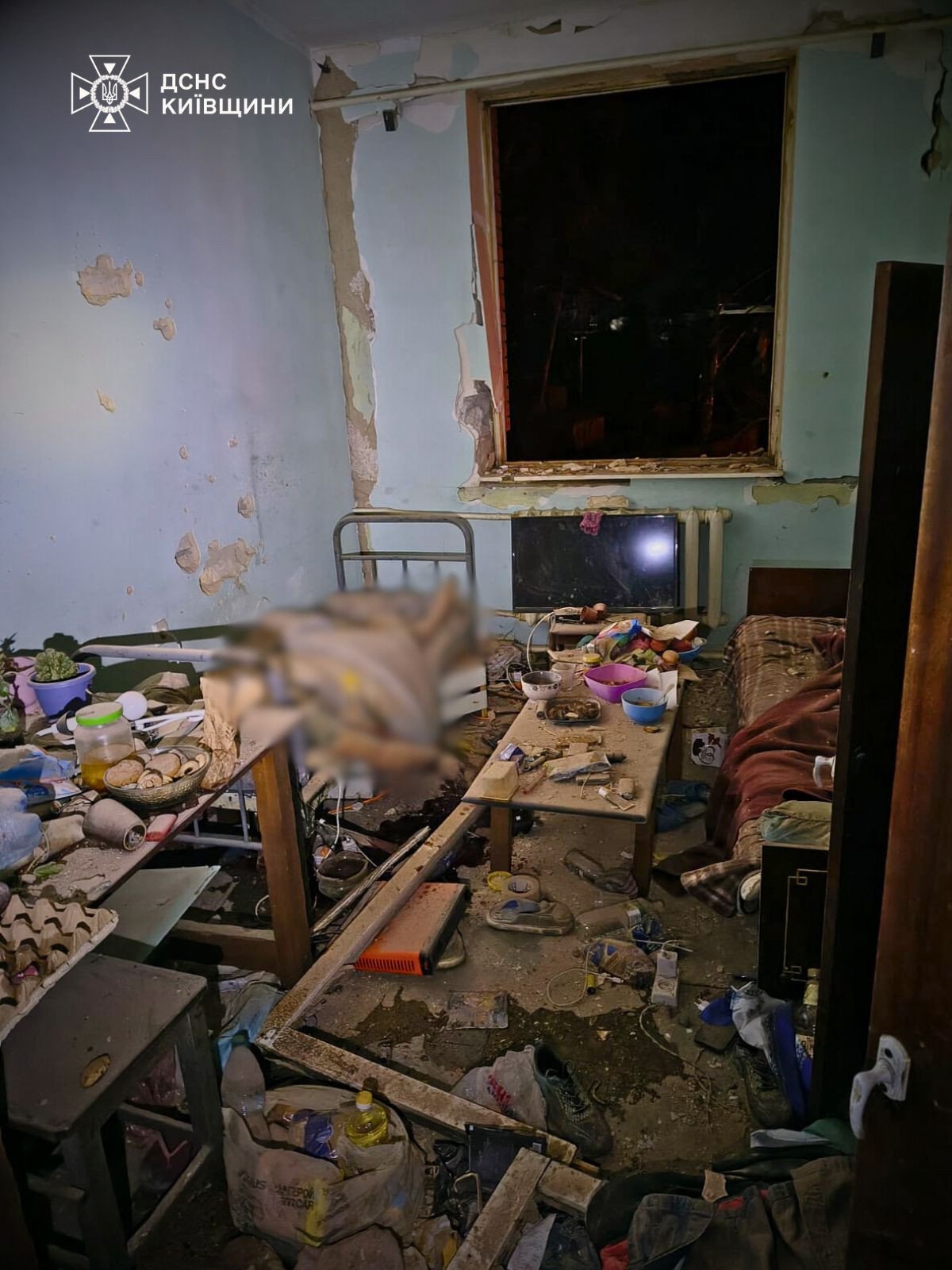
The Kyiv region suffered the most significant damage and casualties during the attack. According to the Kyiv region police, four people were killed and at least 15 others were injured as a result of the strike. Regional authorities reported damage to residential buildings, warehouses, vehicles, and other infrastructure.
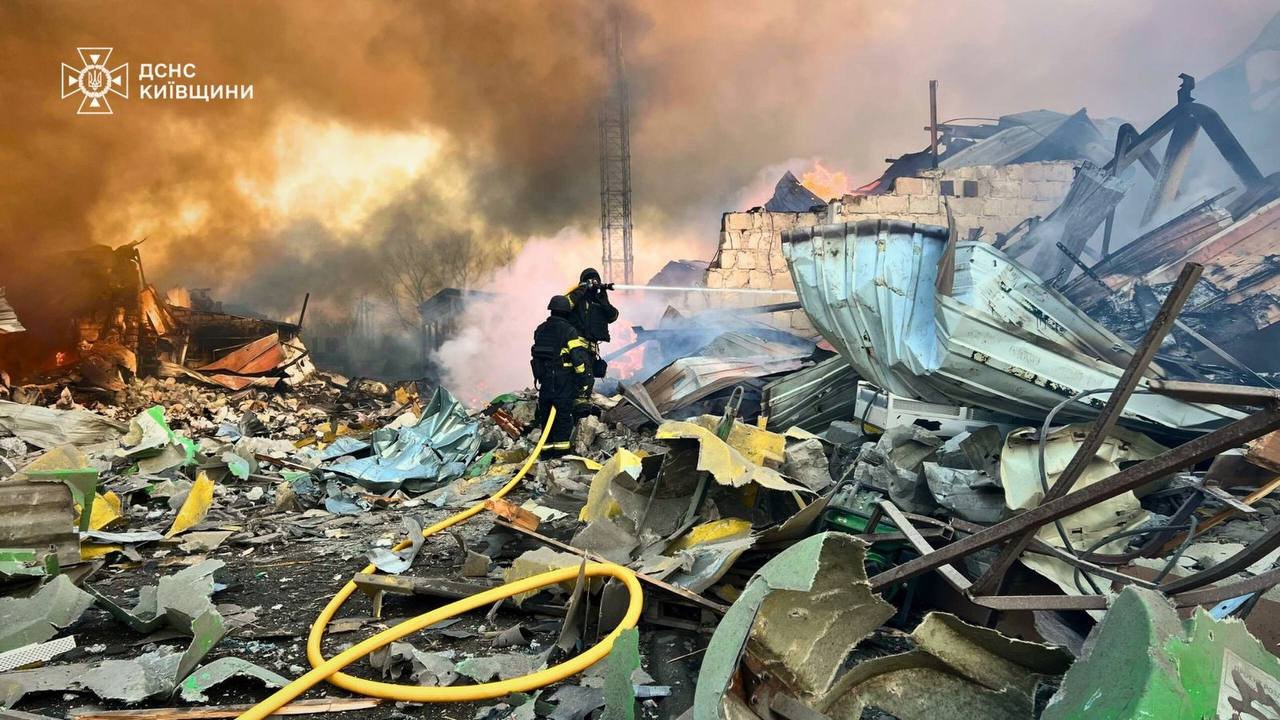
In the Vyshhorod district, a warehouse facility and a truck were damaged, leaving one person dead and two others hospitalized. In the Brovary district, three people were killed and eight were injured, while a dormitory, warehouses, private homes, vehicles, and industrial buildings sustained damage.
In the Obukhiv district, damage was reported to a multi-story residential building, private houses, and social infrastructure facilities including schools and a kindergarten. A private residential building also caught fire in the Bucha district after the attack.
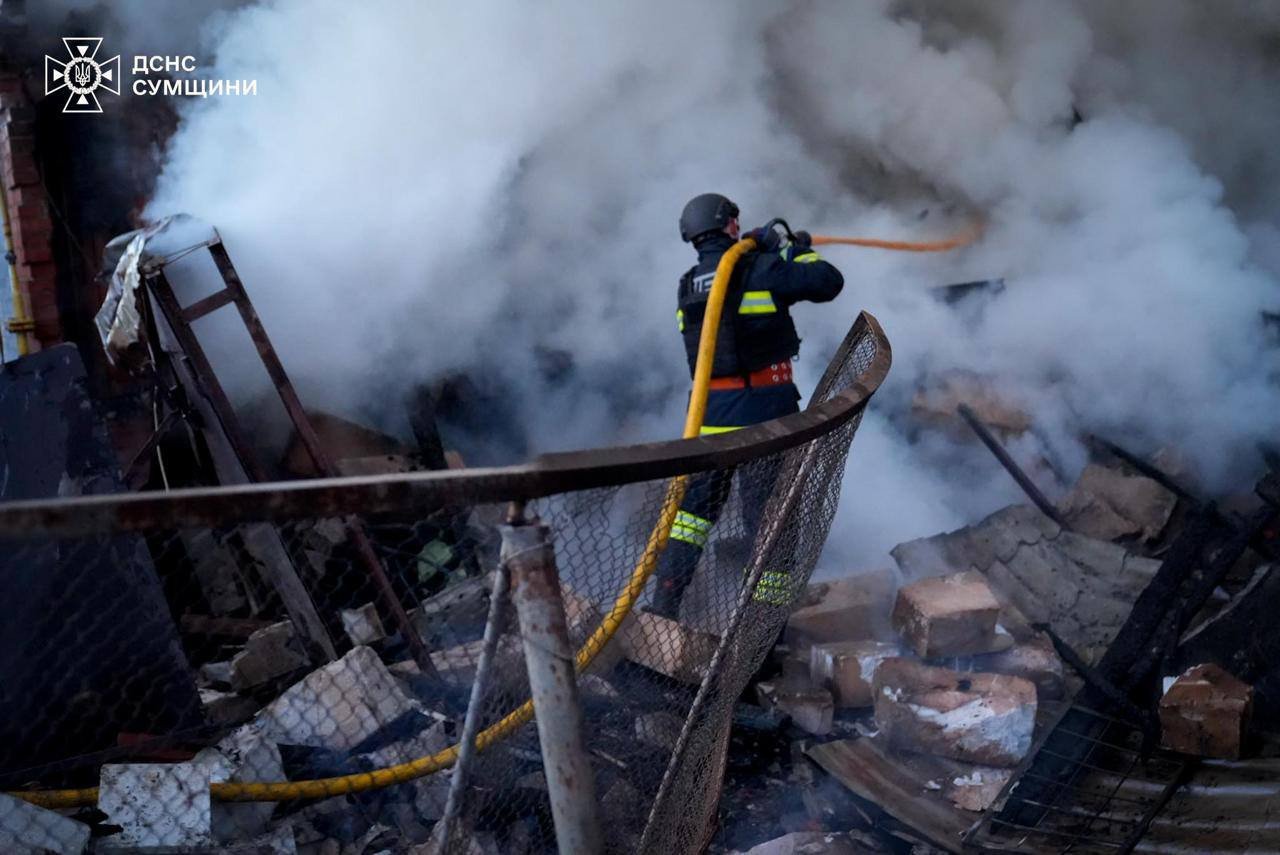
According to regional authorities, approximately 30 buildings were damaged across four districts of the Kyiv region. Emergency responders, police investigators, and explosive ordnance specialists were deployed to the affected areas to document the aftermath and conduct rescue operations.
Ukrainian prosecutors have opened a criminal investigation under Article 438 of the Criminal Code of Ukraine concerning violations of the laws and customs of war.
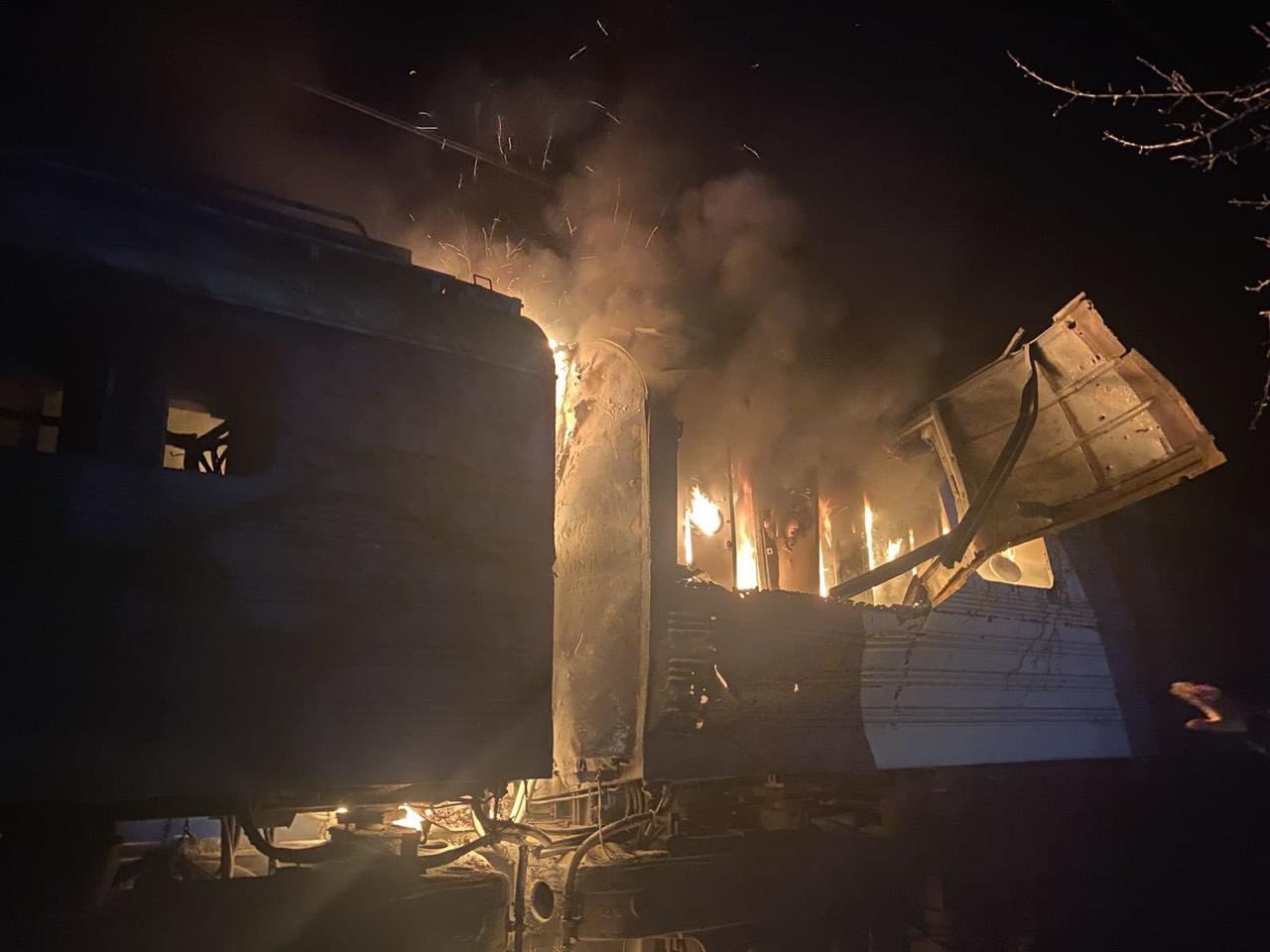
The attack also disrupted energy and transportation infrastructure. According to Ukrainian Deputy Prime Minister Oleksiy Kuleba, a Russian drone struck a suburban passenger train in the Kharkiv region during the attack. The train driver and assistant driver were injured by shrapnel, though passengers were not harmed.
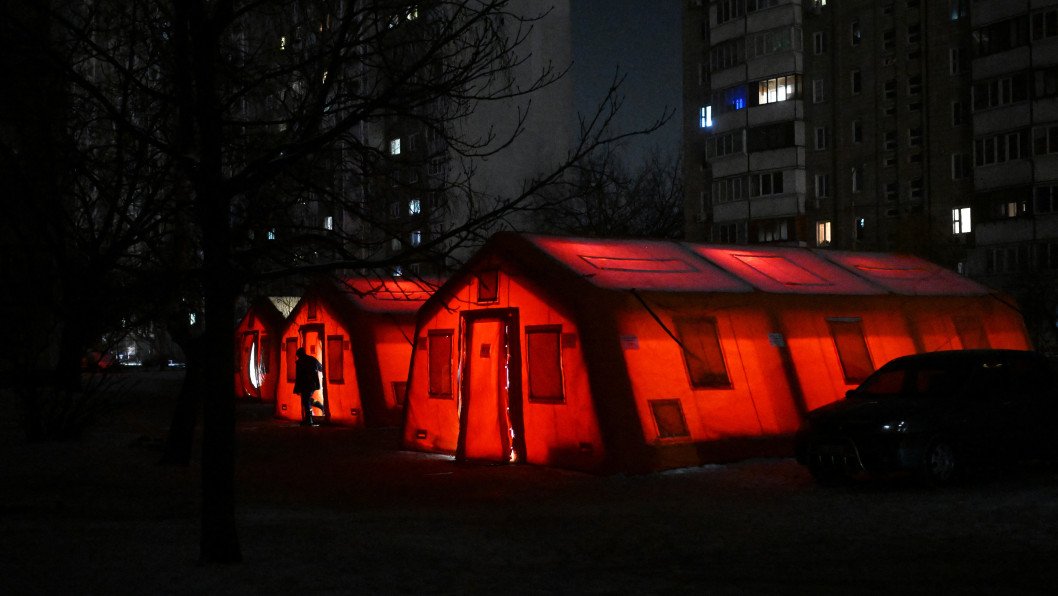
Power outages were reported in parts of the Kyiv region and the capital following the strike. Emergency electricity shutdowns were introduced in parts of the Bucha district and later in Kyiv, temporarily halting electric public transport in several areas of the city.
Monitoring channels suggested that Russian forces may have targeted energy infrastructure near Kyiv, including the Trypillia thermal power plant and a power substation in Nalyvaikivka, though officials said these reports had not yet been officially confirmed.
According to Ukrainian officials, the Kyiv region was the main target of the March 14 attack, though explosions were also reported in the Sumy and Zaporizhzhia regions.
On March 13, a Russian Lancet drone struck a passenger bus near Nova Oleksandrivka in the Kharkiv region, killing one person and injuring four, according to Kupiansk District Military Administration head Andrii Kanashevych.
Discuss this article:
-9a7b3a98ed5c506e0b77a6663f5727c5.png)