- Category
- Latest news
Russia Massing Troops on NATO Borders for Potential Conflict Within Six Years, Lithuania Warns
 Prefer U24 Media on Google
- Authors

-72b63a4e0c8c475ad81fe3eed3f63729.jpeg "Photo of Cyril Barabaltchouk")
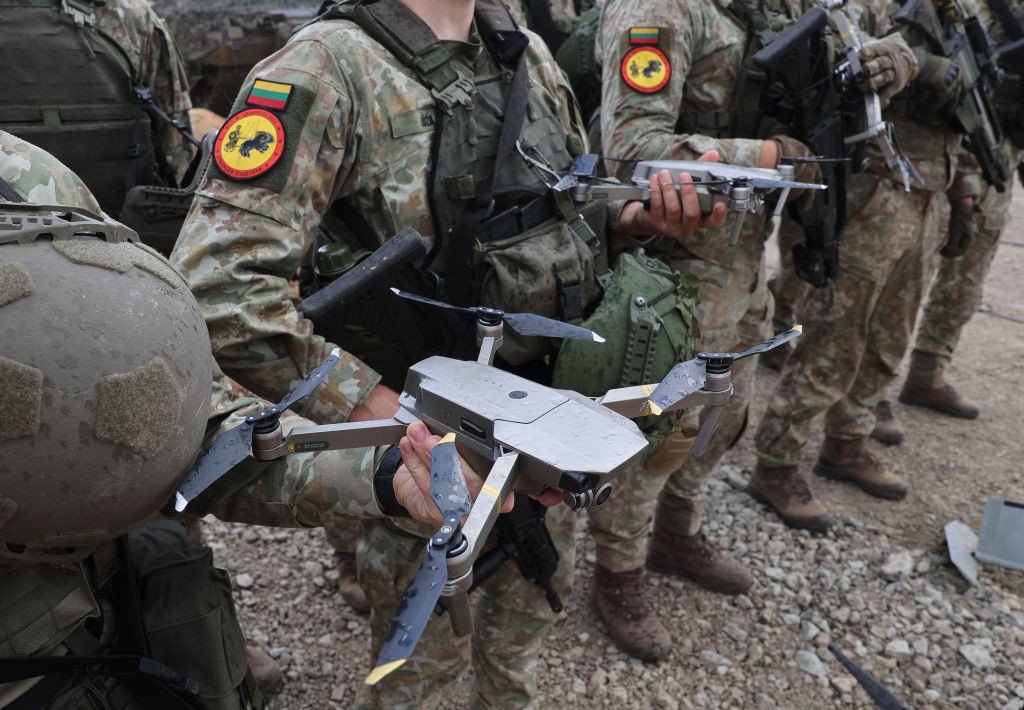
In its annual security assessment, Lithuania’s intelligence service warned that Russia is strengthening military units along its border with NATO countries, Reuters reported on March 6.
Provided with battle experience in Ukraine, the Russian army could use them as key positions in the event of a future war with NATO.
The report suggests that Russia is laying the groundwork for a “wide-scale military conflict" with the Western alliance, potentially within the next six years, should sanctions against Moscow be lifted.
We bring you stories from the ground. Your support keeps our team in the field.
“Russia would likely create not only a 30-50 percent larger army than it had before the war but also a relatively modern one,” the Lithuanian intelligence report reviewed by Reuters reads. “Strategic reserves of weapons and ammunition would be fully restored. Russia would be ready for a conventional military conflict with NATO.”
Despite the continuing invasion of Ukraine, which remains a central goal for Russia, the Kremlin’s ambitions extend beyond the current war. The report highlighted that Russia seeks to tip the balance of power in Europe in its favor and achieve the complete subjugation of Ukraine.
The Lithuanian intelligence report, according to Reuters, also noted that Russia’s military industry has been significantly bolstered by assistance from China, allowing Moscow to reduce its dependence on Western technology.
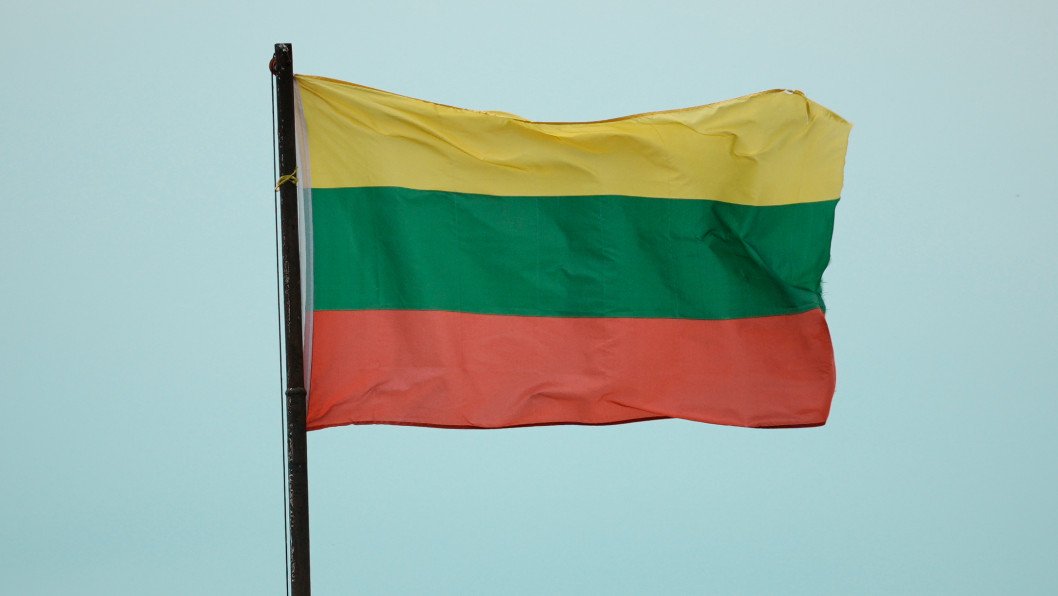
This expansion could have long-lasting consequences for global security, the report warns, as Russia would have a surplus of weaponry post-war that could be used to challenge international stability.
Russia’s cooperation with China has enabled Moscow to replenish its arsenal amid the ongoing war, and once the invasion of Ukraine ends.
This reserve could alter the global balance of power, posing new threats to international security.
In direct response to these mounting regional threats, neighboring Finland is moving to maximize its defensive capabilities. The Finnish government had previously planned to scrap its 1987 Nuclear Energy Act, which strictly prohibited the presence of nuclear weapons on its territory.
Having abandoned its historic neutrality to join NATO in 2023, Finland now views the nuclear ban as an outdated vulnerability. Defense Minister Antti Hakkanen stated the proposed legislative amendment is crucial to fully leverage NATO's deterrence and collective defense in the face of Russian aggression.
The intelligence report further mentioned incidents of gas pipeline, power cable, and telecom outages in the Baltic Sea since 2023, attributed to ships sailing from Russian ports. Although these disruptions were not deemed deliberate, Lithuania’s intelligence agency remains concerned about the potential for more escalated actions.
The region is on high alert following these incidents, and NATO has pledged to increase its military presence in the area to safeguard its members' critical infrastructure.
-1d2bdffcadb40b9cfe33e2aa30cece08.jpg)
As one of NATO and the EU’s most vocal critics of Russia, Lithuania has consistently supported Ukraine’s defense efforts and condemned Moscow’s aggression. The country’s proximity to both Russia and Belarus makes it a key player in regional security, and its intelligence services are closely monitoring Russian military movements and activities that could threaten the stability of the Baltic region.
Lithuania’s dire warning echoes similar alarms being raised by intelligence agencies across the Nordic and Baltic regions. Just recently, Swedish intelligence had previously issued a stark assessment warning that Russia could be ready to launch a new war against the West within a single year. Swedish analysts concluded that Moscow is rapidly adapting its economy and defense industrial base for a prolonged confrontation.
Like their Lithuanian counterparts, Swedish officials warn that Russia’s massive surge in weapon production and its high tolerance for casualties mean the Kremlin could pose a direct, conventional threat to Europe much sooner than anticipated.
Discuss this article:
-4a56a6b482ec132402c16ef6fcabf9a2.png)

-c439b7bd9030ecf9d5a4287dc361ba31.jpg "Photo of Katherina Popilnichenko")