- Category
- Latest news
Russia Moves to Outlaw Firing of Veterans Returning From the War in Ukraine
 Prefer U24 Media on Google
- Authors


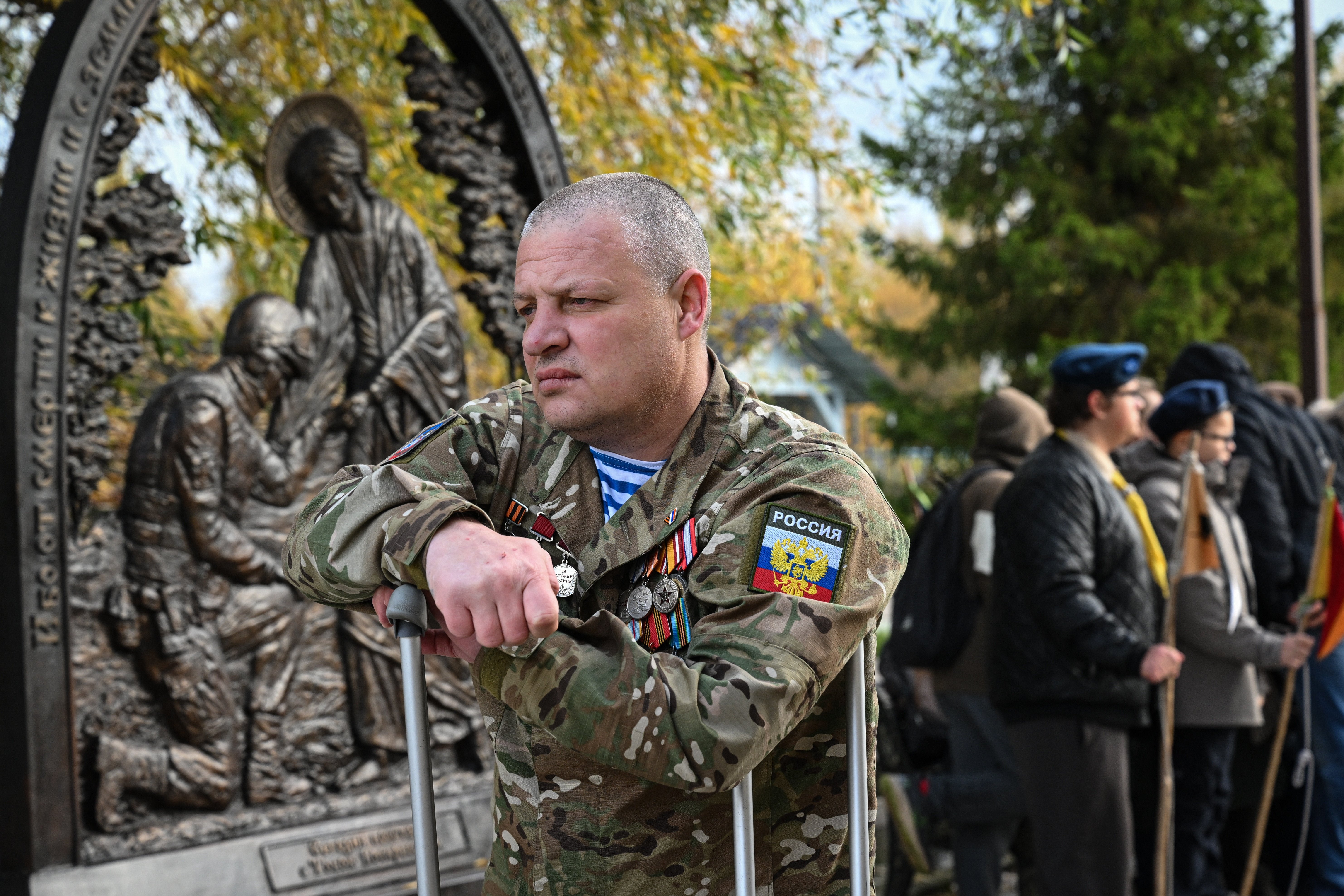
The Russian government has backed a draft law introducing additional labor protections for participants in the war against Ukraine, including preferential treatment in the event of layoffs, Russia’s state news agency TASS reported on January 19, citing a Cabinet review.
Under the changes, so-called “SVO veterans”—mobilized personnel, contract soldiers, and volunteers who have resumed their employment after military service—would receive priority in retaining their jobs during staff reductions. If employees have equal qualifications and productivity, the worker who did not take part in the war against Ukraine would be dismissed first.
We bring you stories from the ground. Your support keeps our team in the field.
Currently, employers are required to preserve the jobs of employees who leave for military service, allowing them to return within three months after their service ends. Certain categories of workers already enjoy protection from layoffs under equal performance criteria, including disabled war veterans, employees with family obligations, and spouses of mobilized soldiers. These protections, however, have not yet applied to “SVO veterans.”
Lawmakers argue that the proposed changes are intended to support returning fighters as they reenter civilian life.
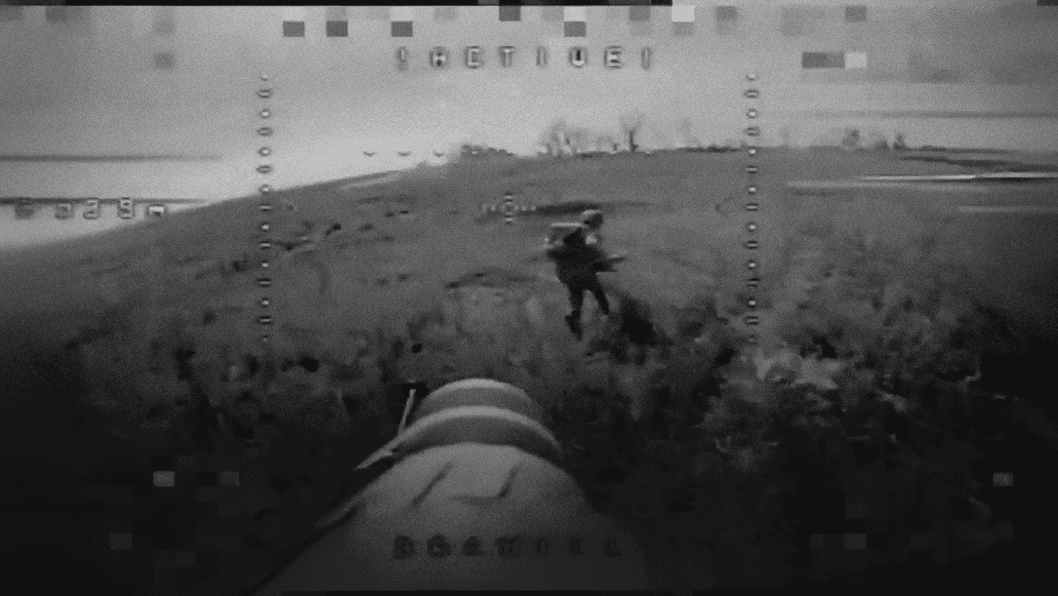
The authors say that participation in combat operations involves serious risks. According to the explanatory note, “the performance of tasks in military conditions is associated with an increased risk to life and health and requires special courage,” and additional labor guarantees would be a fair form of recognition.
The lawmakers also say the measure would demonstrate state recognition of the role played by participants in the war and “will contribute to their successful reintegration into civilian life after carrying out special tasks.”
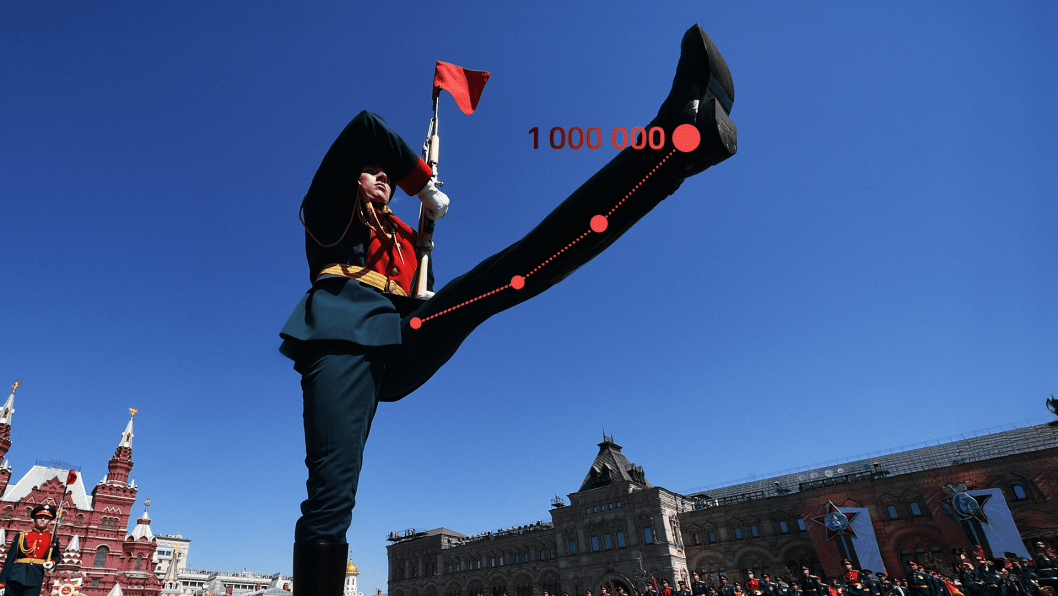
The draft law had previously been submitted to the government and received conditional approval pending revisions. In the latest review, the Cabinet noted that “the comments set out in the conclusion of the Government of the Russian Federation dated November 20, 2025, have been taken into account.” If adopted in its current form, the law is expected to enter into force on September 1.
Earlier, Russia began an extensive drive to forcibly conscript residents in the temporarily occupied areas of Ukraine’s Donetsk and Luhansk regions, a practice that Ukrainian officials say is increasingly taking on the character of intentional exploitation of the local population.
Discuss this article:


-c439b7bd9030ecf9d5a4287dc361ba31.jpg "Photo of Katherina Popilnichenko")