- Category
- Latest news
Thousands of North Korean Workers Endure Brutal Forced Labor in Russia’s War Economy, BBC Reports
 Prefer U24 Media on Google
- Authors

-72b63a4e0c8c475ad81fe3eed3f63729.jpeg "Photo of Cyril Barabaltchouk")
Thousands of North Korean workers are being sent to Russia under harsh and often brutal conditions, filling critical labor shortages exacerbated by Russia’s ongoing invasion of Ukraine. The BBC spoke to several workers who have escaped, revealing the reality of their lives under forced labor in Russia, as reported on August 12.
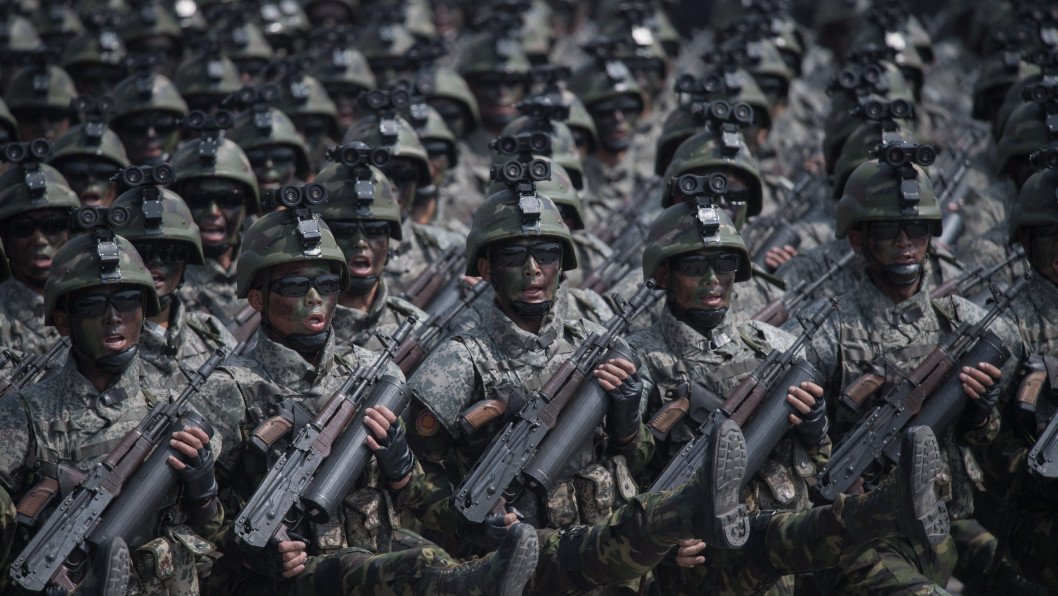
Moscow has increasingly relied on North Korea for its war efforts, with Pyongyang sending missiles, artillery shells, and soldiers to assist in the war. However, as many of Russia’s own men are either killed or tied up in the fighting, Russian authorities have turned to North Korean workers to fill key job positions across the country.
These workers, many of whom are sent on “student visas” as a means of circumventing the 2019 UN sanctions banning the use of North Korean labour, are subjected to “abysmal” working conditions. They live in overcrowded, filthy housing and are forced to work long hours, often without safety equipment.
Jin, a North Korean worker, recalled arriving in Russia’s Far East and being escorted by a North Korean security agent who told him, “The outside world is our enemy.” He was then put to work building high-rise apartment blocks for over 18 hours a day.
The workdays for these men are grueling, often starting at 6 a.m. and ending well after midnight. Some workers, including Tae, shared their experience of waking up in excruciating pain, their hands locked from the previous day’s strenuous work. The workers are confined to the construction sites, and any attempt to rest during the day is met with violent punishment. One worker, Chan, described how supervisors would find anyone who fell asleep standing up and beat them, according to the BBC.
In addition to the physical abuse, these workers live under constant surveillance from North Korean agents, who closely monitor them to prevent escape. They sleep in dirty, overcrowded containers or in unfinished buildings. The wages they receive are minimal, with the bulk of their earnings sent back to the North Korean state as “loyalty fees,” and only a small amount—between $100 and $200 a month—marked down on a ledger to be paid to them only upon their return home to discourage escape attempts.
Despite these conditions, many of these workers go to Russia in hopes of earning more than they would at home. However, the harsh reality of low pay and forced labour quickly disillusions them. Tae, one worker, spoke with the BBC about how he felt ashamed after learning that construction workers from Central Asia were paid five times more than him for doing a fraction of the work.
As of now, the number of North Koreans arriving in Russia continues to rise, with estimates indicating that more than 10,000 workers were sent in 2024 alone. BBC predicts that this number will increase, and over 50,000 workers will eventually be sent to fill labour shortages in Russia, particularly in areas of strategic importance like construction and IT centers.
-b6ee4c6cf1e1afa682f60551181f4534.jpg)
While some North Korean workers have managed to escape using secret phones to communicate with outside helpers, such escapes have become increasingly rare. According to Kim Seung-chul, a Seoul-based activist, the number of workers escaping Russia has halved since 2022, from around 20 per year to just 10.
The crackdown on workers' movements is being intensified, as North Korean authorities have started holding more frequent ideological training sessions and limiting workers' freedom to leave the sites. These measures aim to prevent escapes and maintain control over the labourers.
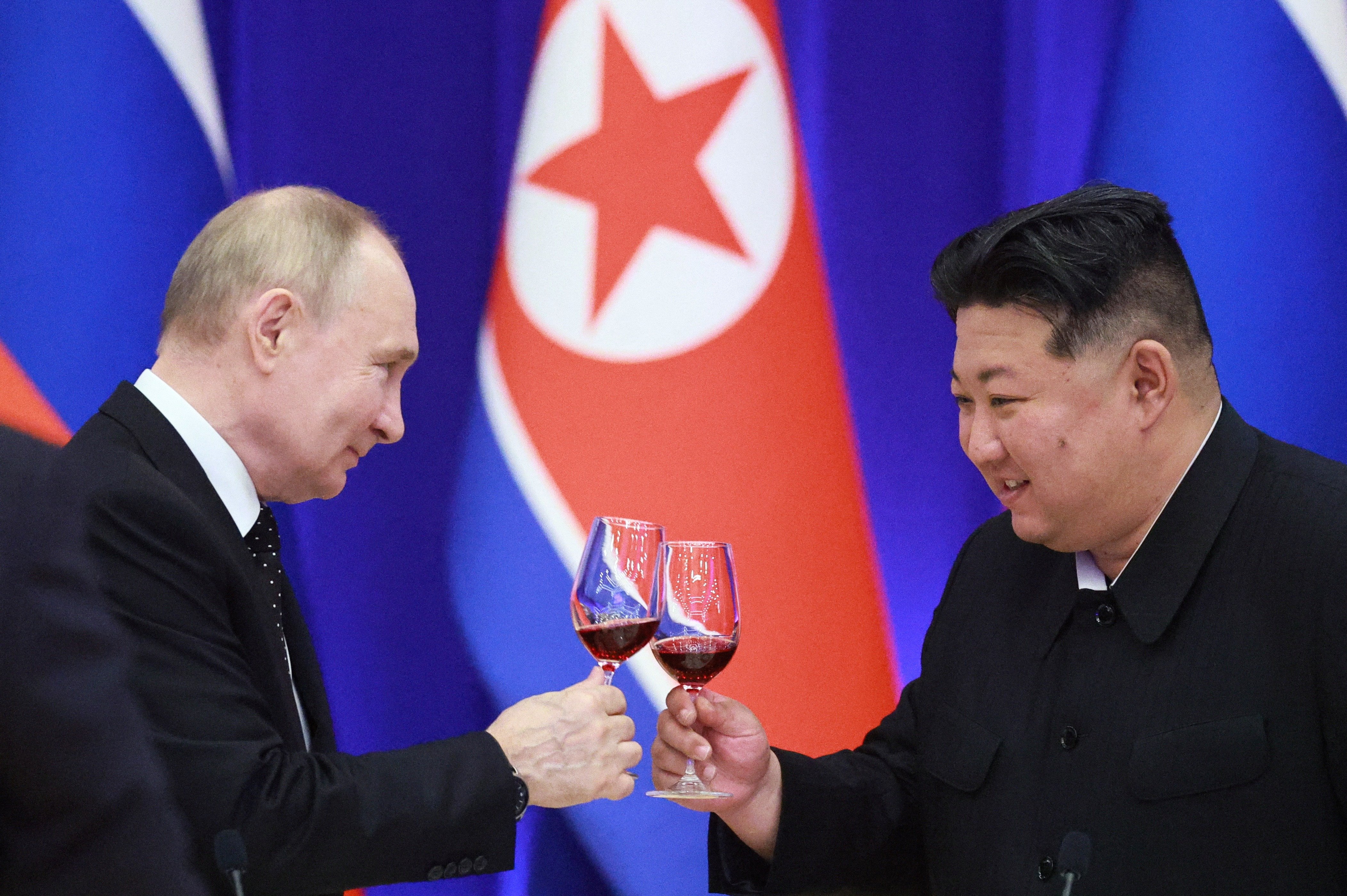
The presence of North Korean workers in Russia highlights the grim reality of the wartime alliance between Russian leader Vladimir Putin and North Korean leader Kim Jong Un. The workers’ exploitation is likely to continue long after the war has ended, serving as a lasting legacy of this cooperation, BBC concludes.
Previously, it was reported that Vyacheslav Volodin, chairman of Russia’s State Duma and a close ally of Vladimir Putin, will lead a parliamentary delegation to North Korea’s capital, Pyongyang, according to Reuters, citing an official statement from the State Duma.
Discuss this article:

-c439b7bd9030ecf9d5a4287dc361ba31.jpg "Photo of Katherina Popilnichenko")