- Category
- Latest news
Russia Rushes Toward Reusable Drones—But Ukraine Got There First
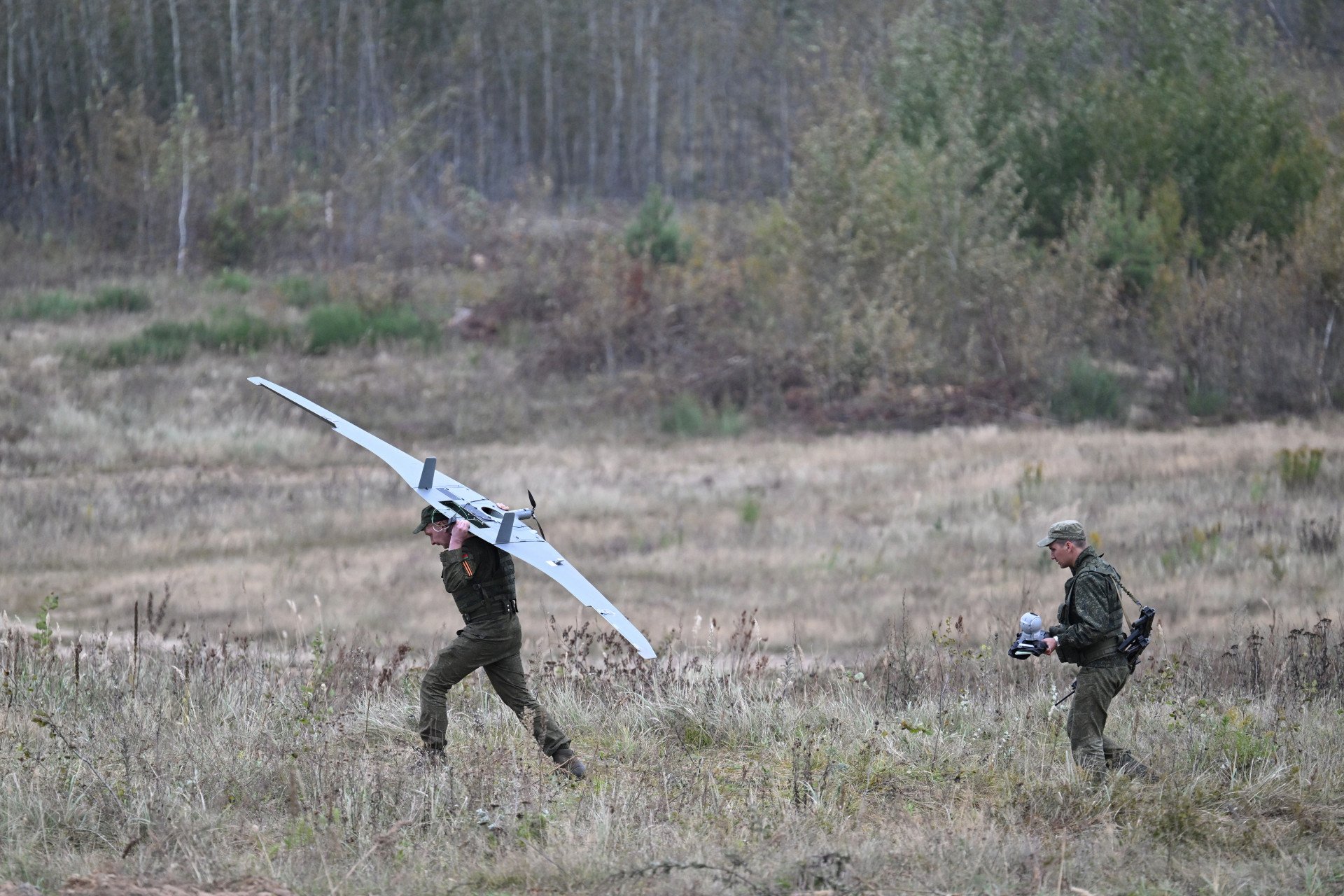
Russia’s drone war is undergoing a major shift as Moscow begins moving away from disposable UAVs and toward a new generation of reusable strike and interceptor drones. But in reality, Russia is playing catch-up. Ukraine was the first to pivot toward heavy, reusable attack drones earlier in the war—a shift that forced Moscow to adapt.
 Prefer U24 Media on Google
- Authors




Russia is moving away from mass one-way attack drones and rapidly shifting toward reusable strike and interceptor platforms, according to Forbes on November 25.
The trend marks a significant change in Russian drone strategy and reflects mounting supply chain pressures, sanctions-driven electronics shortages, and the sheer scale of battlefield demand.
We bring you stories from the ground. Your support keeps our team in the field.
Forbes notes that both Russia and Ukraine now treat drones as the defining weapons of the war—especially FPV and one-way attack drones that shape the “kill zones” dominating the front.
While Ukraine continues to scale disposable platforms in tandem with reusable ones, Russia, according to Forbes, is increasingly investing in systems meant to return home, reload, and fly again.
This Russian drone prototype is claimed to lift 12.5kg.
— Roy🇨🇦 (@GrandpaRoy2) June 18, 2024
It is show with a KPOM-2 canister that dispenses four POM-2 anti-personnel mines.
If true, this drone is smaller and cheaper than a Baba Yaga (20kg payload) but carries a significant payload, and is harder to shoot down. pic.twitter.com/Sx8t2nW6Qq
From disposable to reusable
Early in the full-scale invasion, Russia relied on Orlan-10 reconnaissance drones for artillery spotting and surveillance. As the war intensified, Russian forces adopted Ukraine’s tactic of deploying large numbers of cheap FPV drones based on commercial components.
These one-way attack drones delivered outsized destructive power at minimal cost, and in both armies became the most lethal weapon on the battlefield.
5/ 📡 The Orlan-10 Drone Disassembled
— InformNapalm (@InformNapalm) July 18, 2025
A Russian UAV loaded with parts from the #US, #EU & Asia.
We tore it apart and published the full component list:
🔗 https://t.co/JQXAaAkFIP
Translated into 10+ languages to alert global audiences.#Sanctions pic.twitter.com/yTun9T8Vre
But according to Forbes, Russia’s newest drones—including the Night Witch and the Bulldog-13—represent a deliberate pivot to reusable designs integrating better sensors, hardened electronics, and longer-range communications.
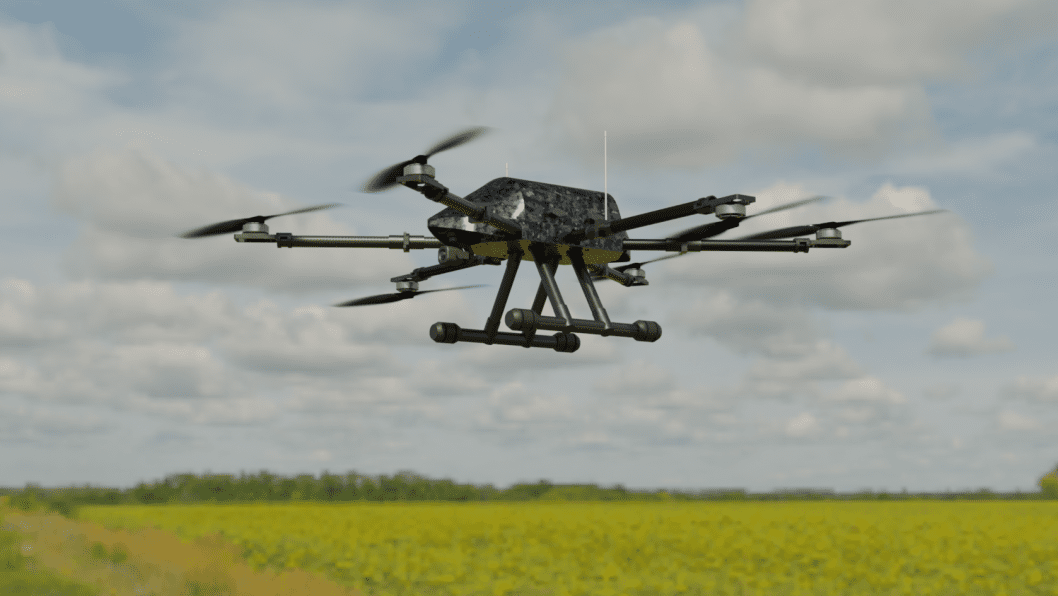
A video highlighted by Forbes shows the Night Witch, a reusable hexacopter strike drone, dropping mortar rounds on a Ukrainian position on an island in the Dnipro River.
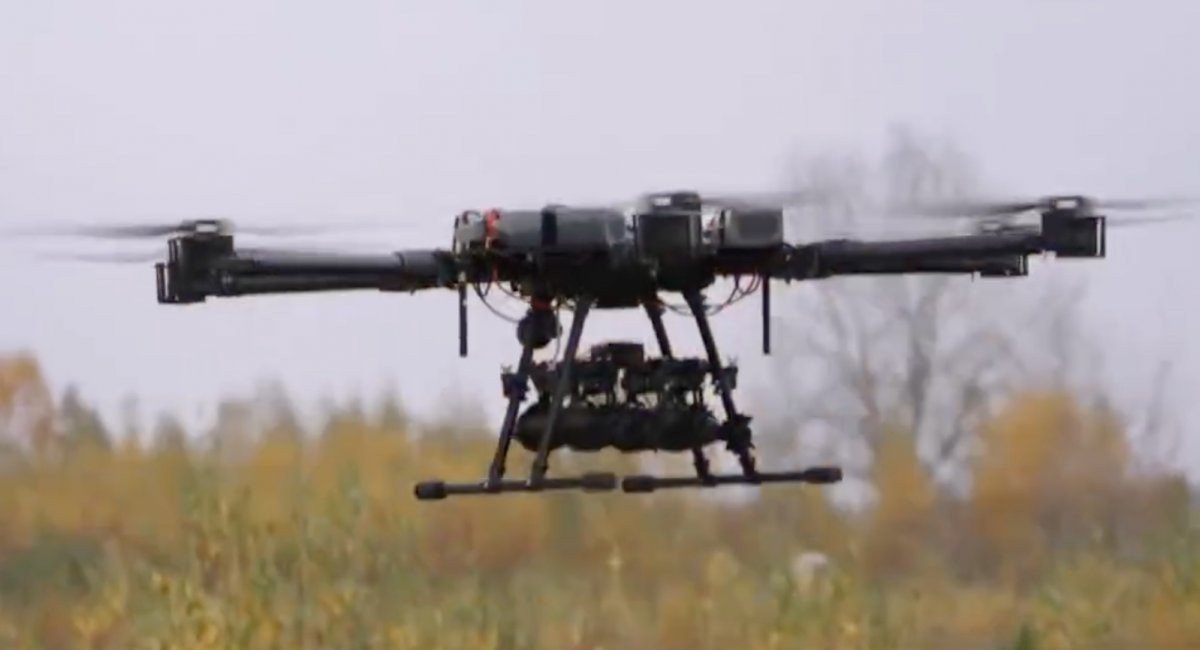
The drone reportedly carries a 20-kilogram payload, flies for up to 40 minutes, and cruises at 60 km/h, with thermal imaging, optical/digital zoom, and the ability to drop up to four munitions per sortie.
The Bulldog-13, a smaller reusable quadcopter, reportedly carries a 4-kilogram payload and includes modular strike packages and enhanced resistance to Ukrainian jamming.
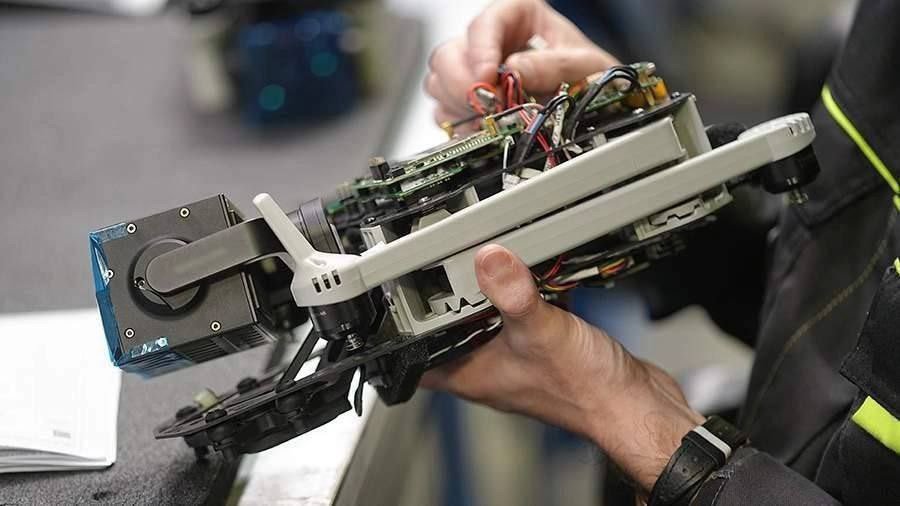
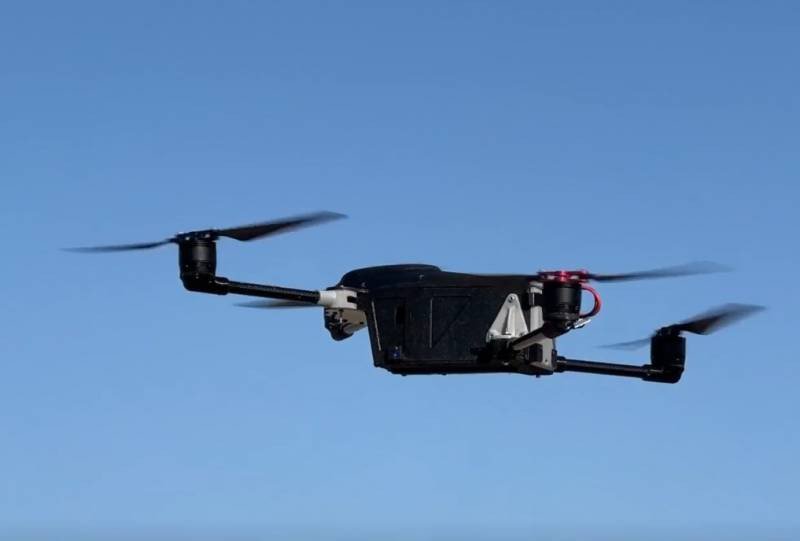
As Forbes notes, these reusable systems give Russian forces “a more versatile and survivable class of strike drones,” able to accommodate sensors and processing capabilities that would be too expensive to lose in a single attack.
However, Forbes also points out a major drawback: reusable drones must fly back to base, cutting effective operational time roughly in half.
Russians are claiming the use of new ISR “Knyaz Veschiy Oleg” UAV - a companion drone to “Knyaz Vandal Novgorodsky” fiber-optic FPV. Claimed range is 45km - the UAV was built as a cheaper alternative to Rus military fixed-wing ISR drones. https://t.co/LCCzJF0Uj5… pic.twitter.com/Rzi5hJWecx
— Samuel Bendett (@sambendett) November 6, 2025
Ukraine’s early lead in heavy reusable drones
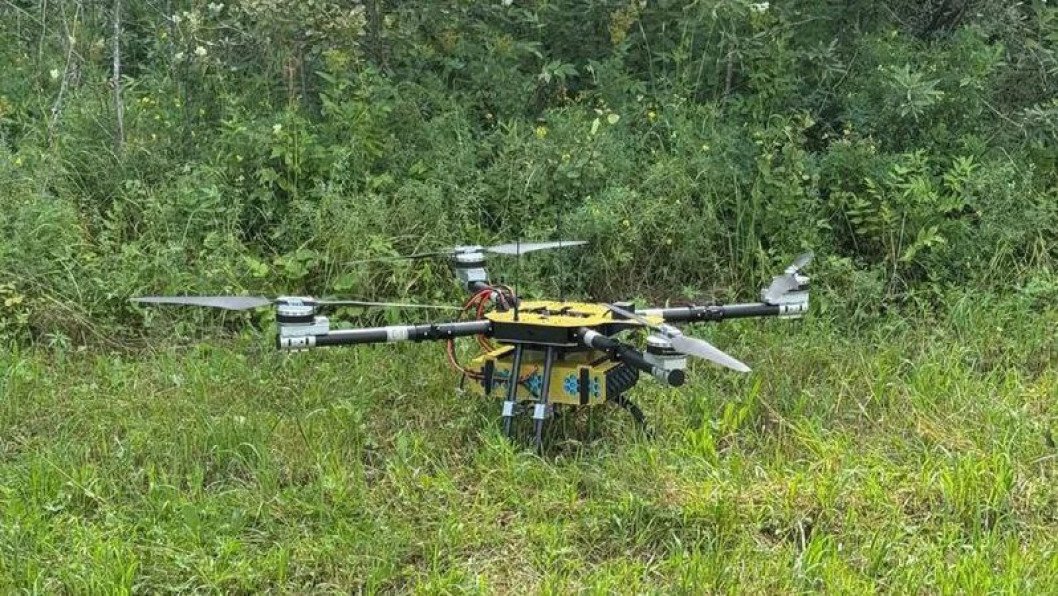
Ukraine, however, was the first mover in this shift. Long before Russia unveiled systems like the Night Witch, Ukrainian forces were already fielding heavy, reusable strike drones such as the Vampire family, which the Russians nicknamed the Baba Yaga.
These drones are large multirotor platforms capable of carrying multiple munitions, dropping precision-guided charges, and returning home for rapid re-arming.
-ad0e7aa1db82e01d44b1a5b7c5f81e23.jpg)
As Forbes has previously noted, these Ukrainian systems introduced the concept of “economy of reuse” to the battlefield, proving that a single large drone capable of multiple attack cycles was far more cost-effective—and survivable—than fleets of one-way FPV drones.
Moscow’s latest platforms mirror many of these Ukrainian innovations, underscoring how Kyiv’s drone industry has repeatedly forced Russia to redesign its battlefield playbook.
Russia is also reusing interceptor drones
Russia’s defensive drone systems are undergoing a similar evolution. While single-use interceptor drones remain common—ramming Ukrainian drones and detonating—reusable interceptors are now appearing regularly in Russian military videos shared on social media.
Russian interceptors destroyed Ukrainian drones by dropping a can of stew or poking it with a stick—an improvised tactic, but one that preserves the platform for reuse.
Another, more advanced interceptor uses a charged metal rod to deliver an electric pulse that disables multiple Ukrainian drones mid-air.
According to Forbes, these systems increasingly rely on AI-assisted detection and tracking, making them too expensive to expend in one-off collisions. Russia’s solution: operating them as multi-use platforms with longer service lives.
Why the shift?
Russian units now require drones with interference-resistant navigation, autonomous targeting, better optics and thermal sensors, and hardened electronics. These components are expensive, and Moscow cannot afford to lose them with every attack.
On the other hand, Forbes underscores that Western sanctions limit Russia’s access to high-end chips and sensors, forcing Russia to rely heavily on Chinese imports.
In addition, Ukrainian strikes have disrupted domestic production, so Russia, according to Forbes, cannot mass-manufacture enough one-way drones to sustain demand along a 1,000-km front.
Reusable drones absorb these pressures by reducing the rate at which critical components are lost to combat attrition.
Vampire is 🇺🇦-made bomber drone that carries a payload of up to 15 kg to a distance of up to 20 km. It performs logistical tasks: delivers food and equipment to the front line. But its main mission is precise drops on enemy shelters and equipment.
— Defense of Ukraine (@DefenceU) October 23, 2025
📷: 67th Mechanized Brigade pic.twitter.com/VjWyN991XN
The drone race isn’t slowing down
According to Forbes, both Russia and Ukraine are locked in an accelerating drone arms race that is increasingly about economics—not just technology. As platforms grow more sophisticated, the cost per drone rises sharply, pushing both sides to experiment with reusable designs.
-cd6bea0759dd2d434d054496dfa3b73f.jpg)
Russia appears committed to scaling multi-use strike and interceptor drones to conserve scarce electronics, maintain a steady supply to the front, and adapt faster to Ukrainian countermeasures.
“Underlying the Russia-Ukraine war is a battle for drone supremacy,” Forbes writes—one that will shape what both militaries look like for years.
Earlier, Ukrainian Armed Forces captured a whole Russian-Iranian Shahed-3 suicide drone, including its camera, during recent operations.
Discuss this article:
-4a56a6b482ec132402c16ef6fcabf9a2.png)