- Category
- Latest news
How Ukraine Could Become a Major Player in Global Arms Exports
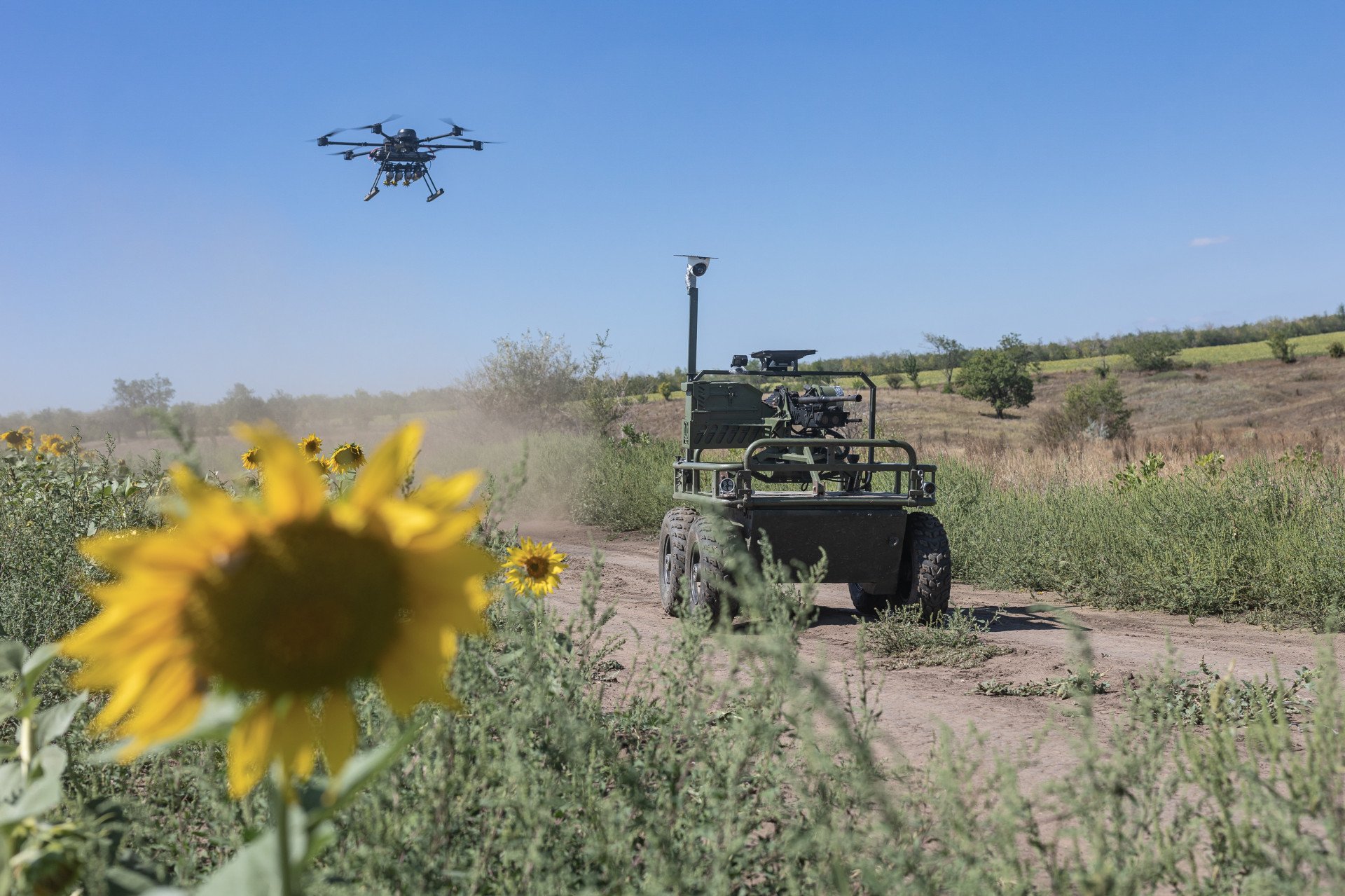
Ukraine is entering a new phase in its defense-industrial development—one that combines front-line supply with controlled exports of homegrown weapons. The move marks a major shift from producing arms solely for domestic needs to creating a self-sustaining, globally competitive defense ecosystem. But how will it actually work?
 Prefer U24 Media on Google
- Authors


Building a self-financing defense economy
Advisor to the Head of the President’s Office Oleksandr Kamyshin and Secretary of the National Security and Defense Council Rustem Umerov said at the NSDC press briefing, attended by UNITED24 Media correspondent, that Ukraine’s defense-industrial complex currently has an estimated annual production capacity of around $35 billion, though government and partner funding cover only about half of that potential.
By 2026, just the sector focused on long-range strike systems could exceed $35 billion in output, while the entire defense industry might reach $60 billion.
That expansion began in 2025, as Ukraine rapidly scaled up production of precision and long-range weapons. Next year is expected to bring another significant increase.
However, such volumes cannot be sustained through state funding or international aid alone. To maintain production, part of the output will now go to controlled exports to friendly nations—creating what officials call a mechanism of “self-financing defense:” this model will allow Ukraine to keep factories running at full speed, preserve jobs, and bring foreign currency directly into the defense sector.
What Ukraine plans to export
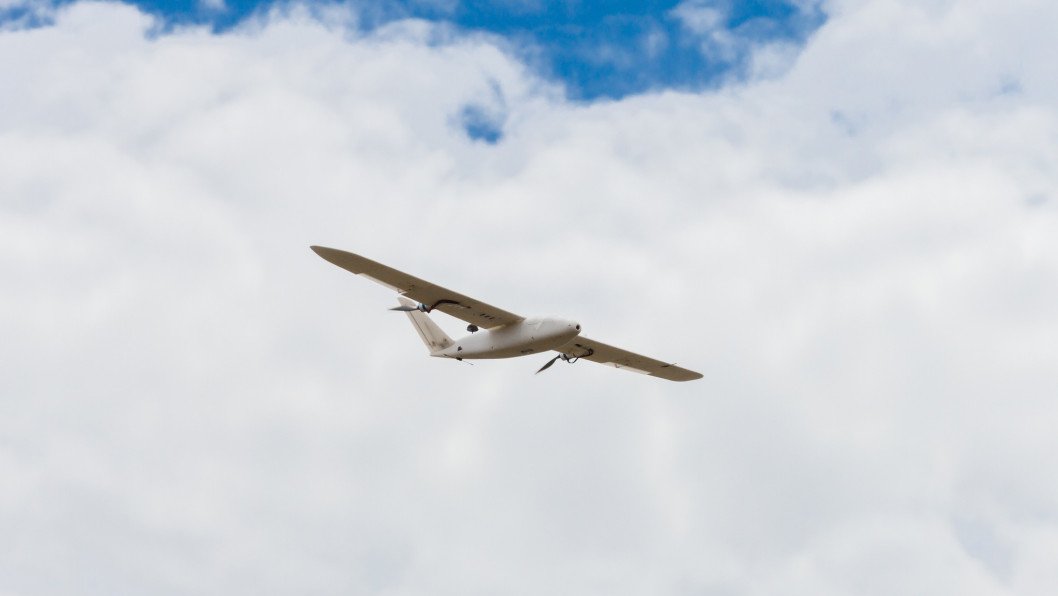
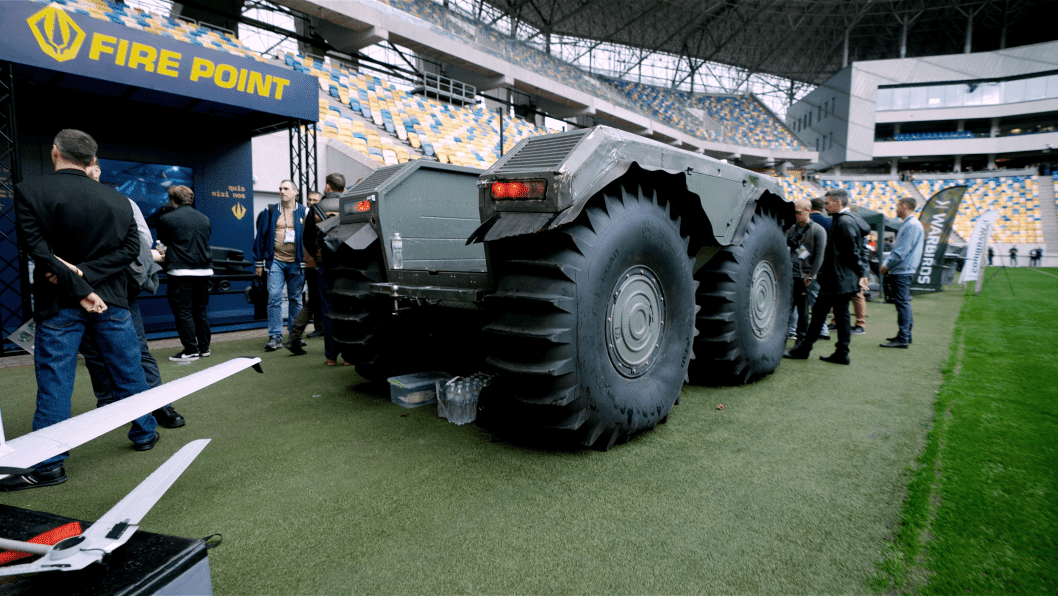
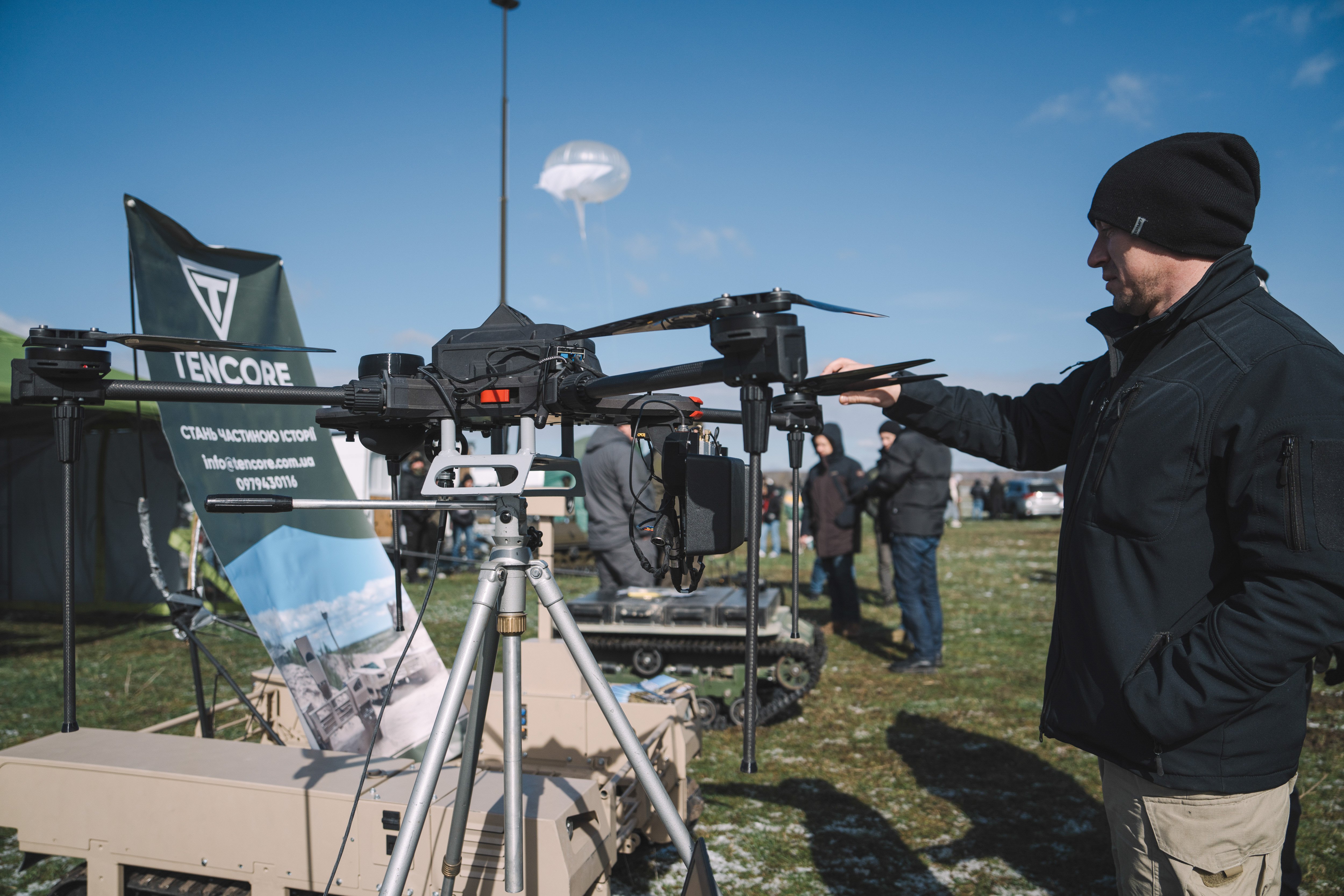
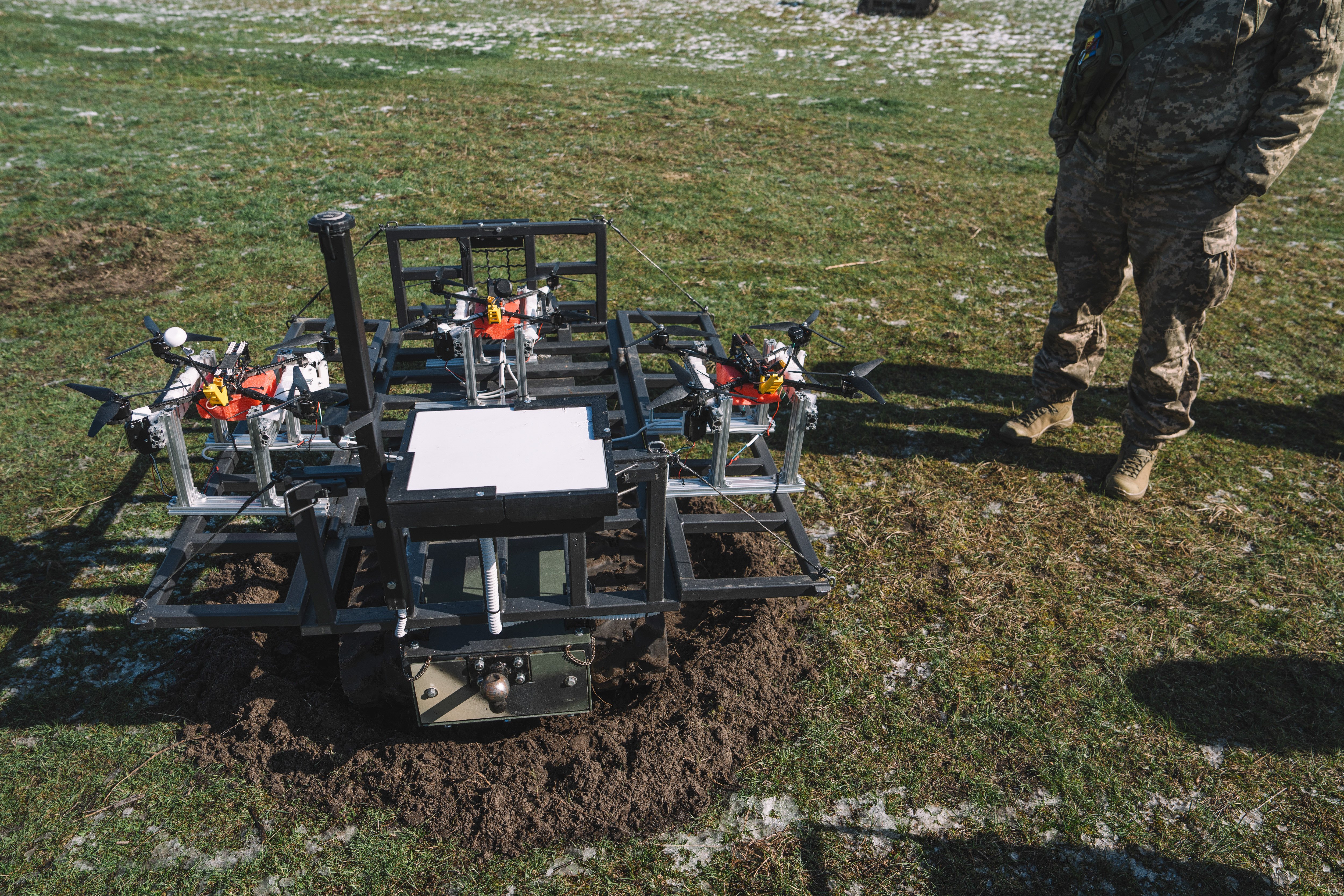
The first export wave will focus on Ukrainian drone systems—aerial, ground, and maritime platforms—the very technologies that have redefined modern warfare and made Ukraine a leader in battlefield innovation.
Some of these exports will be part of joint ventures with international partners, following the so-called Danish model under the banners Build in Ukraine and Build with Ukraine. This approach allows allies to invest directly in weapons production inside Ukraine or co-produce systems on their own territory using Ukrainian designs and expertise.
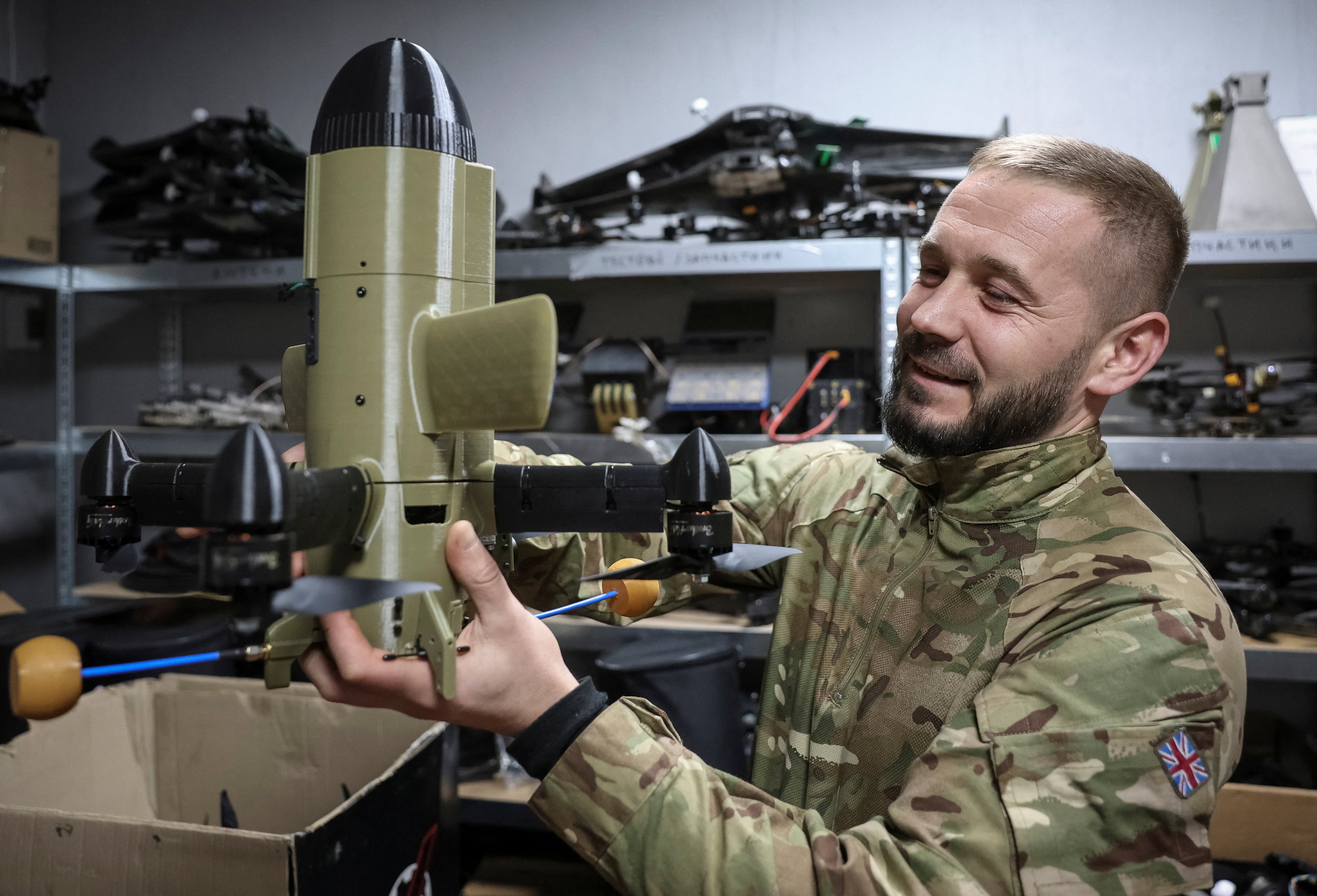
The guiding principle is simple: no idle capacity. Part of production goes to the front, the rest to export. The taxes and customs revenues from these exports will then finance new contracts for Ukraine’s security and defense forces.
In other words, Ukraine arms itself and grows its economy at the same time.
A transparent, controlled export process
Ukraine is restoring a full-scale arms export mechanism—but under strict oversight. The goal is to move from a “for our own use” model to regulated international sales that bring money back into domestic production, according to the National Security and Defense Council.
Here’s how it works:
Eligibility: If a defense company meets defined security and technical criteria and has surplus production capacity not immediately needed by the Armed Forces or other security agencies, it may apply for an export license through the State Service for Export Control (SSEC).
Verification: Within 90 days, the SSEC verifies all data and issues a decision.
Assessment: The Ministry of Defense consolidates the needs of all security forces, while the Interagency Commission on Military-Technical Cooperation (under the NSDC) makes the final recommendation.
Private producers are not required to export through state intermediaries. They may choose to work with a state or private special exporter, or even obtain direct export authorization—either by becoming a resident of Defence City (within 7–12 days) or through a Cabinet of Ministers decision (which can take up to a year).
All export licenses must be cleared by both the SSEC and the Interagency Commission, ensuring a dual layer of technical and security control.
Ukraine also keeps strict oversight of end users: the NSDC maintains a list of approved partner countries, beginning with those that have signed bilateral security agreements with Kyiv. No weapon can be resold or transferred without Ukraine’s consent, and post-export monitoring—including intelligence involvement—will remain in force.
The frontline always takes priority: if the Armed Forces urgently need a system slated for export, that license can be paused or revoked at any time.
Defence City: Ukraine’s fast-track zone for innovation
A key component of this system is Defence City, a new special regime for the defense industry—essentially a “fast action zone” for innovation, production, and export.
Companies registered as residents of Defence City get simplified access to export and joint-production procedures, all handled through a single-window system. Approvals, permits, and documentation are processed within days rather than months.
This model ensures security control and priority supply for the Armed Forces, while also enabling foreign investment and co-production. It’s both a defense and economic innovation platform—a model of how Ukraine’s “war economy” is transforming into a global defense hub.
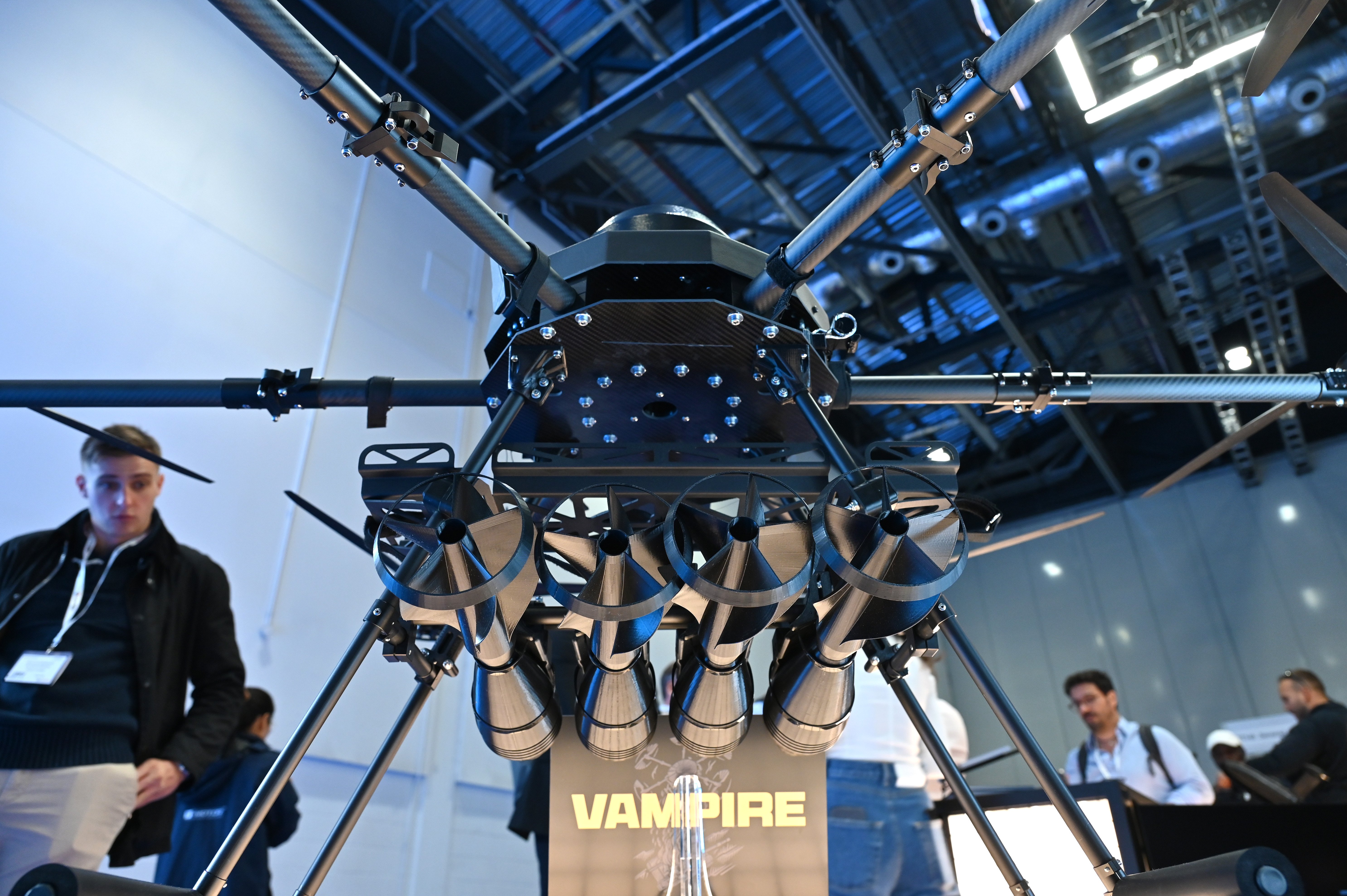
Defence City embodies Ukraine’s next-generation defense vision: from drones and munitions to advanced strike and reconnaissance systems designed to compete internationally.
Representative offices in Europe
To promote Ukrainian technologies and foster international cooperation, Ukraine will open its first defense industry offices in Berlin and Copenhagen—symbolic choices, as Germany and Denmark have invested heavily in Ukraine’s defense sector.
These offices will serve as showcases for Ukrainian technology—places where visitors can see how Ukrainian systems work and why they’ve become leaders in drone warfare. Each office will include:
An open zone for exhibitions and demonstrations;
A secure zone for military planners;
A business area for negotiations and contracts.
Further offices are planned for the United States and Global South countries, reflecting Ukraine’s ambition to share its defense experience worldwide and solidify its standing as a strategic defense partner.
The defense export market moves slowly—testing, certification, and procurement cycles take time. Officials expect the first real contracts to materialize in the second half of 2026, which is considered a normal timeline for establishing new defense partnerships.
Although the export opportunity is open to all Ukrainian defense firms, fewer than half of the country’s 1,000+ defense companies are currently ready to complete the required technical and legal procedures.
Still, Ukraine’s long-term goal is clear:
To create a sustainable defense economy where every exported system funds another one for the front—ensuring that Ukraine’s security and industry grow together.
Discuss this article:
-8321e853b95979ae8ceee7f07e47d845.png)

-c439b7bd9030ecf9d5a4287dc361ba31.jpg "Photo of Katherina Popilnichenko")