- Category
- Business
What Next-Gen Weapons Is Ukraine Showcasing at Defense Tech Valley 2025?
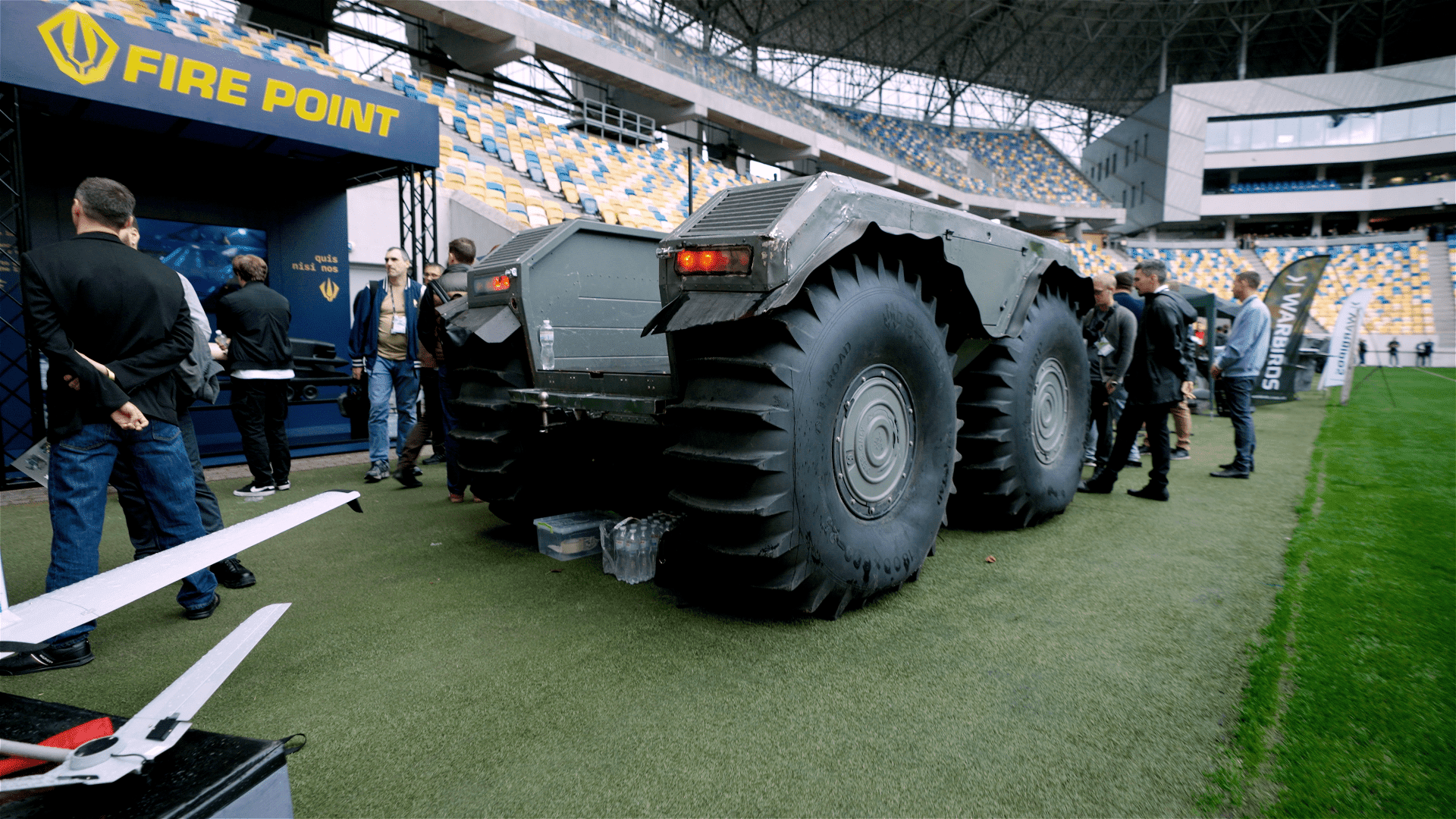
Ukraine just turned Lviv’s football stadium into a global defense tech arena. At the second Defense Tech Valley summit, organized by Brave1 and Ukraine's Digital Transformation Ministry, over 5,000 innovators gathered to see the next generation of weapons and solidify Ukraine’s role as a hub of military innovation.
 Prefer U24 Media on Google
- Authors


The headline announcement from the summit was financial: four firms from Europe and the United States committed over $100 million to Ukrainian defense technologies, signaling how a once non-existent industry has transformed into one of the world’s fastest-growing in just four years.
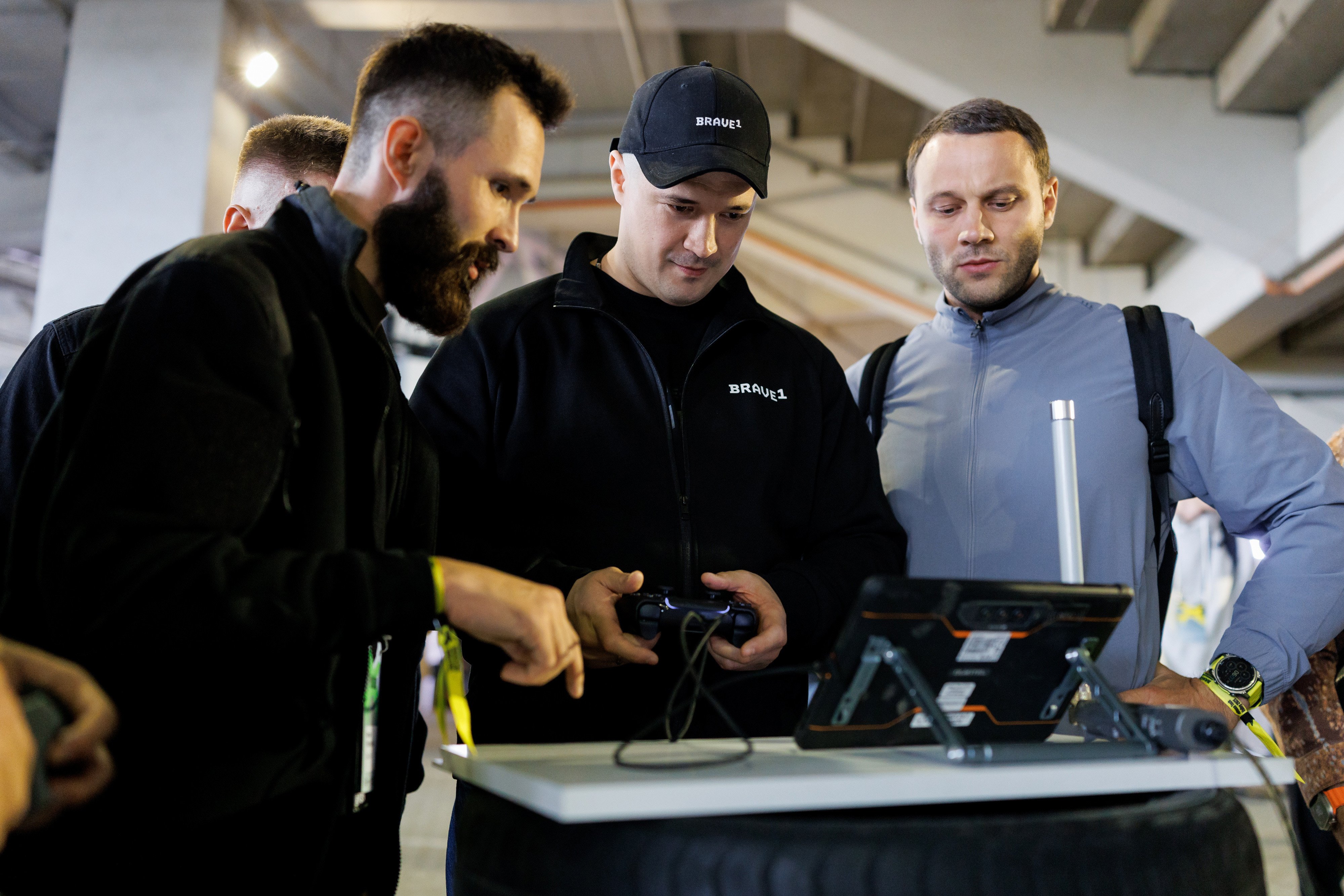
NUNC Capital, a Dutch venture group, pledged €20 million ($23,5 million) to a “Venture Building Initiative” that will prioritize new materials—an area critical for Ukraine’s ability to sustain long-term production without relying on foreign suppliers. German-Luxembourg firm Verne Capital outlined plans for up to €25 million in Ukrainian defense startups, particularly those focused on cybersecurity and military communications. Swedish investors Varangians announced a large-scale plan and disclosed that their first deal had already been closed, while Oedipus Inc. introduced itself as Europe’s first permanent capital vehicle dedicated exclusively to defense.
Separately, Ukrainian drone-swarm software developer Swarmer announced it had secured $15 million in a Series A round from US investors led by Broadband Capital. CEO Serhii Kupriienko reminded the audience that just a year ago, Swarmer’s $2.9 million seed round was considered a record. “Now we’ve done it again,” he said.
“Since 2024, Ukrainian defense companies have already attracted $90 million, with the average deal size growing from $300,000 to $1 million,” said First Deputy Prime Minister and Digital Transformation Minister Mykhailo Fedorov, speaking on stage. “At Defense Tech Valley 2025, we are reaching a new level. Four investment funds have announced plans to invest over $100 million, and the first closed rounds are already underway.”
What's Ukraine pitching?
The summit’s central theme was not only attracting capital but also reshaping the way Europe thinks about defense innovation. In his address, European Commissioner for Defense and Space Andrius Kubilius said Europe should adopt Ukraine’s methods. “The time has come for Europe to not only support Ukraine, but to learn from Ukraine. The question is not just how to create a certain technology, but how to create an entire ecosystem. We need to build a drone wall along the entire border with Russia—together with Ukraine.”
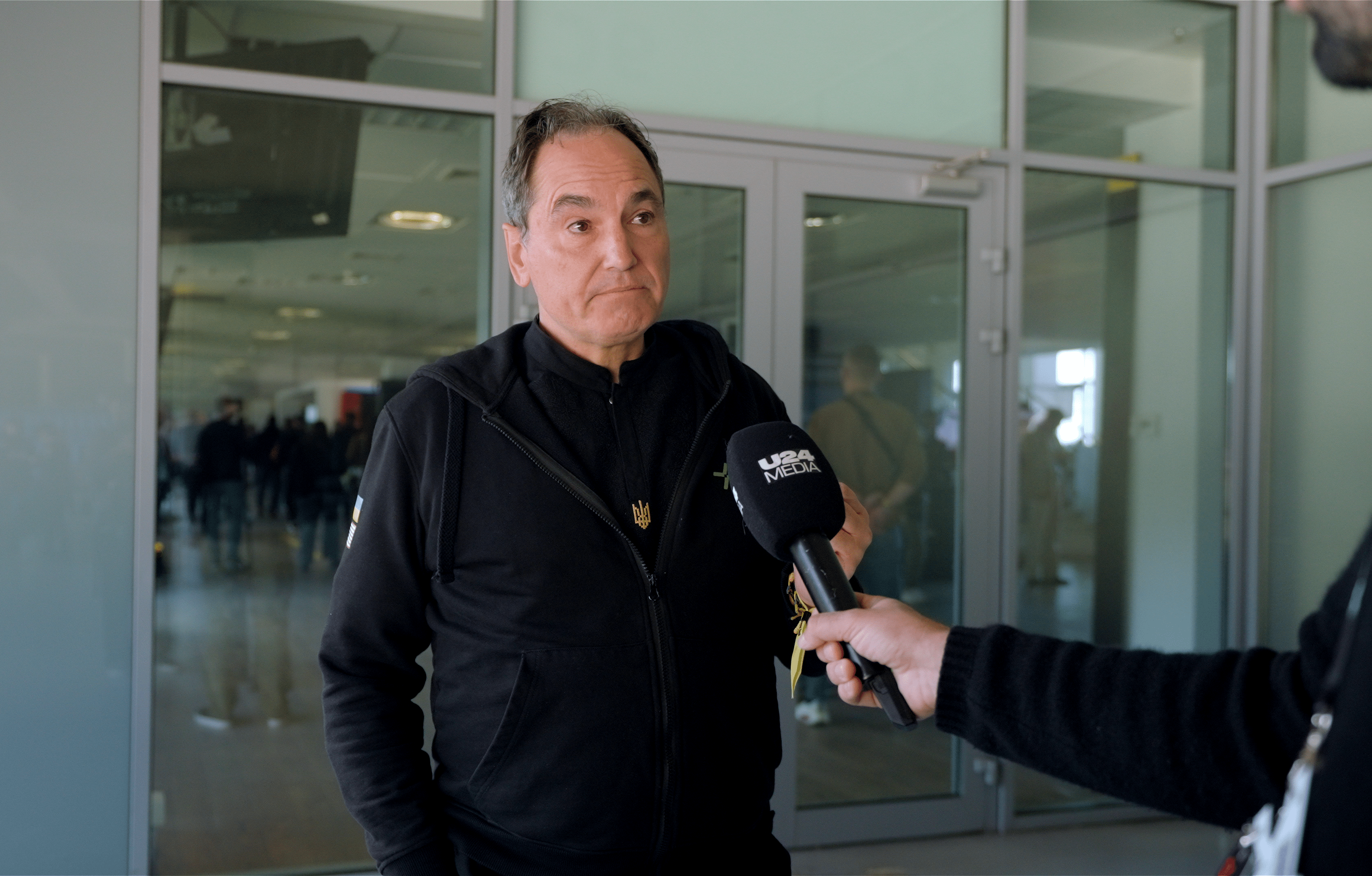
Other investors echoed the same point. Perry Boyle of MITS Capital described Ukraine’s unique advantage: “Only in Ukraine do you have almost no distance between the technologist, the factory, and the warfighter. The feedback loop is continuous. There’s no Pentagon separating them. There’s no MOD slowing things down.”
That direct connection between frontline need and innovation has allowed Ukraine to advance faster than larger, better-funded systems in NATO countries. NATO Innovation Fund representatives emphasized that their mission was not charity but learning and scaling. “Every time I come here, my sense of purpose goes through the roof,” said John Ridge, the fund's Chief Adoption Officer. “You only need to talk to someone just off the front line to be reminded why this work matters.”
Weapons showcased at Brave1 Defense Tech Valley
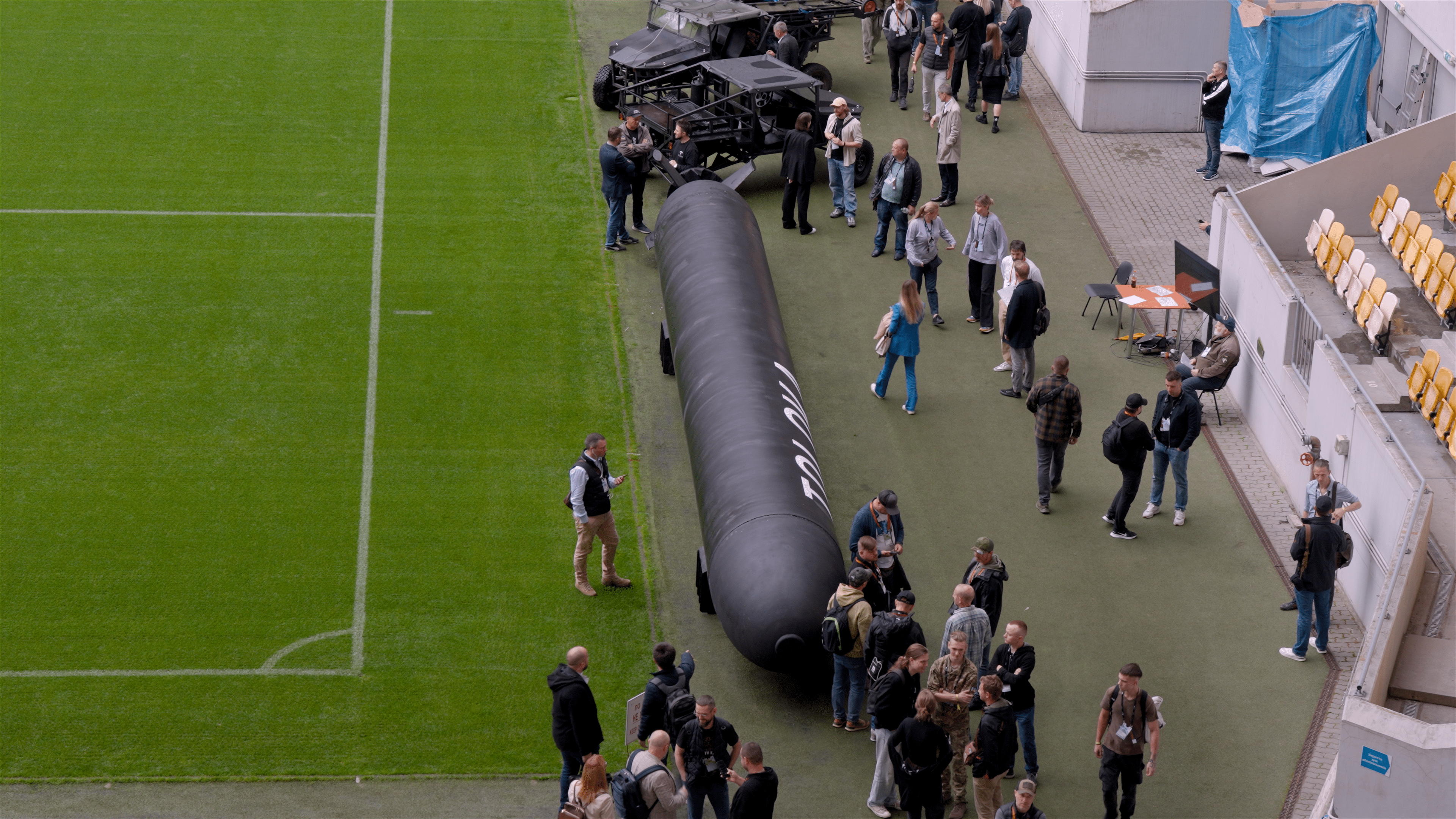
Defense Tech Valley 2025 was more than an investment fair. Brave1 organized the largest defense tech exhibition ever held in Ukraine, with more than 230 companies presenting. The range was vast: AI-powered interceptors, long-range drones, new electronic warfare systems, unmanned ground vehicles, and missile prototypes.
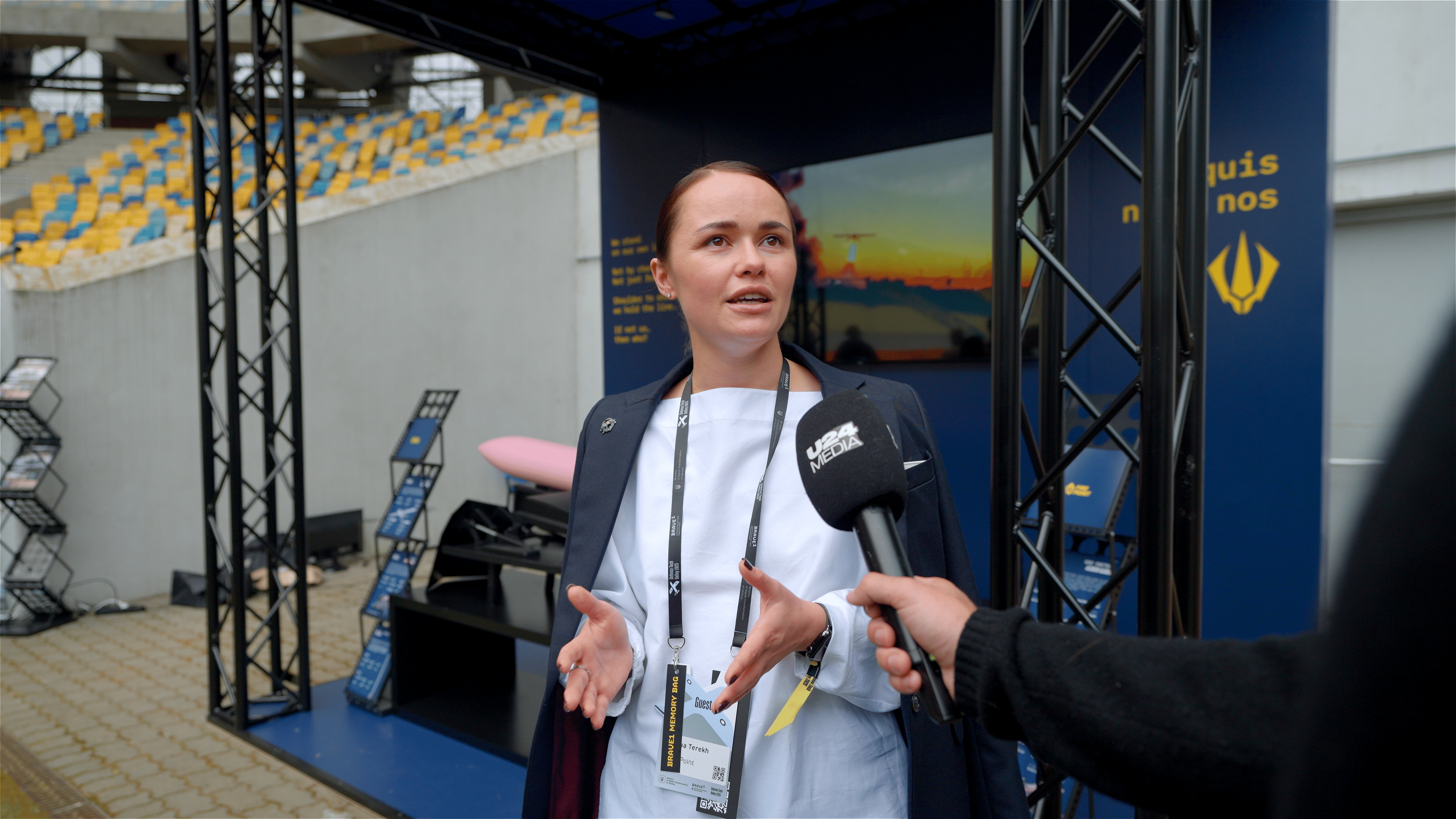
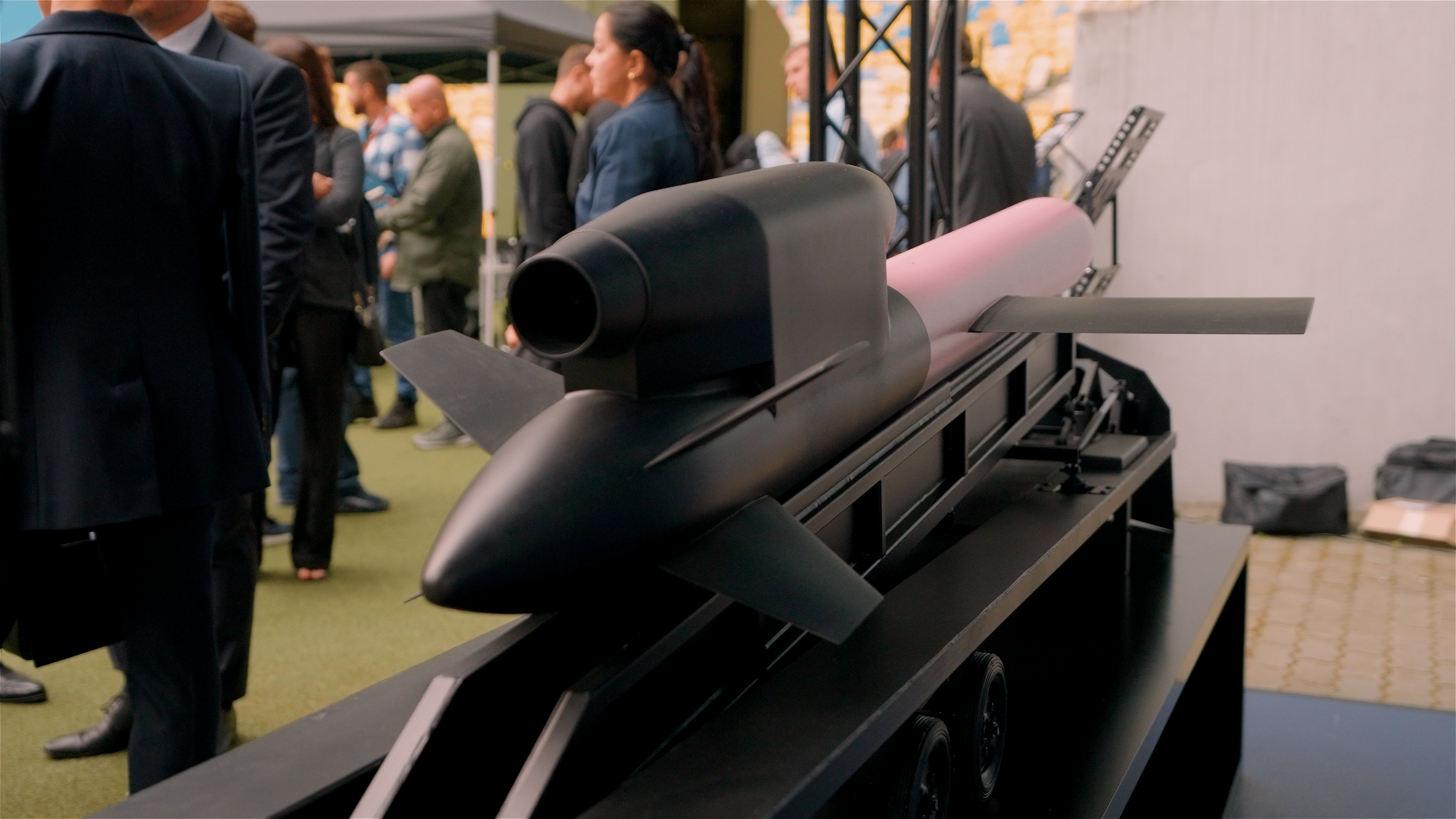
Iryna Terekh, CTO of Fire Point, delivered what many saw as the highlight of the exhibition. She unveiled Flamingo, a Ukrainian cruise missile she described as “our way to deliver big payloads on even deeper distances in a very asymmetric way in terms of price to effectiveness. Because this missile costs less than $1 million and is the biggest in the world by payload capacity and by distance as well.” Alongside Flamingo, Terekh showcased the FP-1 long range attack drone, “responsible for around 60–65 percent of the deep strike missions that are currently happening on the front line,” underscoring Fire Point’s central role in shaping Ukraine’s long-range strike capability.
Other Ukrainian teams highlighted products designed to fill critical battlefield gaps. Mykyta, callsign “Dolyna,” commander of the R&D unit in the 3rd Army Corps, unveiled the “Spider,” a retransmission device meant to replace DJI systems now restricted by export controls. Maksym Dybenko of Varta Drone Hunter described a universal counter-drone platform already integrated with more than 15 Ukrainian drone manufacturers.
The exhibition was hands-on. Brave1 built a specialized arena for unmanned ground vehicles (UGVs), where visitors navigated robotic evacuation and logistics platforms through mock rubble, forests, and sand. Soldiers like Ruslan from RATEL showcased their third-generation UGV for casualty evacuation near the frontline. “This one is designed and modified for near-frontline logistical and casualty evacuation missions,” he explained.
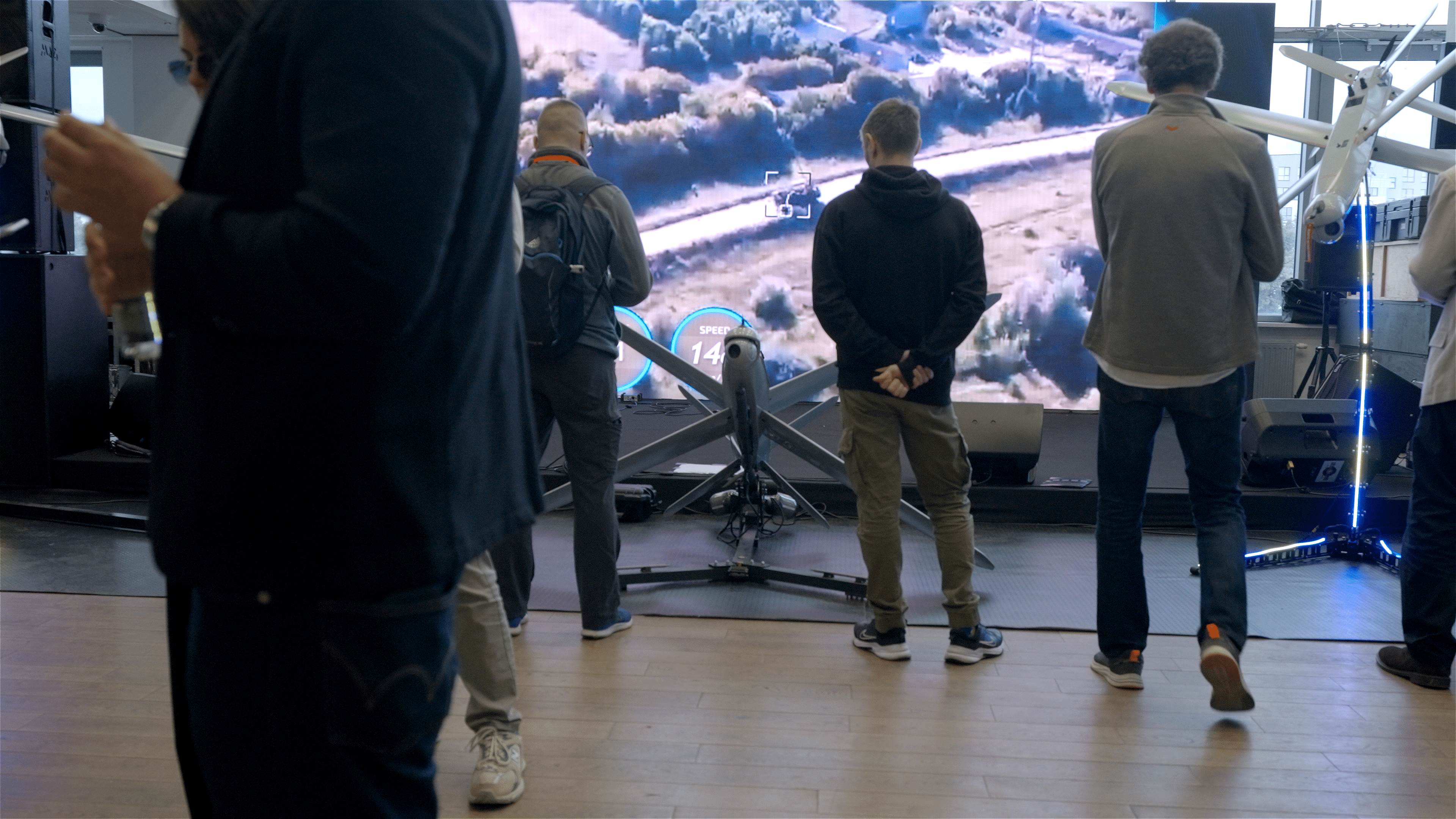
For visitors, the demonstrations drove home how battlefield conditions have become the ultimate proving ground for technology. “It’s a good platform to find the best industrialists and manufacturers,” said Eugene from the Dark Node UAV Regiment. “They create the best products that servicemen like me can use to intercept strike drones and destroy Shaheds.”
Global stage, Ukrainian message
Beyond the deals and demos, the summit served as a global platform for Ukraine to project its role in shaping modern warfare. More than 100 speakers took the stage, including industry leaders from Baykar Defense, Come Back Alive, and international firms like Helsing and Shield.ai. Kimberly Kagan of the US-based think tank Institute for the Study of War addressed Russian adaptations that require urgent countermeasures, while MIT’s Gene Keselman stressed the dual-use potential of technologies born on the Ukrainian battlefield.
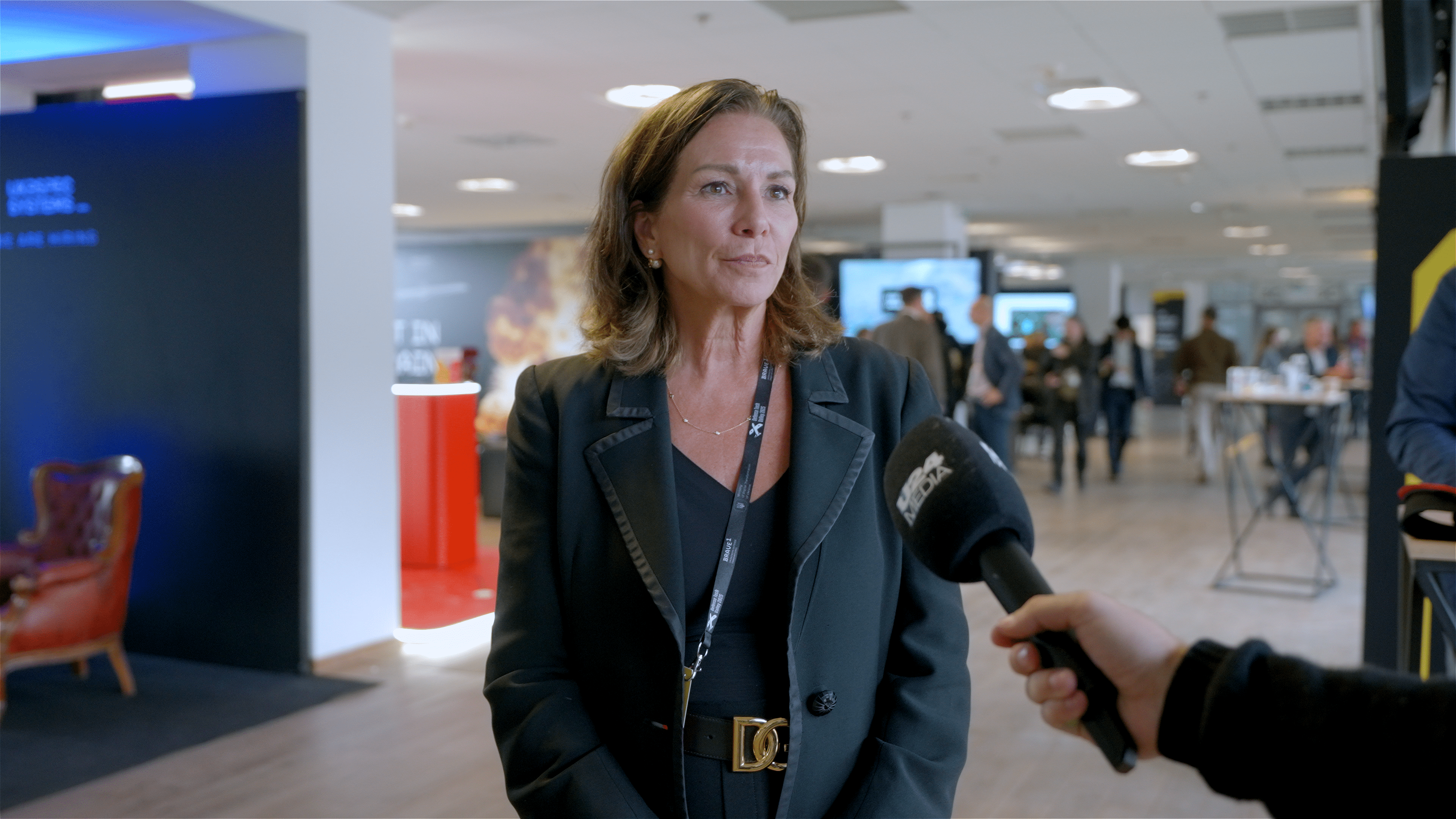
Mary Beth Long, former US Assistant Secretary of Defense, praised Ukraine’s innovation and leadership. “It’s really the commitment and the enthusiasm, and the spirit of not only fighting for Ukraine but fighting for the West,” she said. “Fighting for things we believe in.”
The end product of Ukraine’s urgency and wartime need to innovate is what makes its defense-tech story resonate with international investors and policymakers. For them, this isn’t a theoretical market—it's one of the world's best R&D labs where tech is tested against one of the world’s most dangerous militaries in real time.
Discuss this article:
-5f84711170d2769c4cda67ca2bebf5d2.jpg "Carpathian 8 Summit: Ukraine Leads Push for Security & Regional Growth")


-111f0e5095e02c02446ffed57bfb0ab1.jpeg "Photo of Roman Kohanets")
-4258f90da45ed571f27851d158610665.jpeg "Photo of Valeriya Ionan")
-92cc3cc3704a042ef4f32eb51a51081d.png "Activitis Builds Fintech Infrastructure for Ukrainian Business During Wartime")
-29a1a43aba23f9bb779a1ac8b98d2121.jpeg "Photo of Illia Kabachynskyi")