- Category
- Business
Four Ukrainian Weapon Systems Ready for Export to the West
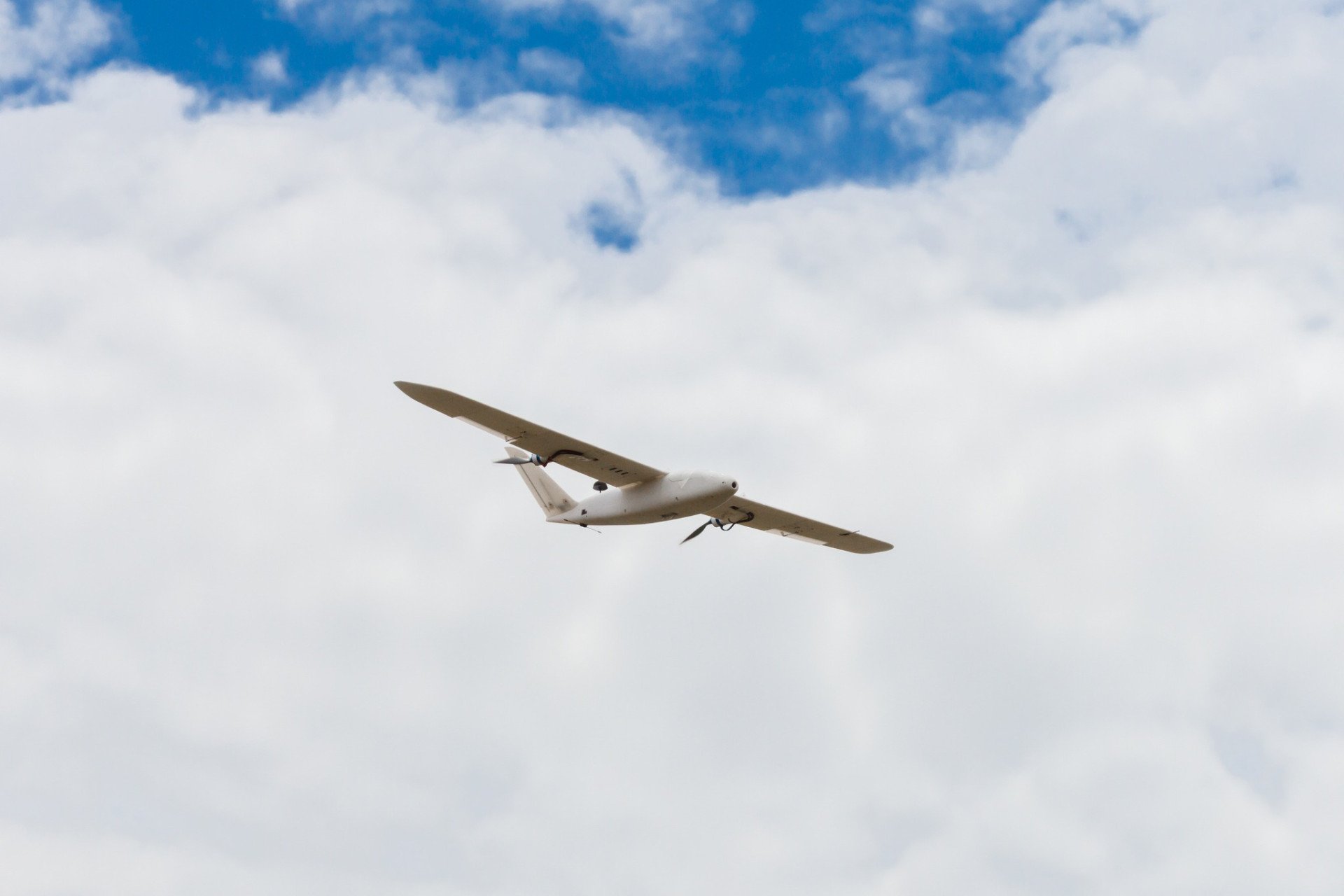
Ukraine began the war reliant on other countries’ weapons. Today, it builds its own fast, cheap, and battle-proven tech, and the very states that once supplied kits are now lining up to get a piece of the action.
 Prefer U24 Media on Google
- Authors


Four years ago, nobody imagined that Ukraine would be mulling the idea of becoming a weapons exporter—especially in wartime. Back then, the war against Russian invasion was fought exclusively with Soviet stockpiles and the contents of Western aid packages; whatever homegrown industry existed was promptly halted by the initial shock of the invasion.
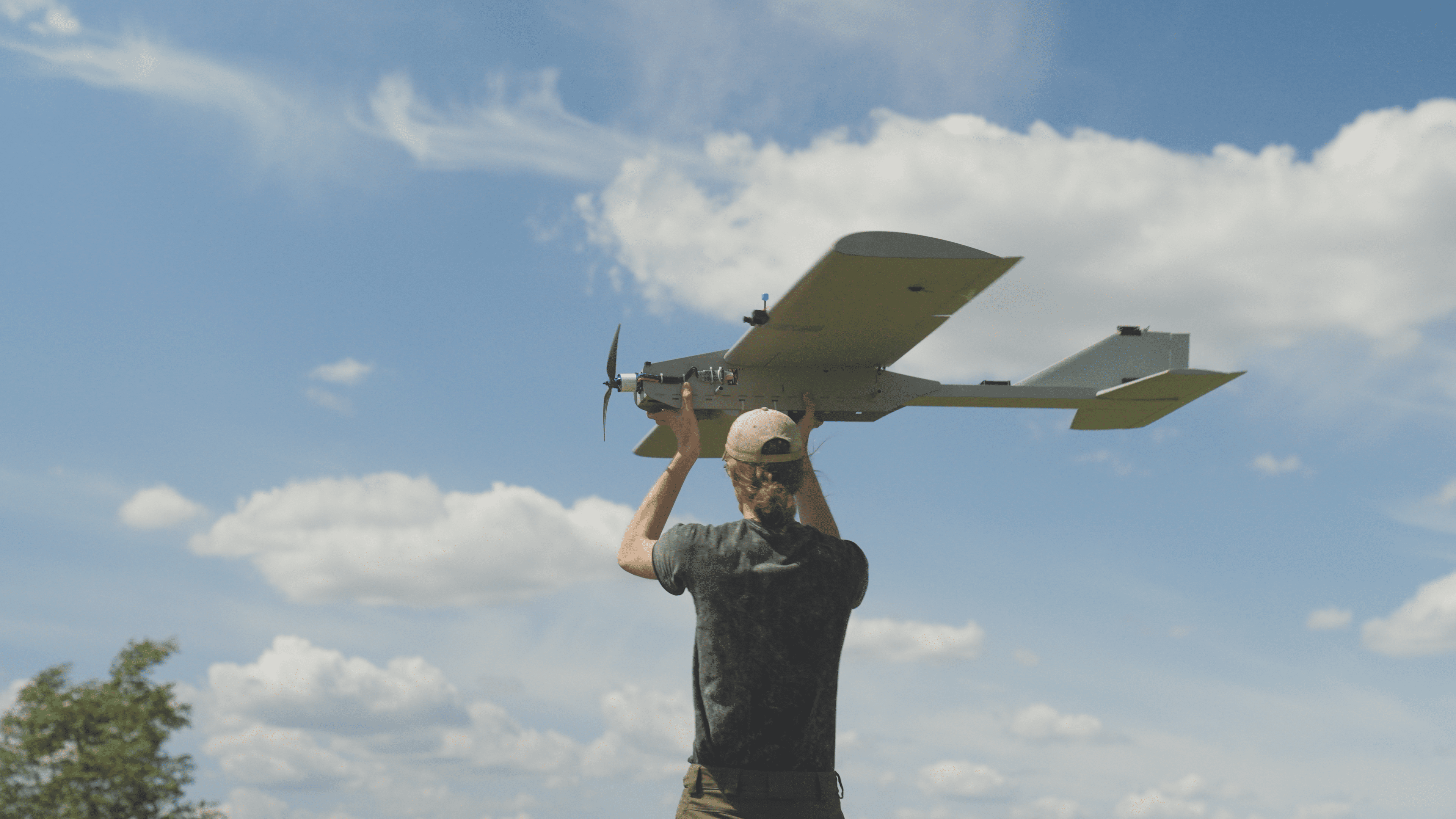
Today, existential pressure, Keynesian spending, and a stripped-down bureaucracy have turned the country into a military-tech wonderkid. Ukraine now builds lean, autonomous systems that undercut Cold War and GWOT hardware by a factor of five. Sea drones have replaced navies, taking out much of Russia’s Black Sea presence—even a few fighter jets. UGVs (unmanned ground vehicles) fill the roles of trucks and evacuation vehicles, while deep-strike drones rival Western cruise missiles without the need for outside approval.
Overnight, some systems went obsolete while new tech rewrote how wars are fought. Brave1 — a wartime defense-tech cluster and live testbed of startups, engineers, and front-line units — became the crucible where prototypes were shot, fixed, and pushed into production. These are the four weapons classes Brave1 now flags as ready for export to Western countries.
Naval drones: Magura, Katran, Sargan
Leading the charge is the MAGURA drone, which earned its hype by playing a big role in clearing Russian warships out of Ukrainian territorial waters. Currently, the V7.2 is being trialed with NATO formations in Portugal during the Dynamic Messenger drill. Those trials are explicit about integrating USVs into allied fleet drills.
⚡️ Ukraine has successfully hit 18 Russian vessels with domestically produced MAGURA V5 naval drones in the last 18 months alone, according to the Defense Intelligence of Ukraine.pic.twitter.com/tBIs1sTHLi
— UNITED24 Media (@United24media) August 16, 2024
The high export potential stems from simple economics: warships are financial liabilities. A fleet of unmanned naval drones is inherently low cost and requires minimal maintenance, yet it can execute the same critical functions.
Brave1
Magura-style USVs (unmanned surface vehicles), capable of carrying hundreds of kilograms of payload and reaching speeds over 40 knots (which is about 74 kilometers or 46 miles per hour), can operate with ranges well into the hundreds of kilometers. Their low unit cost, a mere fraction of a warship or cruise missile, explains their dominance in the Black Sea. These small, agile boats are tiny targets that can put a big hole into their targets.
Drone-autonomy tech: Swarmer, NORDA Dynamics, Dwarf Engineering, Blue Arrow
This is the software that keeps drones useful when satellites and datalinks fail. Companies like Swarmer, NORDA Dynamics, Dwarf Engineering, and Blue Arrow are shipping GPS-free navigation, resilient comms, homing modules, and swarm coordination that have been stress-tested in combat and demo events. These algorithms are what let swarms keep flying when EW is thick.
AI-based solutions for drone autonomy in GPS-denied environments, proven in the battlefield, not in labs. Apart from the obvious military use, these solutions have huge potential as dual-use tech.
Brave1
A cheap airframe is useless if you can’t find the target when the GPS dies. Ukraine’s autonomy code lets cheap drones navigate visually, coordinate in swarms, and keep missions alive under jamming—the difference between a lost toy and an operational system.
Ukrainian swarms have been used repeatedly in strikes and suppression tasks; investors and funds are now backing these firms, with Swarmer recently raising $15 million in seed capital. The same stacks map collapsed bridges, inspect pylons in blackout, or coordinate delivery drones after disasters.
The pitch is pretty simple to the West. Get the battlefield-proven software that still works when starlinks drop. With that purchase, allies skip years of R&D and get proactive solutions for warzones or even disaster zones.
Ground drones: Ratel, TerMIT, Zmiy
If you take a look at Brave1’s catalog, there are over 100 UGVs: TerMIT, Ratel, Zmiy, and dozens more move hundreds of kilos, haul ammo into grey zones, clear mines, and drag wounded out.
Powerful demining robot Zmiy v1.2 at work. This UGV clears mines 40 times cheaper than traditional methods and withstands two anti-tank mine detonations. Zmiy can operate in the traverse mined frontline zones, and clear a path for infantry, sappers, and armored vehicles. pic.twitter.com/2zOJgLZLYE
— BRAVE1 (@BRAVE1ua) May 8, 2025
Doctrine is being written as you read this. Khartiia and other units used Tarhan/Zmiy platforms to evacuate wounded over long distances, and the 3rd Assault Brigade executed combined drone-robot operations that forced surrenders and produced captured POWs. Robots now do the heavy, risky jobs soldiers used to do.
The primary advantage of UGVs over UAVs lies in their superior capacity to transport heavy payloads,” said Brave1. “Ukraine is the first country in the world to mass-deploy these machines for logistics, combat, and demining operations.
Brave1
Limitations exist—UGVs get stuck, die, and need better drone coordination—but those failures are part of the learning curve. Ukraine is converting failures into doctrine faster than any Western program, building unmanned battalions, and a live training pipeline for robot crews.
Turrets: Shablya, Khyzhak, Burya
Shablya is the clear case study: Brave1-born, rapidly iterated, and pushed into mass production. It’s a bolt-on, stabilized machine-gun turret (three mods) with effective ranges ~1.2–2.2 km (0.75-1.3 miles). Units mount it on trucks, bunkers, and robots, and send it where gun crews would be killed. Many were bought with UNITED24 donations and deployed immediately.
🇺🇦 #Ukraine - 🇷🇺 #Russia: Helmet cam footage showing an Ukrainian soldier operating a remote controlled machine gun using what resembles a steam deck controller.
— POPULAR FRONT (@PopularFront_) October 6, 2025
The remote-controlled system is dubbed 'ShaBlya' and was apparently developed by Ukrainian engineers and approved for… pic.twitter.com/u63DkxuXL9
Automatic turrets offer versatile deployment, serving as stationary assets or integrated onto UGVs. Beyond providing direct fire support, they also function as critical Counter-UAS solutions.
Brave1
Turret kits are everywhere—assault brigades, mechanized units, territorial defense—and frontline feedback drove rapid hardware/software upgrades. The occupiers nicknamed them “death scythes.” Pair a Shablya with a UGV and you have a mobile, semi-autonomous fighting cell that sees, moves, and shoots without exposing a human.
Discuss this article:

-5f84711170d2769c4cda67ca2bebf5d2.jpg "Carpathian 8 Summit: Ukraine Leads Push for Security & Regional Growth")


-111f0e5095e02c02446ffed57bfb0ab1.jpeg "Photo of Roman Kohanets")
-4258f90da45ed571f27851d158610665.jpeg "Photo of Valeriya Ionan")
-92cc3cc3704a042ef4f32eb51a51081d.png "Activitis Builds Fintech Infrastructure for Ukrainian Business During Wartime")
-29a1a43aba23f9bb779a1ac8b98d2121.jpeg "Photo of Illia Kabachynskyi")