- Category
- Latest news
Russia Tried to Sell Fake Antonov Plane to Peru in $63M Scam Deal
 Prefer U24 Media on Google
- Authors




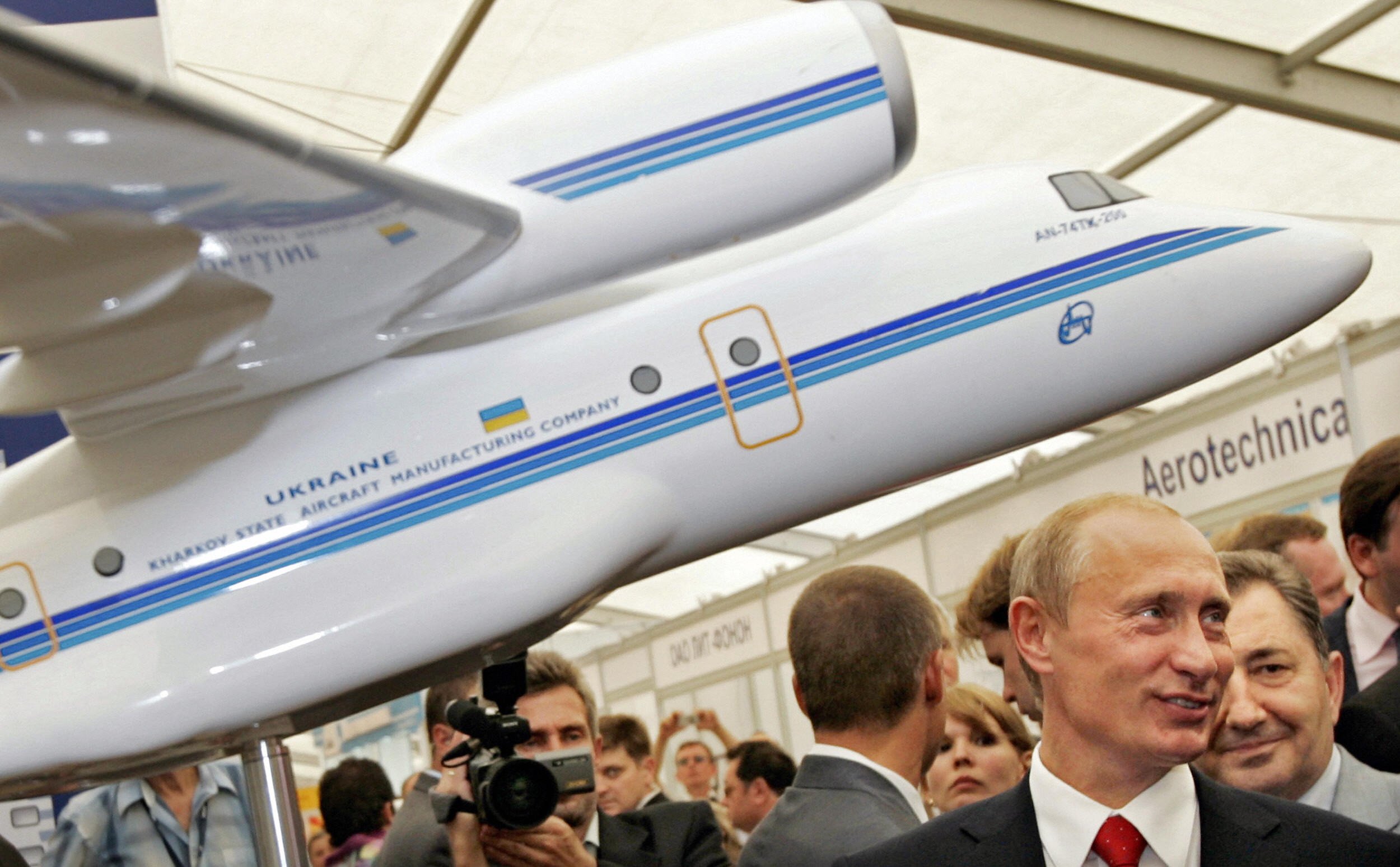
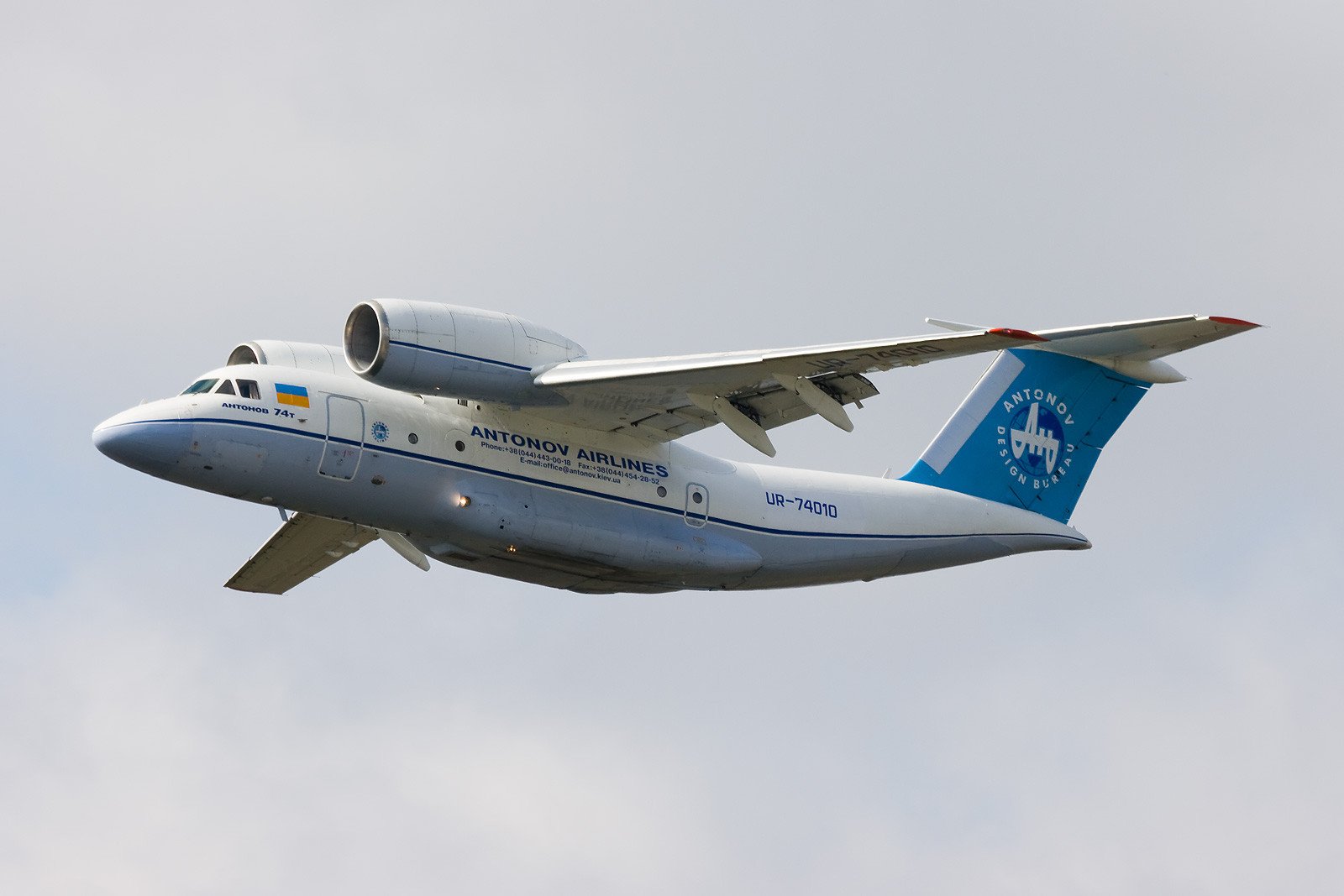
Russia attempted to sell a non-existent Antonov An-74 aircraft to Peru through a UAE-based intermediary using falsified documents, according to multiple statements from Ukrainian officials and local Peruvian media on February 5–7.
The $63 million contract was canceled by Peru’s Ministry of the Interior after the Ukrainian Ministry of Foreign Affairs and aircraft manufacturer Antonov exposed the scheme.
Ukraine’s Foreign Minister Andrii Sybiha wrote on X that the company involved—Aero Express FZE—was linked to Russia and had submitted fraudulent documentation claiming it had the right to supply an Antonov-built aircraft.
“Russian intermediaries attempted to sell a phantom aircraft using forged documents,” Sybiha said, emphasizing that Ukraine values the trust of Latin American partners and urged governments to work only with official manufacturers.
According to Pucara Defensa, a Peruvian defense outlet that followed the case, the shell company failed to provide legitimate proof of its capacity to deliver the aircraft and submitted forged credentials suggesting authorization from Antonov. In reality, no such permissions were granted. Antonov remains the only entity with a valid license to manufacture the An-74.
The An-74, a short take-off and landing transport aircraft developed in Soviet-era Ukraine, has not been produced at scale in over a decade. The Ukrainian side highlighted this production gap as another red flag.
Following the cancellation of the tender, Peru is reportedly considering acquiring additional C-27J Spartan aircraft from Italy. The model has been in service with the Peruvian Air Force since 2015 and is already used for logistical and humanitarian missions across difficult terrain.
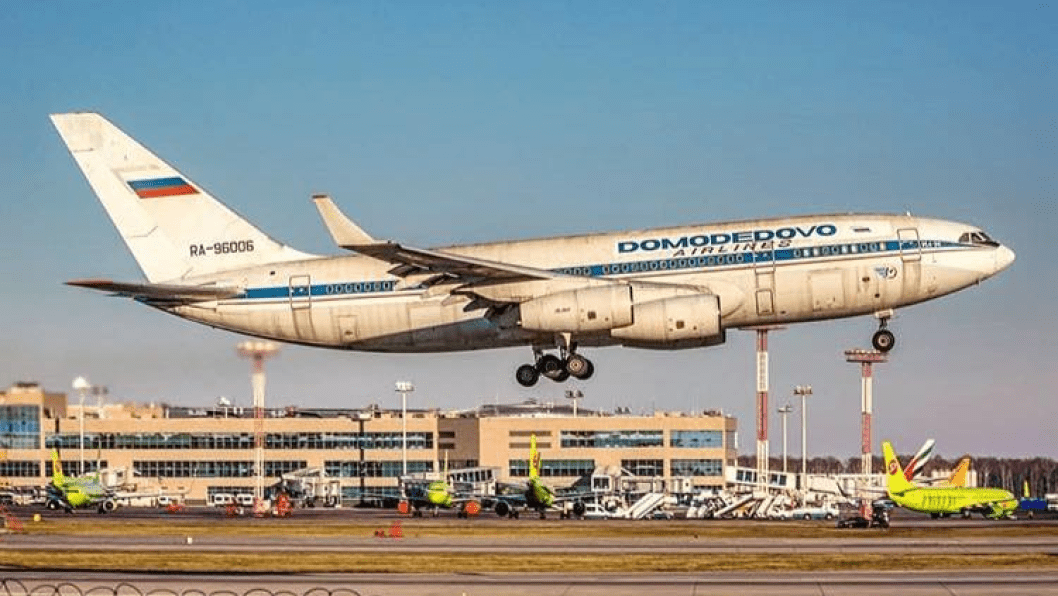
Ukrainian authorities also warned other countries to be cautious of intermediaries operating from jurisdictions such as the UAE that may be exploited by Russian-affiliated actors.
While the Peruvian government has not issued a formal diplomatic response to Russia regarding the incident, the cancellation of the tender highlights growing scrutiny over defense procurement channels in Latin America and the risks associated with non-transparent offers.
Earlier leaks revealed that Russia had signed a contract with China’s NORINCO as far back as 2017 to transfer technology for producing spherical propellants—used in small arms and artillery—which resumed in 2024 after payment delays and reached full-scale training and operations by mid-2025.
Discuss this article:
-4a56a6b482ec132402c16ef6fcabf9a2.png)





-72b63a4e0c8c475ad81fe3eed3f63729.jpeg "Photo of Cyril Barabaltchouk")
-111f0e5095e02c02446ffed57bfb0ab1.jpeg "Photo of Roman Kohanets")