- Category
- Latest news
Russian Radars Vanish From Key Military Districts, Satellite Images Reveal
 Prefer U24 Media on Google
- Authors


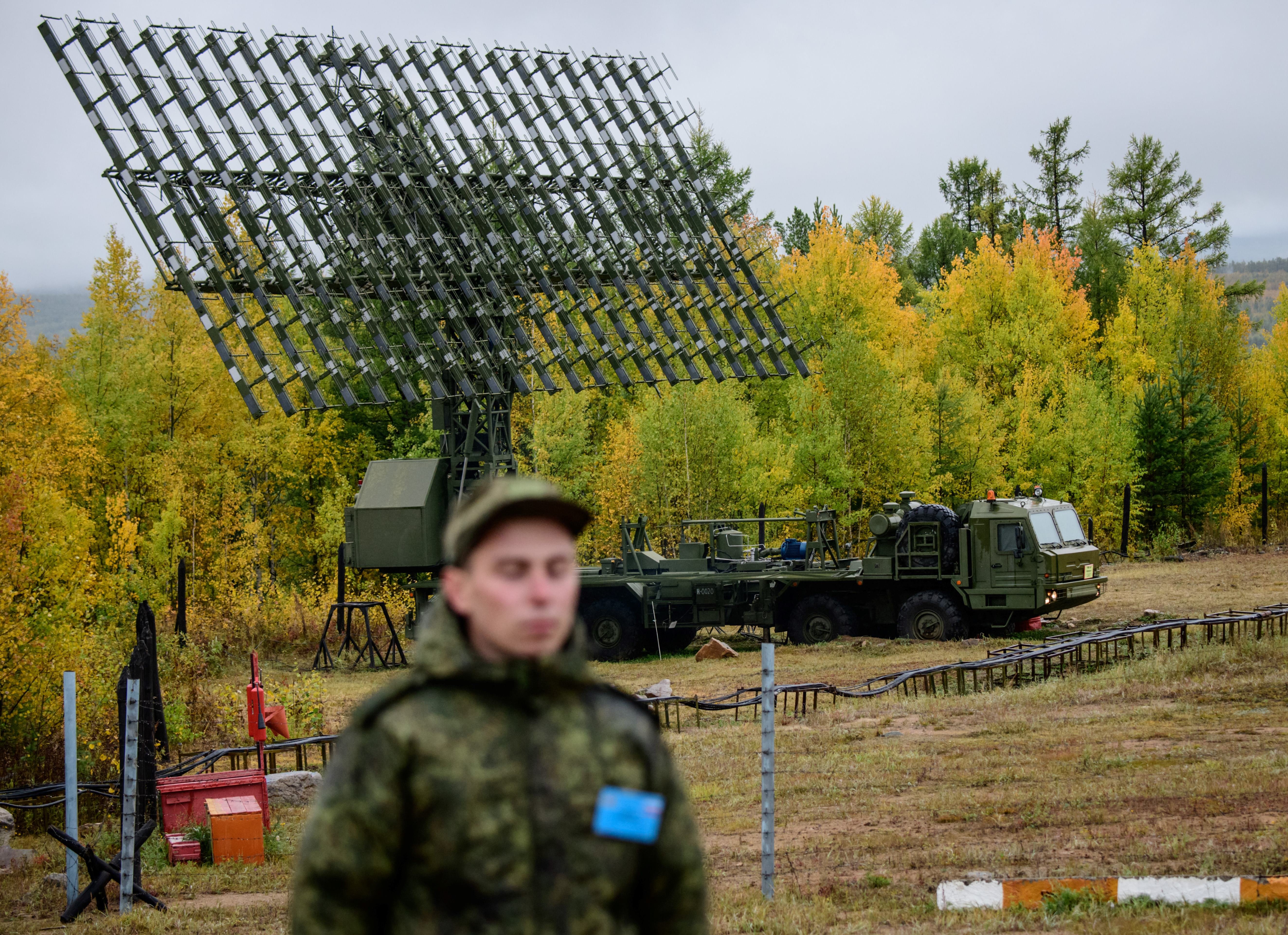
Satellite imagery analysis suggests Russia is quietly removing or relocating significant numbers of low-altitude radar systems from its Central and Eastern Military Districts—prompting speculation over battlefield losses and strategic redeployments, according to OSINT researcher Athene Noctua on July 21.
Athene Noctua regularly tracks Russian air defense infrastructure using satellite imagery. His latest update is focused on the radar positions of the 340th and 341st Radio-Technical Regiments within Russia’s Central Military District.
Latest satellite imagery updates over Russia suggest that Low Altitude Radars from known radar locations are being taken away.
— Athene Noctua (@Ath3neN0ctu4) July 21, 2025
A sizeable share of both Kasta-2E2 and Podlet-K1 radar has been missing.
1/2
Example here:
45°24'27"N 47°22'35"E pic.twitter.com/zpGyAI2L2K
The findings point to a notable absence of several radar systems, especially those optimized for detecting low-flying aerial threats such as drones and cruise missiles. These include the Kasta-2E2, Podlet-K1, and older models like the P-18 and 5N84A.
According to another OSINT researcher, Exited Bulgarian, the changes fall into two categories: upgrades or system swaps at some sites, and total abandonment at others.
🇺🇦 Ukraine destroys two rare Russian Yastreb-AV radars — one by drone attack, the other by precision strike.
— Ivan Khomenko (@KhomenkoIv60065) June 18, 2025
These advanced systems track missiles and enemy artillery. pic.twitter.com/P8A4GTj7Ut
In several cases, legacy radars such as the 5N84A were replaced with more modern units like the Nebo-U/T or Podlet-K1. However, numerous positions that previously hosted key radar systems now show no signs of active equipment.
Overall, the following radar units were found missing:
9 × Kasta-2E2
4 × P-18
2 × Nebo-SV
1 × Nebo-M
1 × Nebo-U
1 × Podlet-K1
2 × 5N84A (one was previously inactive)
1 × 96L6
2 × ST-68U
“Some systems appear to have been relocated from one site to another, but the number of removals far outweighs the redeployments,” he noted.
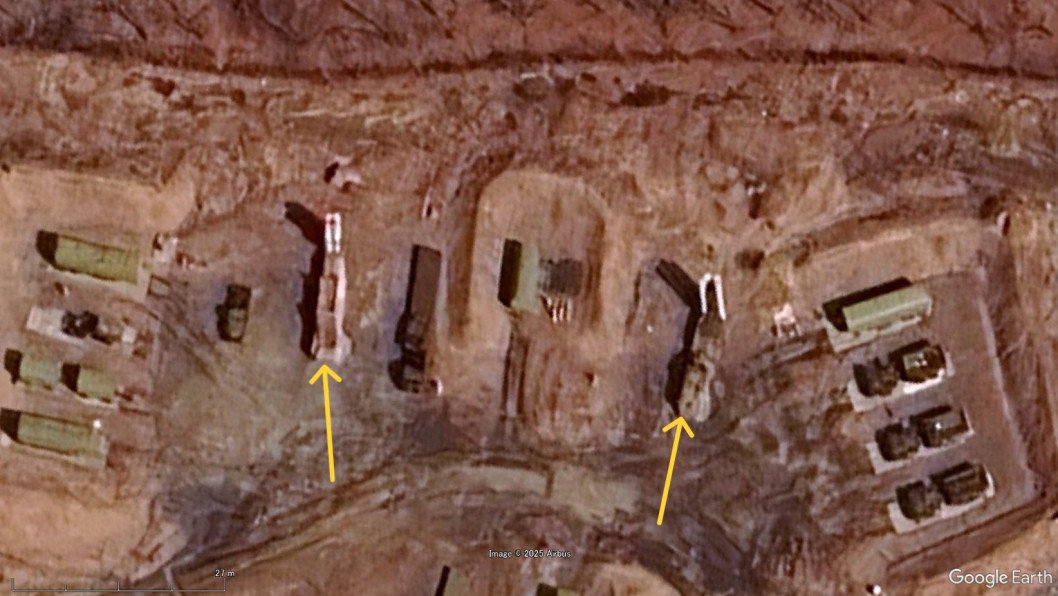
“And given that similar disappearances have been observed in the Eastern Military District as well, this doesn’t look like a standard modernization campaign.”
Instead, he proposes two potential explanations:
Combat losses—Russia may be scrambling to replace destroyed or damaged radar systems in high-risk areas such as occupied Crimea, where Ukrainian drone strikes have heavily degraded air defense assets.
Wider coverage—The military may be redistributing radar units to increase national coverage and improve detection of Ukrainian drones.
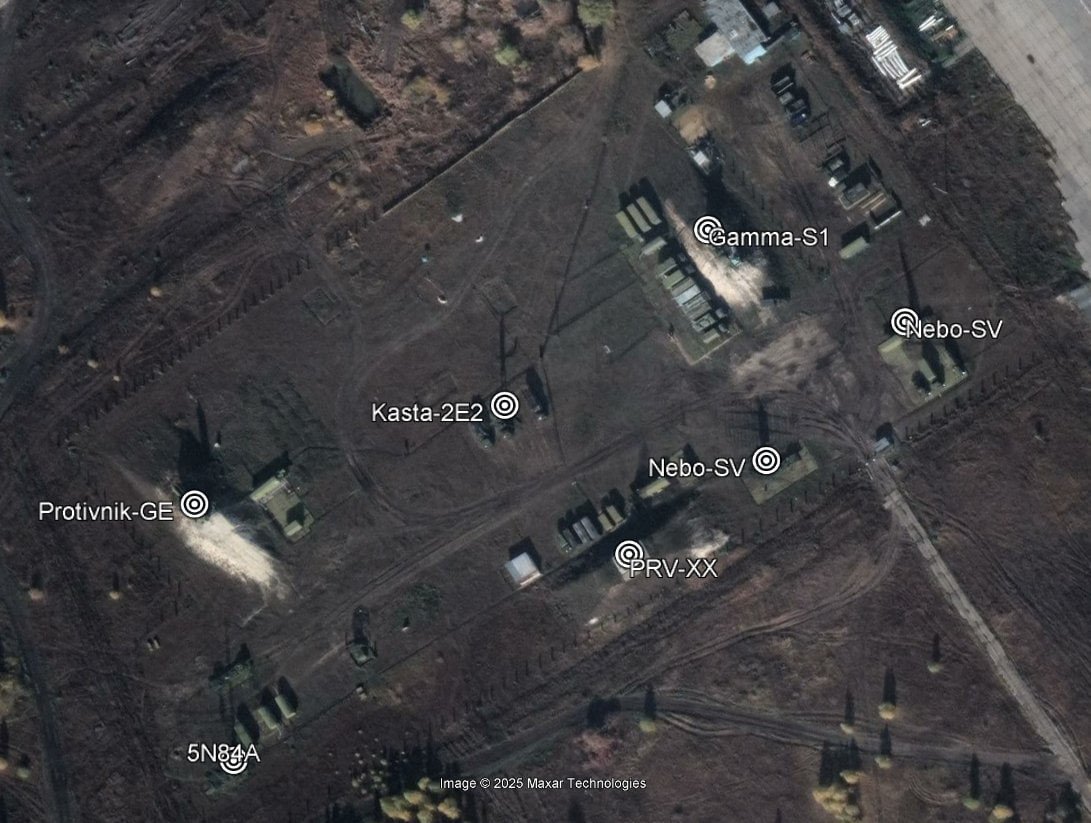
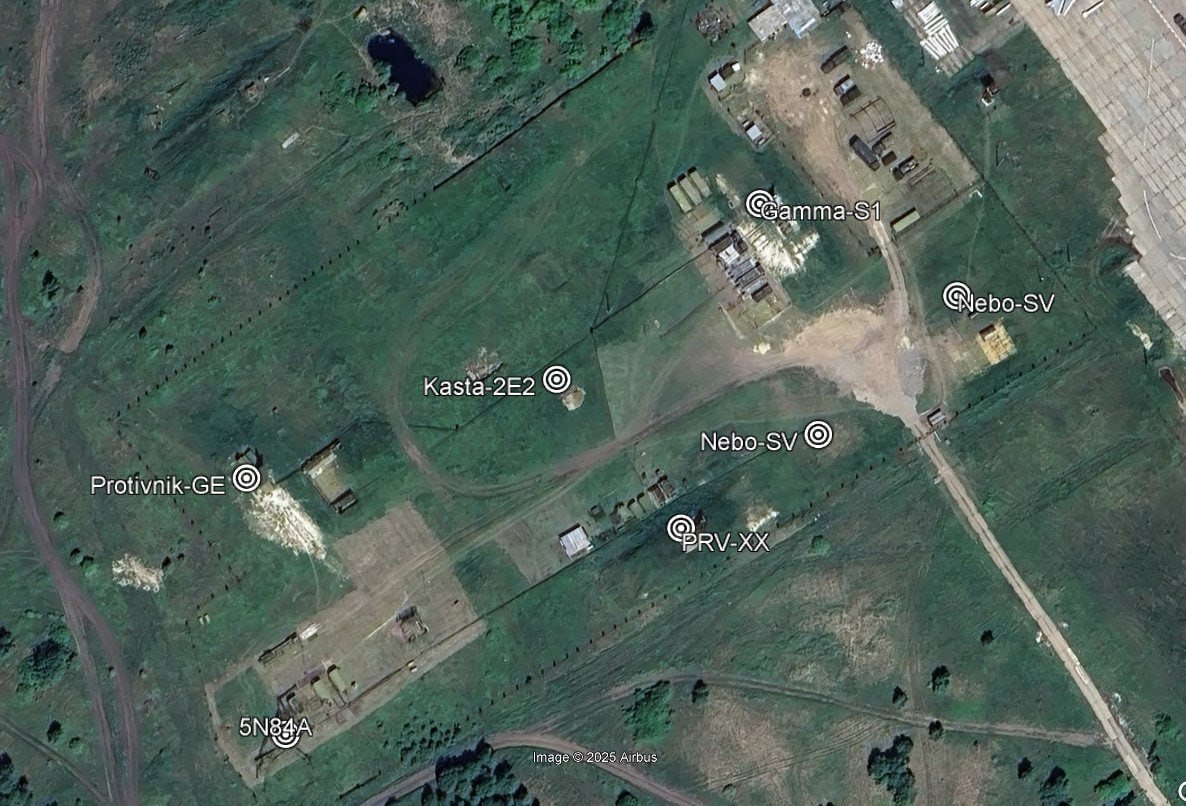
Radar systems like Kasta-2E2 and Podlet-K1 are specifically designed to track low-flying objects—precisely the type Ukraine now uses to strike deep into Russian territory.
In addition, radar production is extremely expensive and time-consuming. According to defense analysts, Russia can’t rapidly replenish losses or saturate the front lines. But the fewer radars they keep in the rear, the more vulnerable those rear areas become.”
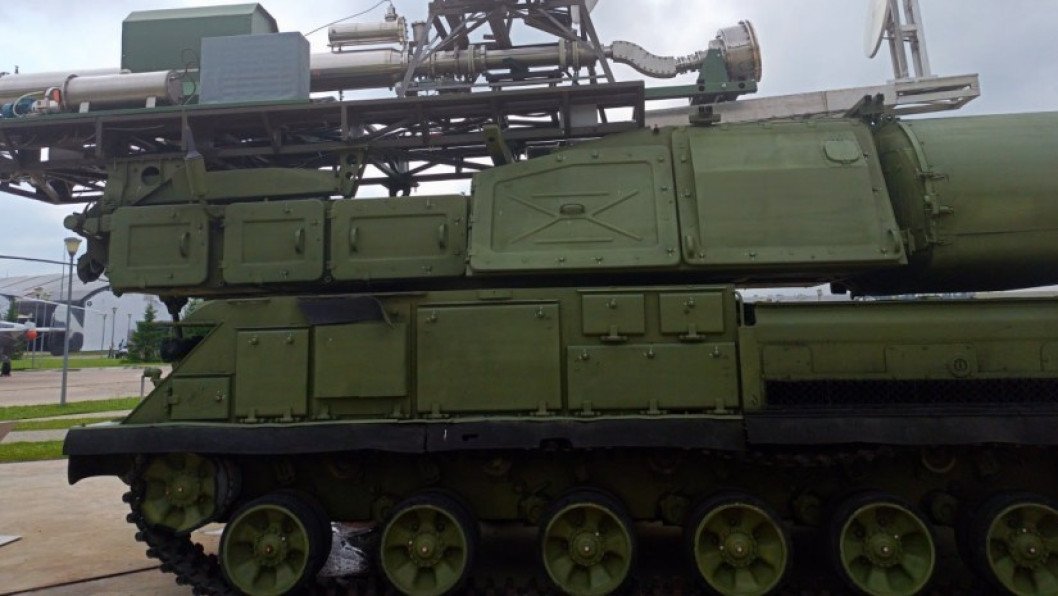
One such vulnerable site is Alabuga, a major drone production facility in the Central Military District, where Iranian-designed Shahed drones are assembled. Without adequate radar coverage, sites like Alabuga could face increased exposure to Ukrainian strikes.
Earlier, Ukrainian drone operators from the 424th Svarog Battalion of the Armed Forces’ Unmanned Systems Forces had successfully destroyed a rare Russian electronic warfare system known as the KOP-2 .
Discuss this article:



-b3edefa350ac9e77d9bc1b18bd02eac6.jpg "Illustration of a Russian Pantsir-S1 air defense system. (Source: General Staff of the Armed Forces of Ukraine)")



-72b63a4e0c8c475ad81fe3eed3f63729.jpeg "Photo of Cyril Barabaltchouk")