- Category
- Latest news
Russian Railways Faces 22-Fold Profit Drop Amid Economic Pressure
 Prefer U24 Media on Google
- Authors

-c439b7bd9030ecf9d5a4287dc361ba31.jpg "Photo of Katherina Popilnichenko")
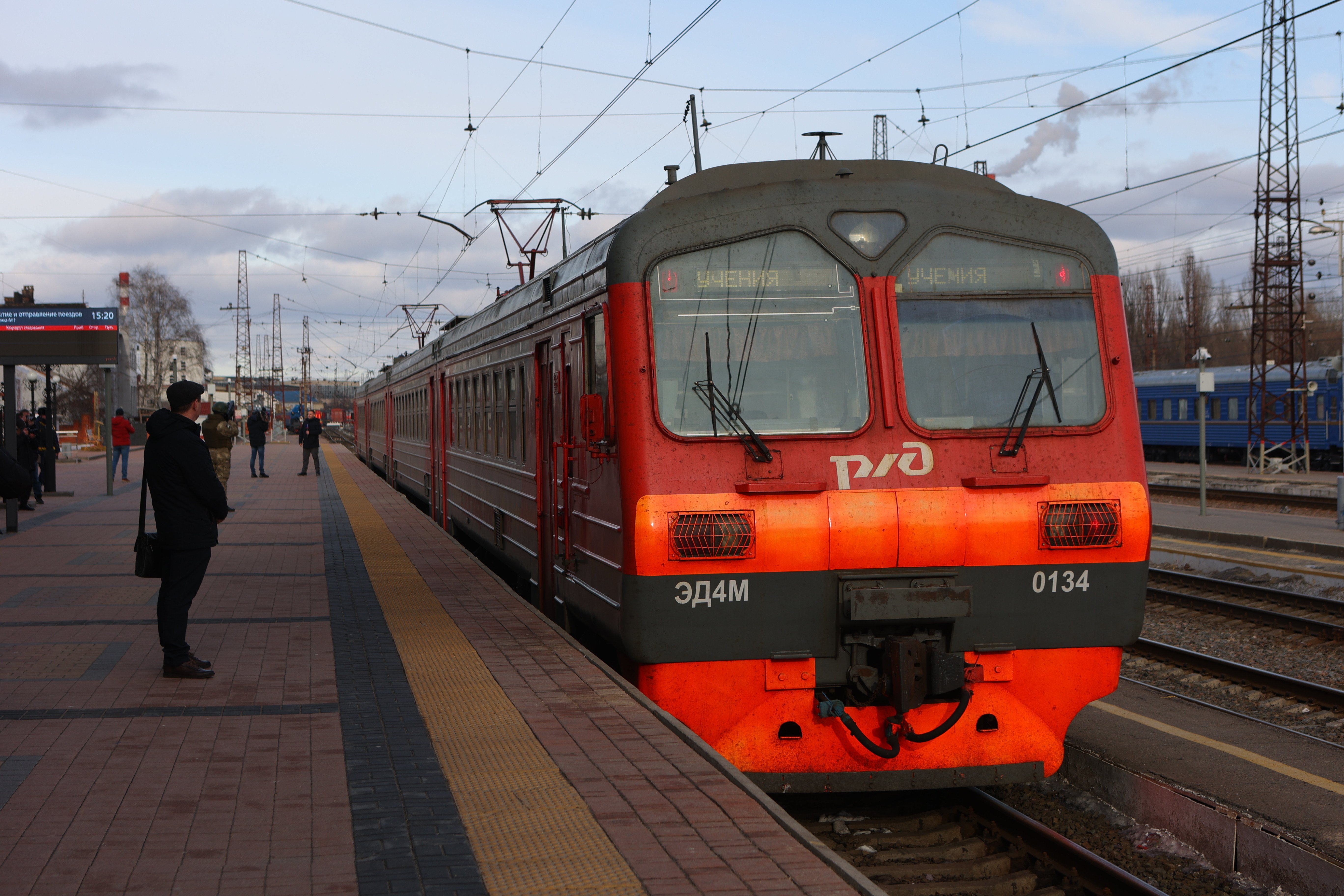
Russian Railways (RZD) has reported a significant decline in its financial performance for 2025.
Net profit fell 22-fold, dropping to $23.9 million from $552,8 million the previous year. While total revenue increased by 10.4% to $39.2 billion, the volume of cargo transportation reached its lowest point in 16 years, totaling 1.1 billion tons, according to The Moscow Times on March 27.
We bring you stories from the ground. Your support keeps our team in the field.
To prevent a total annual loss, the state-owned monopoly implemented deep spending cuts. The 2025 investment program, which covers construction and the purchase of new railcars and locomotives, was reduced by 40% compared to the previous year.
Despite these measures, the company took on approximately $8.7 billion in new debt to cover its operating costs. This brought RZD’s total debt to a record $41.4 billion.
Last autumn, the company requested $2.1 billion in emergency funding from the National Wealth Fund. RZD cited high central bank interest rates as a primary cause for its financial distress, noting that its debt servicing costs doubled to $5.8 billion.
The government denied this request for funding, leading the company to place some employees on part-time schedules.
Starting in 2026, the monopoly plans to lay off 15% of its central office staff, affecting about 6,000 people. RZD head Oleg Belozerov stated that the company also intends to reduce spending on fuel and repairs to save an additional $806.9 million. To stabilize its balance sheet, the government has directed the company to begin selling off significant assets.
The list of properties for sale includes the Riga railway station in Moscow, the Likhobory depot, and the Moscow Towers skyscraper in the Moscow City business district.
RZD also plans to sell a 49% stake in the Federal Freight Company. The company expects to raise approximately $2.1 billion from these sales.
“In order to cover the company's current need for financial resources to finance operating and investment activities and maintain financial stability, work is being carried out to refinance and optimize the credit portfolio, expand credit limits in Russian banks and use alternative sources of financing, including taking into account state support,” the RZD report stated.
By January 2026, the state-owned monopoly RZD had already spiraled into a historic financial crisis as its debt surged to $45 billion.
During 2025, freight volumes fell by 9.4%, marking a cumulative decline of over 15% since the start of the full-scale invasion.
As the company’s net profit plummeted fourfold, the Russian government was forced to slash investment programs and implement desperate cost-cutting measures, including shifting the debt burden onto banks and effectively freezing employee wages against soaring inflation.
Discuss this article:



-efa69d4733b5af9f7cd0a642f85424a6.jpeg "Thick black smoke rises from the heavily damaged Proton-Electrotex plant in Orel, Russia, following a reported strike. (Source: Exilenova+)")