- Category
- Latest news
Russian Shahed Engines Fail Mid-Flight, Unlike Iranian Originals
 Prefer U24 Media on Google
- Authors


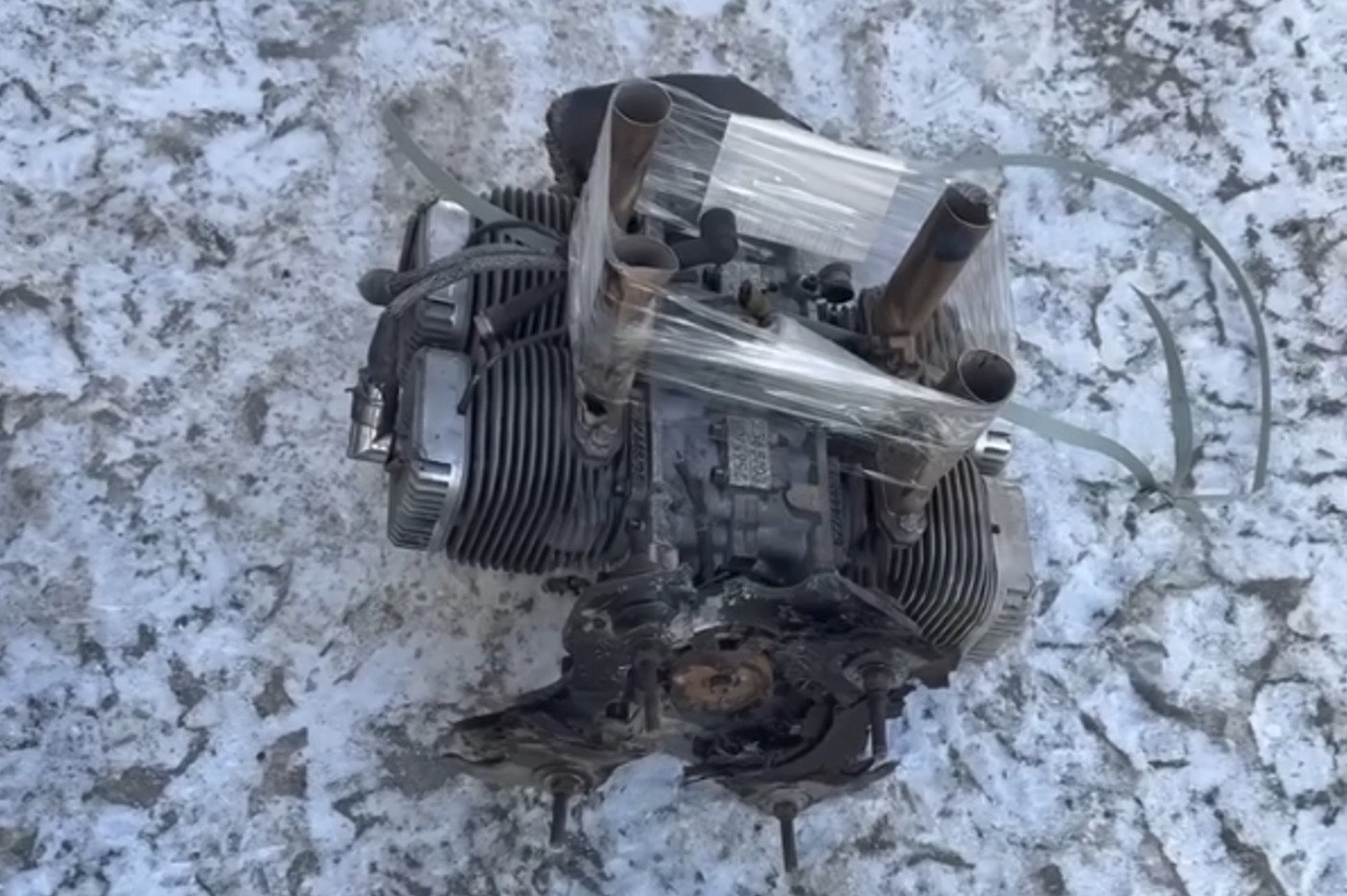
Russian and Chinese-produced engines used in Shahed drones have shown significantly lower performance compared to the original Iranian versions, according to Ukraine’s Zampotekh Foundation, a volunteer organization involved in repairing engines recovered from downed drones.
The Russian-made MD550 engines typically last only 4 to 5 engine hours—enough for one or two flights—while some Chinese versions reportedly function for as little as 1.5 to 2 hours before mechanical failure.
In contrast, Iranian MD550 units can operate for more than 20 hours, the foundation told Ukrainian media on February 4.
According to the organization, “The Russian engine works for a maximum of 4–5 hours. Only the Chinese version is worse—it flies for 1.5 to 2 hours before seizing up.”
Engine hours, also known as “motor hours,” are used in aviation and drone operations to track the cumulative time an engine has run, helping guide maintenance cycles and component replacements.
The MD550 is a two-stroke, four-cylinder piston engine used in the Shahed-136 one-way attack drone. Its Iranian variant is believed to be a near-copy of the German-made Limbach L550, originally developed in 1987 for motor gliders.
Versions of the MD550 adapted for drone use often include an integrated alternator to supply electrical power to onboard systems. Iranian-made units recovered in Ukraine require parts from at least three different engines to restore a single functioning unit, Zampotekh reports.
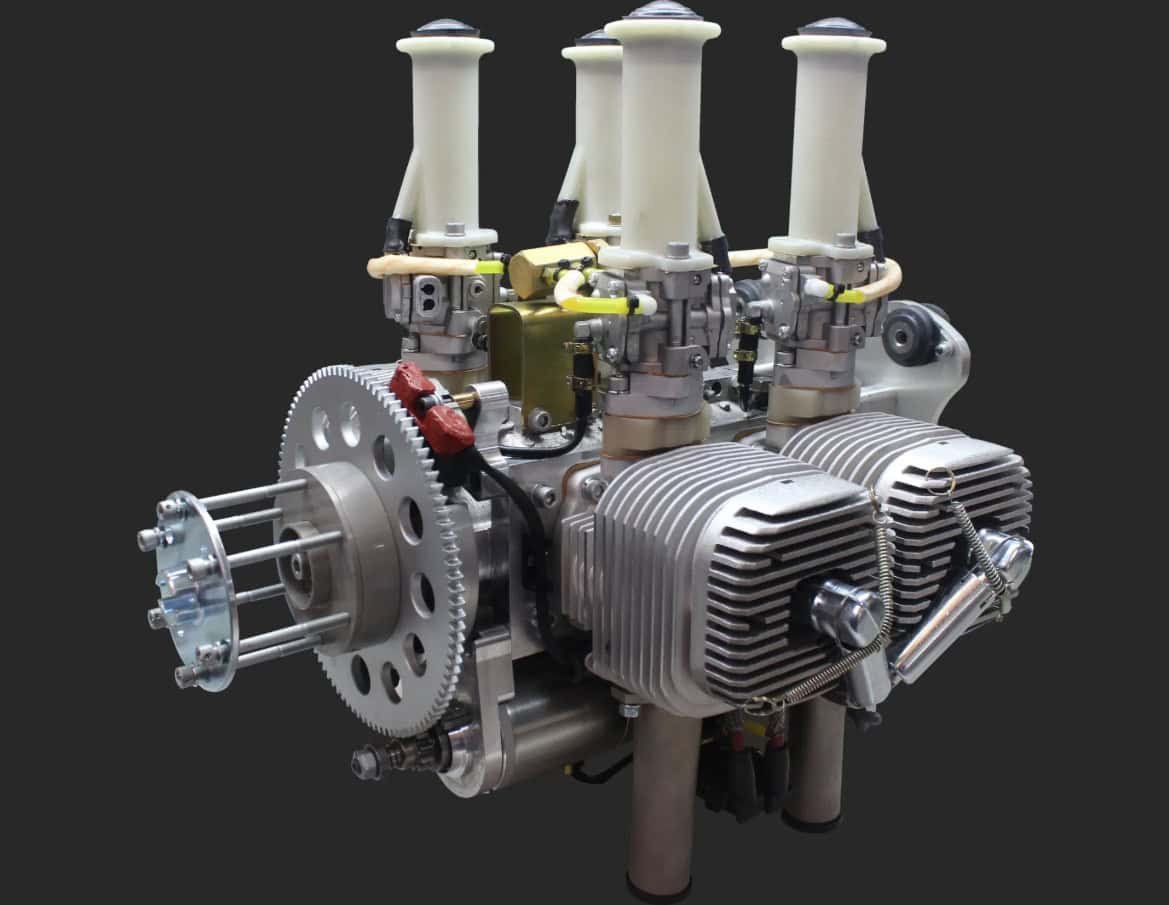
“The problem is that there are very few of them,” the foundation noted. “To assemble one working engine, you need at least three of the same kind.”
Russian engineers reportedly simplified the MD550 design in 2024 by removing key components such as the starter and flywheel, allowing for reduced production costs. This approach has helped facilitate higher-volume drone manufacturing despite the drop in technical quality and operational endurance.
The disparity in engine quality comes as Russia continues its domestic production of Shahed-type drones under license or reverse engineering, following initial deliveries from Iran in 2022.
Earlier in November, Ukrainian forces captured an intact Russian-Iranian Shahed-3 drone, revealing a Mesh network modem for long-range control, a Chinese Telefly JT80 engine, and 45 foreign-made components—half reportedly sourced from the US, with others from China, Germany, the UK, and Japan.
Discuss this article:
-4a56a6b482ec132402c16ef6fcabf9a2.png)