Category
Latest news

Russian Shahed Launch Sites Built in Weeks—A New Challenge for Ukraine’s Defenses

3 min read
Authors
Photo of Ivan Khomenko
News Writer
Russian Shahed Launch Sites Built in Weeks—A New Challenge for Ukraine’s Defenses
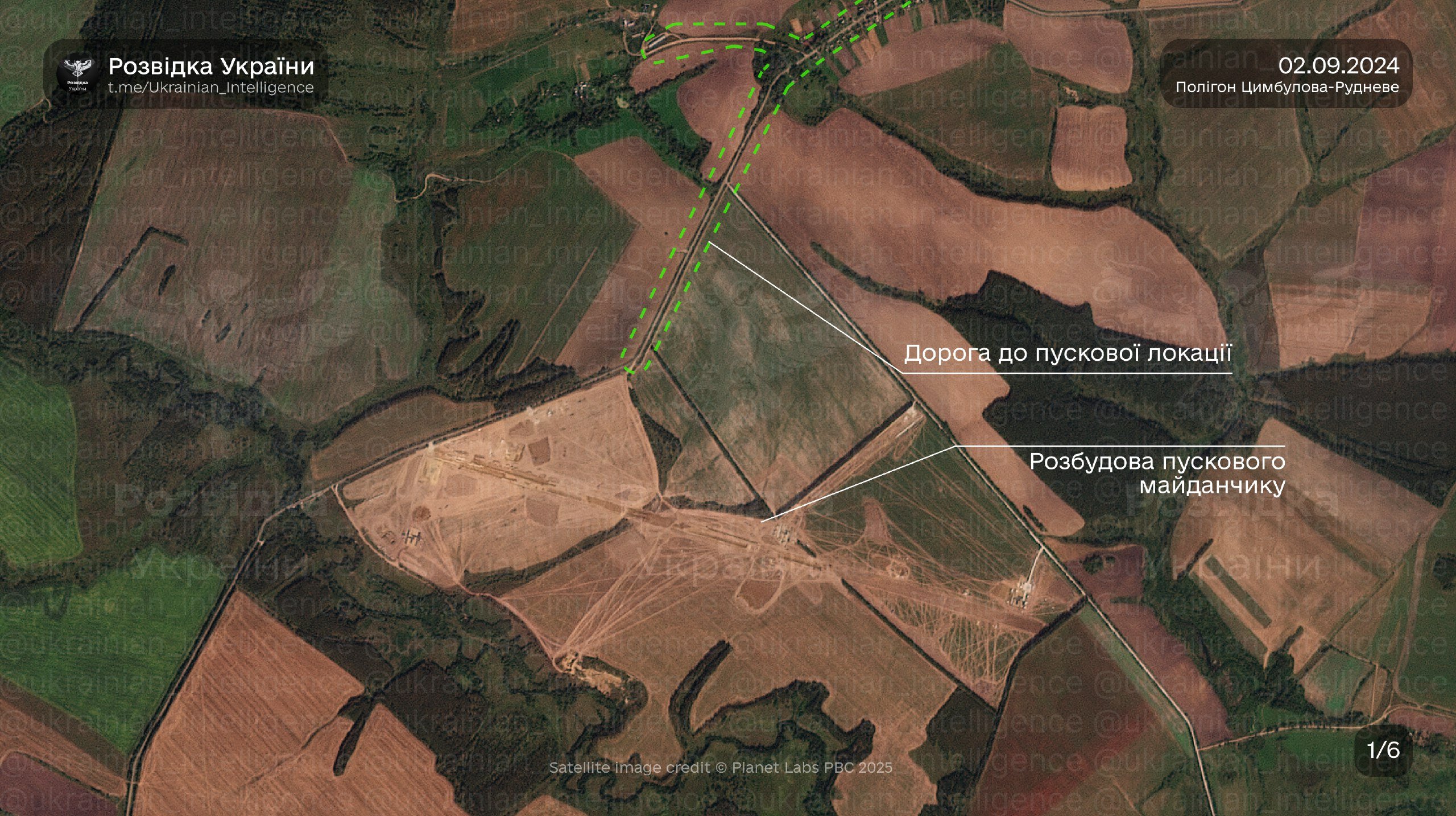
Satellite image dated September 2, 2024, shows construction of a launch site access road and launch pad near Tsymbulova, Oryol region, Russia. (Source: Ukrainian Intelligence via Telegram / Planet Labs PBC 2025)

Russia is capable of constructing new Shahed launch sites in just a few weeks, raising questions about how—and with what—such facilities could be neutralized.

According to Defense Express on August 11, satellite imagery analysis of launch sites in Bryansk and Oryol regions shows that construction began in summer 2024, with the first launches carried out in October the same year.

The sites are located near the settlements of Navlya, 66 kilometers from the Ukrainian border, and Tsymbulovo, about 176 kilometers away. Both include roads for vehicle-based drone launches, stationary launchers with boosters, shelters, and storage facilities for drones.
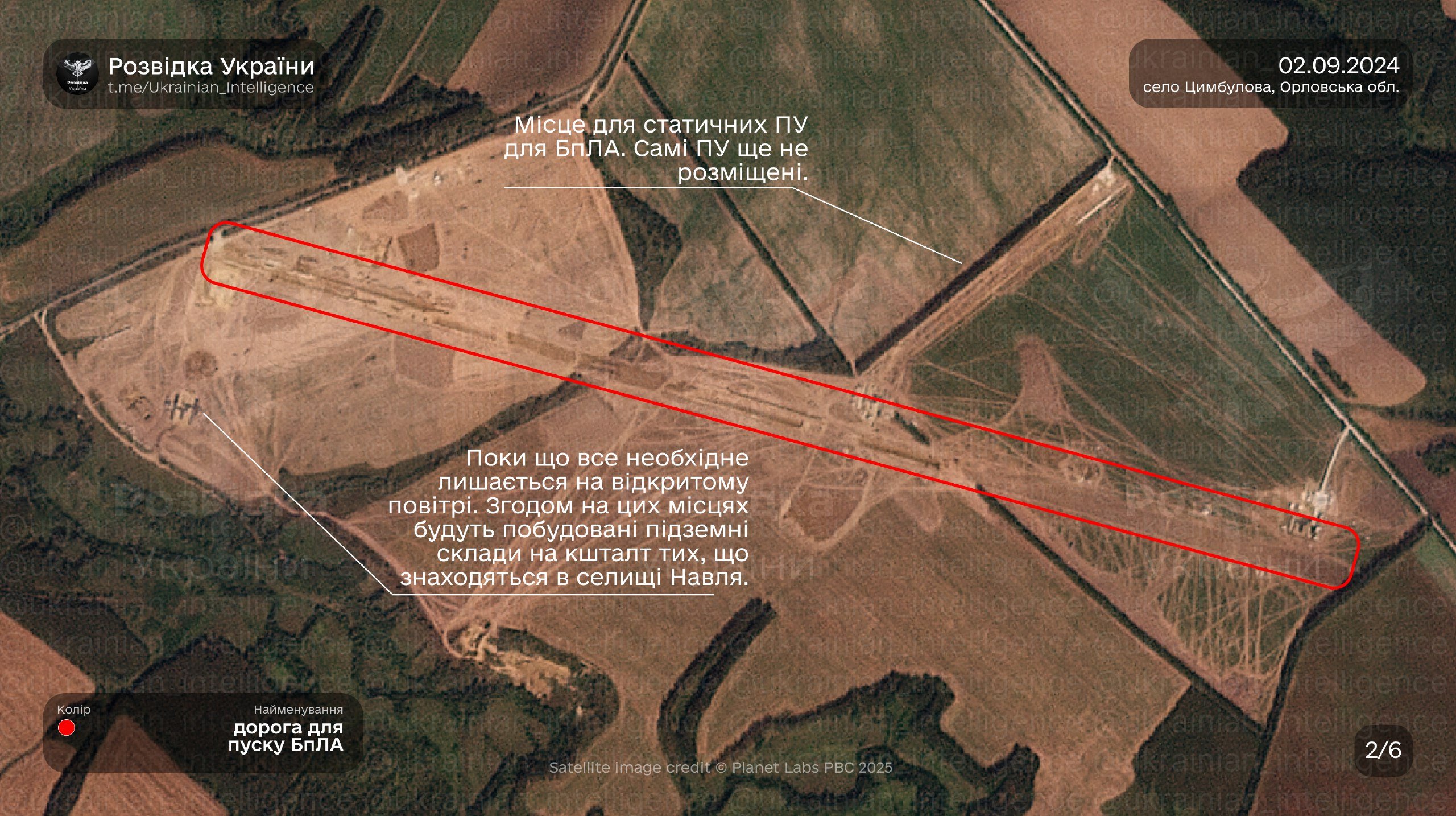
September 2, 2024, imagery reveals an open-air drone launch strip under development in Tsymbulova, with plans for underground storage similar to those in Navlya. (Source: Ukrainian Intelligence via Telegram / Planet Labs PBC 2025)
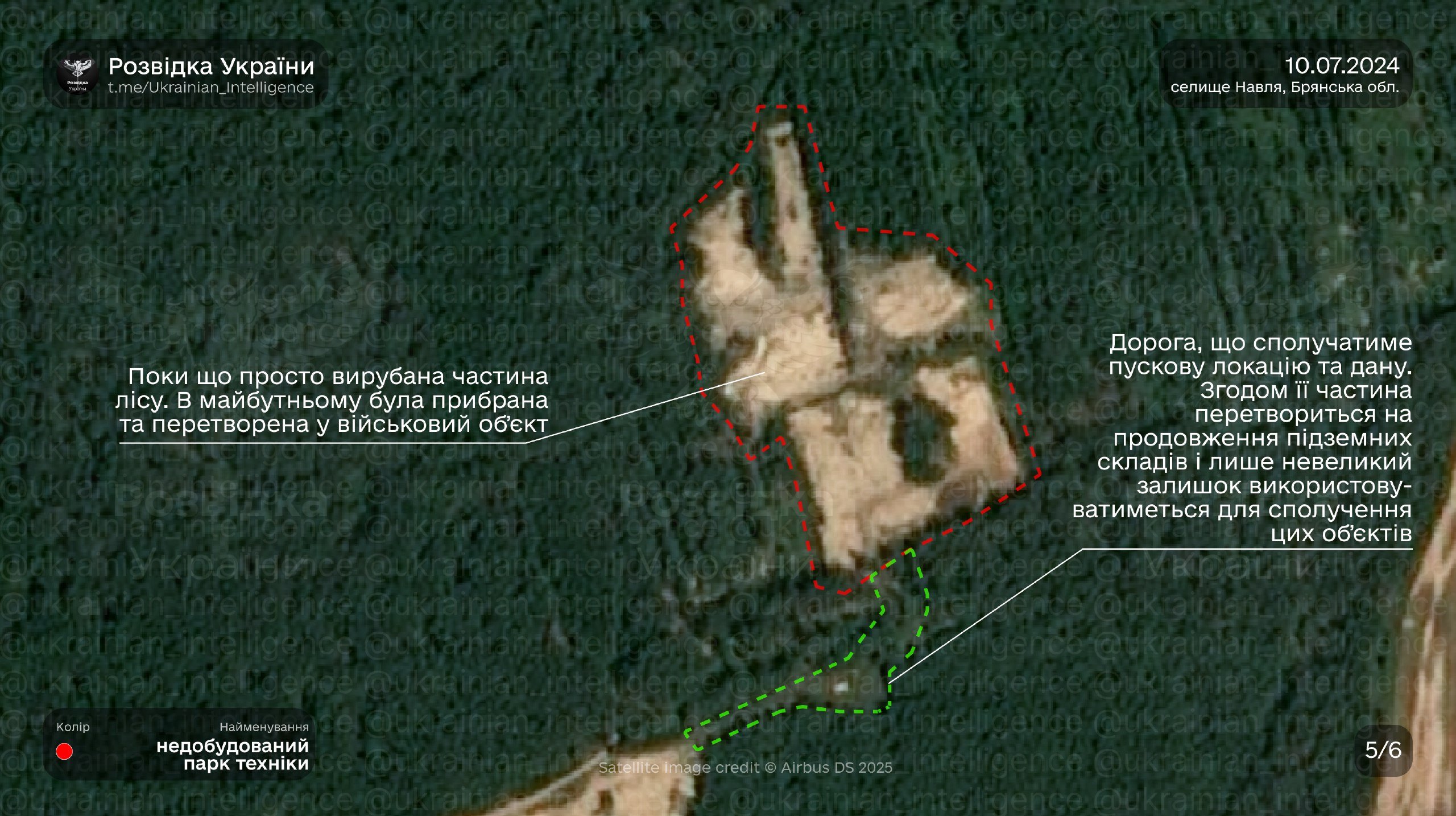
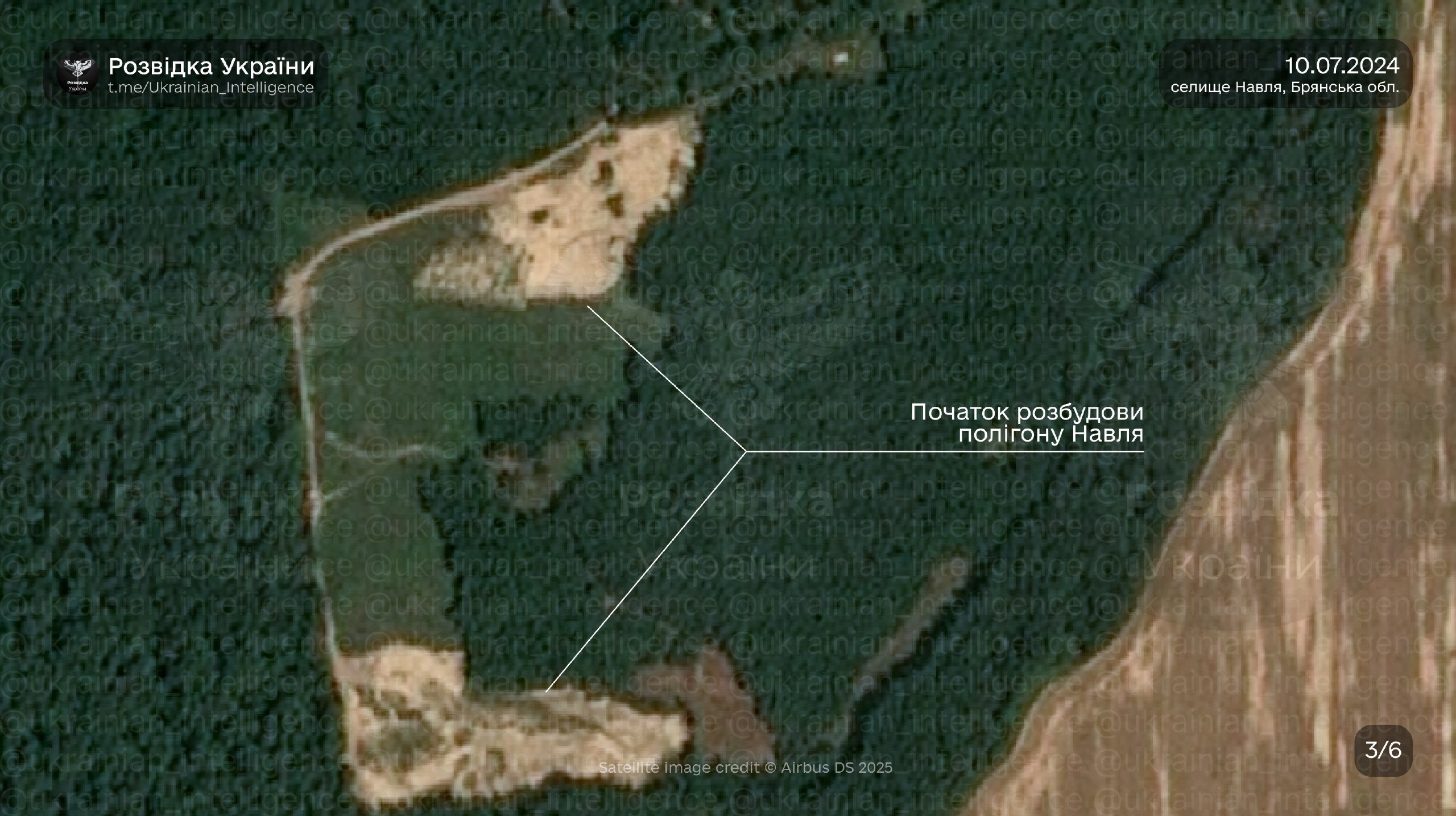
July 10, 2024, satellite view captures the early stages of launch site construction in Navlya, Bryansk region, Russia. (Source: Ukrainian Intelligence via Telegram / Planet Labs PBC 2025)
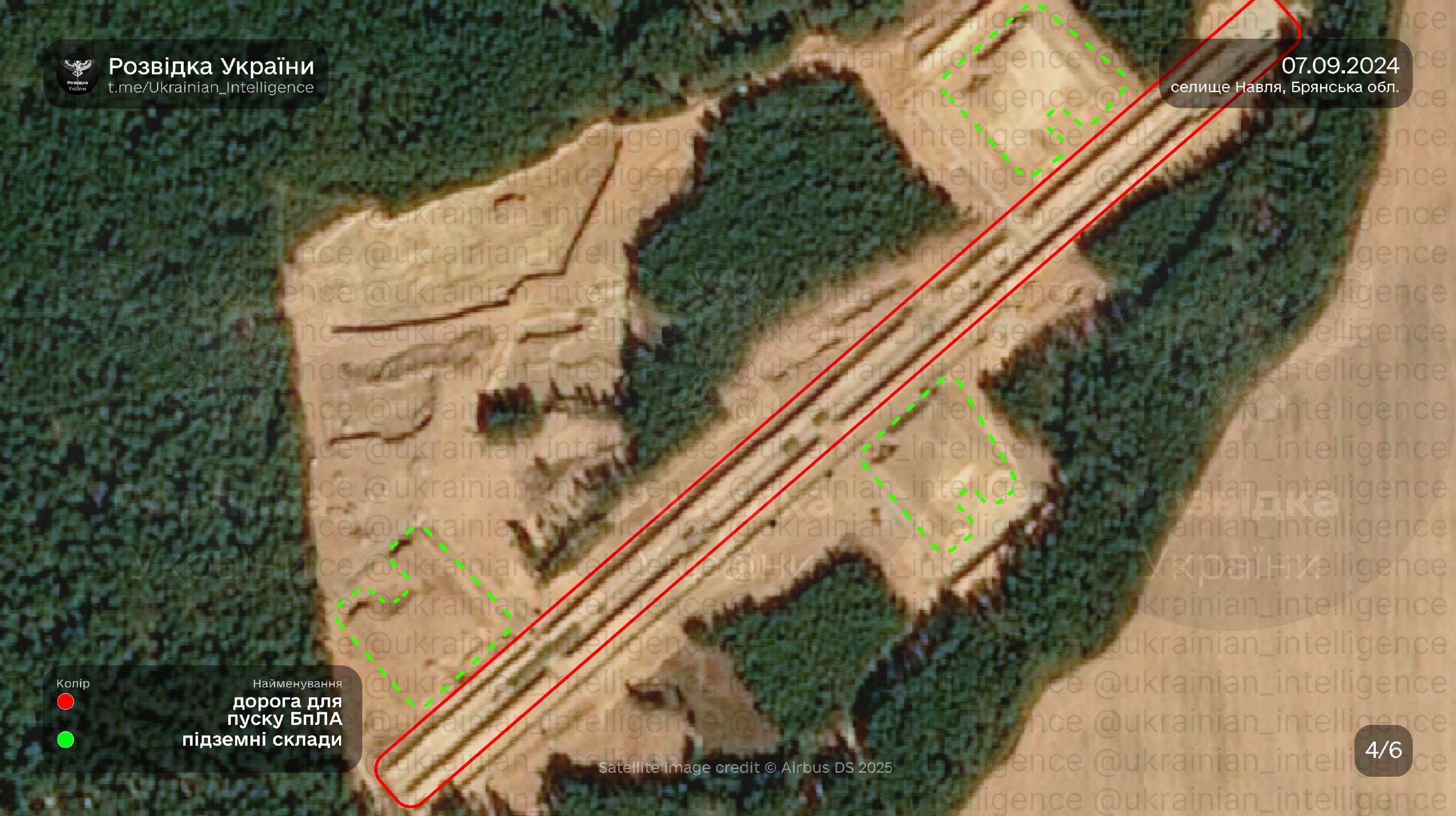
September 7, 2024, imagery shows a completed drone launch strip in Navlya, with multiple underground storage facilities marked. (Source: Ukrainian Intelligence via Telegram / Planet Labs PBC 2025)
July 10, 2024, image depicts a cleared forest area in Navlya planned for conversion into a military site, with a connecting road to the launch location. (Source: Ukrainian Intelligence via Telegram / Planet Labs PBC 2025)

In Bryansk region, work started in mid-July 2024, with a launch road and initial infrastructure ready by early August. Protected drone storage was completed by mid-September.

In Oryol region, construction began on August 20, with the road and launch pads in place by early September and the site operational by late that month. Full build time for a functional launch site was roughly one month, though upgrades such as underground drone hangars were added later.
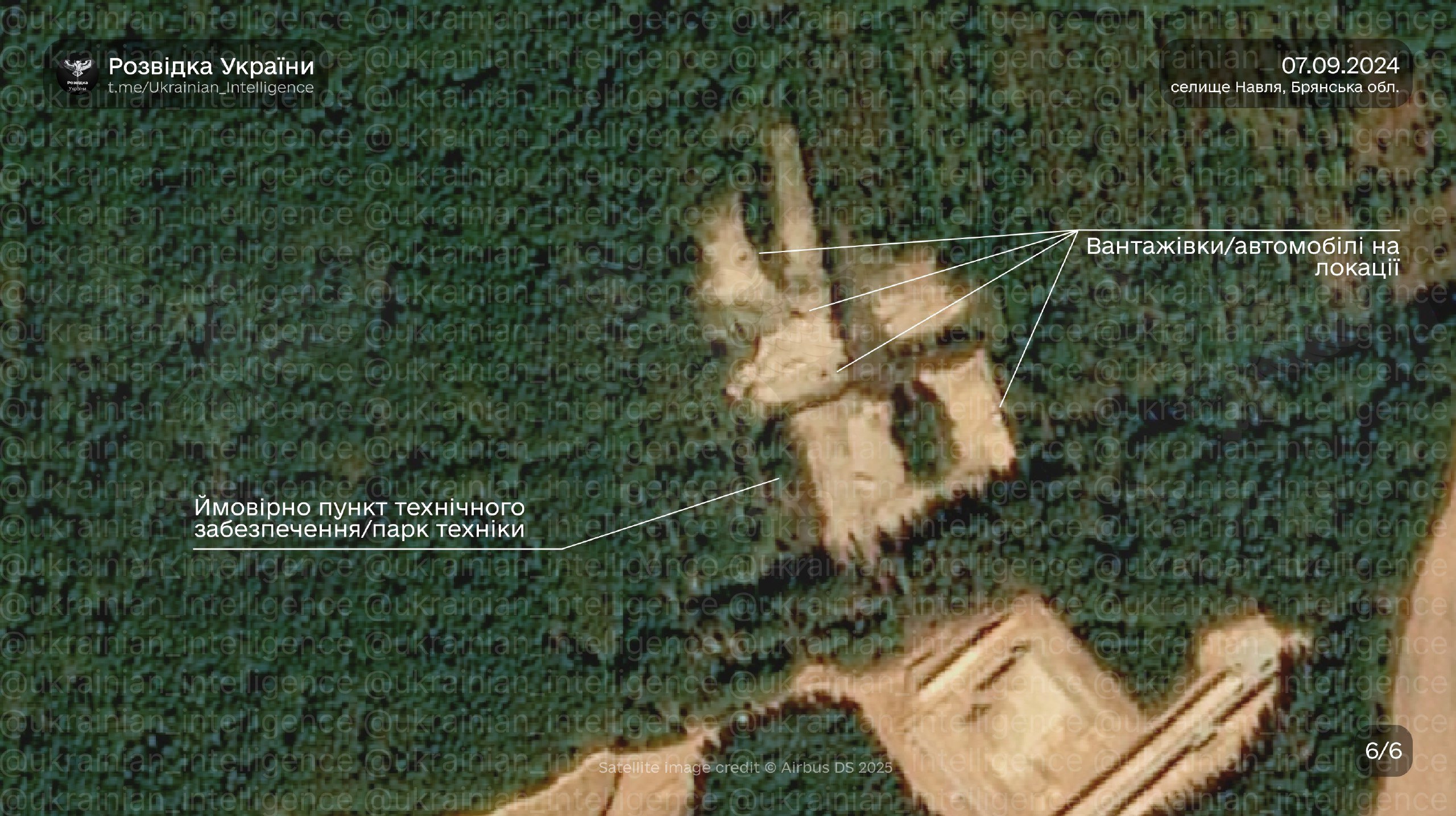
September 7, 2024, satellite image highlights a probable technical support area in Navlya, with visible trucks and vehicles on site. (Source: Ukrainian Intelligence via Telegram / Planet Labs PBC 2025)

While these facilities are within range of long-range drones and missiles, experts note that striking roads or launch platforms would have limited impact. The primary targets would be drone storage facilities, which require precise strikes with sufficiently powerful warheads.

Another potential tactic could involve cluster munitions or remote mining to disrupt operations, but such strikes would require systems with adequate range and payload, as well as the ability to overcome Russian air defense and electronic warfare in the area.
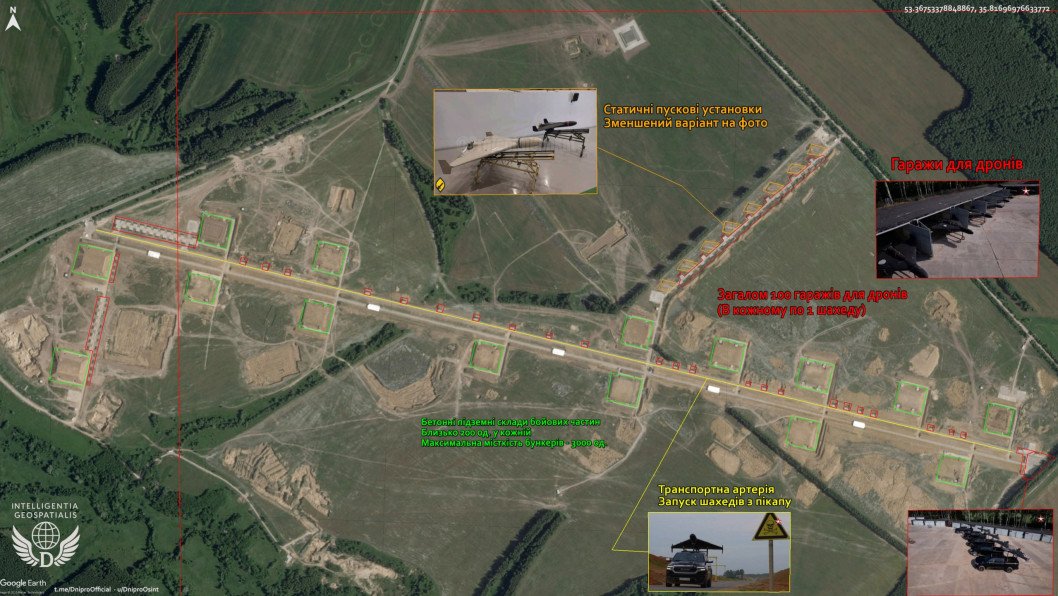
The speed of construction means Russia could deploy new Shahed launch points in various regions with minimal notice, complicating detection and preemptive action.

Earlier, satellite imagery and open-source analysis indicated that Russian forces were rebuilding parts of the destroyed Donetsk Airport to host Iranian-designed Shahed drones, with new UAV shelters, control stations, and runway preparations spotted alongside construction at nearby commercial sites.

See all

Help Us Break Through the Algorithm

Your support pushes verified reporting into millions of feeds—cutting through noise, lies, and manipulation. You make truth impossible to ignore.