- Category
- Latest news
Russians Turn to Tourist eSIM Cards to Bypass Internet Restrictions Amid Growing Censorship
 Prefer U24 Media on Google
- Authors


Amid growing internet restrictions in Russia, citizens have begun using tourist eSIM cards to bypass geo-blocked resources, relying on roaming services and IP addresses from other countries through GTP tunneling.
According to The Moscow Times on April 2, these workarounds allow users to access restricted content despite geo-location limitations.
We bring you stories from the ground. Your support keeps our team in the field.
According to reports, the use of eSIM cards has become a common method for circumventing internet restrictions, although these solutions are not foolproof. Since the autumn of 2025, issues have arisen for foreign tourists attempting to access mobile internet in Russia while using foreign eSIMs and SIM cards.
Many users are acquiring these eSIMs directly from foreign operators or through intermediaries. Dozens of Telegram bots have been created to facilitate these transactions, the outlet reported.
For an average price of $20 per month, users receive around 35 GB of data. Available SIM and eSIM cards come from countries like Germany, France, Italy, Spain, the UK, Japan, South Korea, the US, the UAE, and Turkey.

Despite the high cost, demand for these services continues to grow, with users typically opting for minimal internet packages and numbers dedicated to receiving SMS messages. These eSIMs are also used for two-factor authentication during registration on platforms like TikTok and ChatGPT, as well as for accessing accounts in foreign banks.
The move comes, as Russian officials are increasingly using separate phones and SIM cards to install the state-backed messaging app Max, revealing a deep-seated distrust of the platform among government employees, lawmakers, and managers of state-owned enterprises.
According to the report, officials have been instructed to adopt the national messaging app, presented as an alternative to Telegram. However, many officials are reluctant to install the app on their personal devices. As a result, they are opting to purchase separate smartphones and “clean” SIM cards, dedicated solely to using the application.
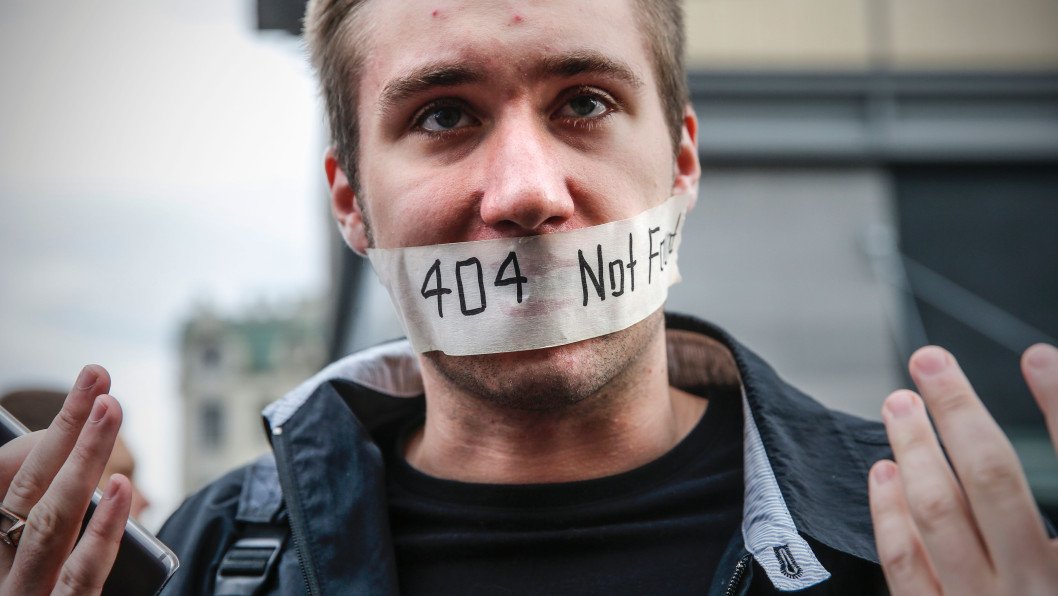
“Everyone thinks that if you install Max on your phone, it’s the same as handing it over to the FSB,” one source close to the Russian government remarked, reflecting the unease surrounding the app.
Some officials reportedly register for the app using their regular phone numbers but prefer using separate devices for the app. The more cautious individuals are avoiding syncing contacts from their personal phones with the app, treating the additional phones as work-only tools for communication with colleagues.
In 2025 alone, Russian telecom providers deactivated 18.45 million SIM cards following a request from Roskomnadzor , reflecting a 76% increase from the previous year.
A representative from Roskomnadzor explained that the SIM card deactivations were due to violations of communication regulations, such as the use of incorrect subscriber data, missing information for foreign users in the Unified Biometric System, and instances where the number of SIM cards per subscriber exceeded the allowable limit.
Discuss this article:
-9a7b3a98ed5c506e0b77a6663f5727c5.png)