- Category
- Latest news
Russia’s Drone War Falters as Ukraine Strikes Shahed Factories and Supply Lines
 Prefer U24 Media on Google
- Authors


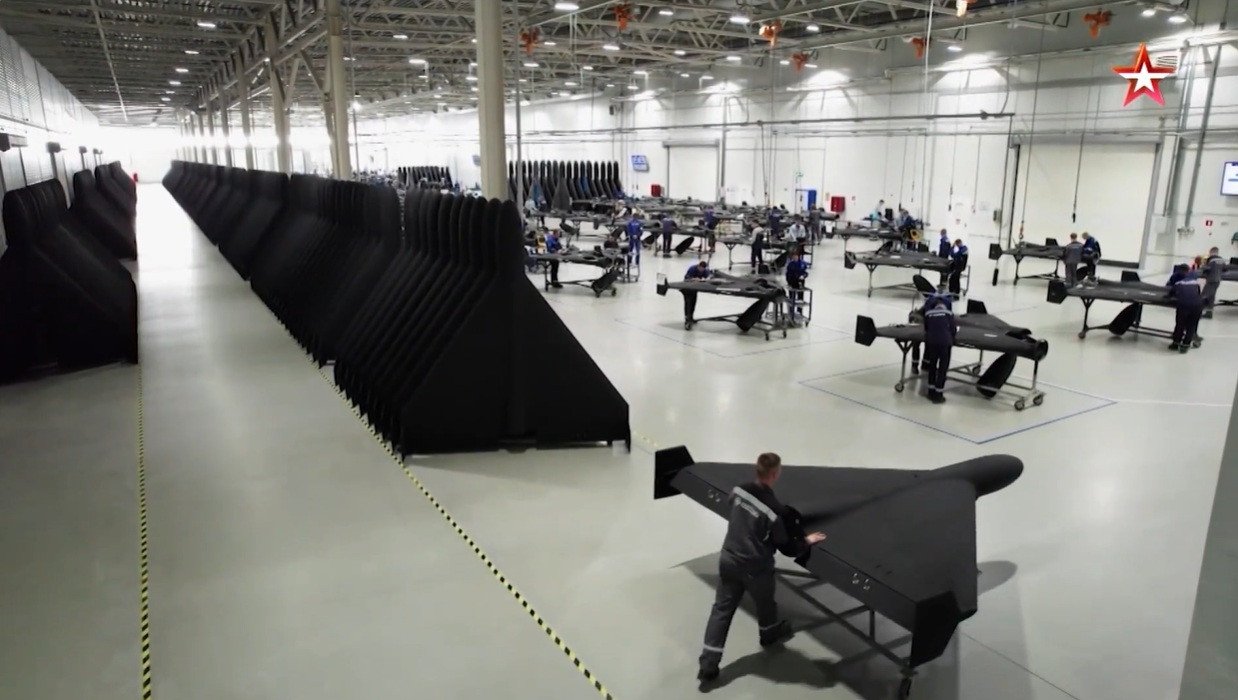
Ukrainian Defense Forces significantly reduced the scale of Russian Shahed drone launches in August through strikes on production sites and storage facilities.
According to Militarnyi on September 1, these operations lowered the number of Shahed attacks from more than 6,300 in July to just over 4,100 in August, marking a decrease of about 35%.
The data indicates that Ukrainian strikes against Russian manufacturing hubs and logistics warehouses disrupted both production and supply chains for Shahed drones.
The reduced launch rate also points to difficulties in stockpiling these drones. Russian forces continued to attempt mass launches, typically every three to four days, but the scale of such attacks diminished compared to previous months.
In July, Russian forces managed to amass and deploy more than 700 drones in a single large-scale strike, while in August the largest attacks involved around 100–120 drones. During accumulation phases in August, Russia launched no more than 50–60 drones at a time, roughly half the intensity seen earlier in the summer.
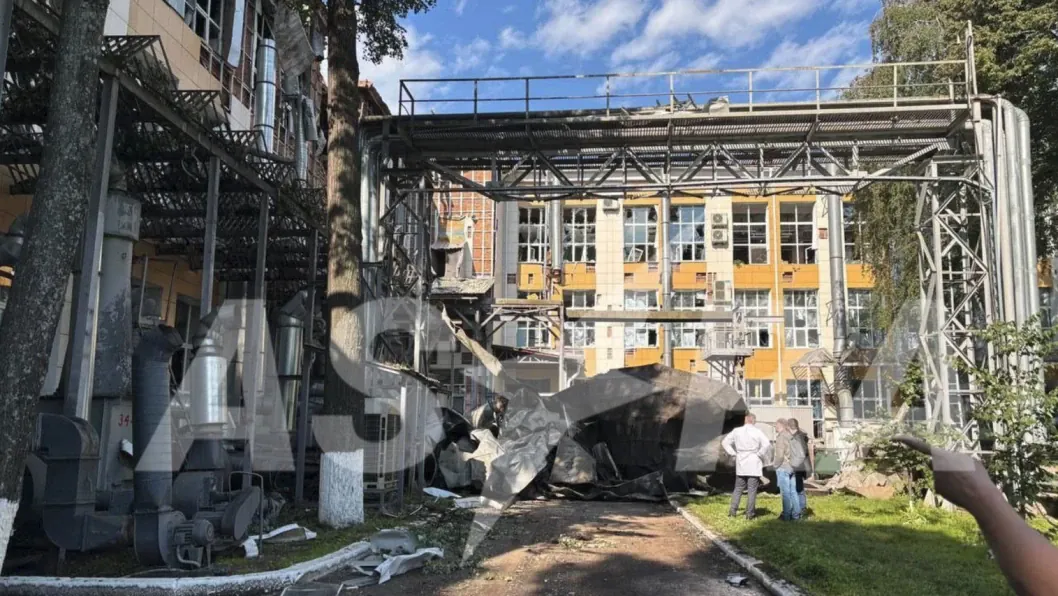
Several key strikes contributed to this decline. In early July, Ukrainian forces hit the Izhevsk Electromechanical Plant “Kupol,” destroying four workshops involved in microchip assembly and drone production.
Additional strikes targeted a Rostec-affiliated facility producing warheads for Shahed drones in Moscow Oblast, as well as the Krasnozavodsk Chemical Plant, a manufacturer of thermobaric munitions.
Beyond production sites, Ukraine also disrupted logistics. On August 14, Defense Forces sank a vessel in the Caspian Sea that was transporting Shahed components from Iran to the Russian port of Olya. Later in August, Ukraine’s Security Service (SBU) struck a major Shahed storage hub in Tatarstan twice, destroying large reserves of drones and components.
Satellite imagery confirmed at least six direct hits on the site, which supplied materials to the Alabuga special economic zone, one of Russia’s key drone assembly centers.
Following these operations, Russia’s daily use of Shahed drones declined sharply. By the end of August, instead of launching hundreds per day, Russian forces were deploying only several dozen.
According to Ukraine’s Air Force, the total number of Shaheds launched over June–August reached nearly 12,000, but August alone showed a clear reduction.
Ukrainian officials assess that Russian production currently stands at around 170 Shaheds per day, with plans to raise output to 190 by year’s end. However, given the sustained strikes on production and logistics, these targets may not be met.
The August statistics suggest that Russia is finding it increasingly difficult to stockpile drones for large-scale strikes on Ukraine.
Earlier in August, Ukraine carried out a series of deep strikes on Russian oil infrastructure, targeting at least ten major refineries—including facilities in Samara, Volgograd, Saratov, and Krasnodar Krai—as part of a sustained effort to degrade Russia’s refining capacity within a 1,000-kilometer range.
Discuss this article: