- Category
- Latest news
Russia's Exports Fall by $20 Billion in H1 2025, Oil Prices and Gas Transit Impacted
 Prefer U24 Media on Google
- Authors

-72b63a4e0c8c475ad81fe3eed3f63729.jpeg "Photo of Cyril Barabaltchouk")
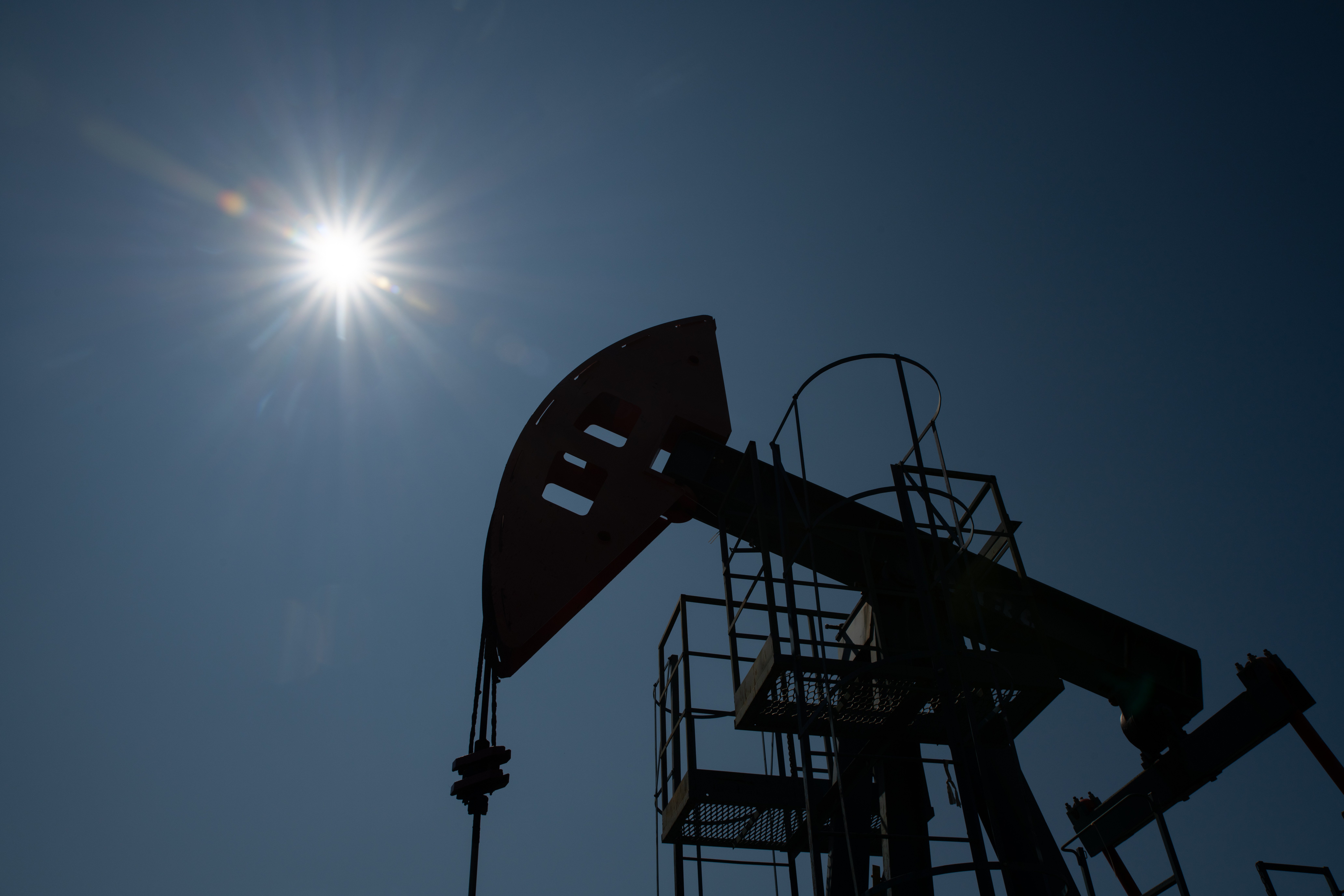
Russia's raw material exports have dropped by over $20 billion in the first half of 2025, largely due to falling oil prices and the cessation of gas transit through Ukraine. According to data from the Russian customs service, mineral products, including oil, saw a significant decline, falling to $110.1 billion in the first six months of 2025 from $131.4 billion in the same period the previous year, according to a report conducted by The Moscow Times on August 12.
Overall, Russia's total exports decreased by $13.3 billion, from $208.8 billion to $195.5 billion. While food exports decreased by $3 billion, there was a rise in chemical products, machinery, and equipment exports by a similar amount, along with an increase of $4.2 billion in metal exports.
Despite these gains, raw materials still make up the majority of Russia's exports, accounting for 56.3% of total exports in the first half of 2025, down from 62.9% last year, according to The Moscow Times.
The drop in oil exports is a key contributor to the overall decline, with the price of Russian Urals crude dropping from $67.7 per barrel in January to $59.8 per barrel in June. This decrease comes after US President Donald Trump launched his tariff program in April, further driving down global oil prices.

The Central Bank of Russia anticipates that oil prices will remain lower in the next few years, with the price of oil in 2025–2026 projected to be below 2024 levels. As a result, the Central Bank has revised its export forecast, predicting a total export value of $410 billion for the year, down from $433 billion in 2024.
While Russia’s manufacturing exports showed stronger-than-expected performance, reflecting successful reorganization of trade relations and a gradual recovery in external demand, the manufacturing export climate index remains in the negative zone. The index stood at 93.7% in June, a modest improvement over the previous months but still below the break-even point, The Moscow Times claims.
On the import side, Russia experienced a slight increase in imports, rising by $1.1 billion to $131.6 billion. Notably, food imports grew by nearly 15%, from $18 billion to $20.6 billion, and chemical products increased from $25 billion to $26.7 billion.
However, machinery and equipment imports, which make up the largest share of Russian imports, decreased by $3.2 billion to $63 billion.
The combination of lower exports and stable imports has reduced Russia's trade balance surplus to $63.9 billion for the first half of 2025. Despite the decline in exports and lower oil prices, the ruble has strengthened due to reduced capital outflows and expectations of a potential end to the war.
However, analysts predict that the ruble will weaken by the end of the year, with exchange rate projections pointing to a range of 90-95 rubles to the US dollar.
The drop in exports and a stronger ruble have had a significant impact on government revenues. In May, the Russian government revised its budget, lowering the average price of Urals oil from $69.7 to $56 per barrel. As a result, oil and gas revenues were reduced by $32.6 billion, and total revenues fell by $22.5 billion. The Russian government is now preparing further amendments to the budget, which will be presented alongside the draft budget for the next year, The Moscow Times concluded.
Earlier, it was reported that Russia’s manufacturing sector contracted in July at the fastest rate since the early days of its full-scale war against Ukraine, according to a business survey published by Reuters, citing S&P Global.
Discuss this article:



-c439b7bd9030ecf9d5a4287dc361ba31.jpg "Photo of Katherina Popilnichenko")