- Category
- Latest news
Russia’s New Bill Could Force Banks to Share Payment Data With Federal Tax Service
 Prefer U24 Media on Google
- Authors


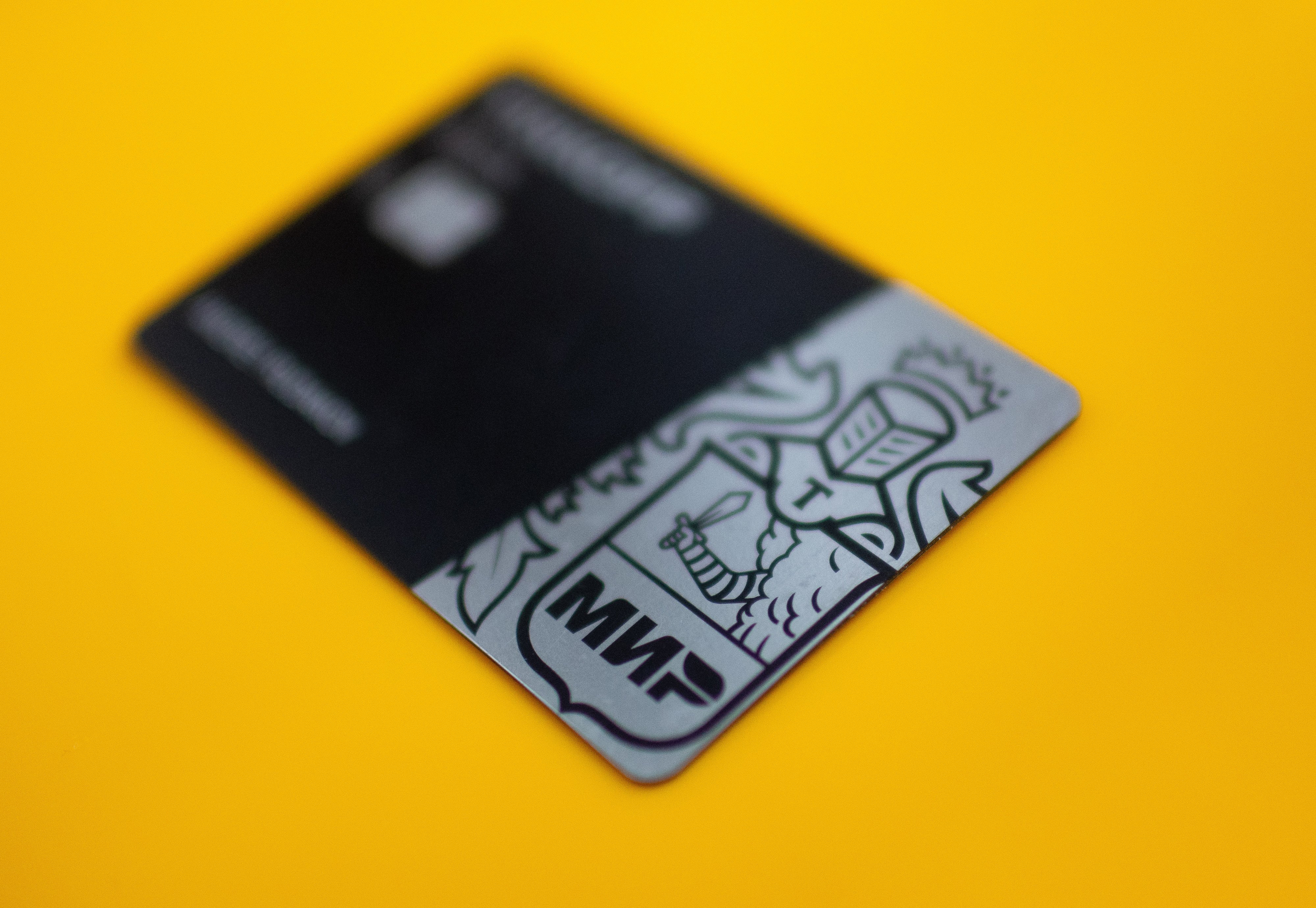
Russian authorities are set to require banks to provide the Federal Tax Service (FTS) with information on all cashless payments made by Russian citizens to companies and individual entrepreneurs, including the taxpayer identification numbers (TINs) of both the payer and the recipient.
The relevant bill, drafted by the government, has been submitted for consideration to the State Duma , according to Interfax on March 31, which cited the parliamentary database.
We bring you stories from the ground. Your support keeps our team in the field.
The initiative involves amendments to laws governing the use of cash registers and banks and banking activities. The explanatory note for the draft bill highlights that the new approach would allow the government to track 99% of cashless payments.
“Should the project be implemented in 2026, with phased implementation, it is expected that an additional 100 billion rubles in tax revenue will be generated,” the document states.
Specifically, the budget would receive around $250 million in 2027, $623 million in 2028, and $374 million in 2029. If adopted, the law would come into effect 10 days after its official publication. A transition period will be set for banks and users of cash registers to carry out necessary organizational and technical measures. This transition period will last until August 1, 2027.
-5fd29ada6cceba1537fd414500eb4165.jpg)
Under current legislation, after a citizen makes a cashless payment for goods or services, the seller is required to issue a cash receipt and send it to the FTS through a fiscal data operator. The receipt is provided to the buyer either on paper or electronically via a phone number or email address.
However, banks currently do not send any information about payments made by individuals to sellers to the tax authorities. Therefore, the FTS only has data from receipts issued by sellers. If the seller does not issue a receipt or underreports the amount, the FTS is not informed, according to the explanatory note for the draft bill.
Once the amendments are passed, the FTS will receive two streams of data: from financial institutions and from sellers. This will allow the tax authorities to cross-reference the data to identify underreported income. Additionally, the process for receiving receipts will change.

Currently, the seller provides a receipt to the buyer on paper or sends it to their phone or email address. Under the new system, the seller will issue the receipt to the FTS, which will then forward it to the buyer’s bank. The buyer will be able to view their receipts through the bank’s mobile app, where all receipts for purchases will be stored for three years. Buyers will also have the option to opt-out of receiving receipts from the FTS and can prevent the transmission of their TIN during transactions.
In addition, Russian banks have recently started freezing money transfers between individuals based on comments left in the payment details, following the activation of automated systems designed to flag potentially risky phrases.
According to the Association of Russian Banks, approximately 22% of peer-to-peer transfers are now subjected to additional checks due to the wording used in the “message to recipient” field. This marks a 15% year-on-year increase in blocked transfers as of 2025.

Transfers are typically flagged when comments indicate that an individual might be engaging in commercial activities using a personal bank account. Commonly flagged terms include phrases like “order,” “rent,” “payment for services,” and “payment for goods.” Any wording suggesting a business-related transaction often leads to the transfer being blocked.
At the same time, Russians are facing issues with their bank cards and accounts being blocked when attempting to pay for international tours. According to the Russian Association of Tour Operators, this issue has emerged due to increased scrutiny of transactions made through the Fast Payment System as part of the government’s efforts to combat financial fraud.
The primary goal of these regulations is to prevent fraudulent schemes involving transfer chains between individuals. The Fast Payment System has become a focal point for these efforts, with heightened oversight aimed at reducing risks related to illicit financial activities.
Discuss this article:



-6ff4efaedd2092e0205aad37f9e7b98a.jpg "Illustrative image. US F-16 and Polish MiG-29 over Poland, 2005.")