- Category
- Latest news
Russia’s “New” Chrysanthemum-M Missile Looks Familiar—Very Familiar
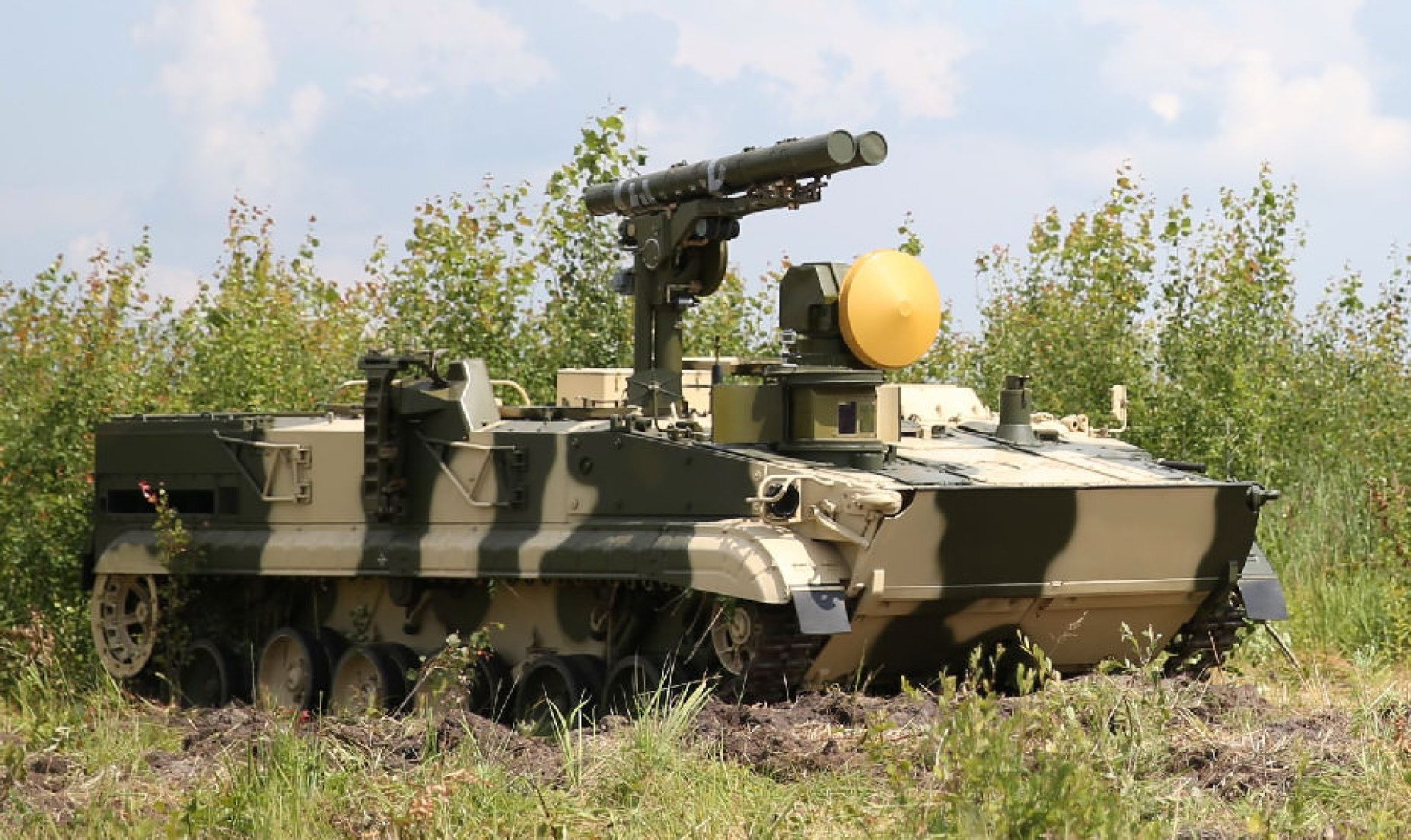
Russian defense media are touting the Chrysanthemum-M anti-tank missile as a newly enhanced, supersonic weapon—but the missile has been supersonic since the 1990s.
 Prefer U24 Media on Google
- Authors




Russian state-linked media are once again promoting the upgraded 9M123M “Chrysanthemum-M” anti-tank guided missile (ATGM), claiming it now boasts extended range and supersonic speed.
However, much of the narrative appears to be recycled from years-old announcements, according to Defense Express on February 20.
We bring you stories from the ground. Your support keeps our team in the field.
The renewed publicity campaign cites Russia’s High-Precision Systems holding company, with several outlets portraying the missile as a major technological breakthrough.
Yet, as Defense Express noted on February 20, the so-called “modernized” 9M123M variant was first unveiled back in 2018 at the Army-2018 military forum—nearly eight years ago.
Extended range—but not a new concept
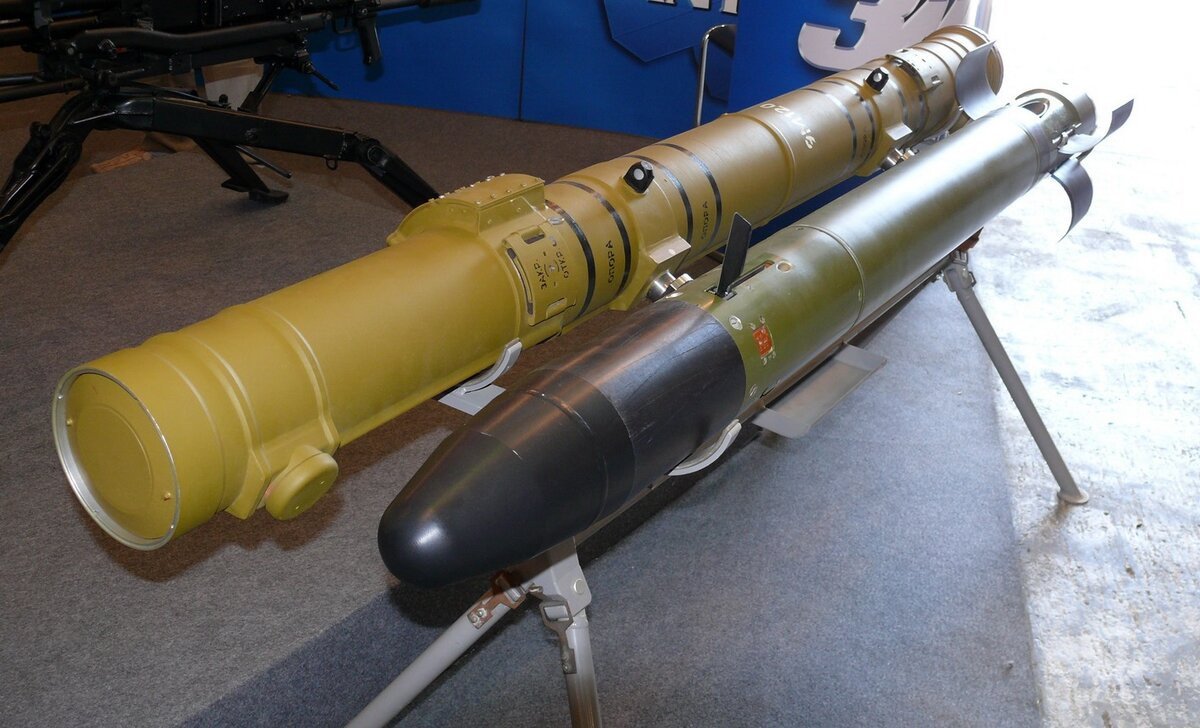
The updated Chrysanthemum-M reportedly increases its maximum engagement range to 10 kilometers, compared to roughly 6 kilometers in earlier versions.
The missile retains its dual warhead configurations: a tandem high-explosive anti-tank (HEAT) variant capable of penetrating up to 1,100 mm of armor, and a high-explosive fragmentation version. It also continues to use a dual-channel guidance system combining radar and laser tracking.
However, one of the most heavily advertised “innovations”—supersonic speed—is hardly new.
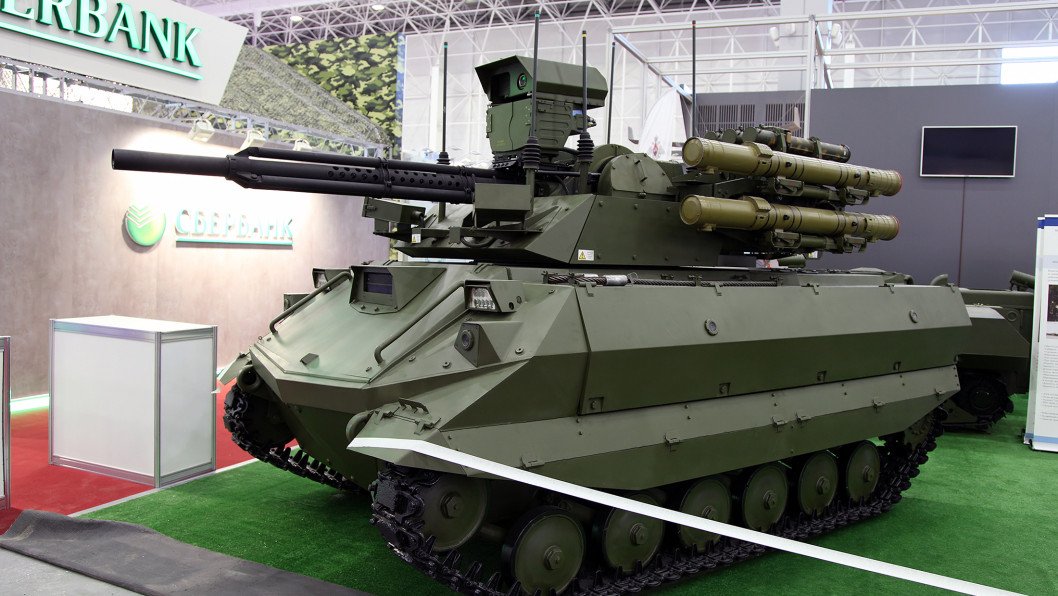
According to Defense Express, the original Chrysanthemum system was designed as a supersonic missile from the outset in the 1990s, with a flight speed of approximately 400 meters per second (around 1,440 km/h), which means that the missile has always been supersonic. That performance figure has not fundamentally changed through subsequent upgrades.
Old system, new messaging?
Defense Express suggests that the renewed attention around Chrysanthemum-M appears more like a repackaging effort than a genuine technological leap.
Nearly eight years after its public debut, Russian media are presenting the 9M123M’s increased range—and its long-standing supersonic capability—as if they were fresh breakthroughs.
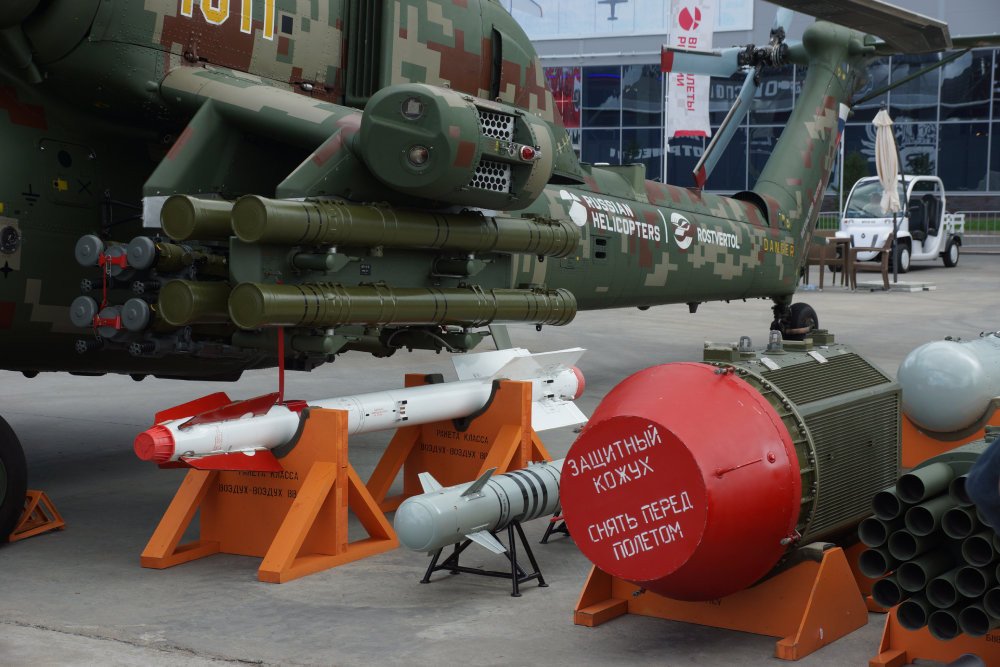
The Chrysanthemum-M missile is designed for use with the ground-based 9K123 Chrysanthemum-S/SM anti-tank system, as well as the helicopter-mounted Chrysanthemum-VM configuration installed on Mi-28NM and Ka-52M attack helicopters.
Battlefield relevance questioned
In the context of modern high-intensity warfare, the ground-based Chrysanthemum-S/SM system appears to have largely disappeared from the front lines. While the platform was observed in Ukraine during the early stages of the 2022 invasion, it has not featured prominently in recent combat reporting.
The helicopter-launched Chrysanthemum-VM variant may offer more practical utility, particularly with a claimed 10-kilometer engagement range.

However, the use of helicopters to launch anti-tank guided missiles has become increasingly rare in the current phase of the war, largely due to the dense air defense environment.
Earlier, Russia began testing an experimental anti-drone protection system based on rapidly rotating cables.
The prototype, reportedly assembled within Russia’s 70th Motor Rifle Regiment, was filmed in Russian state television footage and is said to be undergoing trials within the temporarily occupied parts of Ukraine’s Zaporizhzhia region.
Discuss this article:
-4a56a6b482ec132402c16ef6fcabf9a2.png)