- Category
- Latest news
From Hype to Humiliation: Putin’s Uran-9 “Robot Tank” Breaks Down Before Seeing Combat
 Prefer U24 Media on Google
- Authors

-111f0e5095e02c02446ffed57bfb0ab1.jpeg "Photo of Roman Kohanets")
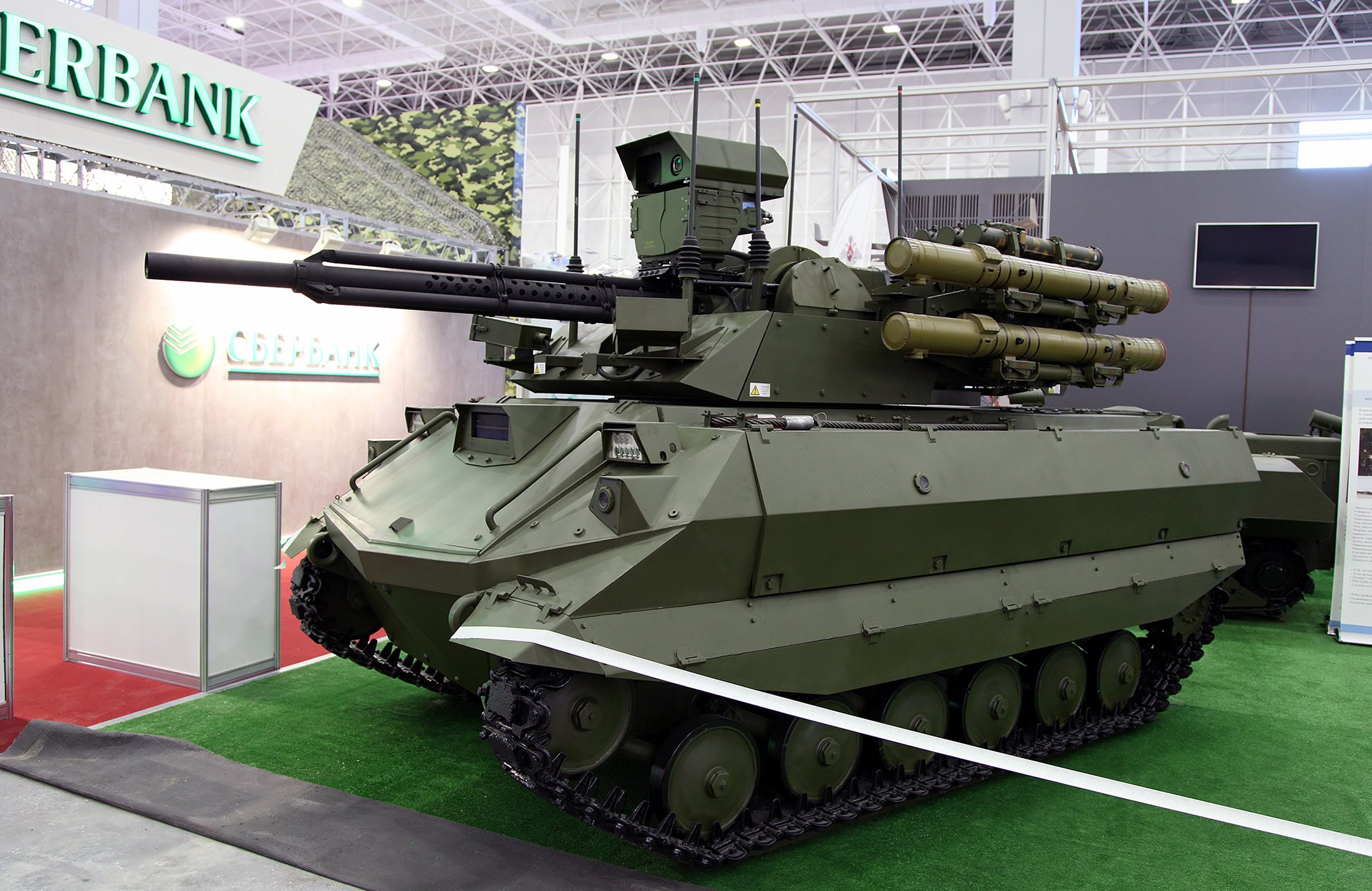
Uran-9 unmanned combat ground vehicle—once showcased by Russia’s defense industry as a flagship “robot tank”—has failed to meet its promised battlefield performance and has not been deployed in Ukraine despite years of publicity and claims of serial production, according to Defence Blog on October 13.
The platform, produced under the Rostec umbrella and introduced to great fanfare in 2016, was accepted into service in 2019 even after significant shortcomings were documented during earlier combat trials in Syria.
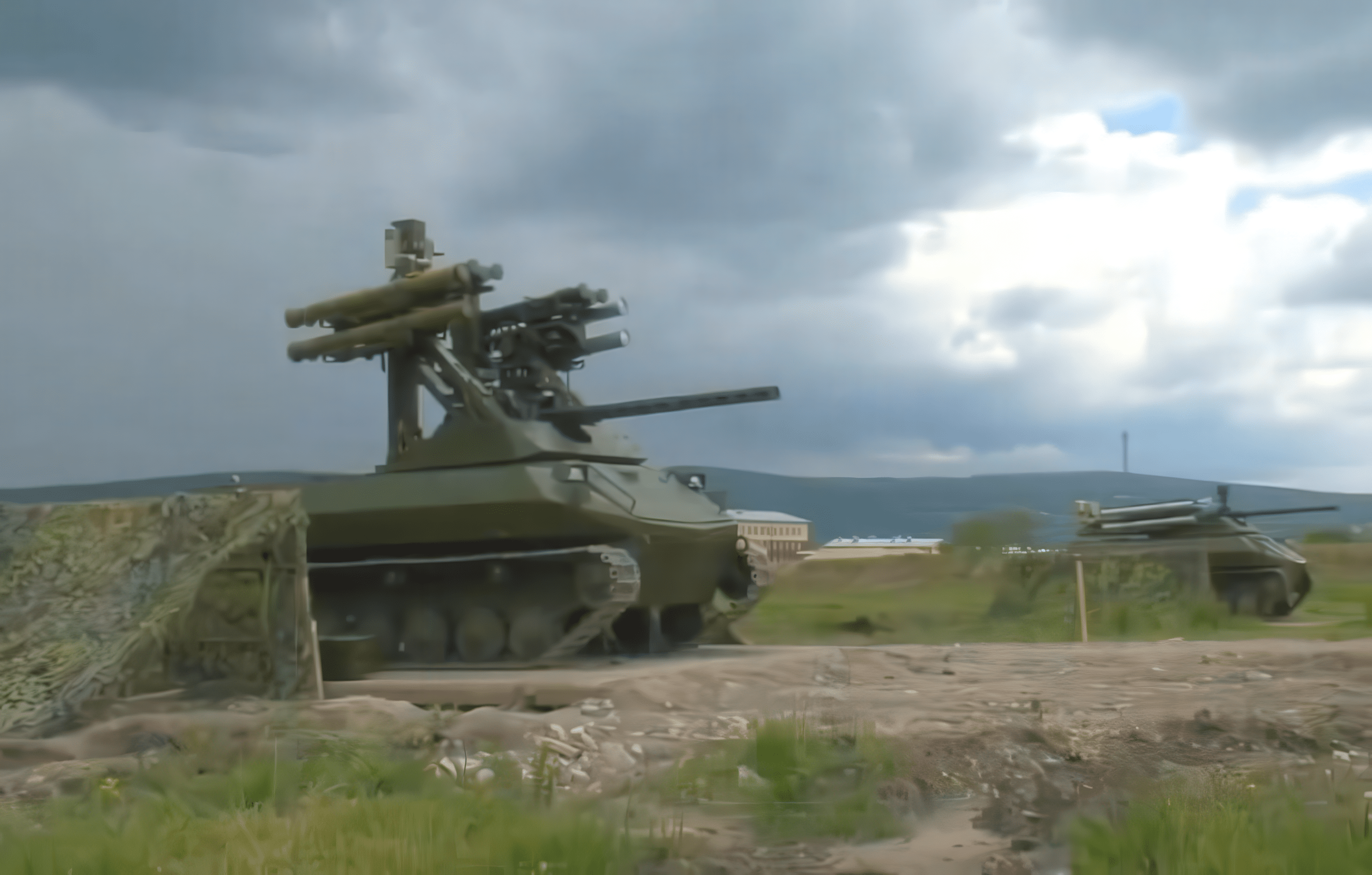
Technical details:
30 mm cannon (2A72);
7.62 mm coax;
ATGM (9M120-1 Ataka);
Rockets (Shmel flamethrower or Strela)
Tele-operation: limited autonomous capabilities if signal lost;
Some limited ability to detect, identify and engage enemy forces without manual human direction;
Weight: 12 tons; Length: 5 meters;
22 mph on highways, 15 mph off-road;
Protection from shell splinters and small-arms;
Thermal and electro-optical sights and detectors.
Initial trials produced unusually candid assessments from within Russia’s own defense establishment. Presenting findings from the Defense Ministry’s 3rd Central Research Institute at a 2018 conference in St. Petersburg, senior researcher Andrei Anisimov said the Uran-9 was “not capable of performing the assigned tasks,” citing repeated loss of control, a severely limited effective control range in urban terrain, and weapons that could not be fired on the move.
External assessments were similarly critical. In a review of Russia’s UGV programs, BAE Systems’ analysis noted the Uran-9 was “unreliable,” adding that its thermal and electro-optical sensors “were useless while the Uran-9 was moving due to a lack of stabilization,” with “significant delays” when executing fire commands—deficiencies that render the system ineffective in dynamic combat.
Despite export marketing to partners in the Middle East and Asia, the vehicle has not secured a visible foothold abroad. Myanmar’s military leadership observed demonstrations of the system in Russia over several years as the two countries deepened defense ties, but no public contract for Uran-9 followed.
Since Russia’s full-scale invasion of Ukraine in 2022, there has been no verified combat use of Uran-9. Instead, Russian units have relied on improvised, workshop-built ground robots for niche roles, underscoring the gap between the state-promoted program and practical fielded capability.
Defence Blog characterizes the Uran-9 effort—funded over many years—as an expensive symbol of over-promise and under-delivery, and a cautionary case study in the limits of Russia’s ground-combat robotics.
Earlier, it was reported that Ukraine launched a new unit of strike-capable robotic ground systems with its 3rd Assault Brigade.
Discuss this article:






-c439b7bd9030ecf9d5a4287dc361ba31.jpg "Photo of Katherina Popilnichenko")