- Category
- Latest news
Bankrupt Russian Firm Unveils “Mini-Solntsepyok” Robot Flamethrower. But Does It Really Exist?
 Prefer U24 Media on Google
- Authors


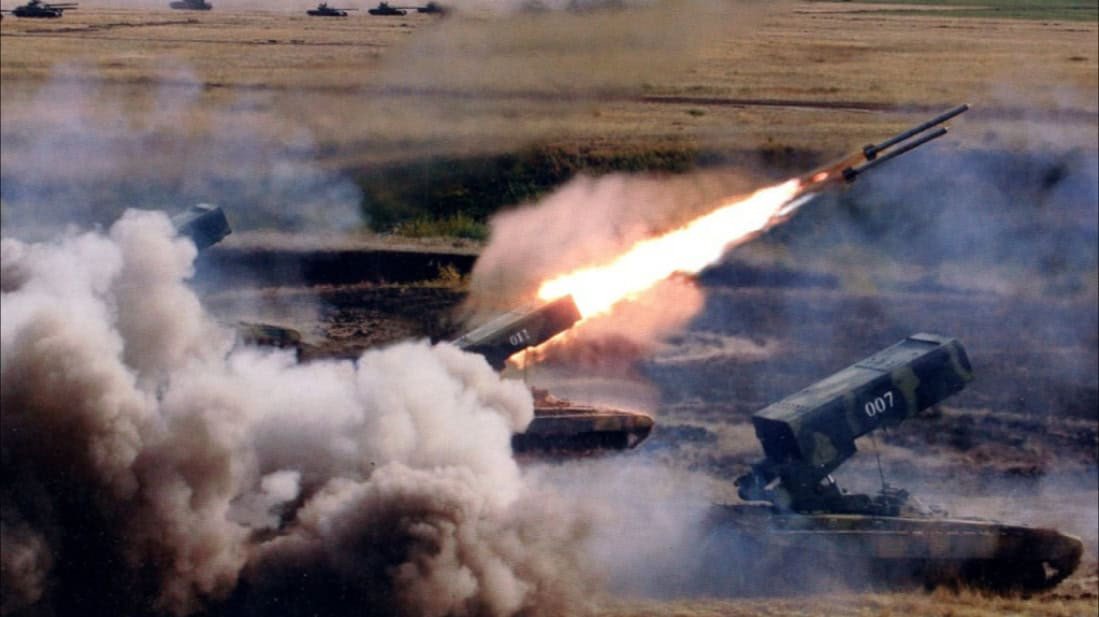
Russia has introduced a new robotic weapon system described as a “mini-Solntsepyok,” raising questions about its practicality and potential role in future operations.
According to Defense Express on August 15, the system was developed by the Moscow-based company “Robotic Engineering” and is officially presented as a ground robotic platform equipped with a disposable rocket launcher module.
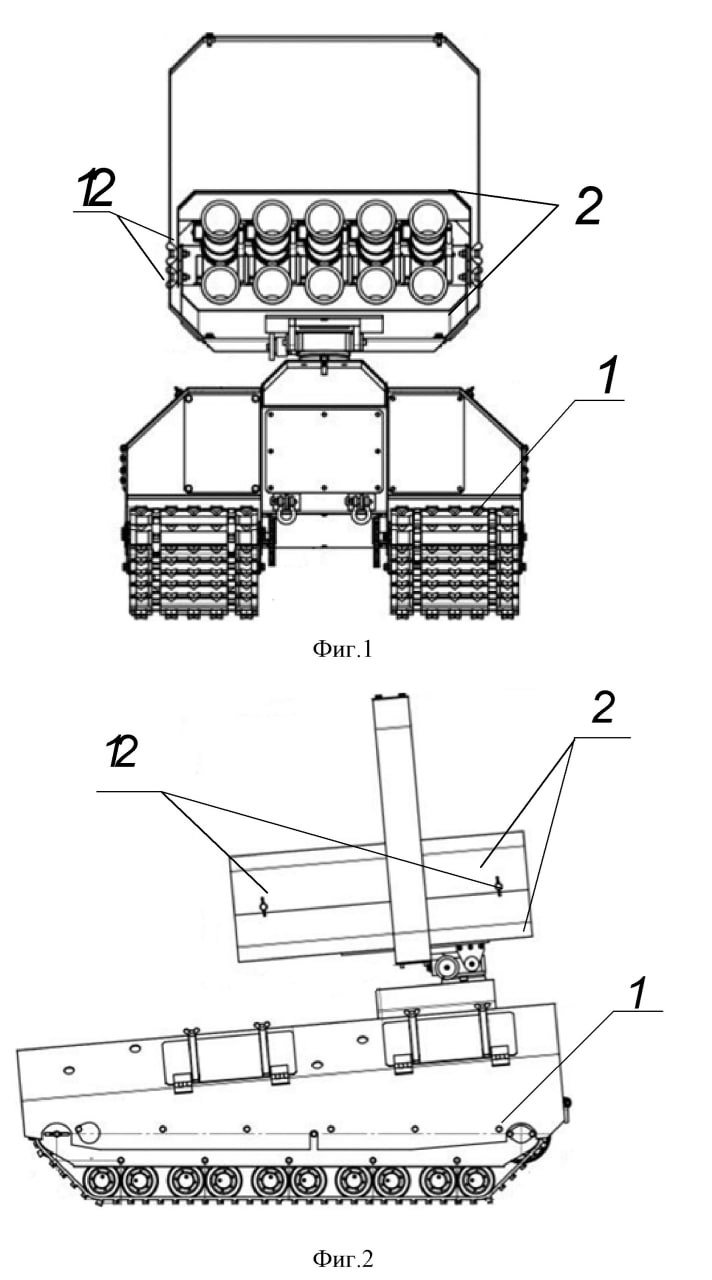
While the design is linked conceptually to the heavy flamethrower system TOS-1A Solntsepyok, it differs significantly in structure and purpose.
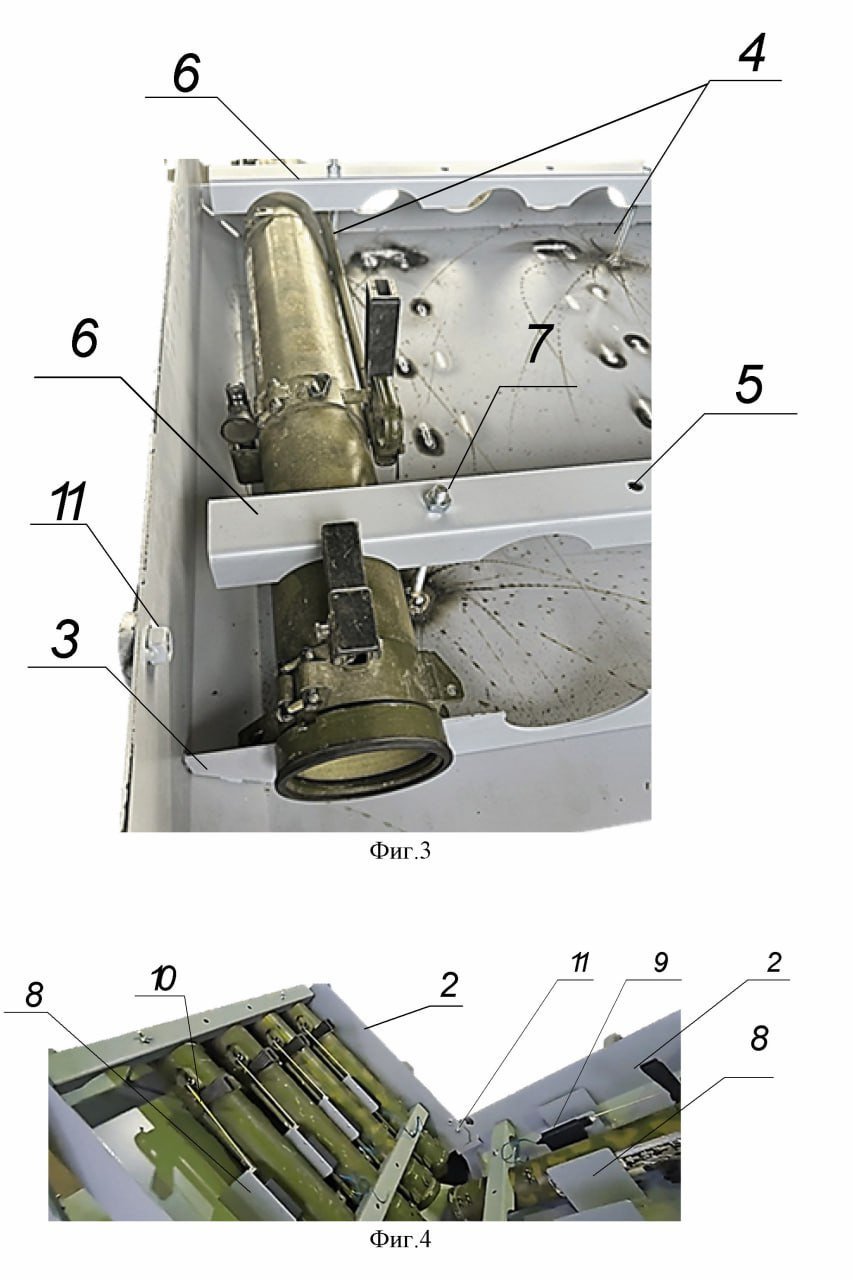
Instead of using large thermobaric rockets, the platform relies on infantry-grade weapons such as “Shmel” rocket launchers mounted in paired frames. The system can fire all tubes simultaneously or sequentially. Developers claim this approach reduces costs by employing existing infantry munitions and simplifies reloading.
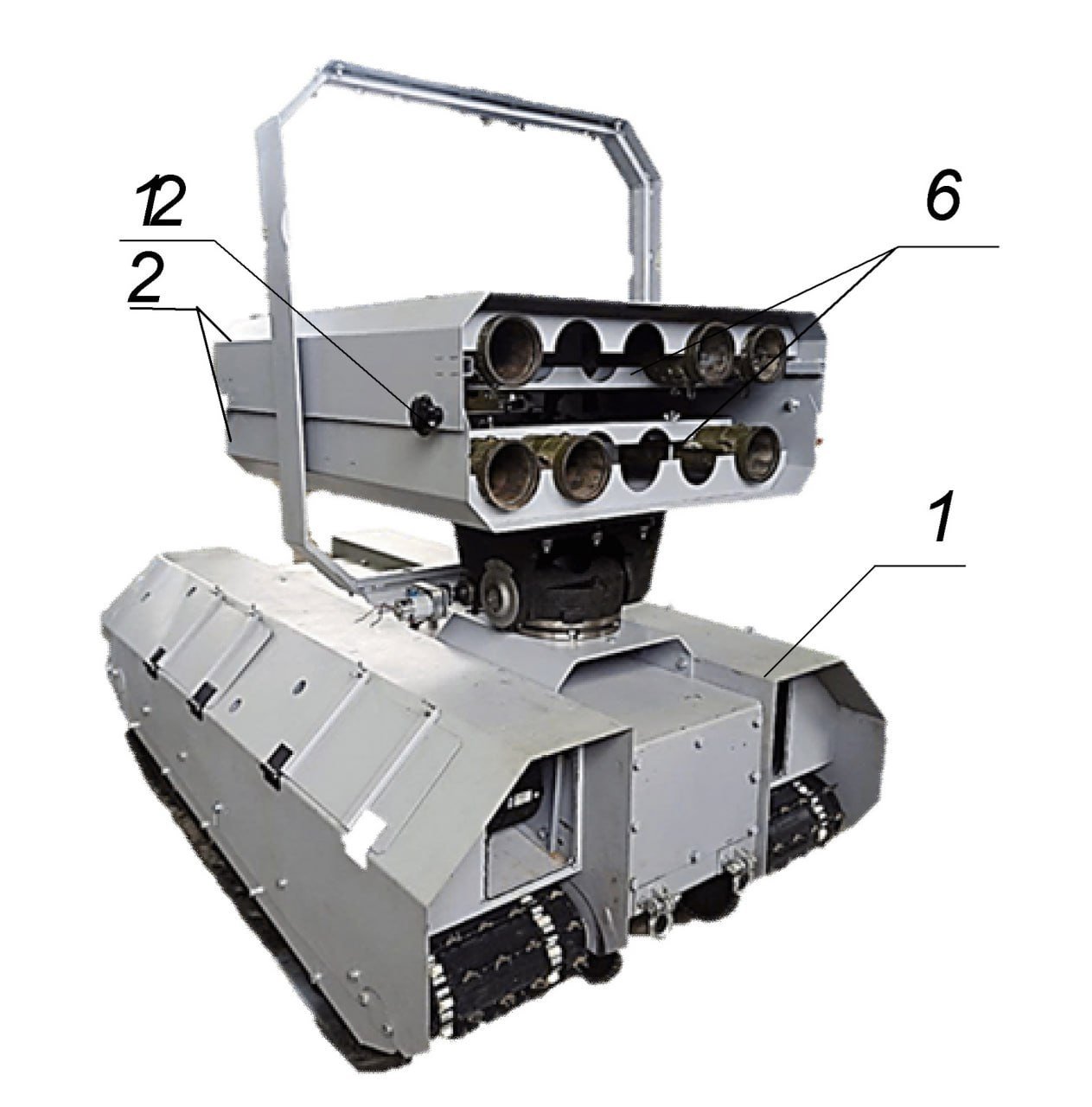
The concept includes autonomous operational features. If communication with the operator is lost, the robot is designed to continue movement using satellite navigation and onboard sensors. Developers also claim it can automatically scan the battlefield and engage targets, although the feasibility of such capabilities remains uncertain.
The chassis itself resembles a standard ground drone without protective armor, raising concerns over survivability. The launcher’s position at the rear of the platform may also cause stability issues when firing.
Information about the developer adds further doubt. “Robotic Engineering” has reported no revenue since 2018, posted financial losses in 2024, and employs only one or two staff members.
Public records show the company is burdened with multiple lawsuits. Despite this, a change in leadership last year suggests it may now be positioned to seek contracts as a supplier for Russia’s armed forces.
While it is unclear whether the “mini-Solntsepyok” will advance beyond the prototype stage, the concept aligns with current trends in robotic ground platforms. If functional, such systems could reduce risks for soldiers using short-range rocket launchers in frontline conditions.
Earlier in July, Russia showcased the “Shturm” robotic assault vehicle, developed by Uralvagonzavod on a T-72 chassis. First revealed in 2018, the system is designed for high-risk urban operations with variants armed with thermobaric rockets, autocannons, and a shortened 125mm gun. Recent trials suggest progress beyond earlier robotic platforms like the Uran-9, though questions remain about its remote capabilities and battlefield effectiveness.
Discuss this article:


-c439b7bd9030ecf9d5a4287dc361ba31.jpg "Photo of Katherina Popilnichenko")