- Category
- Latest news
Russia’s Oil Income Drops 43% in March Just Before Middle East Crisis Sends Crude Higher
 Prefer U24 Media on Google
- Authors


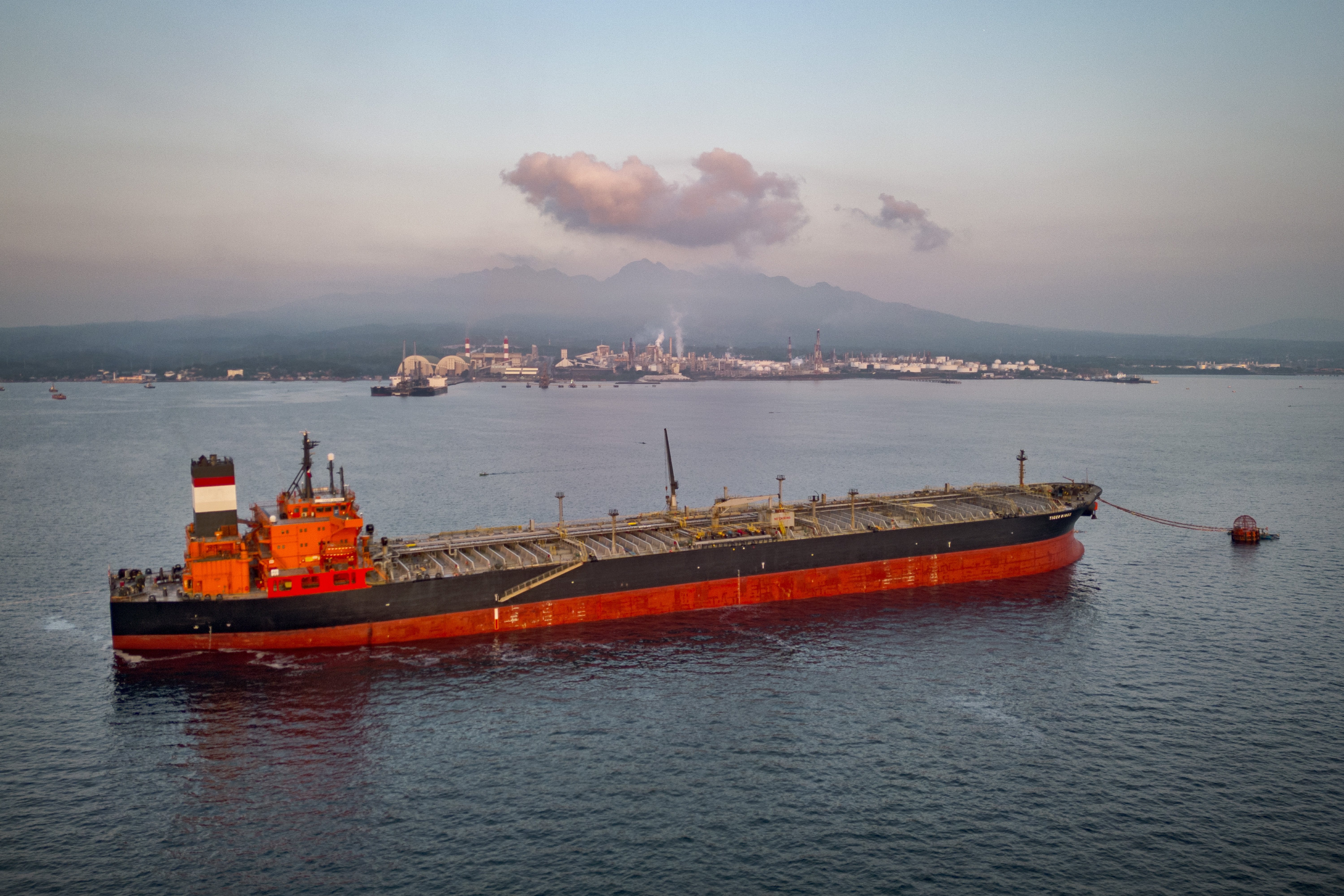
Russia’s oil tax revenues dropped sharply in March, falling by nearly half compared to the same period last year, just weeks before rising global prices—driven by tensions in the Middle East—began to reverse the trend.
We bring you stories from the ground. Your support keeps our team in the field.
According to Bloomberg on April 3, Russian oil producers paid 494.9 billion rubles in oil taxes in March, a 48% year-on-year decline based on Finance Ministry data. Combined oil and gas revenues fell by nearly 43% to 617 billion rubles. Similar estimates cited by The Insider also point to a drop of roughly half compared to March 2025.
The decline reflects how Russia calculates its energy taxes. According to Bloomberg, March revenues were based on February prices for Urals crude, which averaged below $45 per barrel—well under the $59 per barrel assumed in Russia’s 2026 federal budget.
Prices were further pressured by sanctions and continued demands from buyers for discounted Russian oil. A stronger ruble also reduced the value of export earnings in local currency terms.
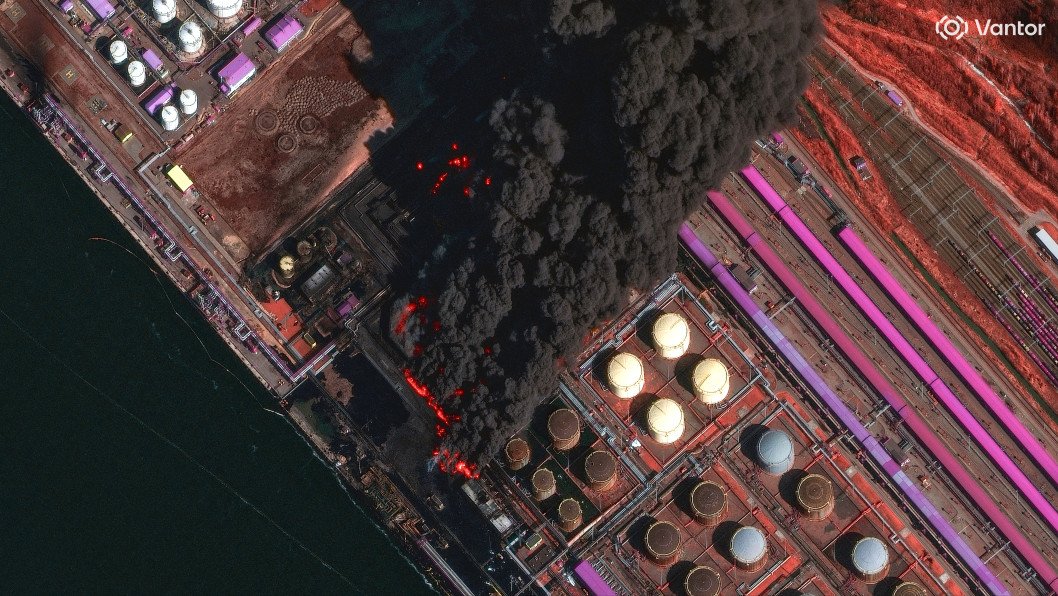
The lower revenues have contributed to widening budget pressures as Russia continues to allocate significant spending toward its war against Ukraine.
However, the downturn may prove temporary. According to Bloomberg, oil prices rose sharply in March amid escalating tensions in the Middle East, particularly disruptions linked to the Strait of Hormuz. By the end of the month, Urals crude delivered to India was trading above $120 per barrel—at times exceeding the Brent benchmark.
The shift has implications for Russia’s export positioning. According to Bloomberg, Russian oil shipments do not rely on the Strait of Hormuz, making them more attractive to Asian buyers during periods of instability in Gulf supply routes.
Additional demand has also been supported by a US decision to allow certain countries, including India, to continue purchasing Russian oil already in transit.

As a result, Russia’s federal budget is expected to see a rebound in oil and gas revenues as early as next month, when higher March prices begin to be reflected in tax calculations.
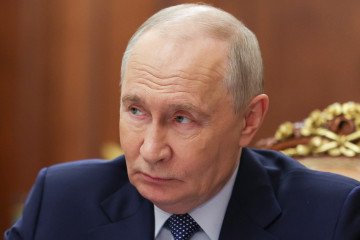
Despite the expected increase, Russian authorities remain cautious. According to Bloomberg, Russian leader Vladimir Putin has urged restraint in spending, warning that elevated oil prices may not be sustained over time.
Earlier, Ukrainian President Volodymyr Zelenskyy warned that a prolonged war in Iran could strengthen Russia and increase pressure on Ukraine by boosting Moscow’s oil revenues and shifting US attention and military aid toward the Middle East.
Discuss this article:
-9a7b3a98ed5c506e0b77a6663f5727c5.png)


-c439b7bd9030ecf9d5a4287dc361ba31.jpg "Photo of Katherina Popilnichenko")