- Category
- Latest news
Russia’s Use of Oreshnik Raises Questions Over Europe’s Missile Detection Gaps
 Prefer U24 Media on Google
- Authors

-111f0e5095e02c02446ffed57bfb0ab1.jpeg "Photo of Roman Kohanets")
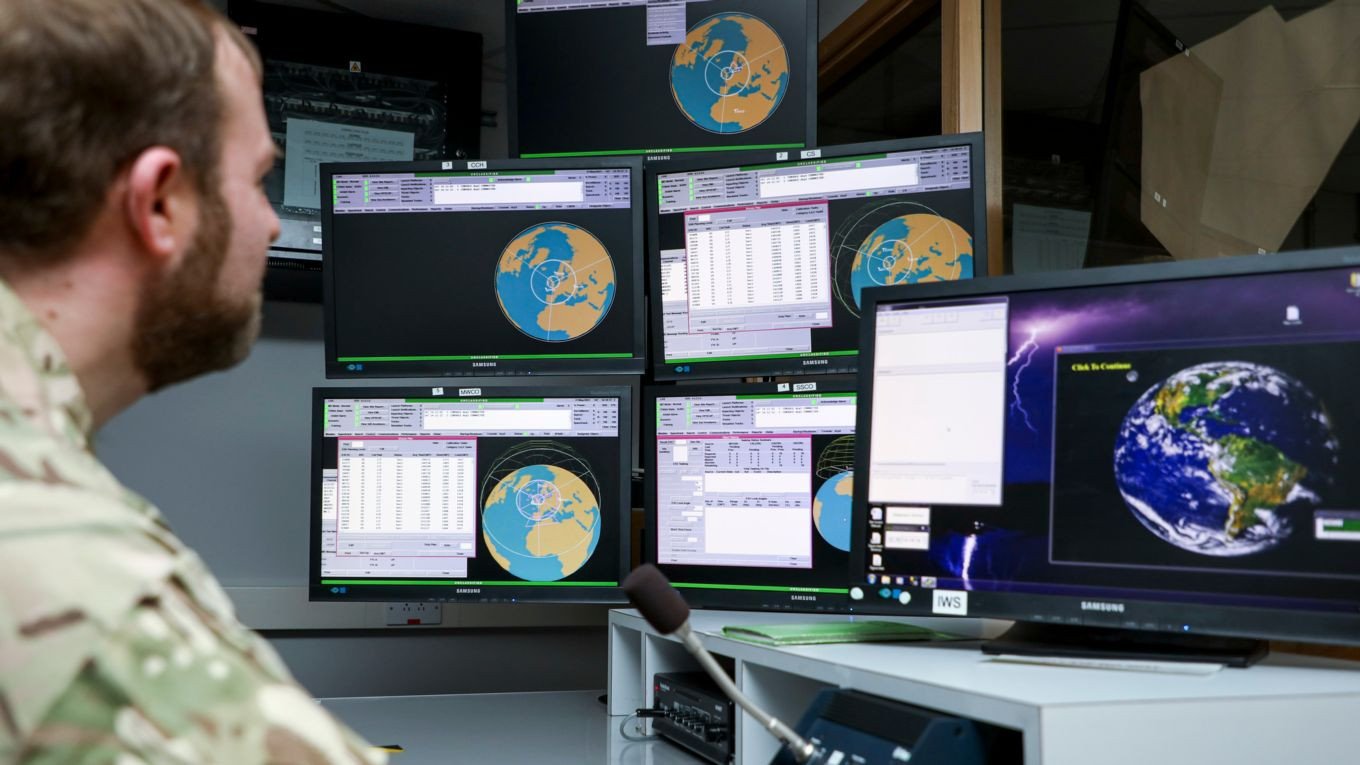
Europe’s ability to detect and provide early warning of Russian intermediate-range missile launches remains heavily dependent on US assets, including the US-built AN/FPS-132 early-warning radar stationed at RAF Fylingdales in northern England, according to Defense Express on January 26.
Defense Express said the United States is the only Western country with a mature, integrated missile-launch early warning architecture, pairing space-based infrared detection with ground-based early-warning radar coverage from Fylingdales.
We bring you stories from the ground. Your support keeps our team in the field.
The AN/FPS-132 solid-state phased-array radar at RAF Fylingdales is part of the Ballistic Missile Early Warning System and is described in open sources as having a tracking range of about 5,600 km.
Ground-based radars like AN/FPS-115 PAVE PAWS and AN/FPS-132 Upgraded Early Warning Radars (UEWRs) use radar reflections from missile exhaust plumes to detect and track missile launches. pic.twitter.com/VAsTU7hJxc
— Jack Clancy (@JackClancy915) March 8, 2023
European efforts to field an independent space-based early-warning capability have so far remained limited or incomplete, the Defense Express report said.
France’s SPIRALE program placed two demonstrator satellites into orbit in 2009 but did not evolve into an operational constellation, while Germany’s ERNST 12U CubeSat has been developed as a technology demonstrator for infrared detection from low Earth orbit rather than a deployed warning network.
The report also pointed to the EU’s TWISTER project under the bloc’s PESCO framework as a pathway toward European theater missile warning, but noted it has not yet delivered an operational space-based early-warning system.
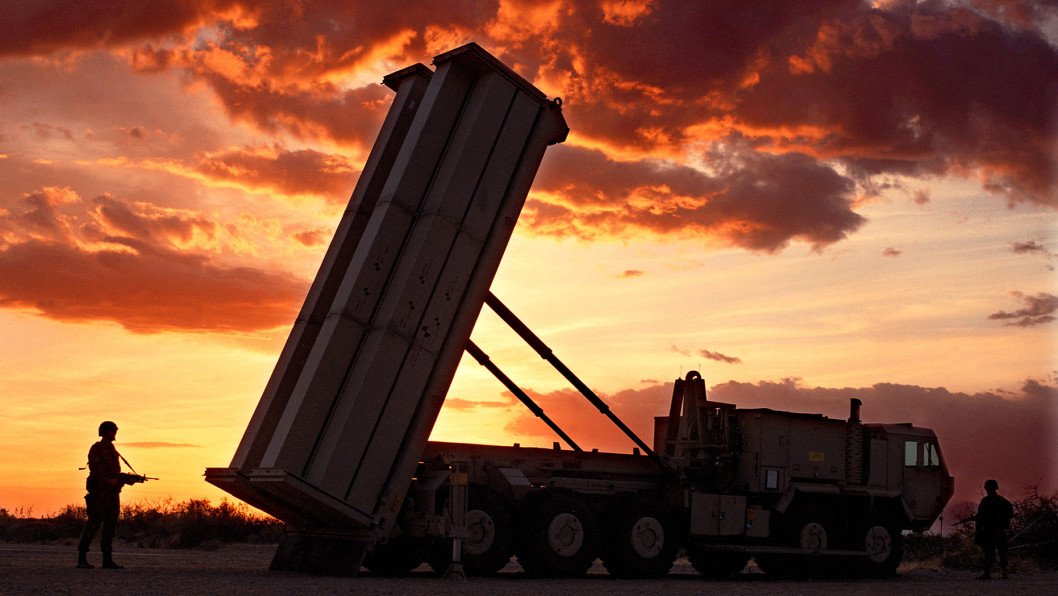
The renewed scrutiny comes as Russia has used the Oreshnik intermediate-range ballistic missile in the war against Ukraine, including a January 2026 strike acknowledged by Russia and described by media as the second recorded use of the weapon since its first combat use in November 2024.
The strike was viewed by European allies as a deliberate demonstration aimed beyond Ukraine, after Russia fired an Oreshnik missile at a target in western Ukraine near the border with NATO member Poland.
Earlier, it was reported that France and Germany launched the “Odin’s Eye” initiative under a new joint European missile defense system combining long-range radars and space-based infrared satellites, aiming to match Russian capabilities and reduce dependence on US early-warning assets.
Discuss this article:
-4a56a6b482ec132402c16ef6fcabf9a2.png)


-c439b7bd9030ecf9d5a4287dc361ba31.jpg "Photo of Katherina Popilnichenko")