- Category
- Latest news
Tehran’s Nuclear Scientists Quietly Returned to Russia. Here’s Why It Matters
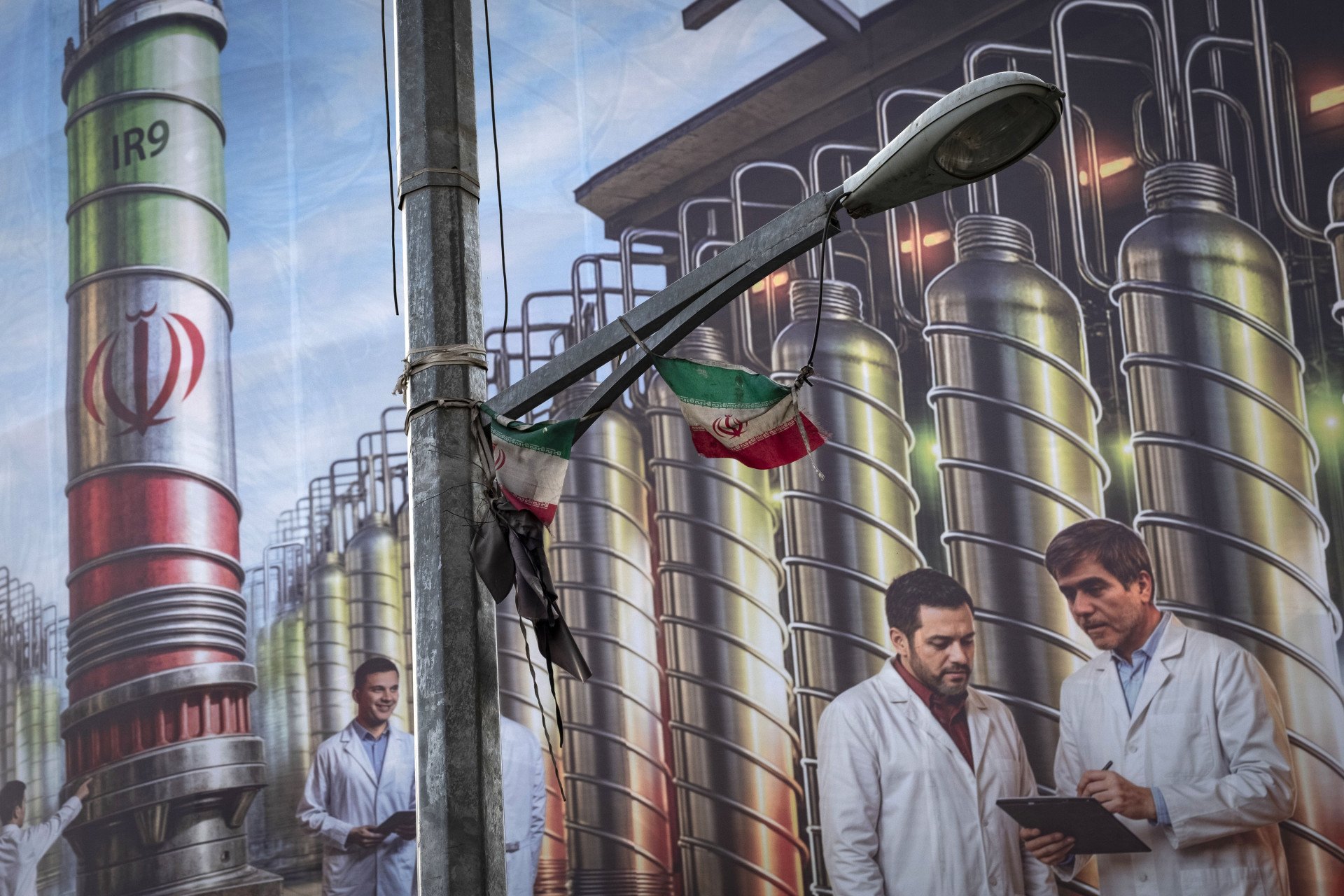
Iran and Russia expanded covert scientific cooperation in 2024 through a series of undisclosed meetings involving nuclear experts, dual-use technologies, and sanctioned institutions.
 Prefer U24 Media on Google
- Authors




Iranian nuclear scientists and engineers traveled to Russia for a second undisclosed visit between November 7 and 11, 2024, raising concerns in Washington over possible collaboration on dual-use technologies relevant to nuclear weapons development.
The trip was part of a broader exchange between Iran’s military-linked research organizations and Russian defense institutions, The Financial Times reported on November 19, citing documentation verified through travel data leaks, sanctions lists, and corporate filings.
According to the investigation, the visiting delegation consisted of Iranian physicists and engineers carrying diplomatic passports with sequential numbers, which FT says indicates a state-organized mission.
-36ecf3ae032b188e3a67450954113aca.jpg)
The group reportedly held meetings with Russian entities involved in classified defense research, including the sanctioned company “Laser Systems,” which develops technology for both civilian and military applications.
The trip was allegedly coordinated by DamavandTec, an Iranian firm that acts as a front for the Organization of Defensive Innovation and Research (SPND), a branch of Iran’s Ministry of Defense that is under US sanctions for its suspected role in nuclear weapons research.
DamavandTec and its director Ali Kalvand were sanctioned by the US State Department in October 2025 for facilitating procurement efforts on behalf of SPND and arranging travel for Iranian nuclear experts to Russia.
-3d828e5c5516bcde365c57e0cd1dd194.jpg)
In a statement to FT, Jim Lamsom, a former CIA analyst and current senior research associate at the James Martin Center for Nonproliferation Studies, said that the visiting scientists appeared to be seeking “laser technologies and expertise that could help them validate nuclear weapon designs without conducting explosive nuclear tests.”
The Financial Times notes that this is the second such reported visit. In August 2024, Iranian scientists also traveled to Russia under similar arrangements. Kalvand, who reportedly earned his degree at Kyiv Polytechnic Institute, is said to have led the earlier delegation.
Documents reviewed by FT suggest that the November meetings took place in St. Petersburg, where representatives of Laser Systems hosted Iranian delegates under the pretext of “technical cooperation.”
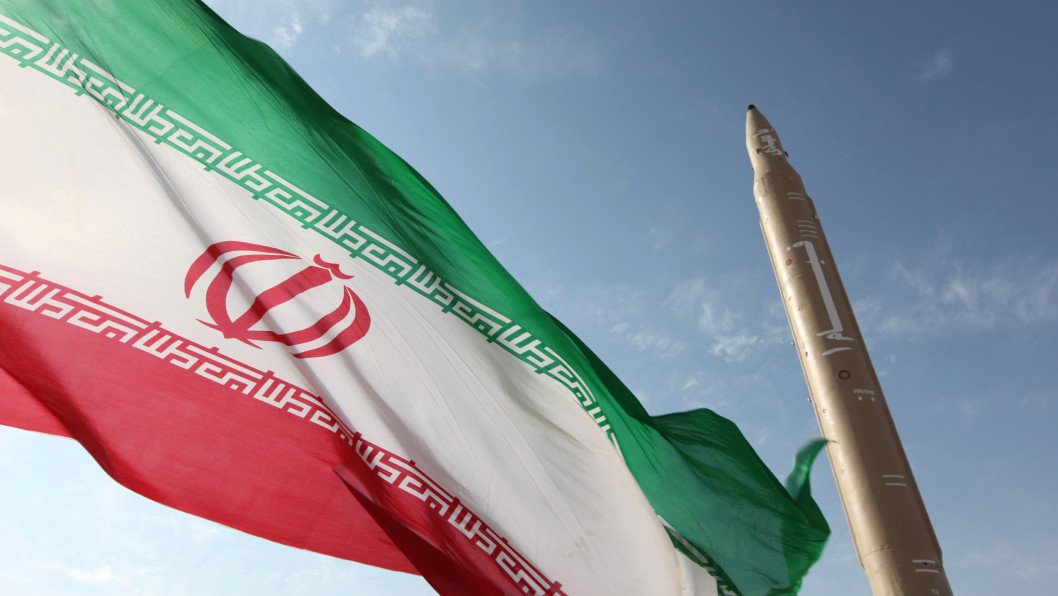
Internal records indicate that the visitors were in fact affiliated with Iranian universities and research centers tied to the Ministry of Defense, not the DamavandTec company they claimed to represent.
In a related development, FT also reported that Andrey Savin, a former technical director at Laser Systems and currently a development director at the St. Petersburg-based company “Jet Technologies,” visited Tehran in February 2025.
While there, he met with DamavandTec officials and, according to an individual familiar with the trip, with senior figures believed to be linked to SPND. Savin also holds a professorship at the Baltic State Technical University “Voenmeh,” a prominent Russian defense university.
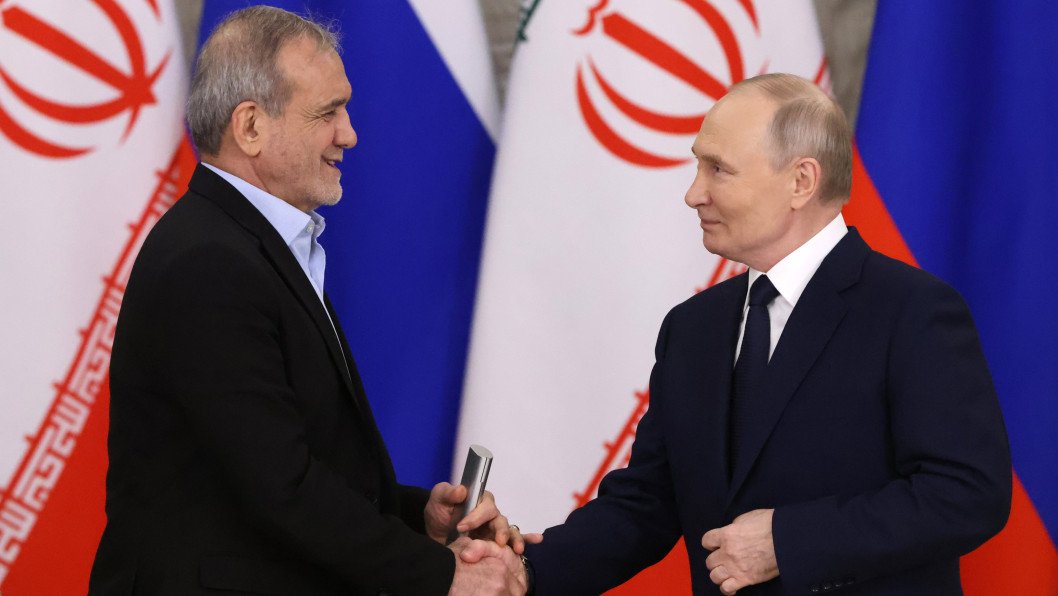
Nicole Grajewski, a nuclear policy expert at the Carnegie Endowment for International Peace, told FT that the meetings “amount to credible evidence that Russia is aiding Iran in weapons-relevant nuclear research.”
She added that the involvement of Russian state-affiliated institutions in transferring dual-use technologies appears to have high-level political backing in both countries.
The revelation adds further scrutiny to Iran’s nuclear activities. In June 2025, Rafael Grossi, Director General of the International Atomic Energy Agency (IAEA), stated that his agency lacked definitive evidence of a weapons program but noted that Iran’s activities have created significant ambiguity.
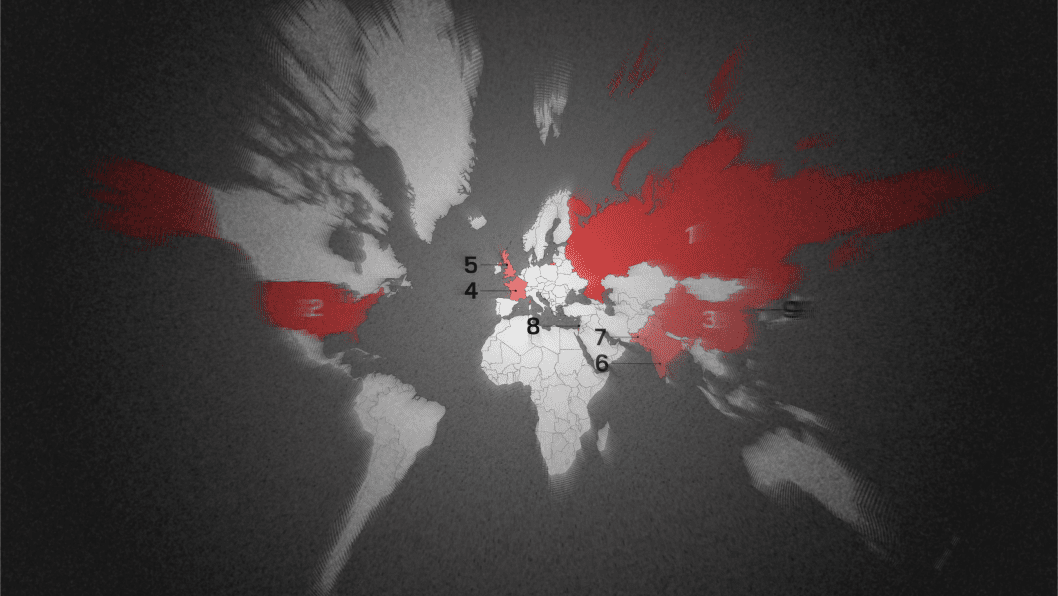
“No country in the world enriches uranium to 60% except Iran,” Grossi said at the time, adding that this level is “technically almost equivalent” to weapons-grade enrichment at 90%.
Iran has consistently denied that its nuclear program is aimed at developing weapons and maintains that it is intended solely for peaceful purposes. However, Israeli officials have claimed that Tehran has been developing detonator technologies necessary for activating a nuclear warhead.
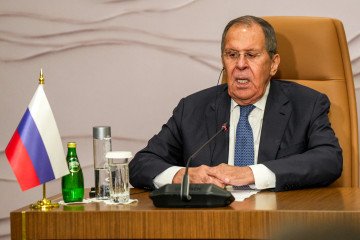
Earlier in July, Russian Foreign Minister Sergey Lavrov said Moscow had reiterated its offer to take Iran’s excess enriched uranium for processing and return it in a diluted form suitable for civilian energy use—reviving a proposal originally included in the 2015 nuclear deal.
Discuss this article:
-4a56a6b482ec132402c16ef6fcabf9a2.png)

-c439b7bd9030ecf9d5a4287dc361ba31.jpg "Photo of Katherina Popilnichenko")