- Category
- Latest news
Two More Russian Buk-M2E Missile Systems Found Wrecked in Venezuela Weeks After US Strike
 Prefer U24 Media on Google
- Authors


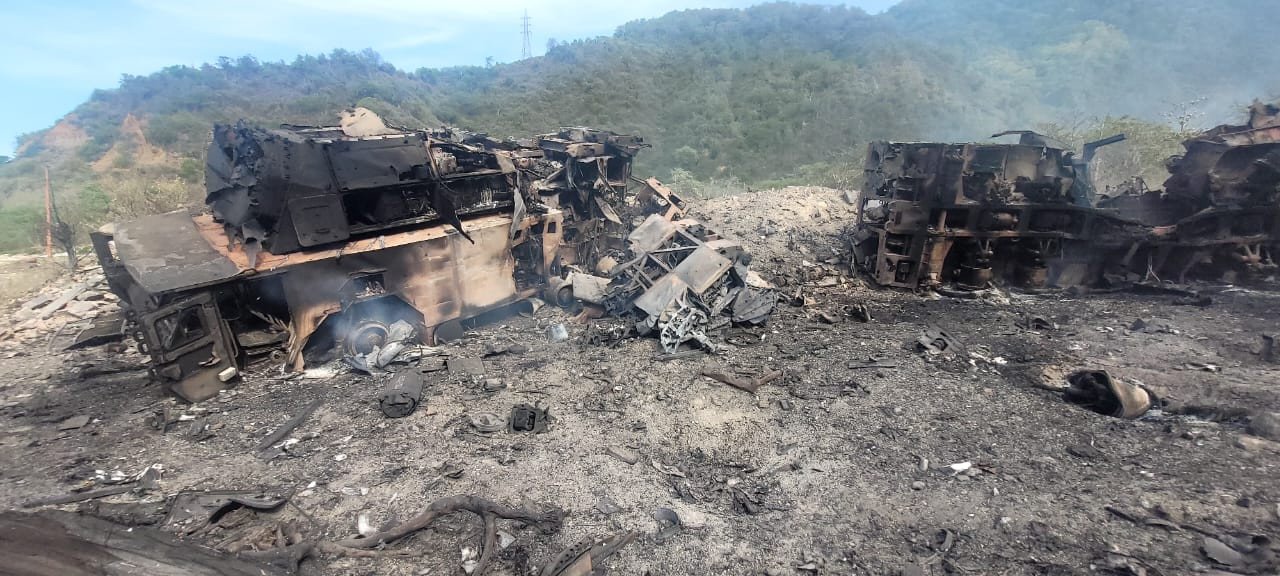
Two additional Russian-made Buk-M2E surface-to-air missile system components have been confirmed destroyed in Venezuela, following a series of US strikes earlier this month.
According to TalCual, the damaged vehicles were located near Carmen de Uria in the Vargas state, not far from the capital.
Imagery published by TalCual shows what appear to be either two destroyed launch vehicles or one launch vehicle and one transporter-loader associated with the Buk-M2E system.
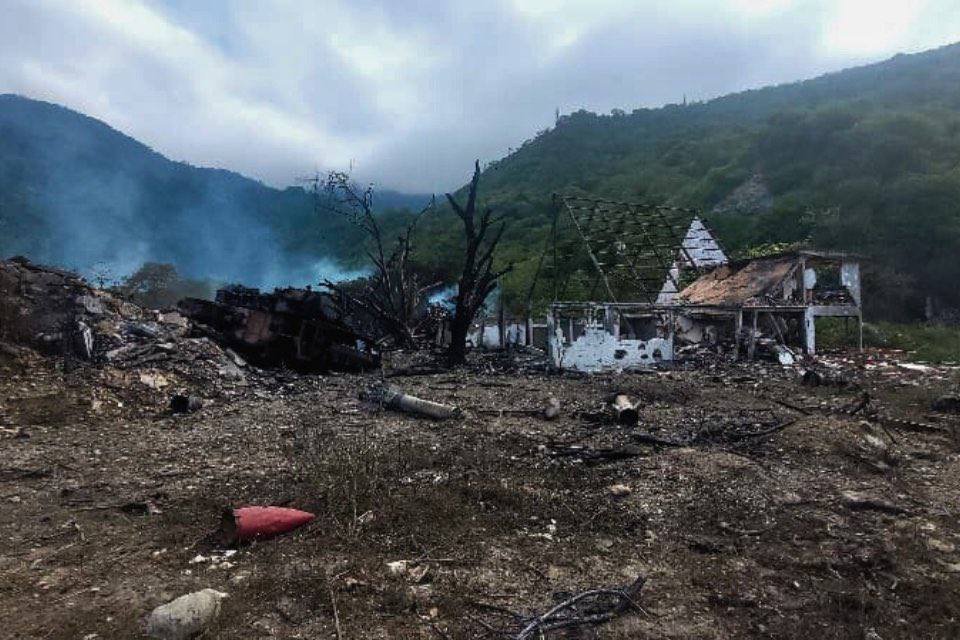
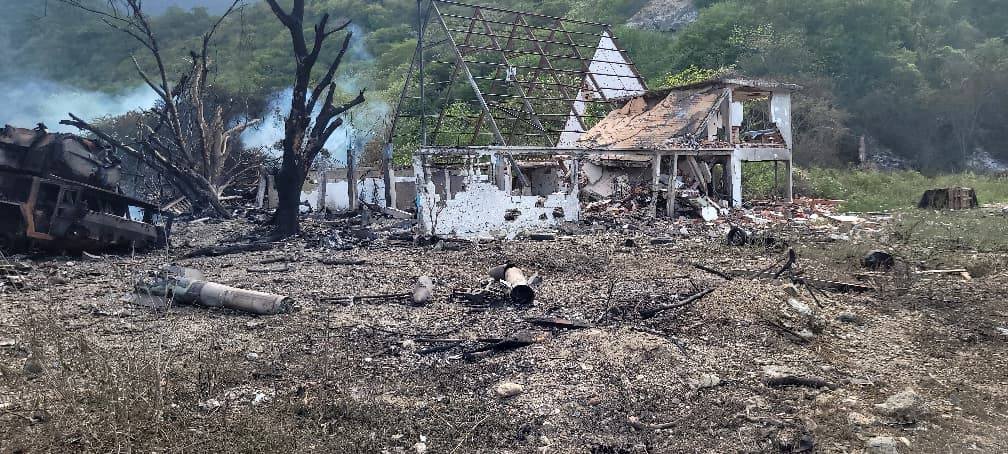
The strike reportedly occurred on January 3, as part of a broader US military operation targeting assets linked to Nicolás Maduro’s government.
Photos analyzed by Clash Report and CNW confirm the destruction of at least one 9A316E launcher and a 9S510E command post. One of the launchers was identified near the port of La Guaira, while another was struck inside Caracas. Additional Buk components were reportedly hit at the Higuerote Air Base.
According to The New York Times, US officials say many of the Venezuelan Buk-M2E and S-300VM systems were not active during the operation.
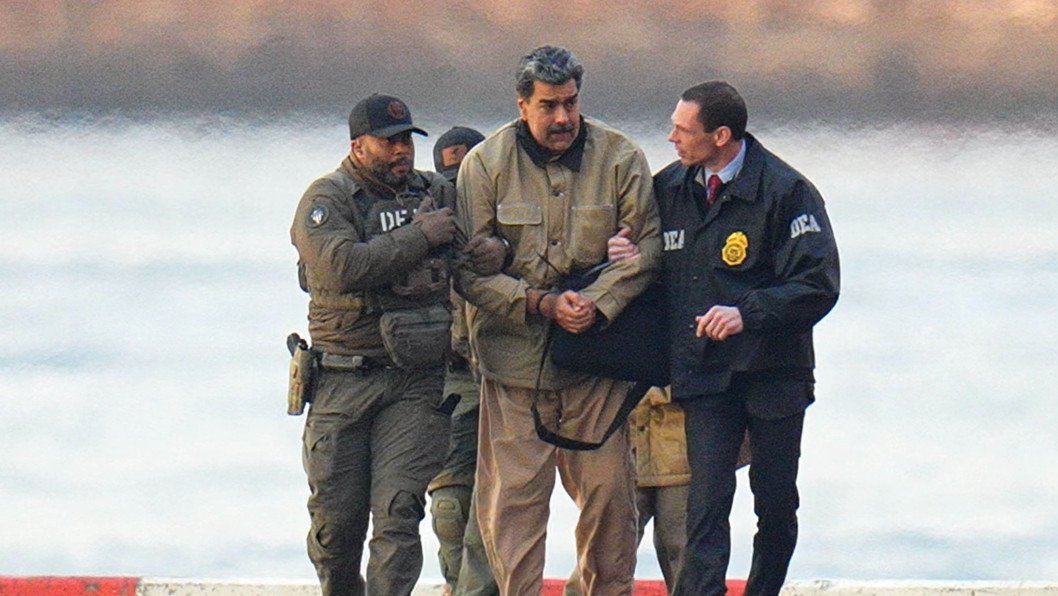
The air defense assets had not been connected to radar systems and were not deployed on operational alert, allowing US aircraft to carry out the raid without facing resistance. These claims are consistent with earlier satellite-based assessments and eyewitness accounts.
Former CIA station chief in Venezuela Richard de la Torre told The New York Times that systemic corruption, logistical issues, and the long-term impact of international sanctions have undermined the operational readiness of Venezuela’s air defense network.
He added that Russian advisors, responsible for technical support and system maintenance, failed to keep the equipment functional.
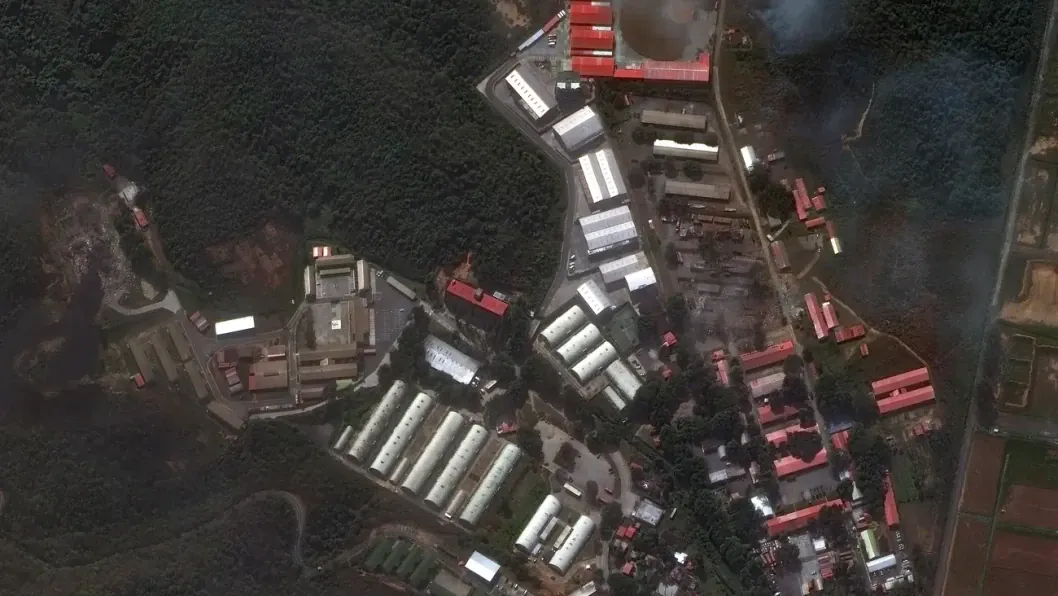
Senior US officials also noted that China-manufactured radar stations, which Venezuela had been using in conjunction with Russian systems, were among the first targets of the US strike. Their destruction further limited the ability of air defense crews to respond.
Two former US officials quoted by The New York Times suggested that Moscow may have allowed Venezuela’s military hardware to degrade over time to avoid escalating tensions with Washington.
This was echoed by Michael Kofman, a senior fellow at the Carnegie Endowment for International Peace, who emphasized Venezuela’s ongoing difficulties in maintaining complex foreign-made systems.
Earlier on January 3, US forces launched a large‑scale operation targeting Venezuela’s military infrastructure, including key air defense sites around Caracas — striking Russian‑made systems such as S‑300V, Buk‑M2E, and Pechora‑2M, which appeared ineffective or neutralized during the attack.
Discuss this article:
-4a56a6b482ec132402c16ef6fcabf9a2.png)

-c439b7bd9030ecf9d5a4287dc361ba31.jpg "Photo of Katherina Popilnichenko")
-72b63a4e0c8c475ad81fe3eed3f63729.jpeg "Photo of Cyril Barabaltchouk")

-111f0e5095e02c02446ffed57bfb0ab1.jpeg "Photo of Roman Kohanets")