- Category
- Latest news
Ukraine Emerges as Security Guarantor in Middle East, Kallas Says
 Prefer U24 Media on Google
- Authors

-c439b7bd9030ecf9d5a4287dc361ba31.jpg "Photo of Katherina Popilnichenko")
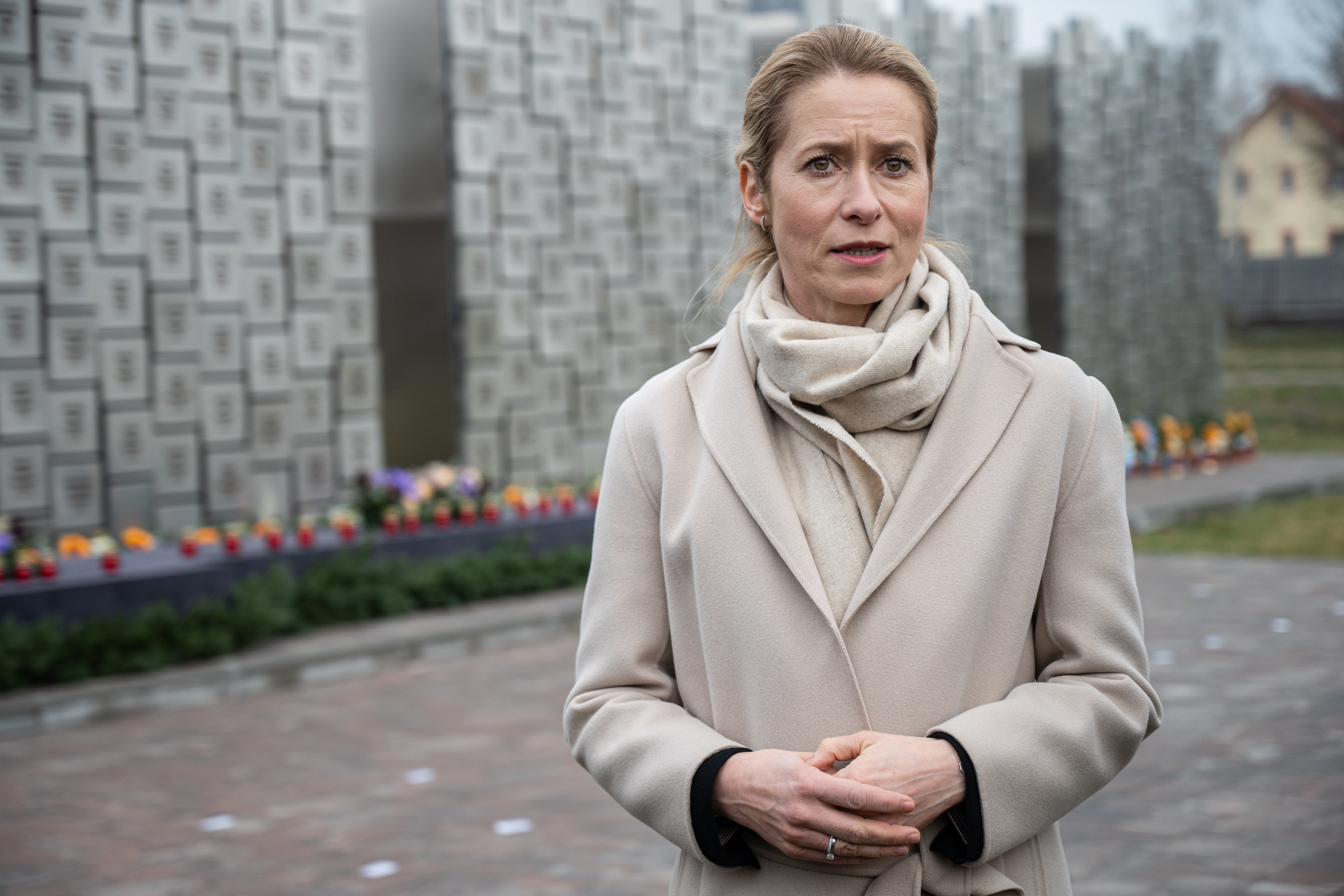
European Union foreign policy chief Kaja Kallas has highlighted Ukraine's expanding role in Middle Eastern stability, describing the country as a "guarantor of security."
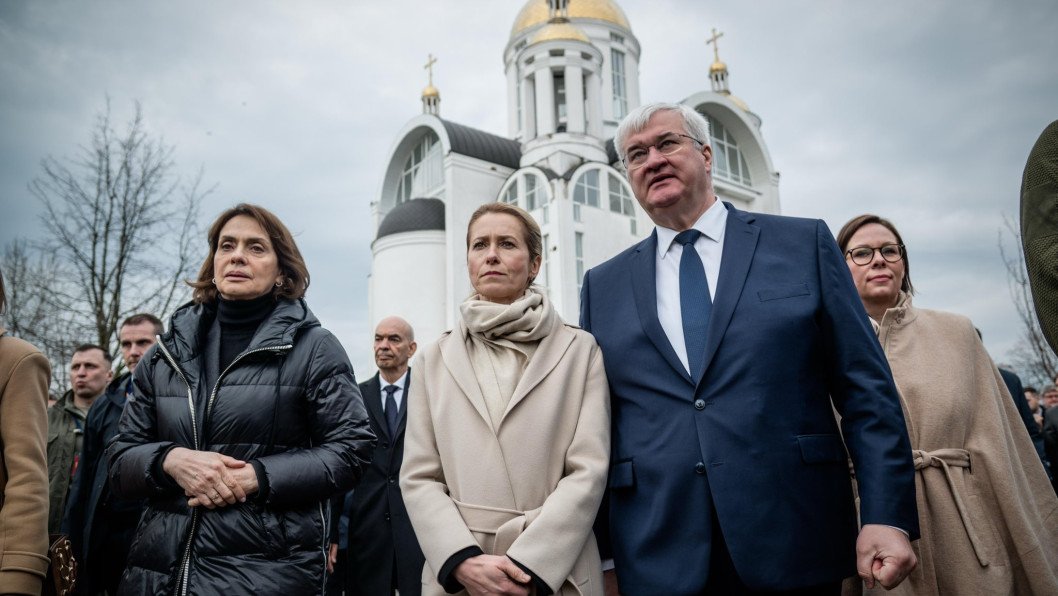
Speaking at an informal meeting of the EU Foreign Affairs Council in Kyiv, Kallas noted that Ukraine continues to provide critical support to international partners despite the ongoing challenges of Russia’s full-scale invasion of Ukraine, according to European Pravda on March 31.
We bring you stories from the ground. Your support keeps our team in the field.
The EU diplomat pointed to President Volodymyr Zelenskyy’s recent diplomatic mission to the Middle East, where several defense agreements were finalized.
Kallas emphasized that Ukraine possesses advanced self-defense capabilities that are now proving valuable to allies in the Gulf region. She stated that Ukraine’s support for these partners underscores its significant contribution to global security.
Kallas specifically addressed the technical expertise Ukraine brings to the region, particularly regarding aerial threats. She noted that drones must be neutralized with effective interceptors and stated that "nobody does this better than Ukraine."
Maintaining open passage through the Strait of Hormuz remains a primary international priority, and Kallas argued that Iran should not have the power to dictate energy flows in the Middle East.
While international attention has shifted toward the war in Iran, Kallas reaffirmed the European Union's commitment to supporting Ukraine. She stressed the importance of opposing Moscow rather than providing it with financial resources, expressing a collective desire for the war to reach a conclusion.
According to recent statements from President Zelenskyy, nations including Jordan, Kuwait, Bahrain, and Oman have requested cooperation with Ukraine. These requests focus on defense systems and the transfer of military expertise gained during Russia’s full-scale invasion of Ukraine.
Discussions regarding the allocation of military resources have also surfaced following reports that the Pentagon might consider redirecting equipment intended for Ukraine toward the war in Iran.
US Secretary of State Marco Rubio stated that while equipment purchased by NATO allies for Ukraine is not currently being diverted, he did not rule out the possibility.
On March 17, 2026, President Volodymyr Zelenskyy confirmed that Ukraine had deployed 201 specialists to the Middle East to help partners counter Iranian-made Shahed drones.
These experts were sent to the United Arab Emirates, Qatar, and Saudi Arabia, with additional personnel traveling to Kuwait to provide military assistance and defense strategies.
During his announcement, Zelenskyy emphasized that Ukraine’s combat-tested experience with unmanned aerial vehicles had become a vital asset for international security in an era of evolving drone warfare and artificial intelligence.
Discuss this article:
-9bd5e1532102621f8fb1c4ba871a3171.png)