- Category
- Latest news
Ukraine Officially Reveals Long-Range Neptune-D Missile With 1,000 km Reach
 Prefer U24 Media on Google
- Authors


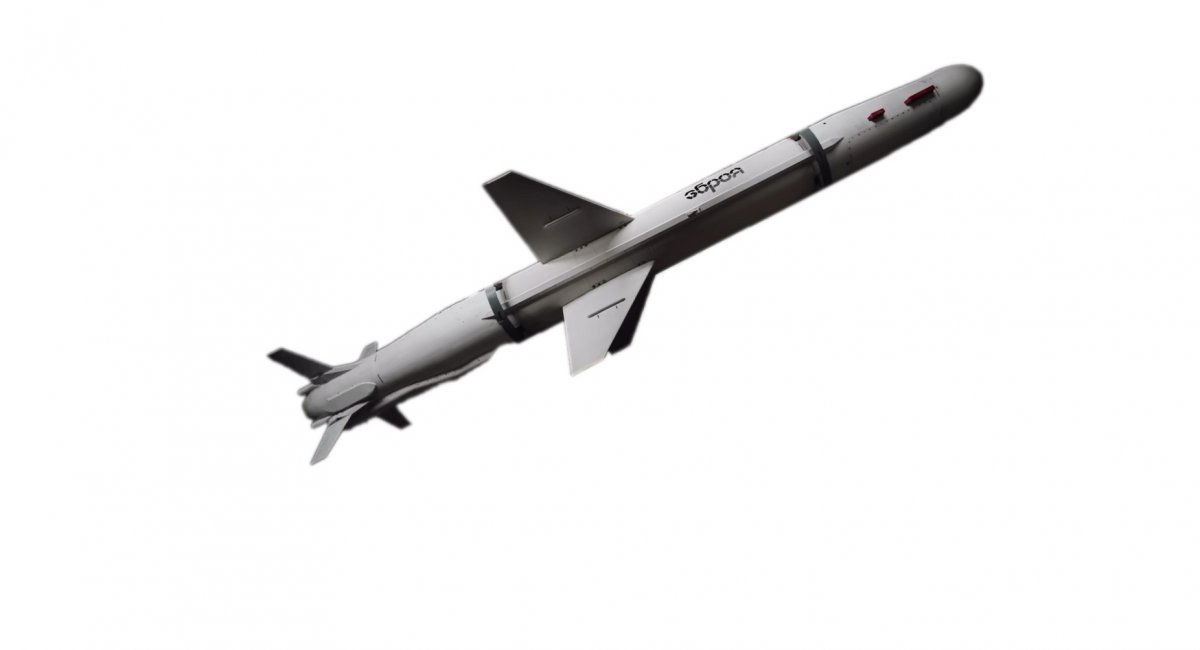
Ukraine has disclosed the official specifications of its new long-range cruise missile, known as the RK-360L, a land-attack version of the country’s Neptune system.
According to Defense Express on October 1, the information was made public through the state defense portal Zbroya during an exhibition in Kyiv.
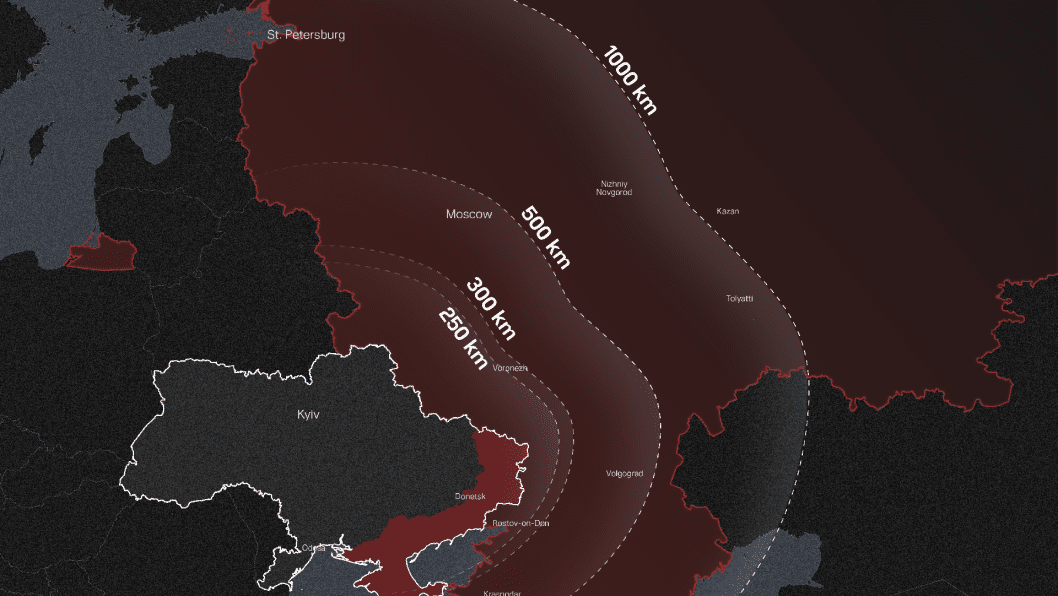
The updated missile, designated RK-360L, is part of the Neptune-D system and has a declared range of 1,000 kilometers. This is a significant increase compared to the 280-kilometer range of the original Neptune anti-ship missile, the RK-360.
In addition, the warhead weight has been expanded from 150 kilograms to 260 kilograms, Defense Express noted.
🚀@ukroboronprom showed the main technical characteristics of the Ukrainian cruise missile "Neptune D":
— Cloooud |🇺🇦 (@GloOouD) October 1, 2025
▪️Warhead — 260kg
▪️Operational range — up to 1000km
▪️Purpose — to strike sea and land targets
ℹ️These missiles recently hit the "Electrodetal" plant in the Bryansk region pic.twitter.com/qCCbZbVhwa
According to the outlet, the RK-360L measures six meters in length without a booster—about 1.5 meters longer than its predecessor.
The missile’s body diameter has increased to roughly 50 centimeters, compared to the earlier 38 centimeters. The design allows for flexibility: developers suggest that reducing fuel tank volume could further increase the payload capacity of the warhead.

The missile retains the capability to strike both land and maritime targets, indicating that it is still equipped to engage moving objects at sea.
While the specific guidance system has not been disclosed, Defense Express reports that the ability to target ships suggests that the active radar seeker used in the anti-ship version likely remains in place.
The RK-360L incorporates new features required for long-range operations over land. These include the ability to fly at low altitude over varied terrain, follow pre-programmed routes without satellite navigation, and strike fixed land-based targets with precision.
Such capabilities mark a significant step beyond the original Neptune system, which was designed primarily for engagement over open water.
The Neptune missile family first entered service as an anti-ship weapon, gaining international attention after being used in the 2022 strike that sank Russia’s Black Sea flagship, the Moskva.
Earlier, the Ukrainian Navy said a Neptune coastal cruise missile struck the Elektrodetal factory in Karachev, Bryansk region — a Rostec-linked plant that supplies electrical connectors and components to Russia’s military-industrial base. The strike hit a key supplier used across Russian defense electronics and munitions production.
Discuss this article: