- Category
- Latest news
Ukraine Shifts From Drone Raids to Heavy Missiles in Bold Strike Arsenal Push
 Prefer U24 Media on Google
- Authors


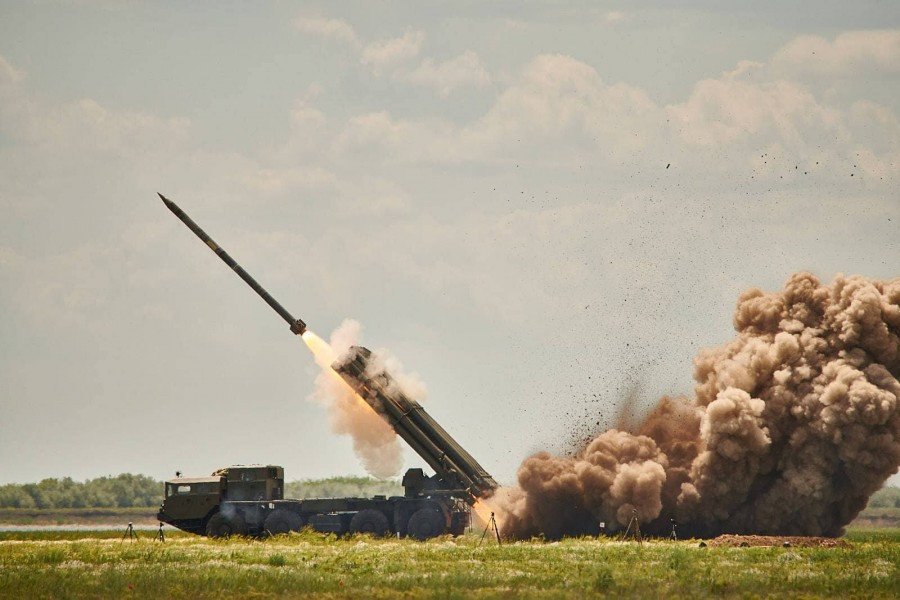
Ukraine is steadily advancing its long-range strike capabilities, moving from improvised wartime solutions to an independent missile arsenal. A new study traces this evolution and highlights both the progress and the challenges ahead.
According to MissileMatters on August 31, defense analyst Fabian Hoffmann examined Ukraine’s missile development from 2014 to 2025, describing several phases: post-Soviet capabilities, pre-war projects slowed by setbacks, wartime reliance on Western weapons, and now an emerging push toward indigenous heavy missile production.
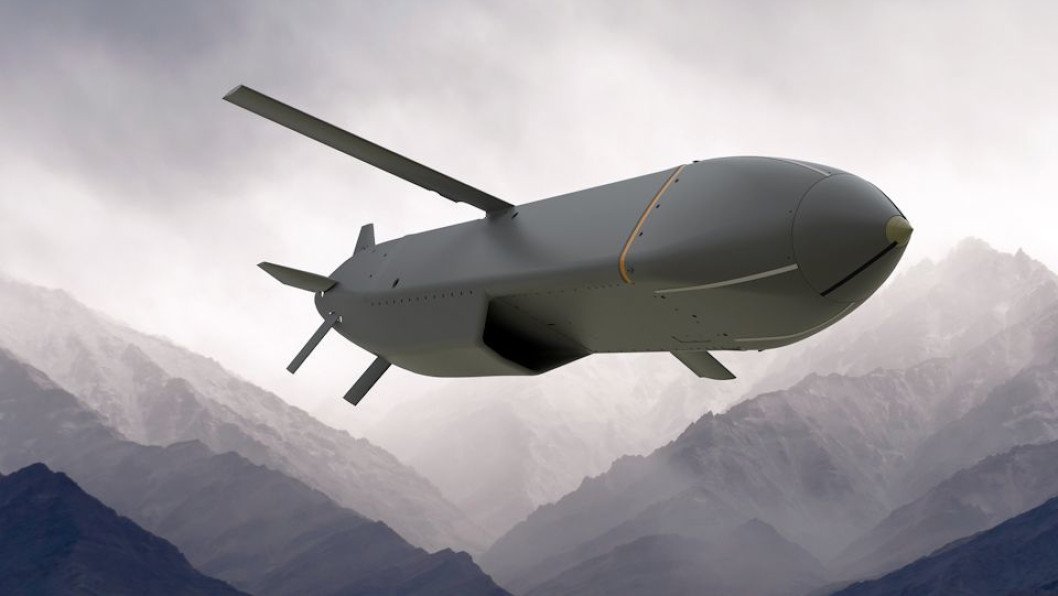
By 2023, Ukraine depended almost entirely on Western-supplied systems such as the Storm Shadow and SCALP-EG.
By 2025, the country fields a wide array of domestically produced drones and mini–cruise missiles, which now form the backbone of its strike capacity.
These lighter systems have disrupted Russian logistics and energy infrastructure but remain limited in payload and speed compared to heavier Western missiles.
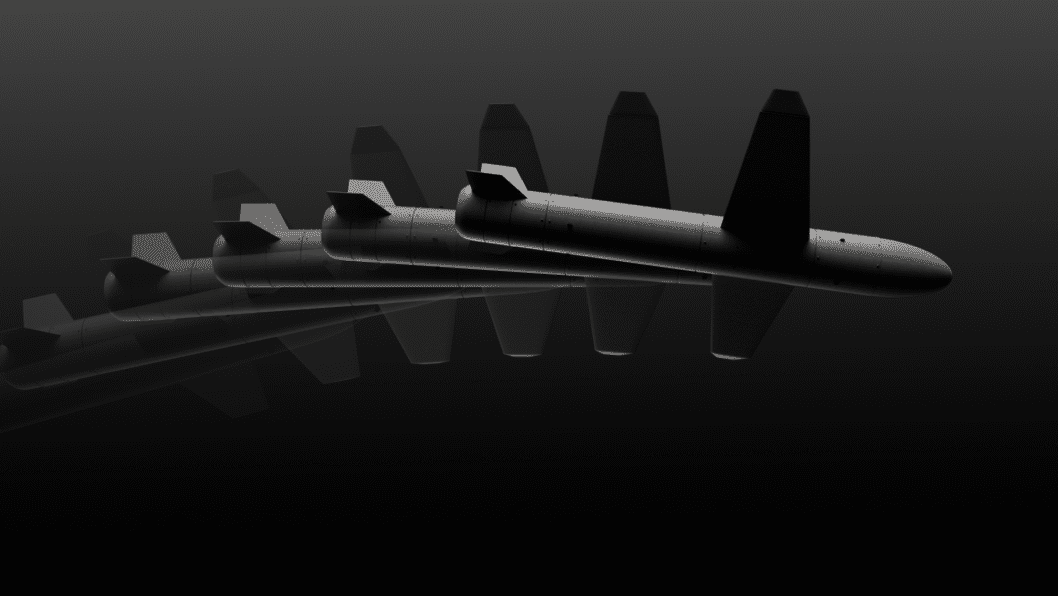
Recent announcements suggest Ukraine is working to close this gap. The unveiling of the Flamingo cruise missile—with a reported 3,000-kilometer range and a 1,150-kilogram payload—drew attention as a potential game-changer.
Yet questions remain about its developer, Fire Point, which is reportedly under investigation for corruption. Other projects include the Hrim-2 ballistic missile, said to have entered production in June 2025, the extended-range “Long Neptune” revealed in August, and the Korshun cruise missile based on legacy Kh-55 technology.
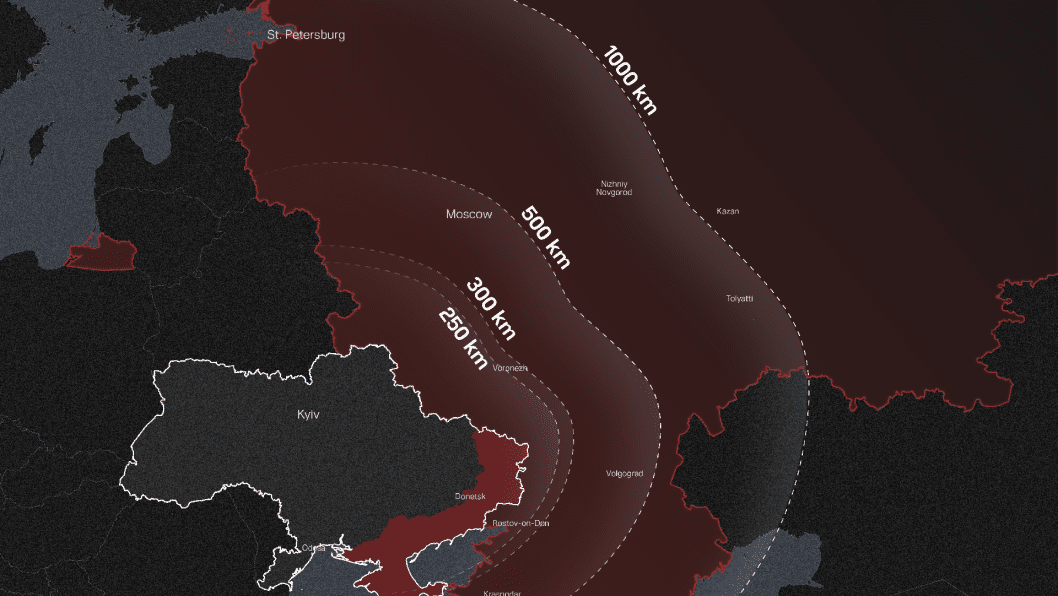
Hoffmann noted that without a mass-produced heavy missile, Ukraine’s long-range strikes cannot match the destructive impact of larger Western systems.
Nevertheless, the missile industry has demonstrated resilience despite Russian strikes on production sites, funding pressures, and reliance on foreign suppliers. Notable milestones include the Vilkha guided rocket system in 2018 and the Neptune cruise missile, which was used to sink the Russian cruiser Moskva in 2022.
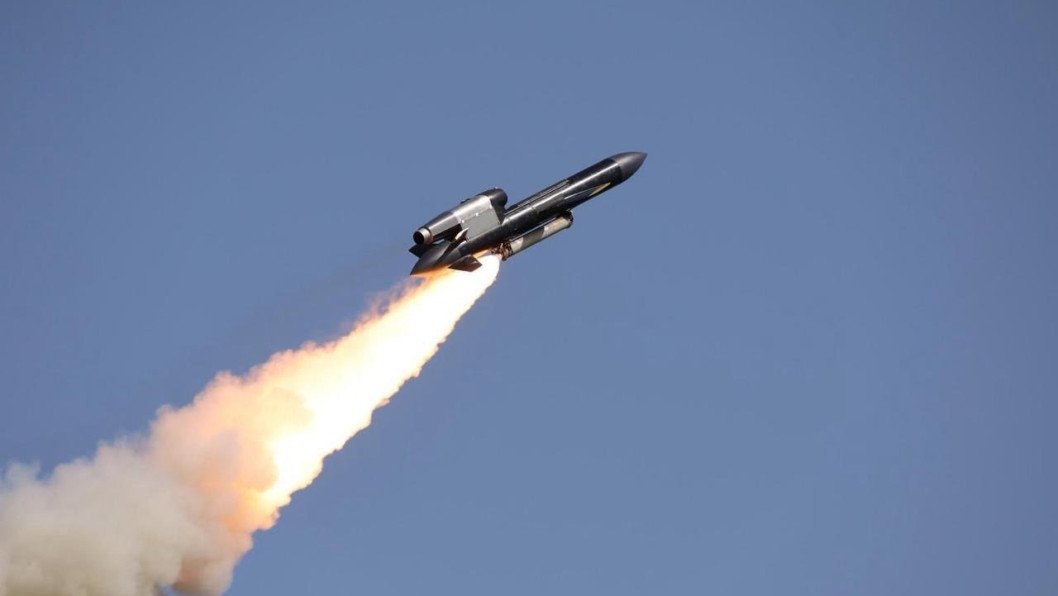
The study concludes that whether or not the Flamingo enters service, the broader trend is clear: Ukraine is seeking to add a true heavy-hitter to its arsenal.
Success in this effort would significantly increase the scale of destruction Ukraine could impose on strategic targets. However, high costs mean that sustained foreign financial assistance will remain critical as Ukraine expands its investment in long- and deep-strike systems.
Earlier, Ukraine confirmed the mass production of its Sapsan ballistic missile—officially known as the Hrim-2—following its first combat use in May. The missile can carry a 480 kg warhead at speeds over Mach 5 and strike targets up to 500 kilometers away. Presidential adviser Andriy Yermak hinted at more “surprises” for Russia, signaling continued expansion of Ukraine’s deep-strike capabilities.
Discuss this article:



-c439b7bd9030ecf9d5a4287dc361ba31.jpg "Photo of Katherina Popilnichenko")