- Category
- Latest news
Ukraine Tests “Gyurza-1” Exoskeleton to Turn Soldiers Into Load-Carrying Powerhouses
 Prefer U24 Media on Google
- Authors


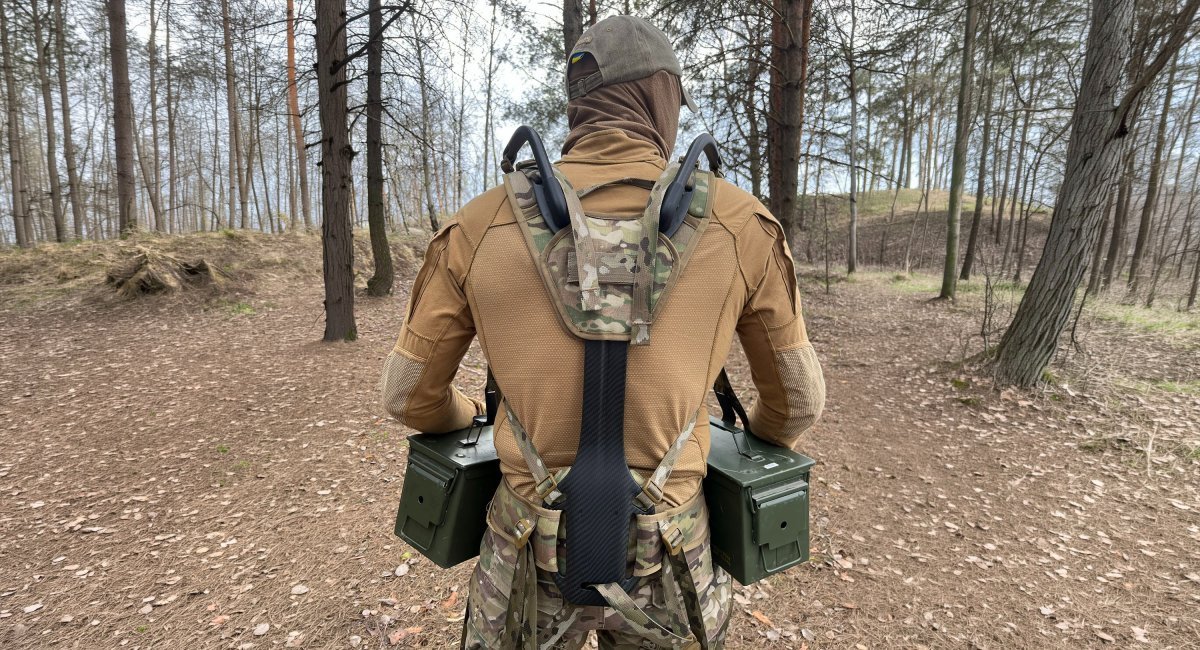
Ukraine’s Defense Forces are testing a new domestically developed passive exoskeleton, the “Gyurza-1,” designed to reduce physical strain on soldiers during combat and logistical operations.
We bring you stories from the ground. Your support keeps our team in the field.
According to Defense Express on April 21, the system is being trialed across multiple units as part of efforts to improve endurance and reduce injury risks among personnel performing physically demanding tasks.
Project lead Nazar Yasinskyi of Military Trade, a Ukrainian company behind the development, emphasized the operational need for such systems.
Бойова механіка, Сили оборони України випробовують новий пасивний екзоскелет "Гюрза-1" від Military Trade, що дозволяє переносити вантажі масою до 70 кг без критичного навантаження на хребет та м’язи спини
— DEFENSE EXPRESS (@DEFENSEEXPRESS) April 21, 2026
Читати: https://t.co/ZIcoi5jLhb pic.twitter.com/UBJyY2mJDW
“Our soldiers carry out logistical and combat tasks, many of which involve lifting and transporting various loads. This requires, at a minimum, strong physical conditioning. However, due to health and age, a significant number of our personnel do not meet the extreme demands of war. Exoskeletons help them withstand enormous strain,” he said, cited by Defense Express.
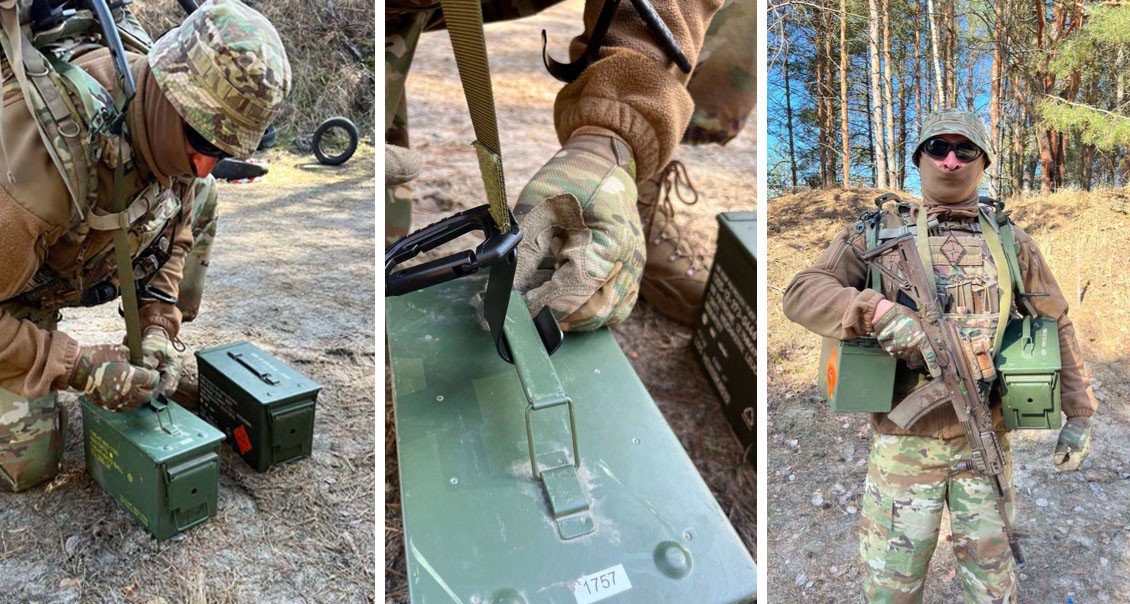
The Gyurza-1 is a fully mechanical, passive exoskeleton that operates without electronics or batteries. It weighs under two kilograms and enables users to carry loads of up to 70 kilograms while significantly reducing stress on the spine and back muscles.
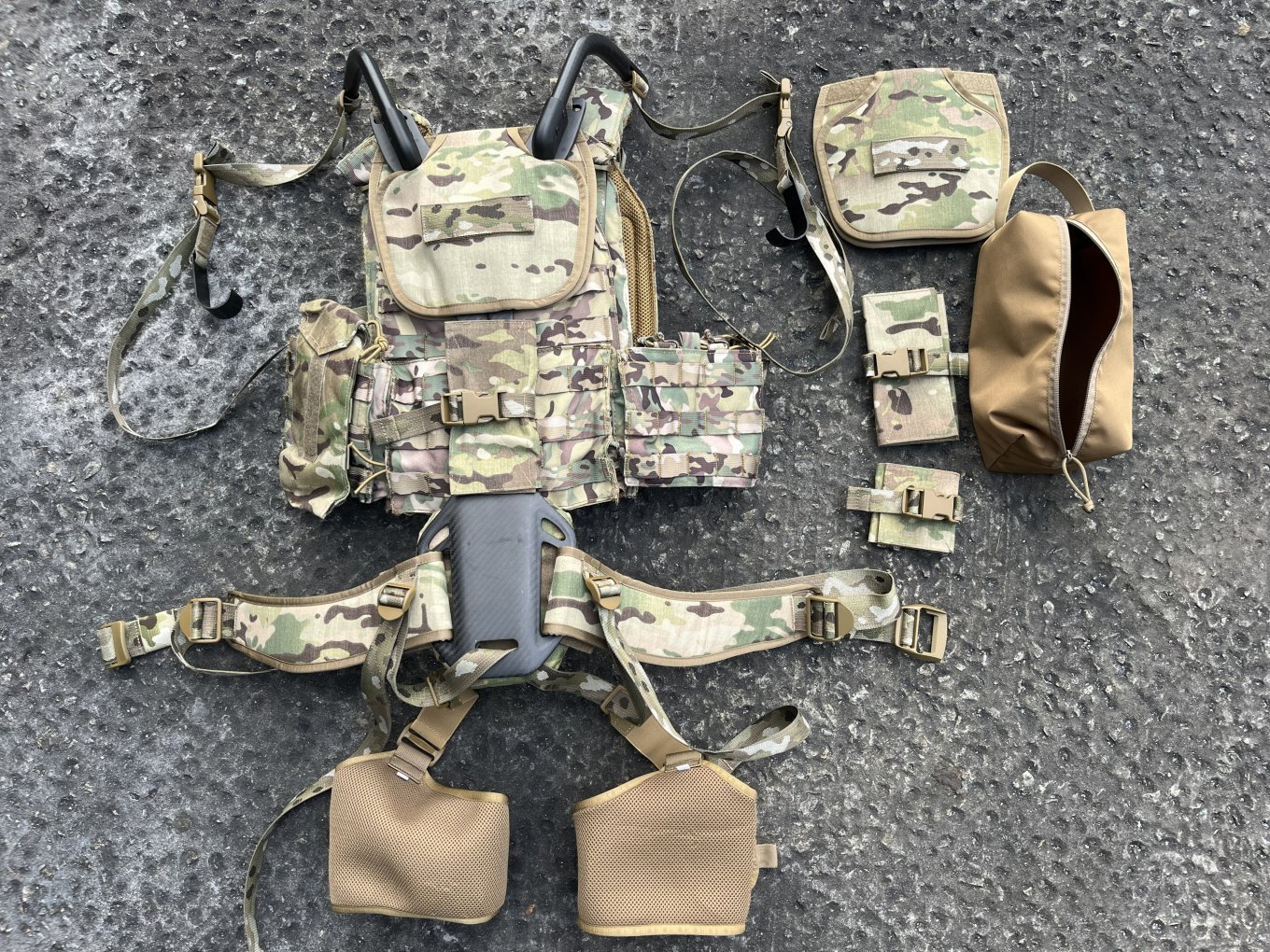
The system redistributes weight through a rigid back plate and support structure, transferring load from the upper body to the pelvis and legs. Its design includes shoulder supports, a waist module, and adjustable leg braces, allowing it to be fitted to individual users and integrated with standard military gear, including body armor.
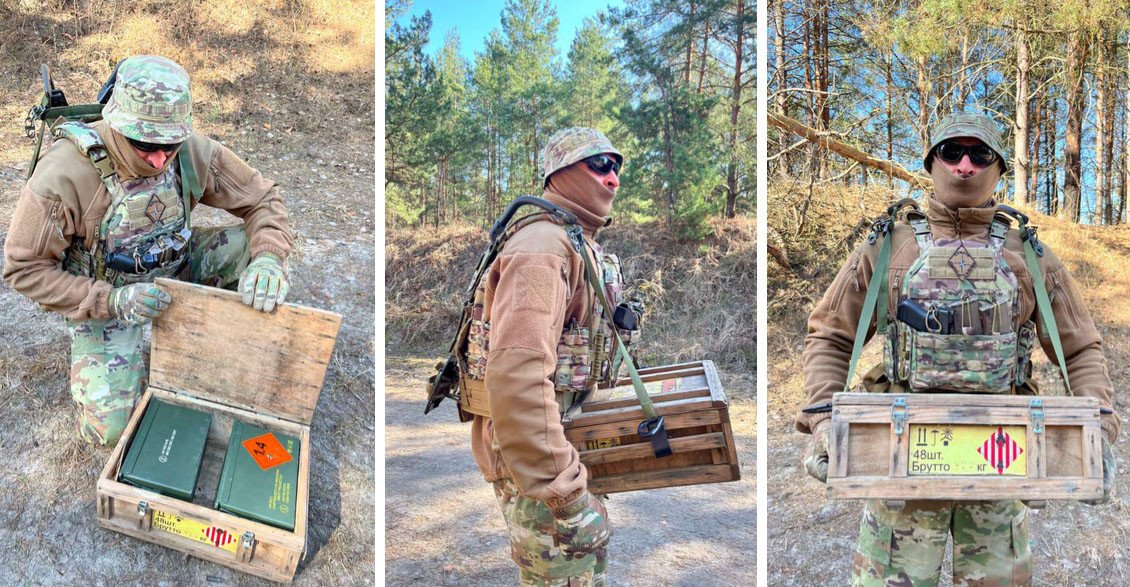
Military Trade states that the exoskeleton can be donned or removed in under two minutes and does not restrict mobility or increase a soldier’s physical profile, making it suitable for both frontline and support roles. The system is intended for tasks such as transporting ammunition, supplies, and evacuating wounded personnel.
Yasinskyi also noted the potential operational impact of earlier adoption. “If such devices had been available to me and my subordinates much earlier, I would have considered it a gift of fate,” he said, as cited by Defense Express.
The company initially developed separate variants for rear and frontline use but later consolidated them into a single modular system under the Gyurza-1 designation. The kit includes all components required for standalone use or integration with protective equipment.
Developers highlight advantages over powered exoskeletons, including the absence of battery limitations, reduced mechanical complexity, and fewer obstacles to providing medical aid in case of injury.

The system is currently undergoing field testing, with preliminary feedback described as positive. Military Trade representatives told Defense Express that data from combat and support use is being collected to refine the design, with the goal of scaling production in the near term.
Earlier, Ukrainian airborne assault forces began testing exoskeleton systems on the front lines in the Pokrovsk direction, distributing early models among combat units to support logistics and artillery operations. The systems reduced physical strain and improved endurance, particularly for artillery crews handling heavy ammunition under combat conditions.
Discuss this article:
-9a7b3a98ed5c506e0b77a6663f5727c5.png)