- Category
- Latest news
Ukraine Turns Robot Into Helicopter Killer—And It Actually Works
 Prefer U24 Media on Google
- Authors


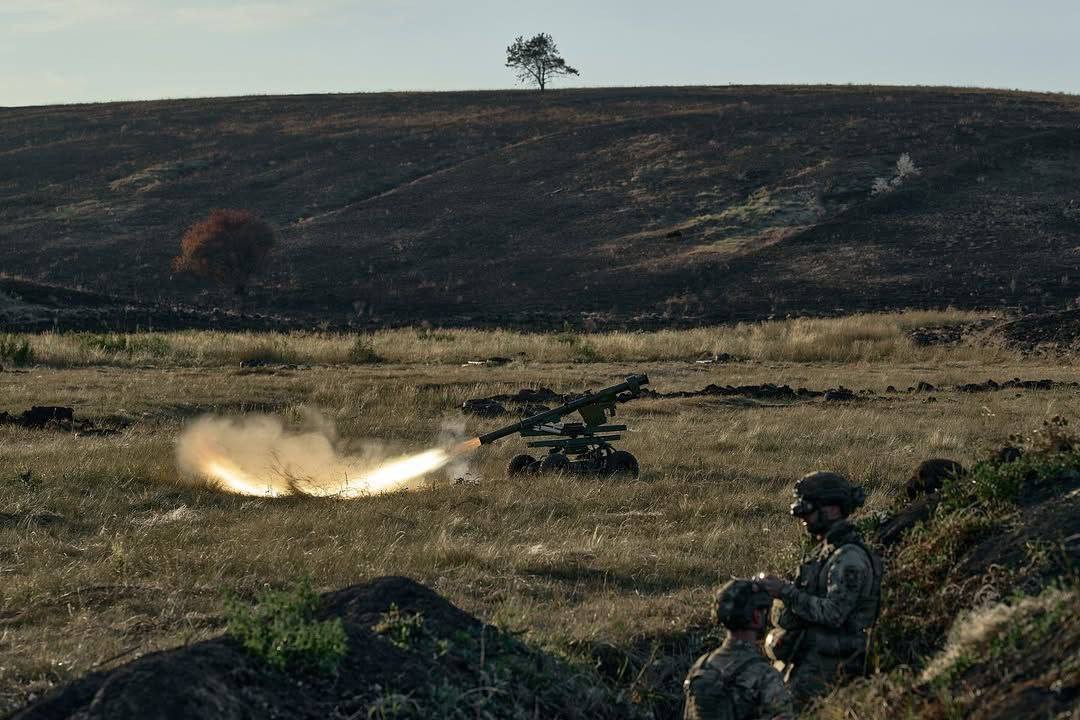
Ukrainian soldiers from the 28th Mechanized Brigade have developed a new mobile air defense system by mounting an Igla man-portable air defense system (MANPADS) onto an unmanned ground vehicle (UGV), according to official statements by the brigade.
The robotic short-range system was designed and assembled by the brigade’s in-house engineering team and has already been used in combat. According to the brigade, the platform is credited with downing at least one Russian helicopter.
The system features a custom-built mount for the Igla launcher, allowing it to be remotely operated via a targeting module.
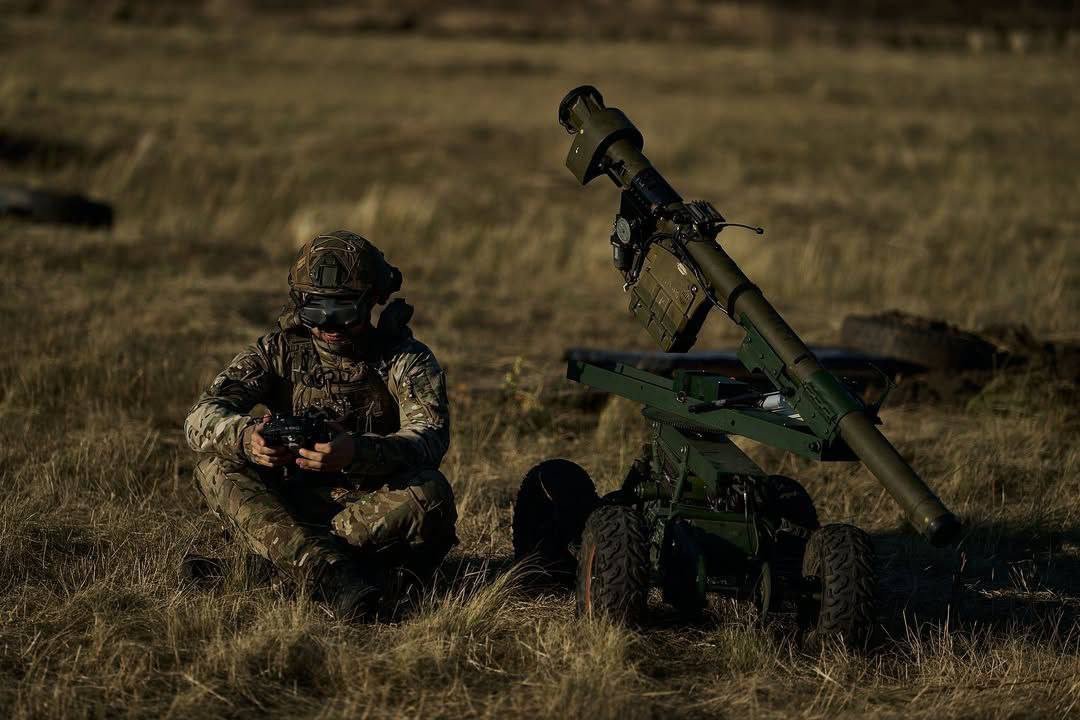
This design enables operators to track and fire at aerial targets from cover, minimizing exposure to enemy fire—especially from Russian first-person-view (FPV) drones, which increasingly monitor frontline infantry movement.
“Their aircraft, helicopters, and reconnaissance UAVs frequently operate over our infantry positions,” the brigade noted in a statement. “Where previously MANPADS could be used directly from trenches, now FPV drones make it difficult for soldiers to even leave cover.”
Images shared by the unit show the UGV navigating rough terrain with the Igla launcher mounted on top. The compact size and remote control capabilities suggest the platform is intended for rapid deployment and repositioning in contested or high-risk zones.
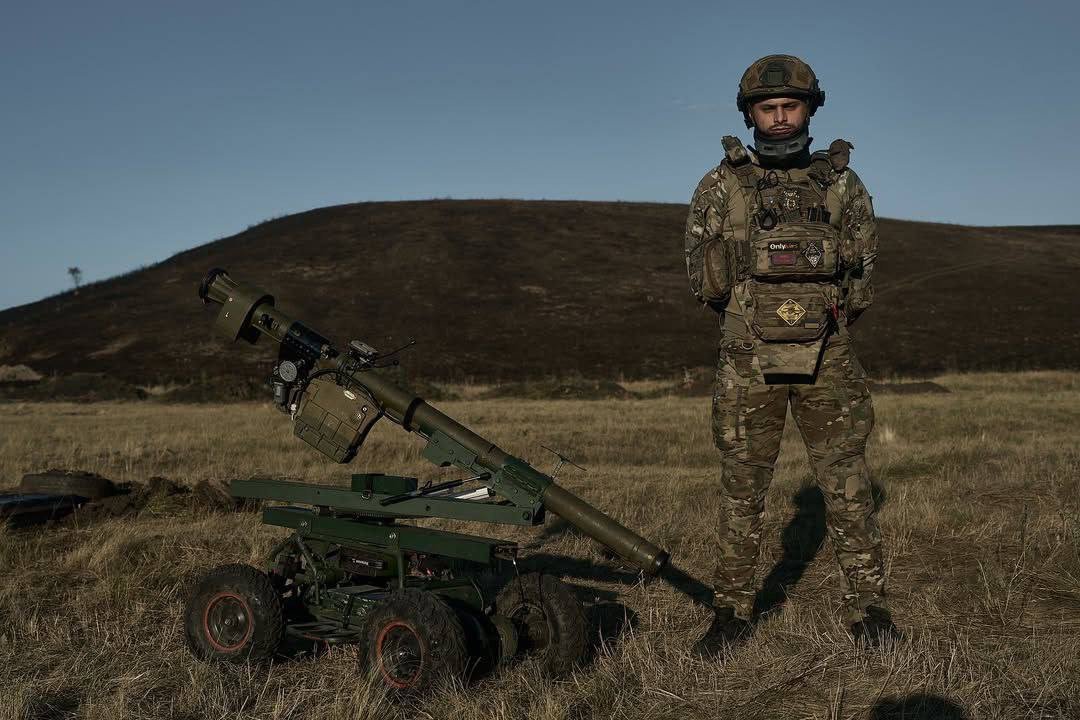
The initiative is part of Ukraine’s broader wartime adaptation strategy, which includes repurposing existing systems for improved mobility and survivability on the battlefield. The brigade has already launched a fundraiser to produce 10 additional platforms, which will be assembled by military personnel.
This development adds to a growing number of improvised yet effective solutions created by Ukrainian forces to counter persistent aerial threats, particularly from low-flying helicopters and drones operating near the front lines.
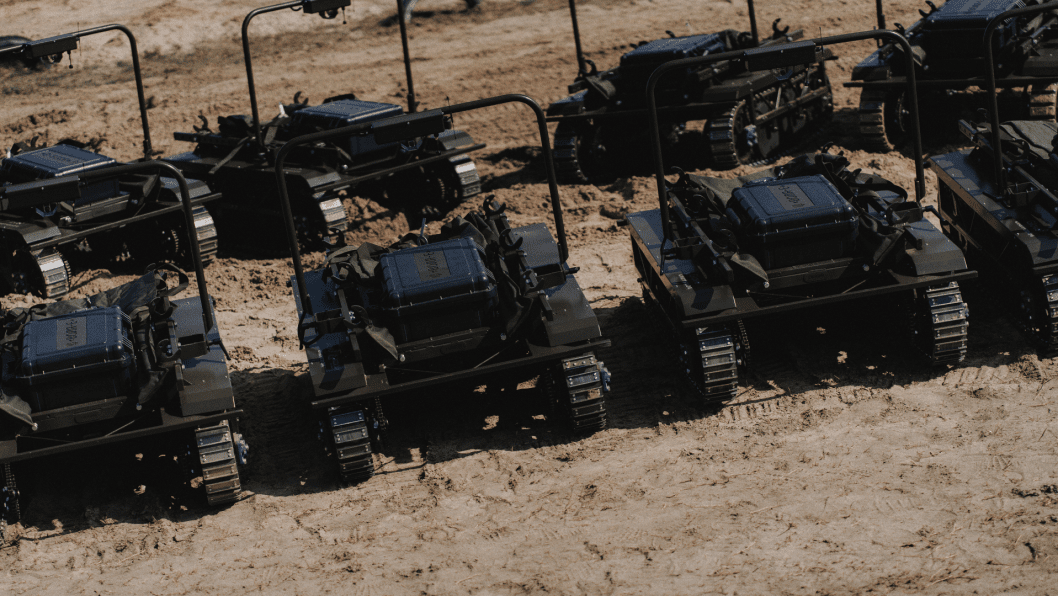
Earlier, Ukraine’s 20th Separate Battalion of Unmanned Ground Complexes (K-2) announced the formation of the world’s first dedicated unit of unmanned ground vehicles (UGVs). The battalion, active since late 2024, has already conducted successful frontline missions—including the evacuation of wounded soldiers—using robotic systems, and is now expanding recruitment to scale operations.
Discuss this article:


-c439b7bd9030ecf9d5a4287dc361ba31.jpg "Photo of Katherina Popilnichenko")