- Category
- Latest news
Ukraine’s F-16s Take Over the Skies, Flying 80% of Combat Missions Against Russia
 Prefer U24 Media on Google
- Authors


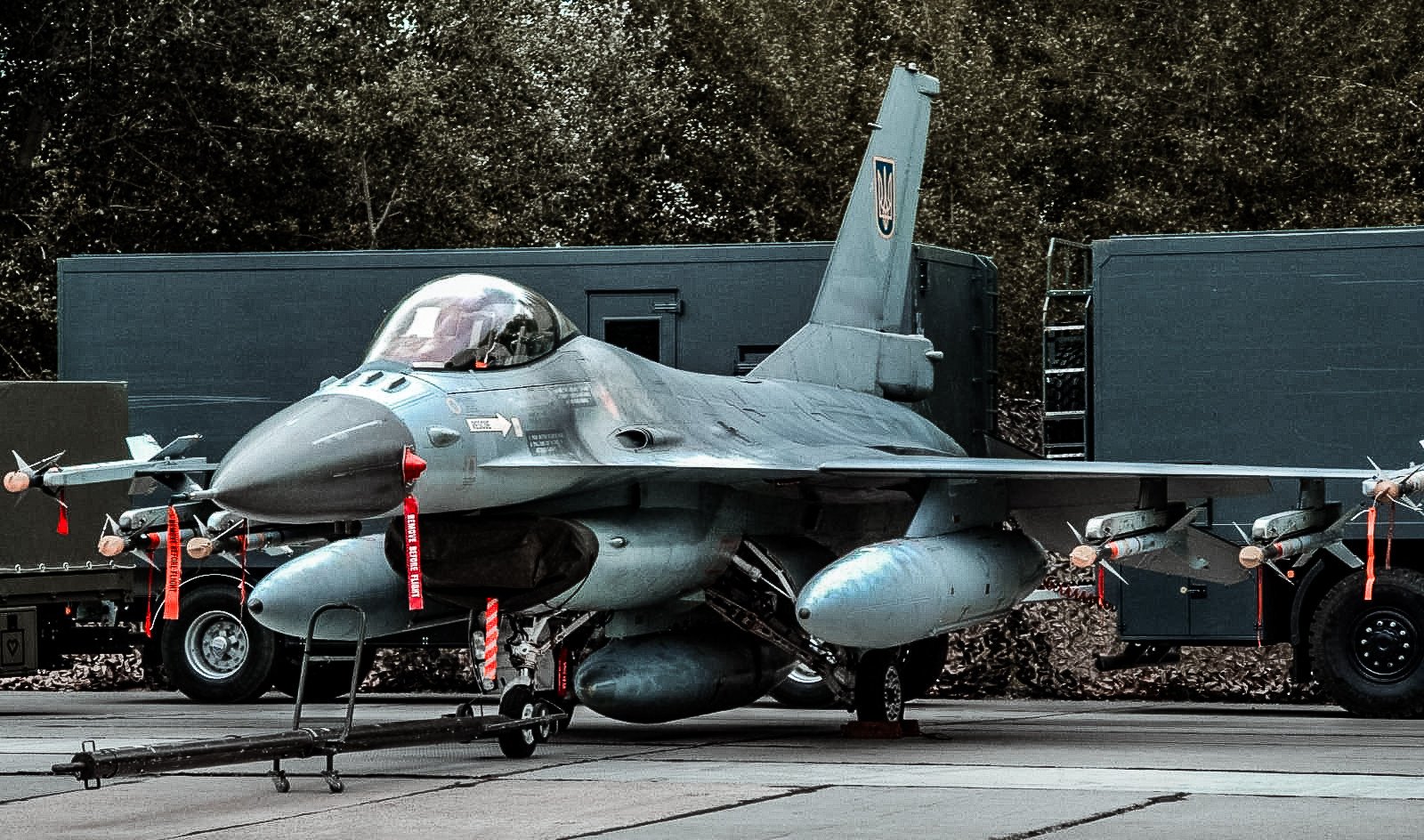
F-16 Fighting Falcon (Viper) fighters supplied to Ukraine as part of Western military aid are now flying roughly 80% of the Ukrainian Air Force’s combat sorties, according to a report in Air & Space Forces Magazine on October 7.
The jets are heavily tasked with intercepting Russian cruise missiles and Shahed-type loitering munitions that have been targeting Ukraine’s infrastructure and population.
F-16 UAF in action 🫡 pic.twitter.com/UHunhisjhO
— Ukrainian Air Force (@KpsZSU) September 29, 2025
The article profiles one of Ukraine’s top F-16 pilots, identified only by his call sign “AB,” who visited the Mitchell Institute for Aerospace Studies earlier this month and described how the Viper has changed the balance of air operations.
A former MiG-29 pilot, AB said Ukrainian F-16 squadrons have carried out “hundreds” of successful air-to-air engagements, shooting down incoming cruise missiles and suicide drones that function like long-range precision-guided weapons.
“Ukraine’s small fleet of F-16s, flown by a comparably small number of F-16 pilots, now fly roughly 80 percent of all Ukrainian Air Force sorties,” the magazine reported.
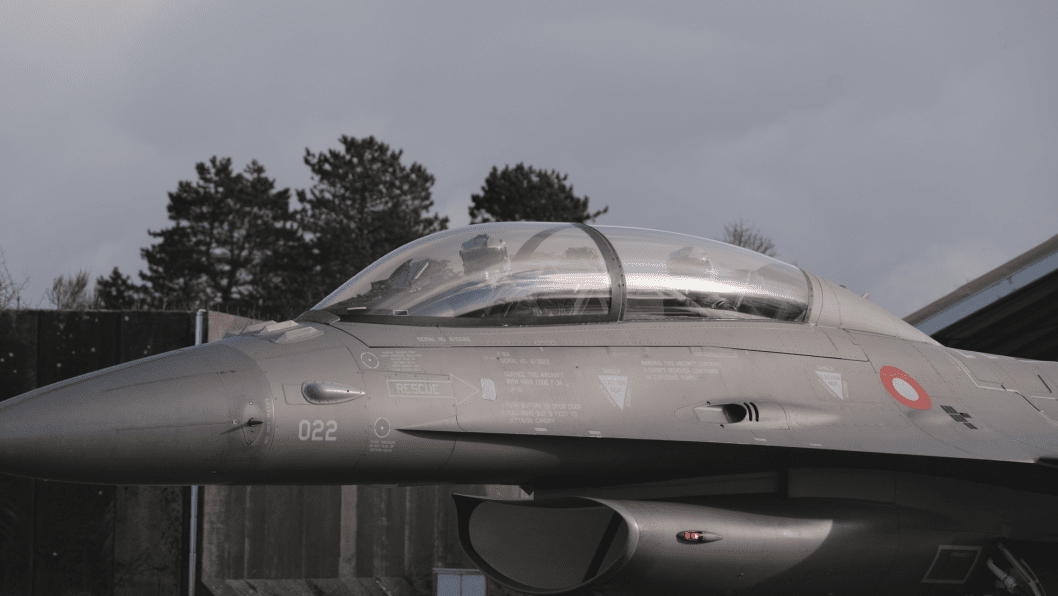
Despite receiving older block variants rather than the newest production models, Ukrainian crews and maintainers have adapted quickly, sustaining high sortie rates under sustained enemy fire.
The F-16’s combination of radar performance, situational awareness, and precision-weapons integration has allowed Ukrainian pilots to conduct both defensive counter-air missions and strikes against ground targets.
Pilots also regularly use the aircraft’s internal cannon to engage small, low-signature targets such as attack drones when missiles are not practical.
AB emphasized the growing problem of Russian electronic warfare. “Jamming, spoofing, and interference must be overcome daily,” he told Mitchell Institute staff, stressing that more and better EW systems and countermeasures are urgently needed if Ukraine is to keep a tactical edge in an increasingly contested electromagnetic battlespace.
Sustainment remains a major vulnerability for Kyiv. The Ukrainian F-16 fleet consists largely of legacy Block 10/15 aircraft donated by partner nations; keeping them flying requires a steady pipeline of parts, spares, and technical support that only Western partners can reliably provide.
Ground crews in Ukraine have improvised training and logistics to maintain operations, often under austere conditions and with limited outside contractor support.
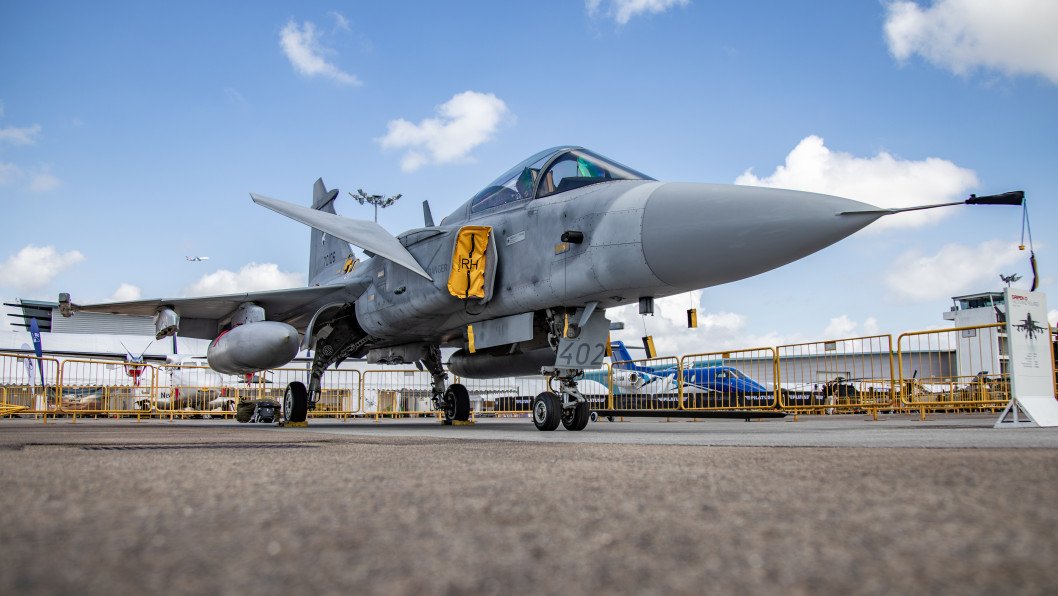
The magazine also highlights a tactical shift: Ukrainian squadrons have embraced concepts akin to agile combat employment, dispersing and operating from multiple, sometimes rudimentary, airfields to complicate Russian targeting and preserve sortie generation. That approach has helped Ukraine maintain continuous operations despite repeated strikes on air bases.
AB expressed gratitude for partner support but underlined continued material needs. “Block 70 F-16s and more missiles. There are a lot of targets to shoot down,” he said, noting that victory depends as much on electronic and logistical resilience as on individual airframes.
Earlier, the US Air Force signed a nearly $26 million contract with Lockheed Martin to support the transfer of F-16 fighter jets to Ukraine. The US Department of War confirmed the deal, which aims to assist in the Foreign Military Sales (FMS) program.
Discuss this article:



-c439b7bd9030ecf9d5a4287dc361ba31.jpg "Photo of Katherina Popilnichenko")