- Category
- Latest news
Ukraine’s Neptune Strike Destroys Two Russian Drone Workshops, Satellite Images Confirm
 Prefer U24 Media on Google
- Authors


Ukrainian forces struck the Atlant Aero facility in Taganrog using Neptune cruise missiles, damaging at least two production buildings at the site, according to satellite imagery published on April 20.
We bring you stories from the ground. Your support keeps our team in the field.
According to Radio Svoboda, analysis of Planet Labs satellite images confirmed significant damage to structures located within the inner section of the plant.
The outlet reported that one workshop sustained heavy destruction, while another was partially damaged, with roughly half of its structural frame affected.
Ukraine's Neptune missile struck a drone factory in Taganrog, Russia, destroying or critically damaging at least two buildings at the Atlant Aero facility. pic.twitter.com/GD8RbcKy3k
— 🚨Global Alert (@trendingnews911) April 20, 2026
The strike took place on the morning of April 19 and targeted a facility linked to the production of unmanned aerial systems used by Russian forces. The attack was reportedly carried out by units of Ukraine’s Naval Forces using Neptune cruise missiles.
Data from Ukraine’s Defense Intelligence War & Sanctions portal indicates that the Atlant Aero plant manufactures Molniya-series unmanned systems, including the Molniya-1 and Molniya-2 loitering munitions, as well as the Molniya-2R reconnaissance variant.
The facility is located approximately 40 to 50 kilometers from Ukraine’s state border, placing it within operational range for multiple Ukrainian strike capabilities. Satellite imagery reviewed by Radio Svoboda shows that the damage was concentrated on internal production zones rather than peripheral infrastructure.
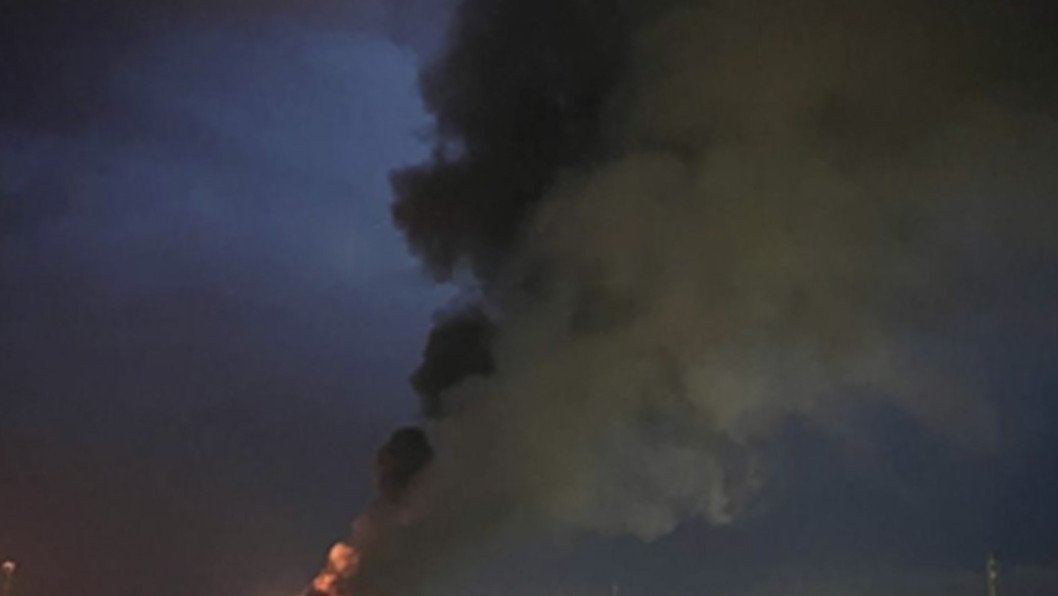
According to Radio Svoboda, this is not the first time the site has been targeted. A previous Ukrainian strike in January damaged another structure at the plant, which was later demolished. The facility is situated near the Beriev aircraft plant, another site that has been repeatedly targeted in Ukrainian long-range strike operations.
Developed by Ukraine’s Luch Design Bureau, the Neptune is a coastal anti-ship cruise missile system originally designed to target surface vessels at sea. Since 2022, the system has been adapted for broader strike roles, including land-attack missions.

Based on the Soviet Kh-35 design, Neptune incorporates extended range, improved guidance, and enhanced resistance to electronic warfare. Originally designed with a range of up to 280–300 kilometers, the system has since been upgraded, with Ukrainian officials stating that its extended “Long Neptune” variant can reach targets at distances of up to 1,000 kilometers.
Neptune has been used in several high-profile operations during Russia’s full-scale invasion. In April 2022, two Neptune missiles struck and sank the Russian Black Sea Fleet flagship Moskva, marking one of the most significant naval losses in modern warfare.
Discuss this article:
-9a7b3a98ed5c506e0b77a6663f5727c5.png)


-c439b7bd9030ecf9d5a4287dc361ba31.jpg "Photo of Katherina Popilnichenko")