- Category
- Latest news
US and NATO Still Unprepared for the War Ukraine Is Fighting, Says Defense Tech Investor
 Prefer U24 Media on Google
- Authors


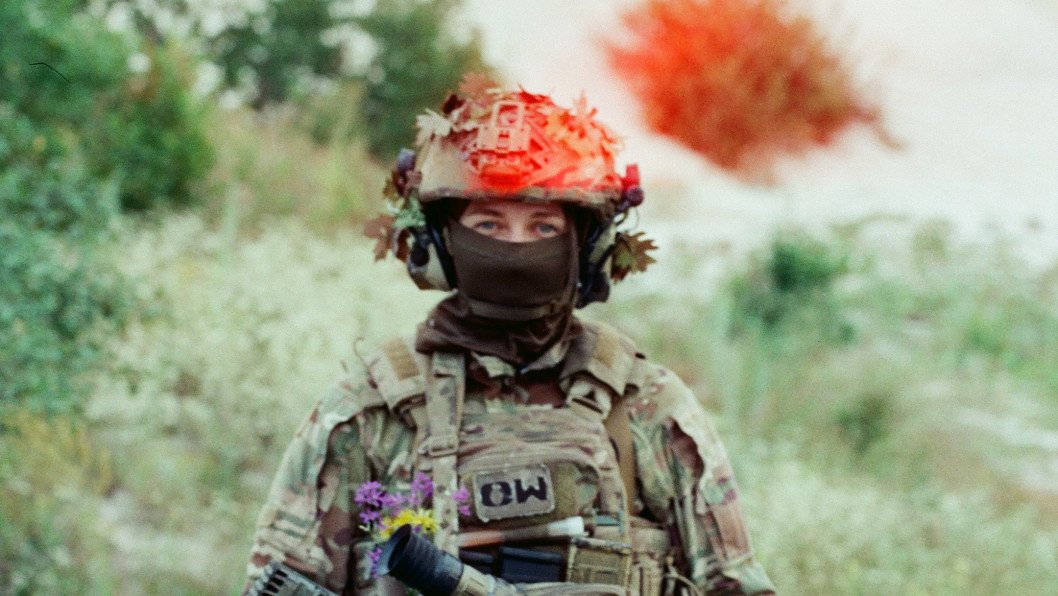
Deborah Fairlamb, founder of the US-based defense tech fund Green Flag Ventures, says the US and NATO are unprepared for the kind of warfare Ukraine is already fighting.
In an interview with The War Zone on July 30, Fairlamb—who stayed in Ukraine after Russia’s full-scale invasion and now funds projects on drone swarms, communications, and counter-UAV systems—warned that the West is moving far too slowly.
She argues that Ukraine’s battlefield innovations have played a critical role in resisting Russia, yet those lessons are being overlooked. “The fact that the West is not paying a lot of attention to what’s going on here is deeply alarming. The speed at which this technology is evolving, and that the US, Europe and NATO are all really slow,” she said.
Fairlamb emphasized that Russia and China are likely to fight future wars using massive swarms of cheap, destructive tools.
“But in the context of the damage, just even the psychological initial damage that Russia could do in Europe, or if the Chinese send something over the mainland United States—just thousands of drones that there’s no good way to take down—as a preliminary start to some kind of a ground war. There are a lot of very scary scenarios that are out there that I am not seeing a lot of response to yet.”
She criticized the rigidity of many Western systems sent to Ukraine, saying they’re often not built for fast battlefield adaptation.
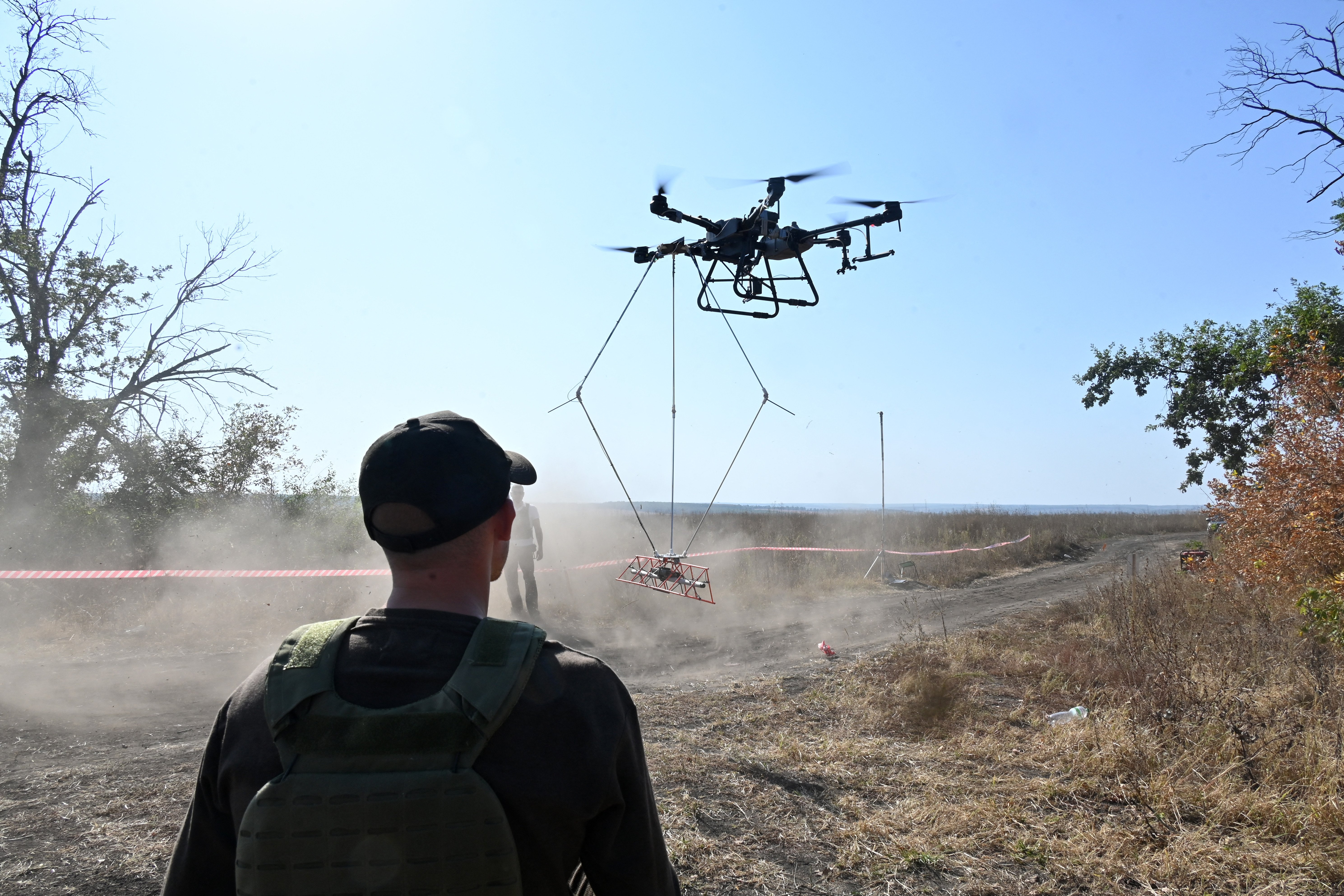
“It is mostly in the UAV space. So whether the small quadcopter or, maybe an octocopter that’s big enough to do replenishing—bringing stuff out to the front line, dropping things. Or ISR and to some degree longer fixed range. So, yes, most of what we have seen in terms of the stuff that seems to be most egregious is with the companies making the drones themselves,” Fairlamb said.
“And again, it’s not that—I really want to emphasize this—it’s not that the tech is bad, or it’s they built it outside of Ukraine. They came in, it didn’t work because of the electronic warfare, because of the GPS denial, and they’re going back, and they still haven’t fixed the problem,” she said.
Fairlamb also pointed to cost and scale: most drones used in Ukraine cost under $1,000. Even more advanced systems top out around $30,000—making large-scale deployment possible. “You can’t have drones that are costing you $100,000, $200,000 a pop.”
She warned that the US procurement process is too slow to keep pace with battlefield realities. While Ukraine’s defense ministry can approve and purchase proven tech within months, US cycles can take years. She praised Ukraine’s reforms that allow battalions to directly buy from vetted suppliers—cutting red tape and speeding delivery.
Fairlamb recalled a Ukrainian tech commander explaining how the lifespan of new tools is shrinking.
“And he said, ‘you know, in 2022 if something was out there, it had maybe about seven months that it lasted before there was some new technology, or we had to change it, because the Russians had done something.’ And he said, ‘In 2023, it was like five to six months. We needed to change the hardware and make substantial changes.’ In 2024 it was down to about four months, maybe three and a half. And he said, ‘in this first half of 2025 we’re changing things [faster]. Now it’s a month and a half to a month sometimes.’”
She noted the Pentagon’s Replicator initiative was a promising step, but said it’s still constrained by outdated rules. “They all really are very earnest in what they are doing, but they are working within the confines of the old structure and the old framework. So I think that’s sort of the hardest thing.”
Previously, Ukrainian President Volodymyr Zelenskyy has set a new target for domestic drone manufacturers: producing at least 1,000 interceptor drones daily to strengthen national air defenses. He made the statement during a July 25 visit to a drone production facility.
Discuss this article:



-111f0e5095e02c02446ffed57bfb0ab1.jpeg "Photo of Roman Kohanets")


-72b63a4e0c8c475ad81fe3eed3f63729.jpeg "Photo of Cyril Barabaltchouk")