- Category
- Latest news
Western Intelligence Faces Off With Moscow Over Custody of Alleged GRU Bomb-Plot Agent
 Prefer U24 Media on Google
- Authors



Russia’s intelligence agencies and several Western security services are locked in a covert contest over the fate of Yaroslav Mikhailov, a Russian national accused of helping orchestrate last year’s plot to send incendiary devices through European air-cargo systems, The Washington Post reported on November 18.
Mikhailov—believed to have played a central role in designing and coordinating the devices—fled Europe using falsified documents and has since been stranded in Azerbaijan, where he is under surveillance but not formally detained, according to officials from five Western countries.
Western officials told The Washington Post that the heads of Russia’s three main intelligence agencies—the FSB, SVR and GRU—have personally pressured Baku to return Mikhailov to Russia.
Meanwhile, Poland, backed by Britain, Lithuania, and Ukraine, has urged Azerbaijan to reject Moscow’s request and instead extradite him to face terrorism charges in Europe.
A confidential Interpol filing reviewed by the Post describes Mikhailov as acting under direction from Russian intelligence during the operation.
The parcel fire plot
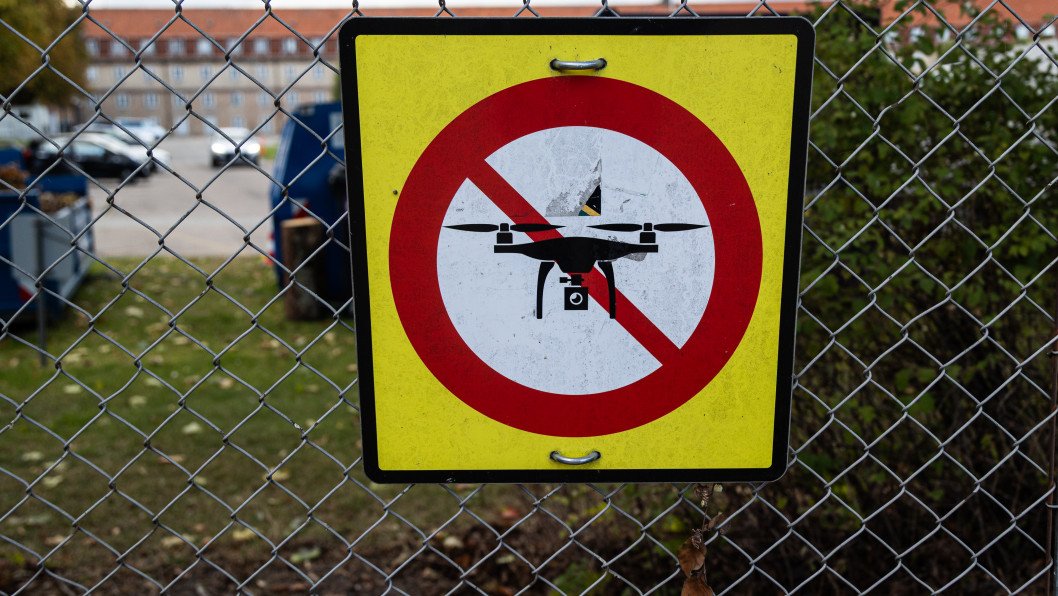
The July attack involved packages sent through Lithuania and delivered to cargo hubs in Germany, Poland, and the United Kingdom. The parcels contained small, time-based incendiary devices built using a magnesium compound, officials said. The fires caused damage at logistics centers and, according to European authorities, could have brought down aircraft had they ignited mid-flight.
Mikhailov allegedly worked as an intermediary between GRU handlers in Russia and a loose network of low-level recruits and criminal facilitators across Europe. Investigators say at least 20 people in Lithuania and Poland now face charges linked to the plot.
Links to Russian cyber networks
European officials also identified an online figure known as “Warrior”—tied to Aleksey Kolosovskiy, a suspected member of the pro-Russian hacking collective Killnet—as a key point of contact for Mikhailov inside Russia. Kolosovskiy denied involvement when contacted by the Post.
A broader hybrid warfare campaign
The cargo-bomb scheme is viewed by Western intelligence services as one of Russia’s most hazardous sabotage attempts since the start of its full-scale invasion of Ukraine—part of a wider pattern of arson, coordinated vandalism, and proxy-driven attacks across Europe.
US intelligence reportedly warned Moscow after determining that the European fires may have been a rehearsal for similar attacks on transatlantic cargo routes to the United States and Canada.
Azerbaijan caught in the middle
Azerbaijan has resisted both Moscow’s demands and European extradition requests, leaving Mikhailov in a year-long legal gray zone. Western officials note that relations between Moscow and Baku deteriorated sharply after a Russian air-defense battery mistakenly downed an Azerbaijani passenger jet last year, killing 38 people—a factor that may strengthen Europe’s position.
Evidence of wider planned attacks
Documents obtained by the Post indicate that the same GRU-linked network prepared materials for additional waves of sabotage, including explosives hidden inside everyday consumer containers and hardware resembling drone-mounted devices. Investigators also uncovered caches of explosives disguised as grocery items in Lithuania.

Security officials told the Post that Mikhailov represents a new GRU strategy: outsourcing operations to criminals and freelancers paid in cryptocurrency, giving Moscow deniability while expanding its footprint in Europe.
Even so, Russia appears determined to prevent him from falling into European custody—a move experts say reflects fears that a trial could expose sensitive details about Moscow’s hybrid-warfare infrastructure.
Earlier, it was reported that allied surveillance and refueling aircraft conducted multiple missions across Europe this week, operating near Russia and Ukraine as part of NATO’s ongoing monitoring and deterrence efforts.
Discuss this article:
-ee9506acb4a74005a41b4b58a1fc4910.webp)

-c439b7bd9030ecf9d5a4287dc361ba31.jpg "Photo of Katherina Popilnichenko")