- Category
- Latest news
What Did the US Just Lose at Prince Sultan Saudi Air Base After Iran’s Strike?
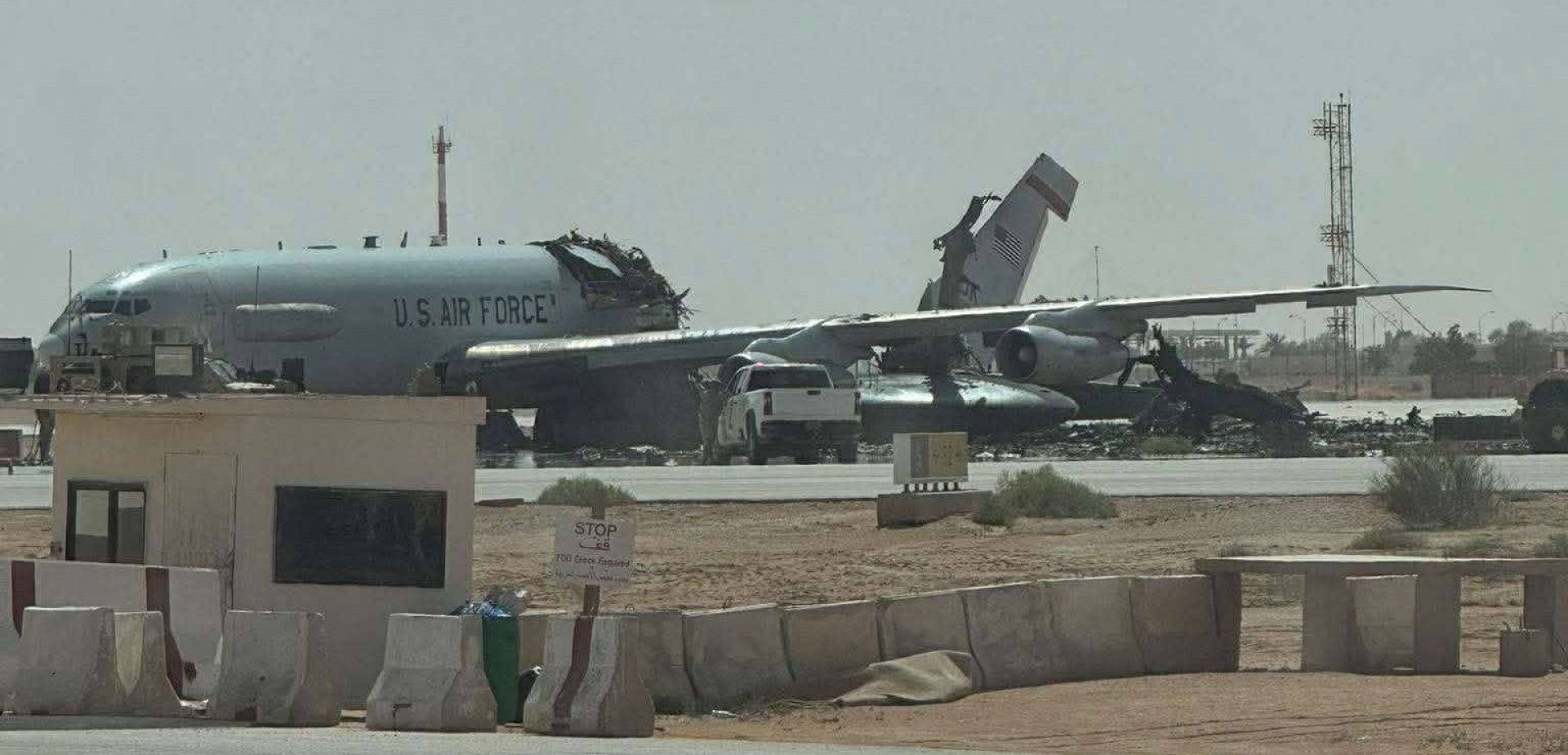
A series of reported missile and drone strikes on a US-operated air base in Saudi Arabia may have damaged some of the military’s most sensitive and high-value assets, raising fresh concerns about the vulnerability of advanced systems to sustained attacks.
 Prefer U24 Media on Google
- Authors


A US-operated air base in Saudi Arabia has reportedly suffered significant damage following repeated strikes involving Iranian drones and ballistic missiles, raising concerns about the vulnerability of high-value assets in the region.
According to Defense Express on April 2, Prince Sultan Air Base has come under sustained attack since the start of a recent military operation, with multiple incidents resulting in damage to critical equipment and aircraft.
We bring you stories from the ground. Your support keeps our team in the field.
Electronic warfare aircraft among latest losses
Recent reports indicate that two EC-130H Compass Call electronic warfare aircraft were damaged in the latest strike, representing a substantial portion of the US fleet of these specialized platforms.
The extent of the damage remains unclear. However, given the age of the aircraft—around four decades old—even moderate damage could render them beyond economical repair.
The EC-130H has long served as a key platform for electronic warfare missions, but it is already being phased out and replaced by the newer EA-37B Compass Call.
Missing in the conversation about the attack on Prince Sultan Airbase is the absence of 3 C-130 type aircraft in proximity to the KC-135/135's that "appear" to have been damaged/destroyed in an attack. At least two EC-130's were deployed to CentCom AOR and the -130's on the ramp… pic.twitter.com/LOn7M61p39
— MeNMyRC (@MeNMyRC1) March 30, 2026
In response to the reported damage, two EA-37B aircraft have reportedly been dispatched from the United States to reinforce capabilities in the region.
Strike may have hit multiple high-value targets
The same missile strike is believed to have also destroyed a KC-135 Stratotanker aerial refueling aircraft at the base, further compounding the losses.
Earlier reports also indicated the destruction of an E-3G Sentry airborne early warning aircraft, a particularly sensitive loss given the limited number of such platforms available and the absence of a direct replacement currently in service.
Pictures show the total loss of 81-0005, an E-3G “Sentry” Airborne Early Warning and Control (AEW&C) Aircraft with the U.S. Air Force’s 552nd Air Control Wing based out of Tinker Air Force Base, Oklahoma, following yesterday’s Iranian ballistic missile and drone attack on Prince… pic.twitter.com/NNnILybnrU
— OSINTdefender (@sentdefender) March 29, 2026
Critical missile defense radar reportedly destroyed
Among the most significant reported losses is the destruction of an AN/TPY-2 radar system, a key component of the THAAD missile defense architecture.
If confirmed, the loss of this radar would severely degrade the base’s ability to detect and track incoming ballistic missile threats.
Without it, the remaining Patriot air defense systems may not be sufficient to provide full protection against advanced missile attacks.
The estimated cost of a single AN/TPY-2 BMD Radar ranges from $500 million to $1 billion, with the United States only operating a total of thirteen, the 13th being delivered to the U.S. Missile Defense Agency by RTX's Raytheon in 2025. https://t.co/CgybEJJfQR
— OSINTdefender (@sentdefender) March 6, 2026
Mounting risks for high-value assets
The situation highlights the growing challenge of defending fixed military installations against a mix of drones and ballistic missiles.
The reported losses suggest that even heavily defended bases may be vulnerable to sustained, coordinated strikes—especially when critical detection systems are compromised.
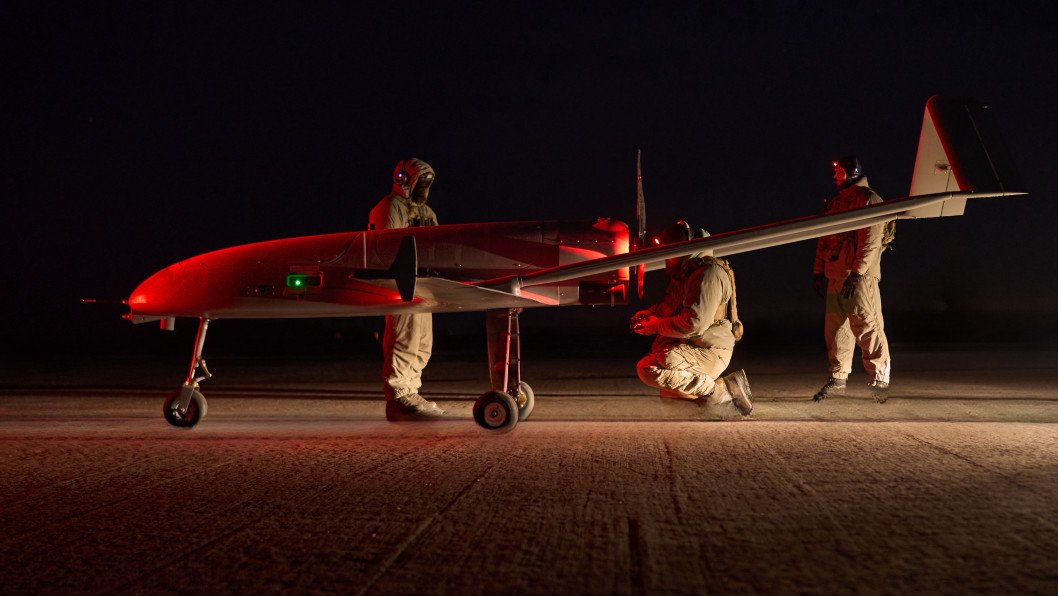
The incident also reflects a broader trend in modern warfare, where relatively lower-cost attack systems can threaten extremely expensive and limited high-end assets.
Earlier, reports emerged that the Pentagon was actively preparing for weeks of ground operations in Iran, signaling a potentially dangerous new phase in the Middle East conflict as thousands of American soldiers and Marines arrive in the region.
Discuss this article:






-72b63a4e0c8c475ad81fe3eed3f63729.jpeg "Photo of Cyril Barabaltchouk")