- Category
- Latest news
Why Low-Quality North Korean Missiles Still Pose Major Threat to Ukraine
 Prefer U24 Media on Google
- Authors

-c439b7bd9030ecf9d5a4287dc361ba31.jpg "Photo of Katherina Popilnichenko")
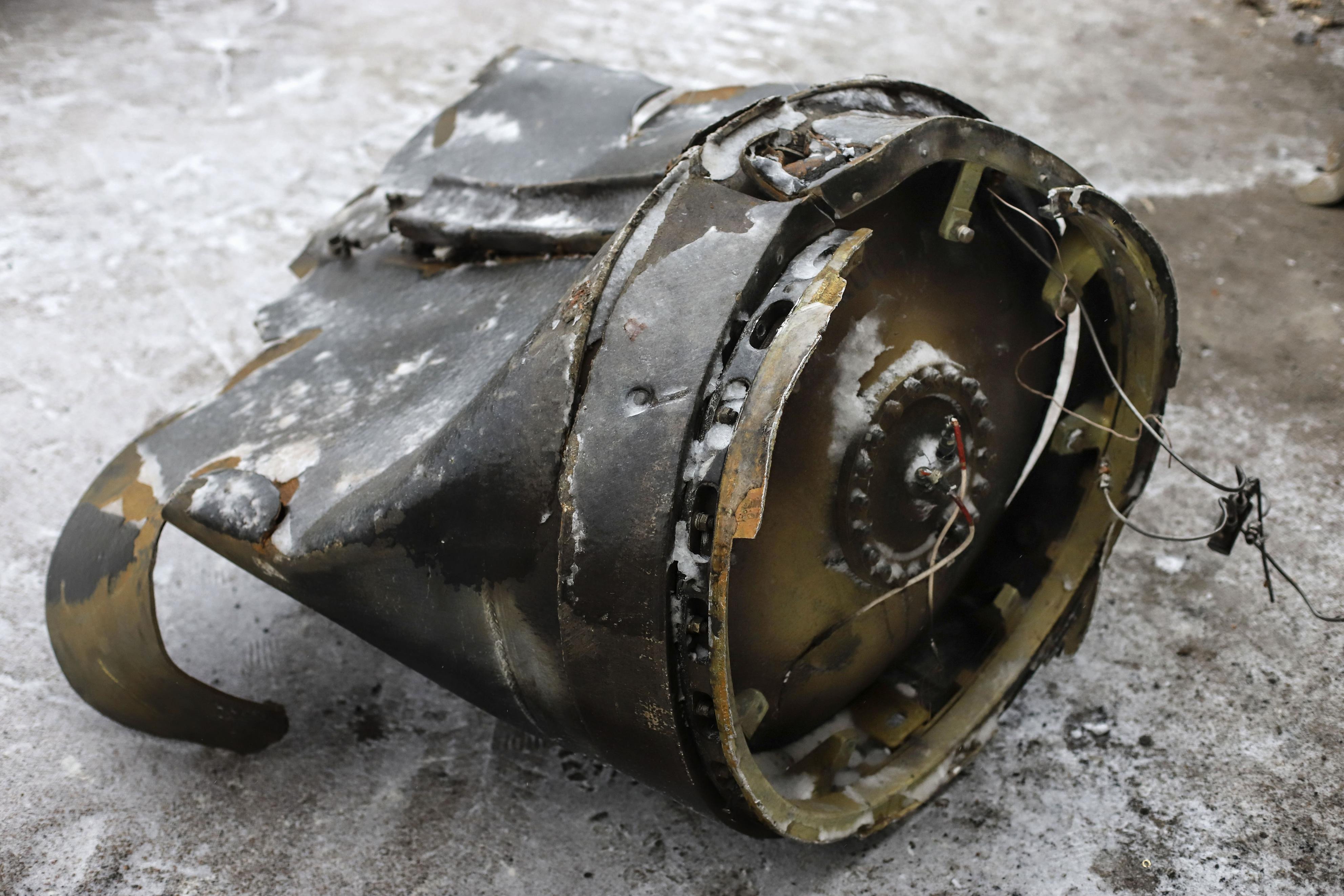
The Ukrainian Ministry of Defense confirmed on April 16 that North Korean ballistic missiles used during Russia’s full-scale invasion of Ukraine are of significantly lower quality than previously seen models.
Experts examined the remains of KN-23 and KN-24 missiles that have been launched into Ukrainian territory since late 2023. These weapons rely on outdated technology and less efficient manufacturing methods.
We bring you stories from the ground. Your support keeps our team in the field.
The analysis showed that North Korean military industry uses fuel with lower energy density than Russian standards. As a result, the engines of these missiles must be approximately 1.5 times larger and longer than their Russian equivalents to achieve a similar flight range.
Ukrainian analysts noted that the production quality reflects methods from roughly 50 years ago, specifically pointing to the low quality of the soldering found in the recovered debris.
The North Korean defense sector appears unable to produce advanced high-tech electronics, leading to the use of civilian components from major global brands in the missile control units. Ukrainian officials suggested that Pyongyang likely acquires these microchips through channels that bypass international sanctions.
Due to a lack of modern materials, the manufacturers also use graphite materials for nose cone fairings to handle thermal stress, which is described as a cheap alternative to more advanced heat-shielding technology.
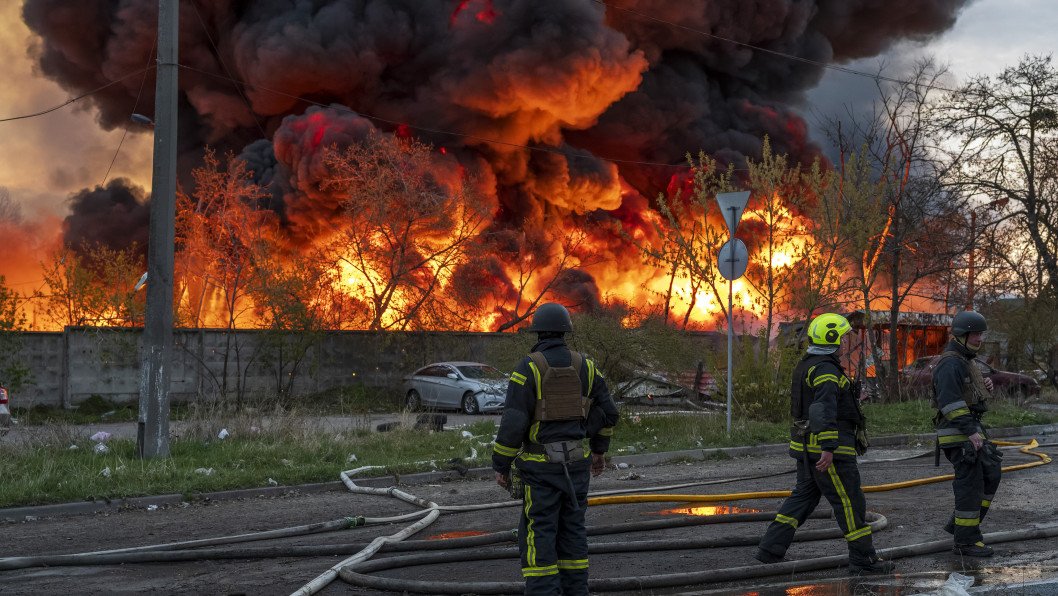
Despite these technical shortcomings, the Ministry of Defense warned that the missiles remain a grave threat to Ukrainian cities and civilians. Experts explained that regardless of the outdated technology, these ballistic weapons are difficult for air defense systems to intercept.
Military officials have previously stated that only advanced systems like the Patriot PAC-3 and the European SAMP/T are capable of effectively countering such ballistic threats.
The investigation further concluded that the KN-23 and KN-24 are not direct copies or licensed versions of the Russian Iskander 9M723.
The North Korean missiles possess unique dimensions, such as a 110 cm rear diameter for the KN-23, which is not found in missiles from other countries. However, the analysts mentioned that North Korea likely refined an initial design based on earlier Iskander developments.
Experts from the Kyiv Scientific Research Institute of Forensic Examinations noted that the metal used in North Korean missiles rusts quickly compared to Russian versions and that the welding quality appears to be the work of a beginner.
Each missile carries an explosive charge of about 500 kilograms, causing the remains to deform heavily upon impact, which initially made identification difficult for researchers.
According to reports from mid-April 2026, the North Korean forces deployed alongside Russian troops in the Kursk region adjusted their battlefield tactics following heavy losses and exposure to modern combat conditions.
A contingent of approximately 12,000 personnel participated in operations against Ukrainian forces, with at least 3,000 reported killed or wounded. While early engagements relied on large-scale infantry assaults that resulted in significant casualties, subsequent operations showed signs of tactical adaptation.
North Korean units shifted toward using smaller assault groups to reduce exposure to precision strikes and increased their use of unmanned aerial vehicles to support artillery targeting.
Discuss this article:

-dd35be762f08867915b1187d08f5b7cb.jpg "Aftermath of a Ukrainian Neptune missile strike on a Russian Borisoglebsk airfield, October 15, 2026.")

-111f0e5095e02c02446ffed57bfb0ab1.jpeg "Photo of Roman Kohanets")
-f1e0a0eb8dc4159d1ee6f9483ef88571.jpg "Malambahe Sabtar Sabanal, a Philippine national identified by Ukrainian military intelligence as a Russian military recruit who was killed during assault operations in the Donetsk region. (Source: HUR)")

-72b63a4e0c8c475ad81fe3eed3f63729.jpeg "Photo of Cyril Barabaltchouk")