- Category
- Latest news
WSJ: Odesa Becomes Key Target in Russia’s Effort to Disrupt Ukraine’s Vital Maritime Trade
 Prefer U24 Media on Google
- Authors


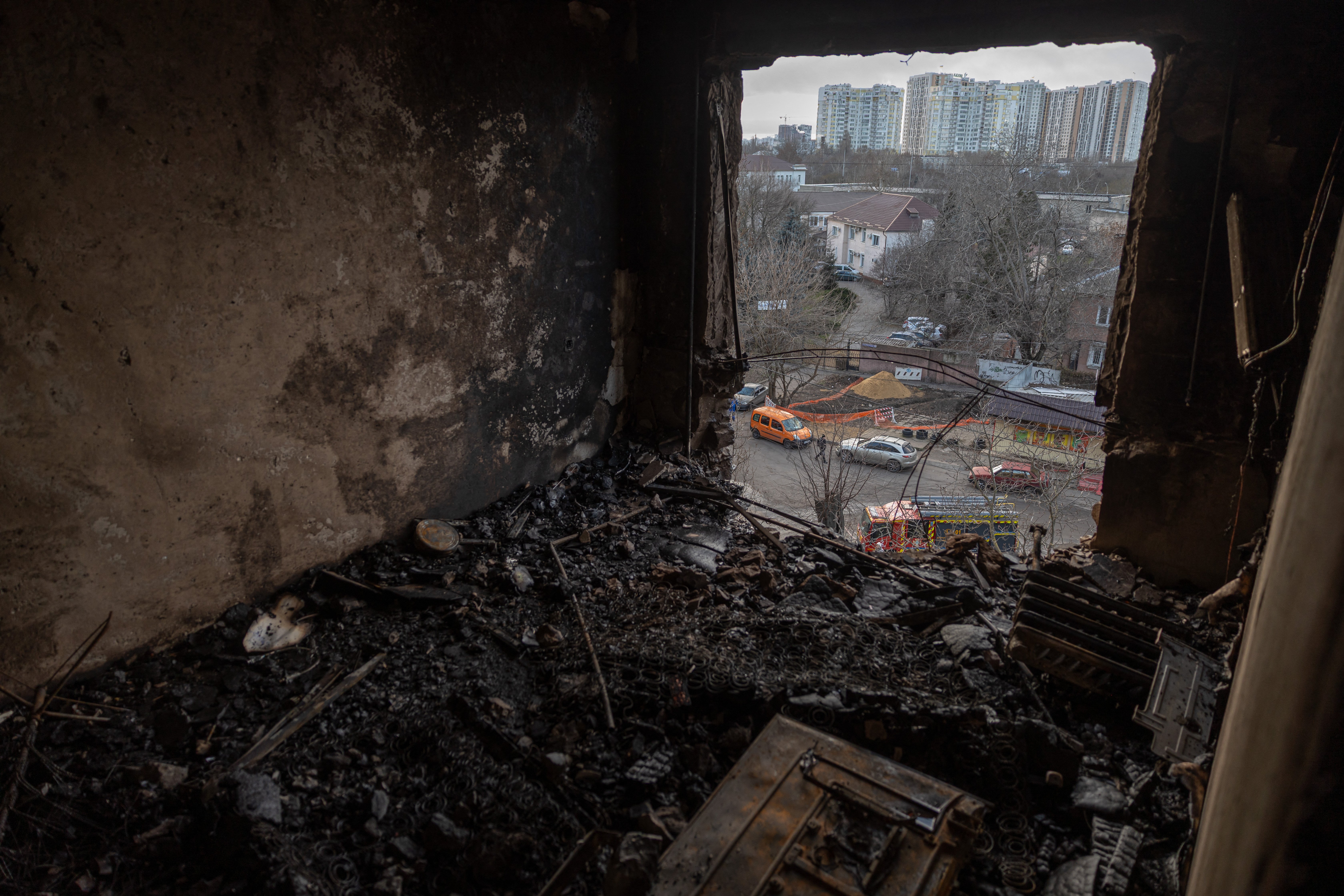
Russia has stepped up drone and missile attacks on the Black Sea port city of Odesa, targeting Ukraine’s main maritime gateway for grain exports and a cornerstone of the country’s economy, The Wall Street Journal reported on January 1.
According to the report, Russian strikes throughout December focused heavily on Odesa, damaging port infrastructure, storage facilities, and power grids, while killing and injuring civilians.
Analysts say the campaign reflects a broader Russian strategy to weaken Ukraine economically as the war continues and diplomatic efforts to end it intensify.
We bring you stories from the ground. Your support keeps our team in the field.
“They definitely want to cut off Odesa and other cities in terms of infrastructure. They are striking and killing both people and the economy by reducing our export capabilities through the maritime corridor,” President Volodymyr Zelenskyy said, speaking to journalists on December 30.
The renewed assault came just days before Zelenskyy visited Florida, where he sought additional US support, including advanced air-defense systems, during meetings linked to President Donald Trump.
Zelenskyy said Trump expressed willingness to help, while noting that Ukraine remains ready to purchase systems such as Patriot missiles through European partners.

Odesa plays an outsized role in Ukraine’s economy. Roughly 90% of the country’s agricultural exports are shipped by sea, and six ports in the Odesa region handled about 76 million tons of cargo over the first 11 months of 2025, according to Ukrainian government estimates cited by the WSJ.
While Ukraine has managed to keep maritime routes open using naval drones to deter Russia’s Black Sea Fleet, analysts warn the city remains highly vulnerable to aerial attacks, many launched from Crimea.
“The Black Sea, which feeds us and is an integral part of our economy, is also our weak spot,” said Ukrainian military analyst Oleksandr Kovalenko.
The Wall Street Journal noted that Russia launched around 52,000 drones at Ukraine during overnight attacks in 2025, a sharp increase compared with previous years, with Odesa emerging as a primary target. The city has repeatedly lost electricity, heating, and water during winter conditions, relying heavily on imported power due to limited local generation.
Russia’s Defense Ministry said its strikes are aimed at transport and port infrastructure used in what it describes as the interests of Ukraine’s armed forces. Ukrainian officials and analysts dispute that claim, arguing the attacks are designed to choke export routes and destabilize the broader economy.
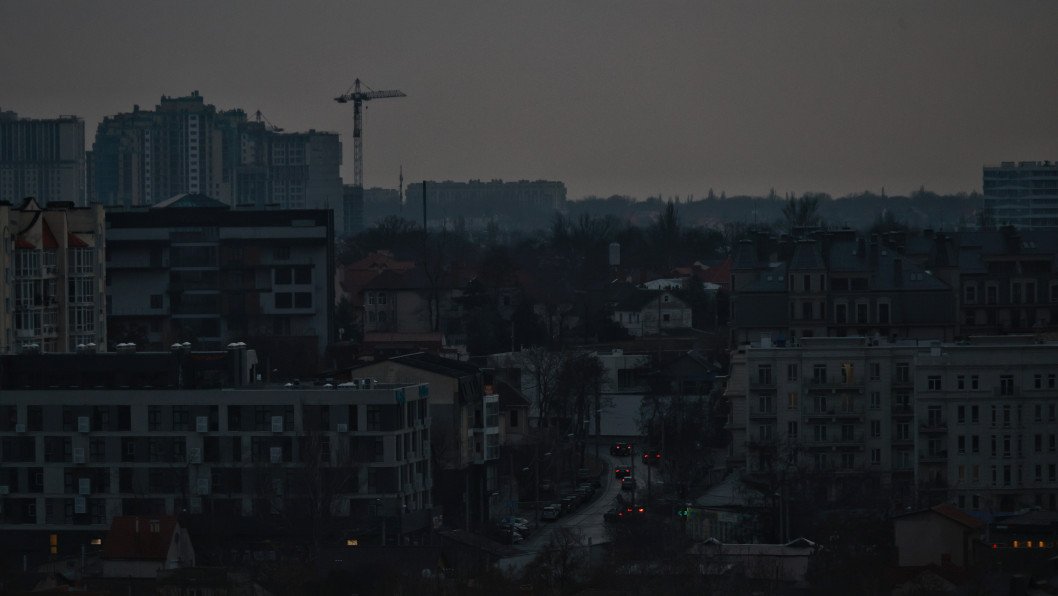
“Russia is trying to destroy all key elements of the export logistics chains,” said Serhiy Vovk, director of Ukraine’s Center for Transport Strategies.
The WSJ highlighted that Kyiv has responded by striking Russian oil-processing facilities and, more recently, a tanker linked to Russia’s so-called “shadow fleet” in the Mediterranean. Moscow, in turn, has announced plans to expand attacks on Ukrainian ports and shipping.
Analysts told the newspaper that sustained disruptions to grain exports could force global buyers to seek more reliable suppliers, reducing Ukraine’s revenues and threatening long-term agricultural output—one reason Ukrainian leaders are urgently pushing for stronger air-defense capabilities to protect both civilians and the economy.
On December 31, an overnight Russian attack on Odesa damaged infrastructure and high-rise residential buildings in two districts of the city.
Discuss this article:



-c439b7bd9030ecf9d5a4287dc361ba31.jpg "Photo of Katherina Popilnichenko")