- Category
- Life in Ukraine
He Once Shot Extreme Missions on Everest—But It Was Ukraine That Changed This American Filmmaker’s Life Forever
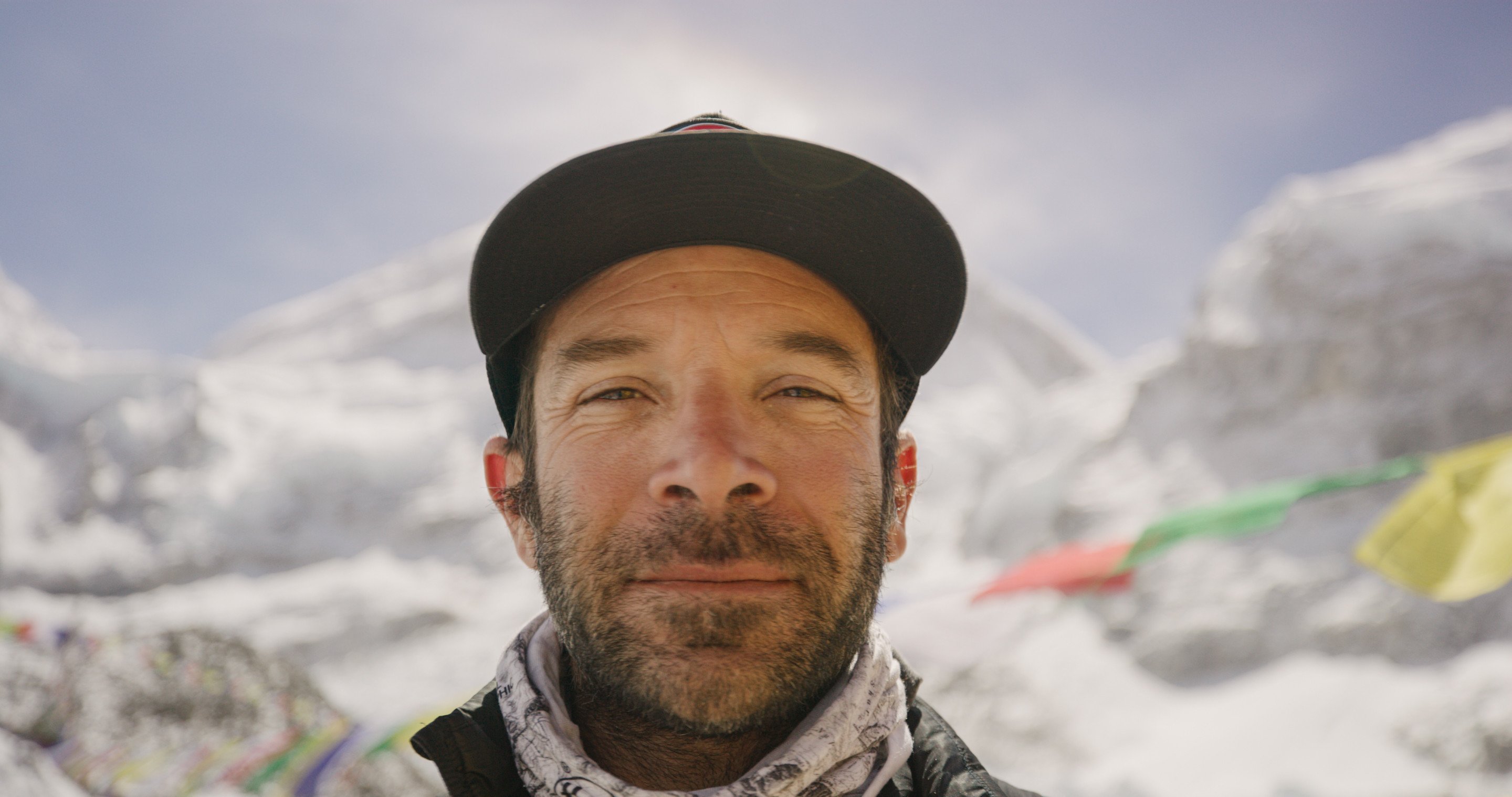
The Ukrainian struggle for freedom has inspired people across the globe—including renowned US adventurer, filmmaker, and director Mark Fisher. Now, he’s looking for a way to share that inspiration with the world, filming in Ukraine.
 Prefer U24 Media on Google
- Authors


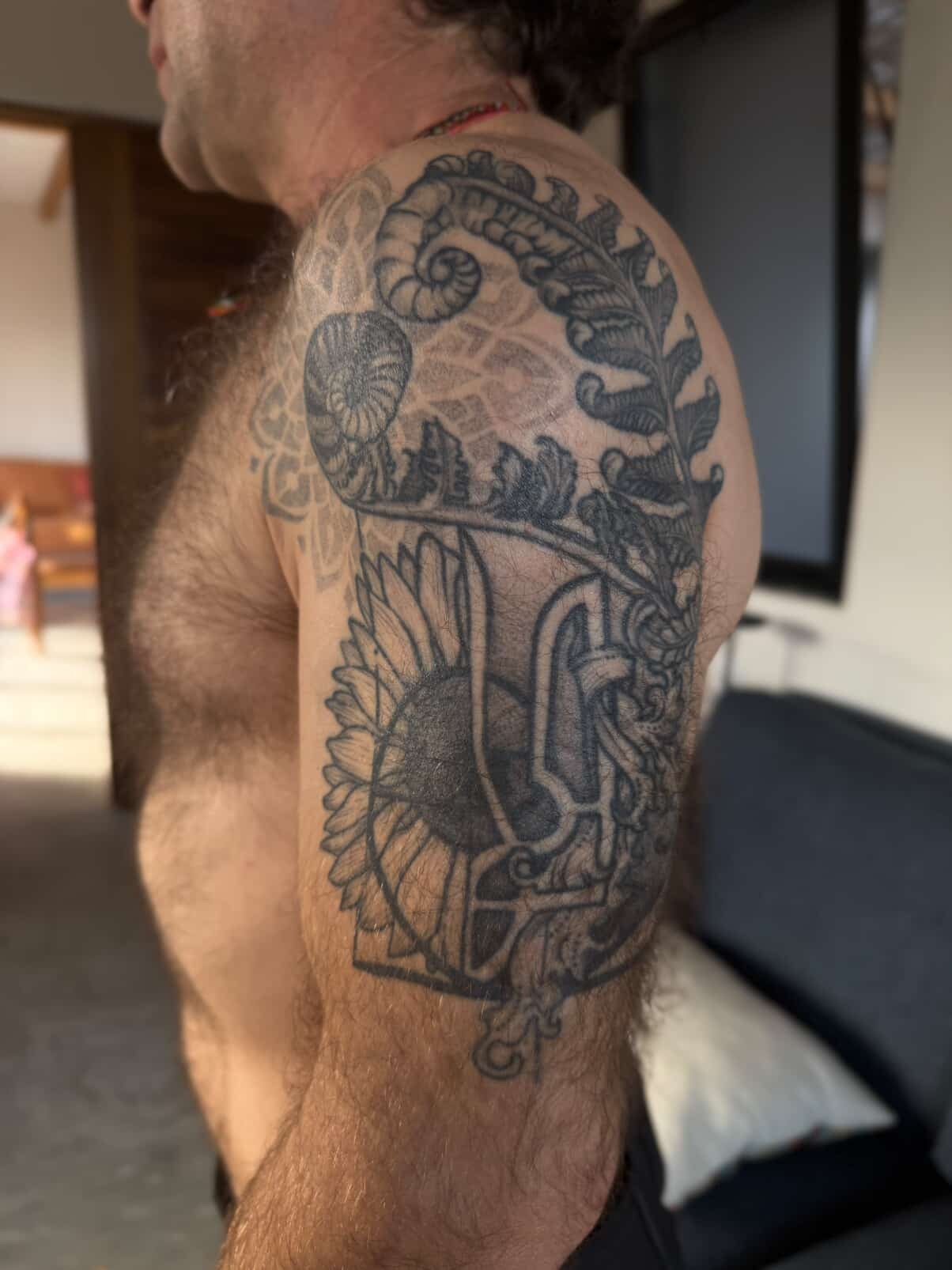
“Ukraine changed my life,” he said. “These trips truly impacted me. The people I met, the Ukrainian spirit—it all became a deep source of inspiration and motivation. I even got a tattoo—a large Ukrainian trident on my shoulder. This film and the experience that came with it—it’s one of the most important things in my life.”
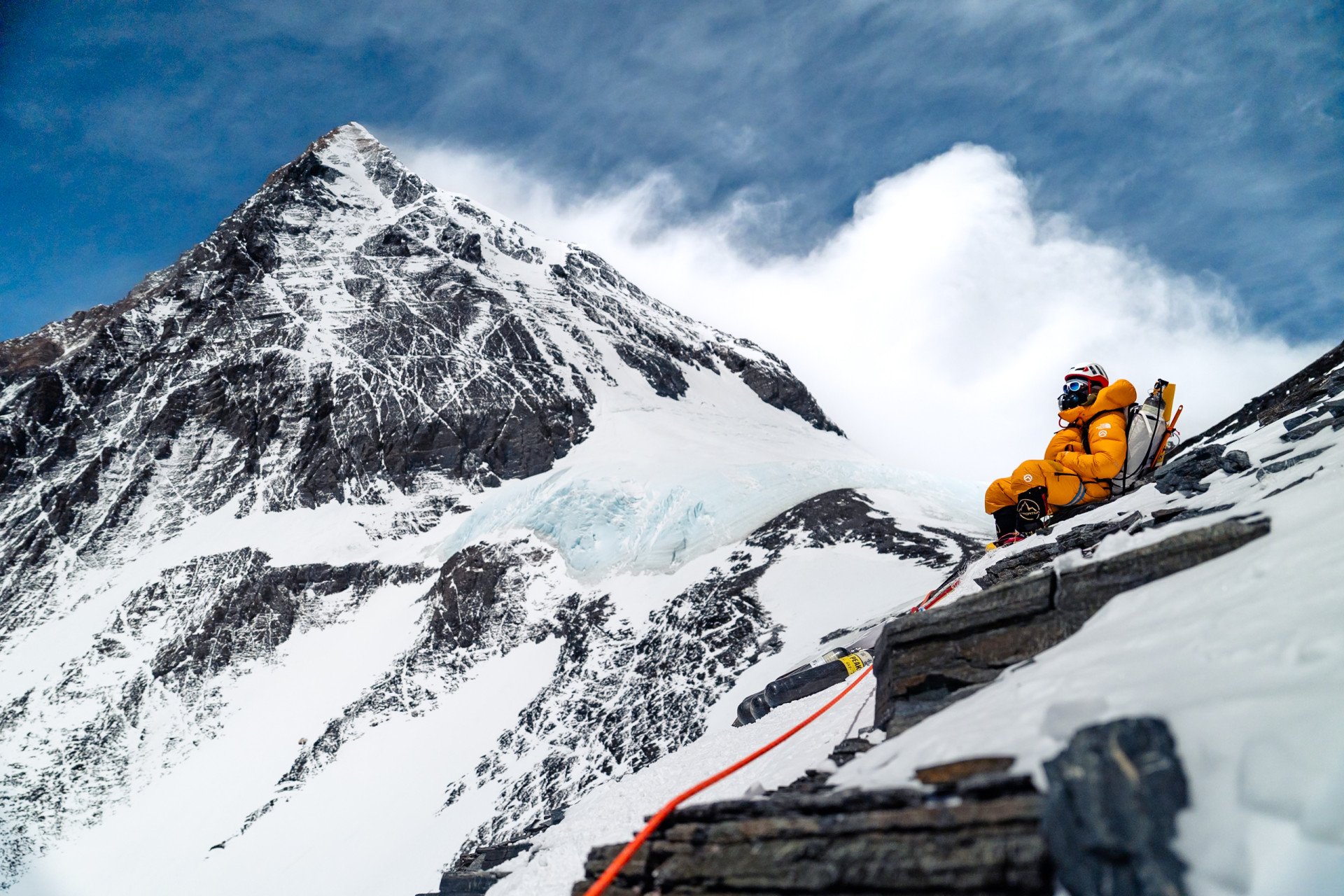
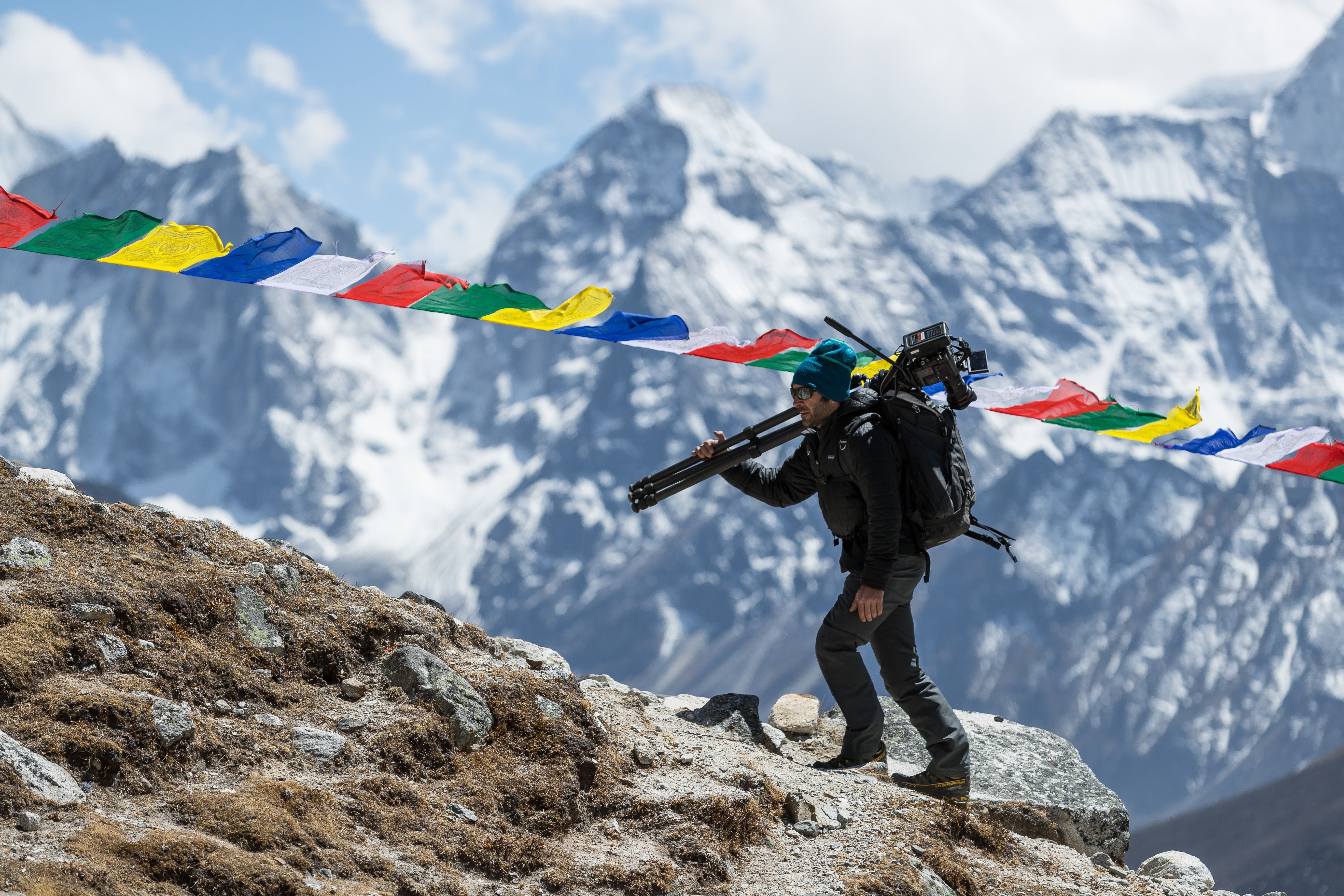
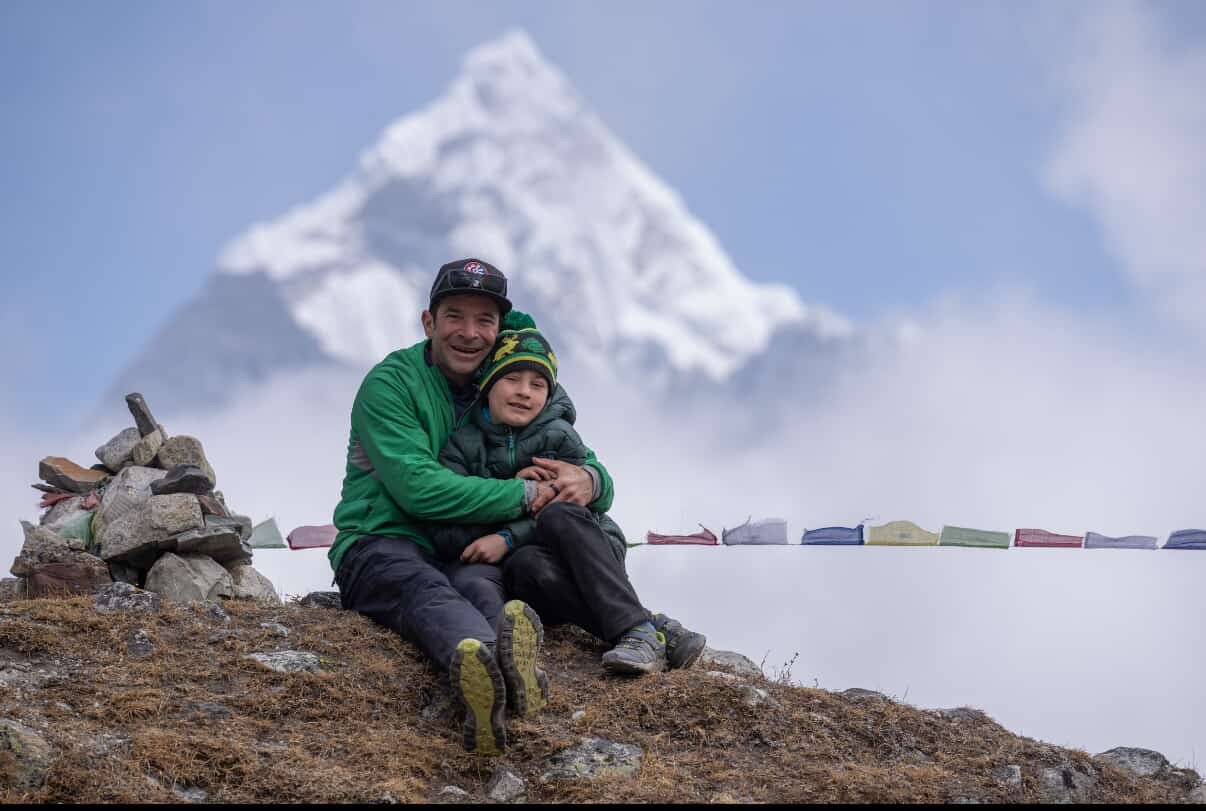
Mark Fisher has filmed in some of the most extreme conditions worldwide. He once trekked 270 miles on foot through one of the harshest terrains on the planet in Myanmar to make the first ascent of Southeast Asia’s highest peak, Hkakabo Razi. He also helped locate part of Andrew Irvine's remains near the summit of Everest. And in November 2025, Mark returned from a grueling expedition during which Jim Morrison ascended and skied down Everest via the treacherous Hornbein Couloir—the mountain’s most challenging route.
But Fisher says it’s Ukraine that was the life-changing experience.
130 hours of footage
“When the full-scale invasion began, I immediately felt the urge to do something,” says Fisher. “I know how to make films—and that’s when the idea was born: to create a film that highlights the efforts of people both inside Ukraine and around the world.”
That’s how the story of the Human Unity documentary began.
At first, Mark wasn’t even sure he’d be able to get into Ukraine. He had come across a compelling story—a coach who evacuated Ukrainian teenage hockey players from the war-torn country to Chamonix, France, where they resumed training.
“Starting off filming in places like Chamonix is always nice,” Fisher laughs, noting the luxury of the resort.
From there, the team filmed stories of volunteers and refugees in Budapest, Warsaw, Prague, and other cities. However, the tone eventually changed, and luxury was no longer a part of the journey.
“At one point in Czechia, we met two Ukrainian women,” he says. “They said very simply: you absolutely need to go film in Ukraine. Suddenly I realized—that’s the right thing to do.”
By June 2022, the HumanΨUnity team was in Ukraine. The result of three trips across the country—from the front lines to the western city of Lviv—was 130 hours of footage.
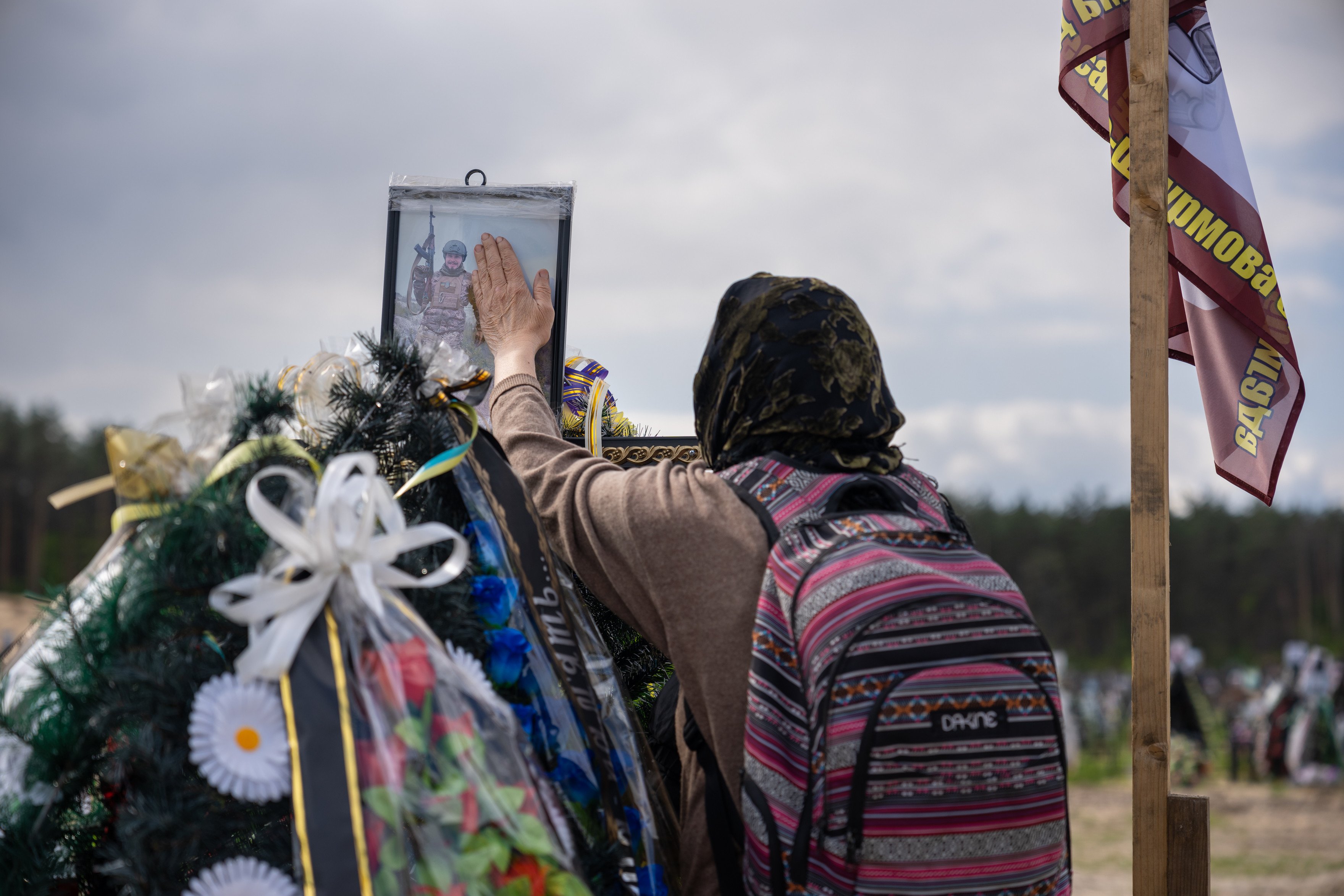
“We filmed volunteers, politicians, soldiers. It was incredibly inspiring to see people mobilize and unite to help save their country. These grassroots efforts had a profound impact on Ukraine’s ability to resist the full-scale invasion by the world’s largest country. It was a heroic effort against all odds. And because of that, Ukraine has not only managed to fight Russia—it has managed to win.”
Along the way, Mark encountered challenges that rivaled bushwhacking through tropical jungles or crossing Everest’s deadly Khumbu Icefall.
“One time, we had a terrible 1998 minivan we bought for about a thousand dollars. It broke down just as we were crossing the border—at night, in the rain, and we were pushing this huge Ford packed with gear. It was a very long haul. Another time, the transmission failed—the vehicle sped through red lights during curfew hours, and we just couldn’t stop. Over a year and a half of filming, there were so many moments like that. It became my main focus for 18 months.”
All of it, he says, was funded out of his own pocket.
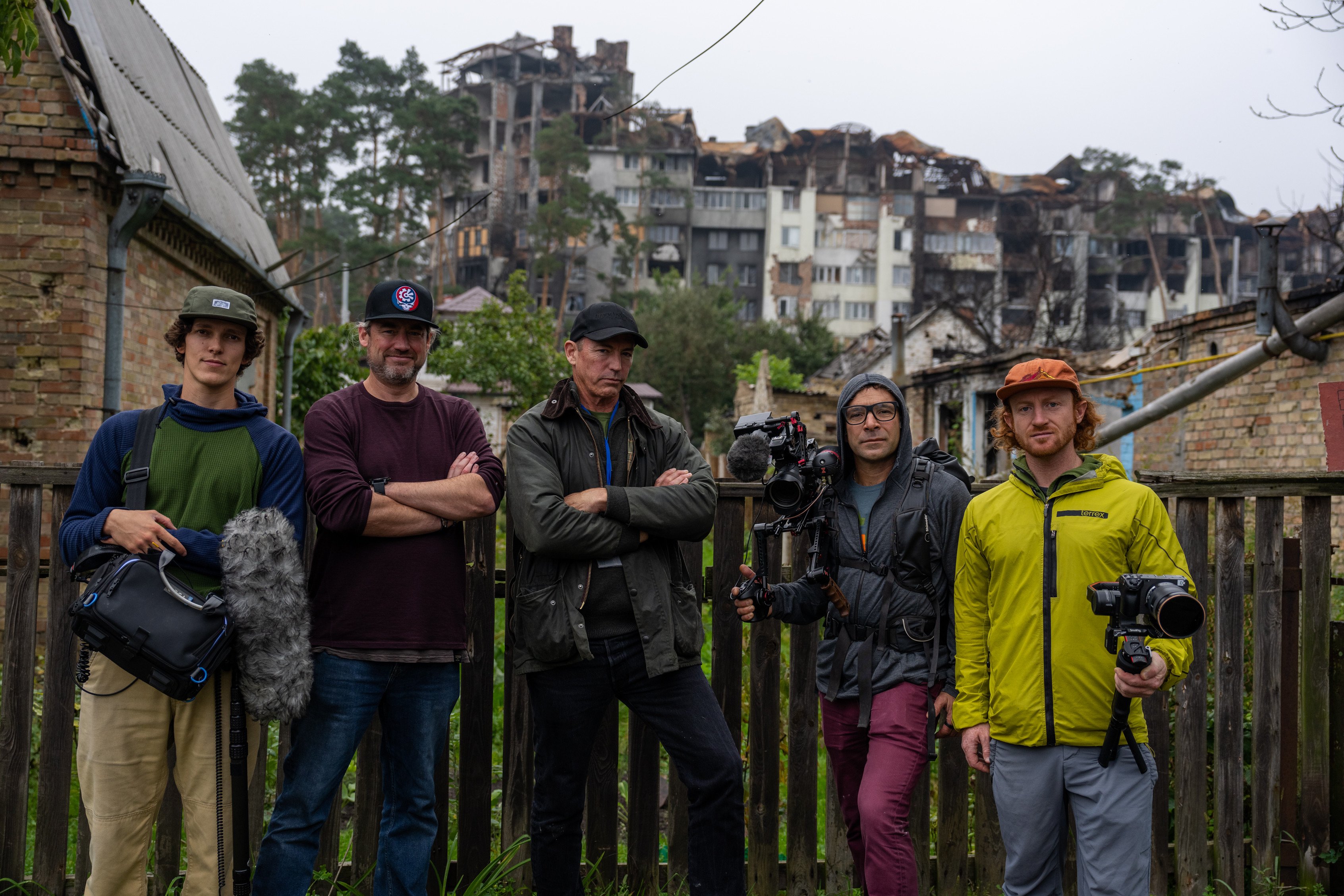
A dream left unfinished
“When I started making the film, I had a partner—a wealthy American businessman named Patrick who lived between Chamonix and Boston,” says Fisher. “The plan was that he would lead fundraising efforts to get the film made and shown around the world, with all profits going to the volunteer organizations we worked with. While we were filming, I personally invested hundreds of thousands of dollars. But it turned out Patrick couldn’t raise a single cent. And after 130 hours of footage and countless vital stories, we had to stop production in 2023.”
The film remains unfinished. But Mark hopes this is only a temporary setback. He’s currently seeking funding and support from individuals or organizations to complete the project—and is already planning a return trip to Ukraine.
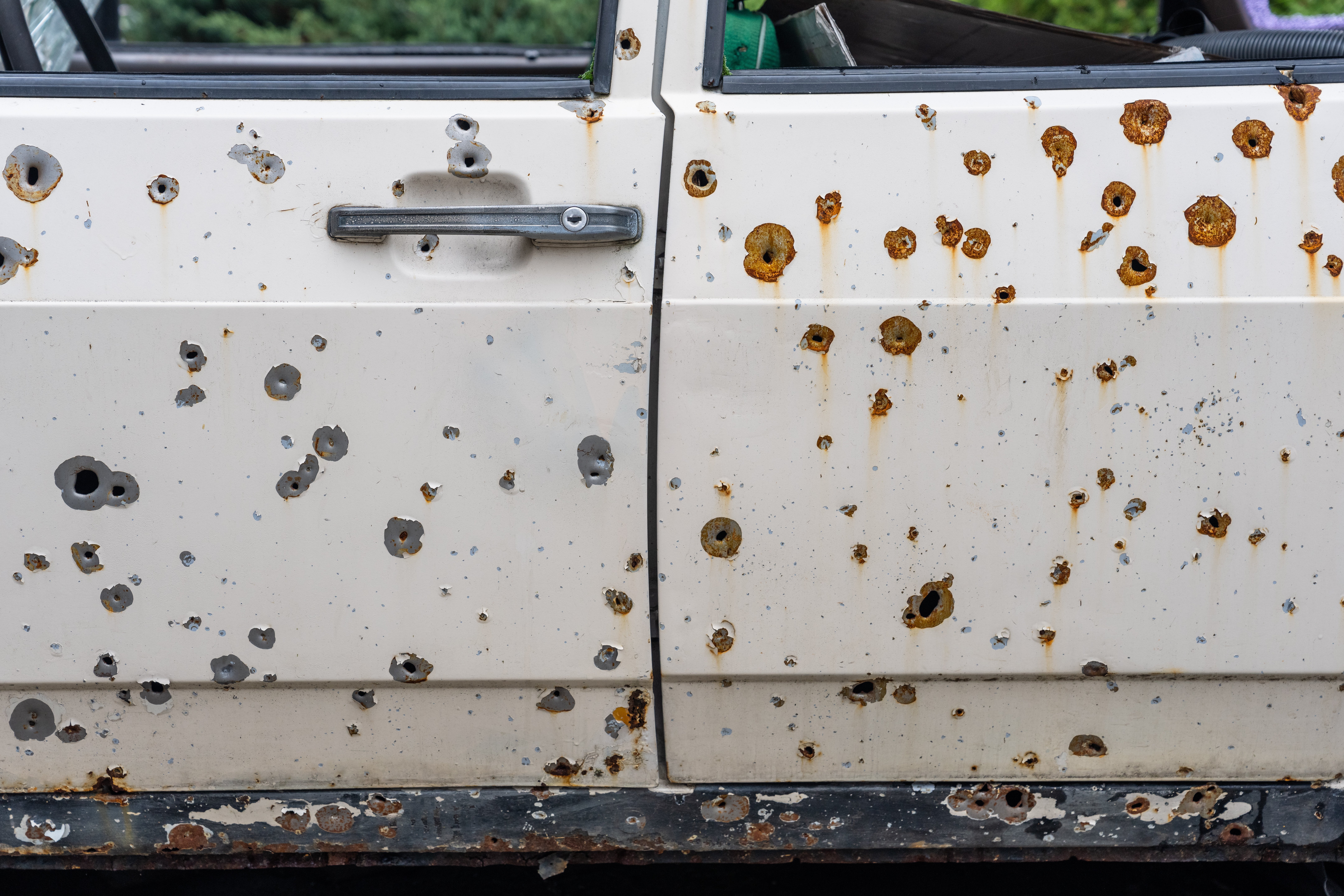
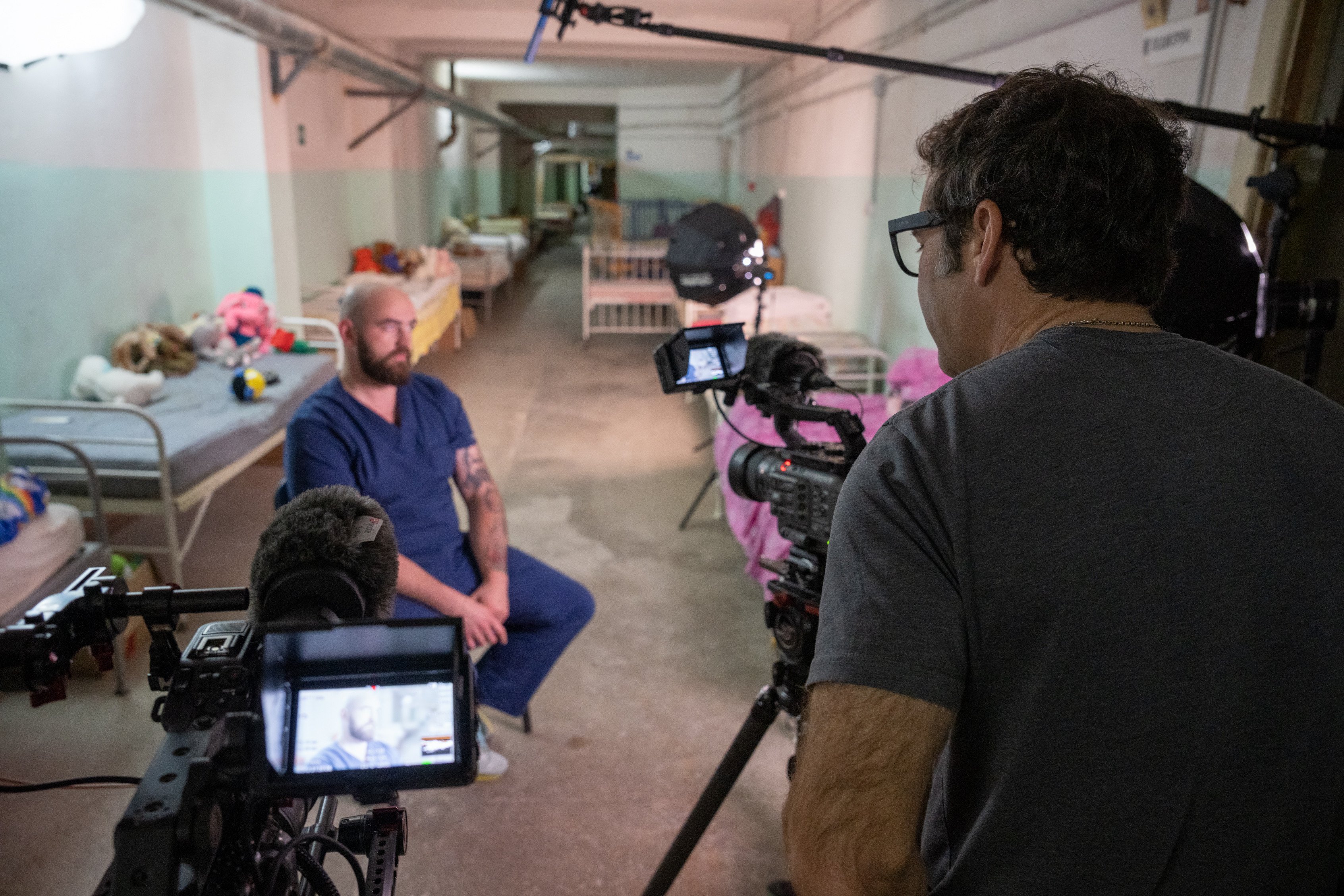
“We want to tell the story of World Extreme Medicine, which runs training programs in Ukraine. Their CEO, Mark Hannaford, is a fascinating British guy. They’ve collaborated with Formula One engineers to figure out how to 3D print external fixators for a few hundred dollars—when they usually cost $10,000 to $15,000.”
Fisher says there’s another angle: Ukrainian doctors themselves are developing cutting-edge surgical techniques, because the injuries caused by things like drones are unlike anything seen before. Ukraine is now at the forefront of modern trauma care.
“Medical innovation, unprecedented drone use, volunteerism—all of it showcases the ingenuity of Ukrainians. Their ability to function as a self-organized society, where people don’t wait for orders but create solutions at every level — that’s what we’re trying to capture next, through the lens of the World Extreme Medicine story.”
One satellite—one nation’s resolve
One example of this remarkable self-organization, Mark says, is volunteer Serhiy Prytula, whom they also filmed. Since the start of the full-scale invasion, his foundation has raised over $200 million for military and humanitarian needs.
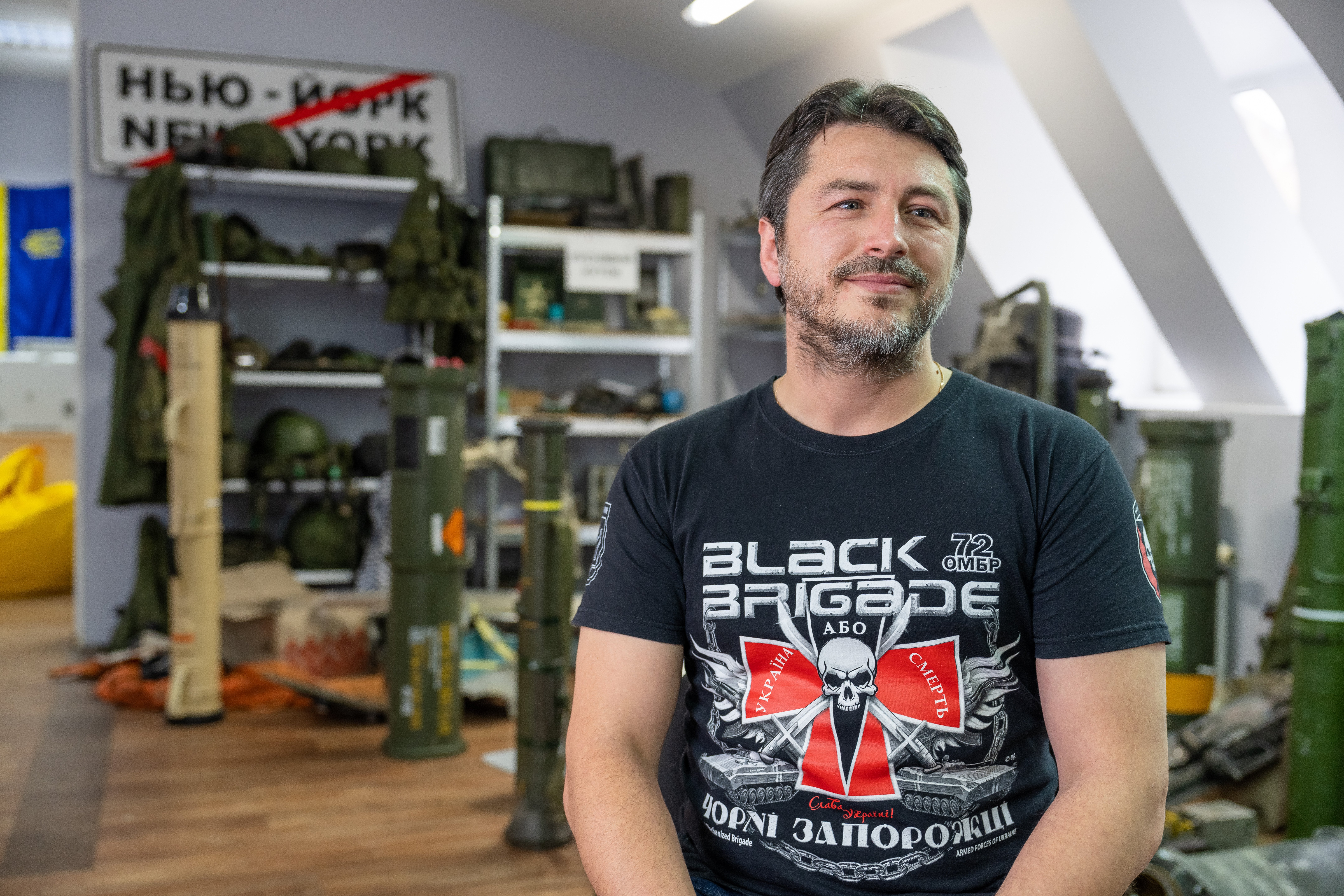
“I was blown away by Prytula—and by how much money they’ve raised. Just imagine: at one point, he and other volunteers said, ‘Let’s buy a satellite.’ It sounds crazy—like, come on, people, we’re going to buy our own satellite? But they did it! That’s an extraordinary level of unity and public engagement. And it’s just one of many stories that deserve to be told—stories of resilience and solidarity.”
Such stories are still unfolding across Ukraine, even as the country continues to resist a massively powerful enemy—Russia. But global support is waning.
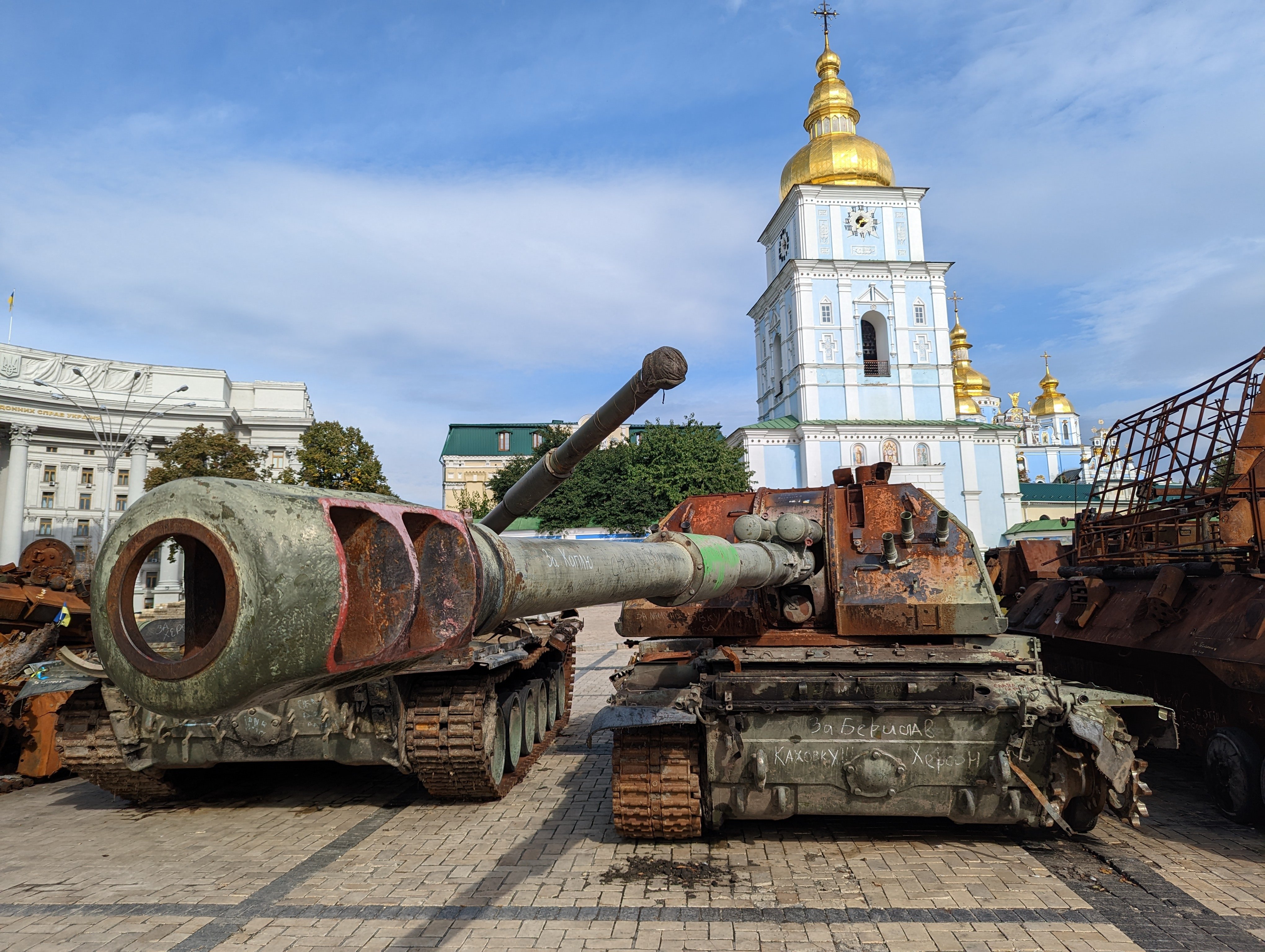
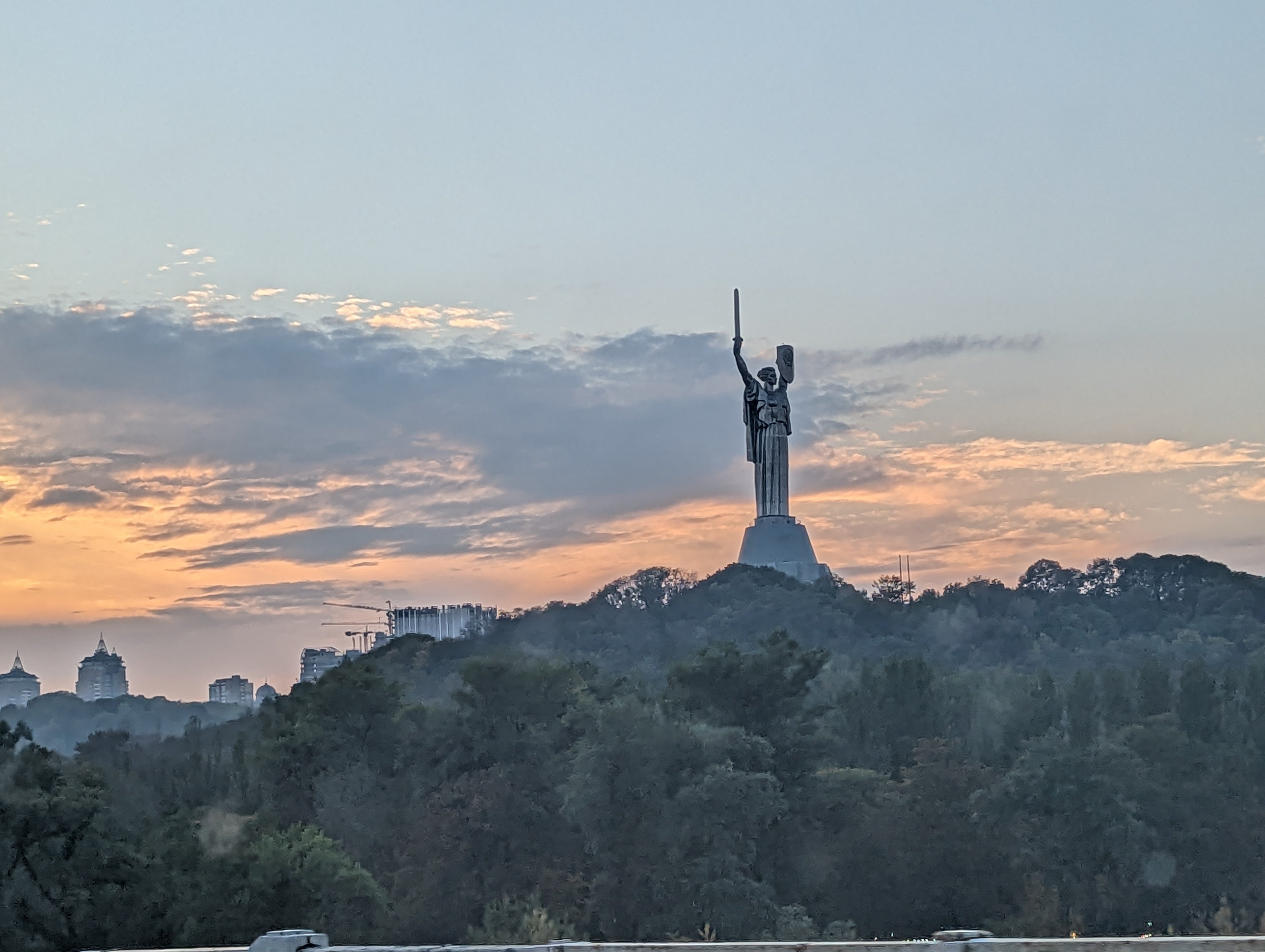
“That breaks my heart,” says Fisher. “I feel helpless and frustrated seeing how short our collective memory is. That’s one of the reasons I want to finish this film—so people can be inspired by these stories and remember that this is a fight between good and evil.”
Mark reiterates how deeply his time in Ukraine changed him. He wants others to feel that same transformation.
“We all have power. When we come together and support each other, we can stand up to any injustice. So this message—it’s not just about Ukraine. It’s a message to all of us: when we choose not to stand on the sidelines, we can make the world a better place.”
Discuss this article:

-24deccd511006ba79cfc4d798c6c2ef5.jpeg "Photo of Louis Beaudemont")



-554f0711f15a880af68b2550a739eee4.jpg "Photo of Lucile Brizard")