- Category
- Opinion
“Is It Safe?” How Ukraine Is Challenging the Way Investors Think About Risk
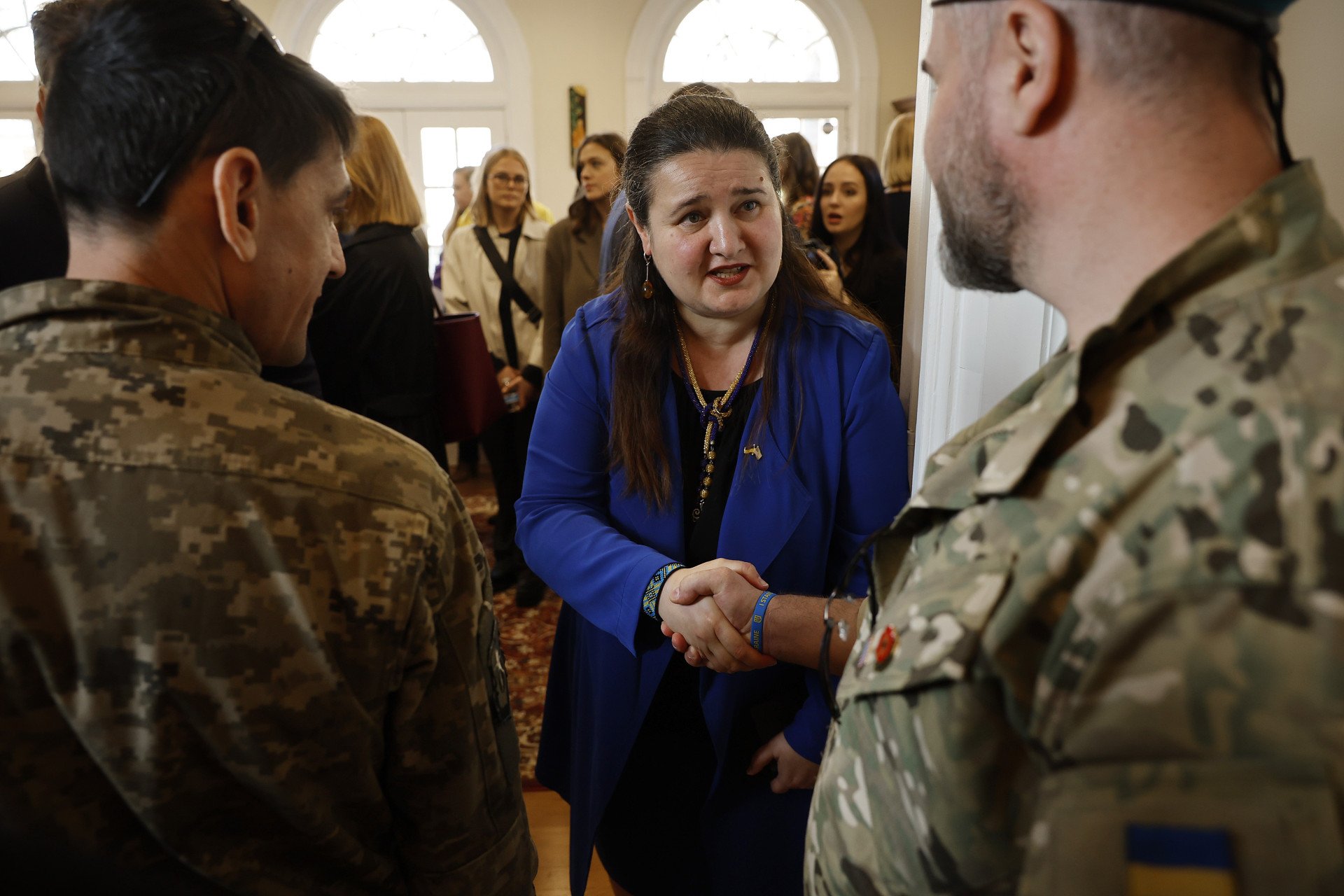
When investors ask Oksana Markarova—Ukraine’s former Finance Minister—about Ukraine, she gives them an answer they do not expect. "I'm not trying to tell investors it's safe in Ukraine," she told me. "I just want to say that it's not safe in the world. In that world, Ukraine is the place that already has a proven track record of being resilient in non-safe conditions."
 Prefer U24 Media on Google
- Authors

-4258f90da45ed571f27851d158610665.jpeg "Photo of Valeriya Ionan")
Markarova spent a decade in public service, first as Minister of Finance, then as Ambassador to the United States through four years of Russia’s full-scale war. She now advises President Zelenskyy directly on reconstruction and investment attraction. When I asked her how she would describe Ukraine's situation right now, she reached for a specific image.
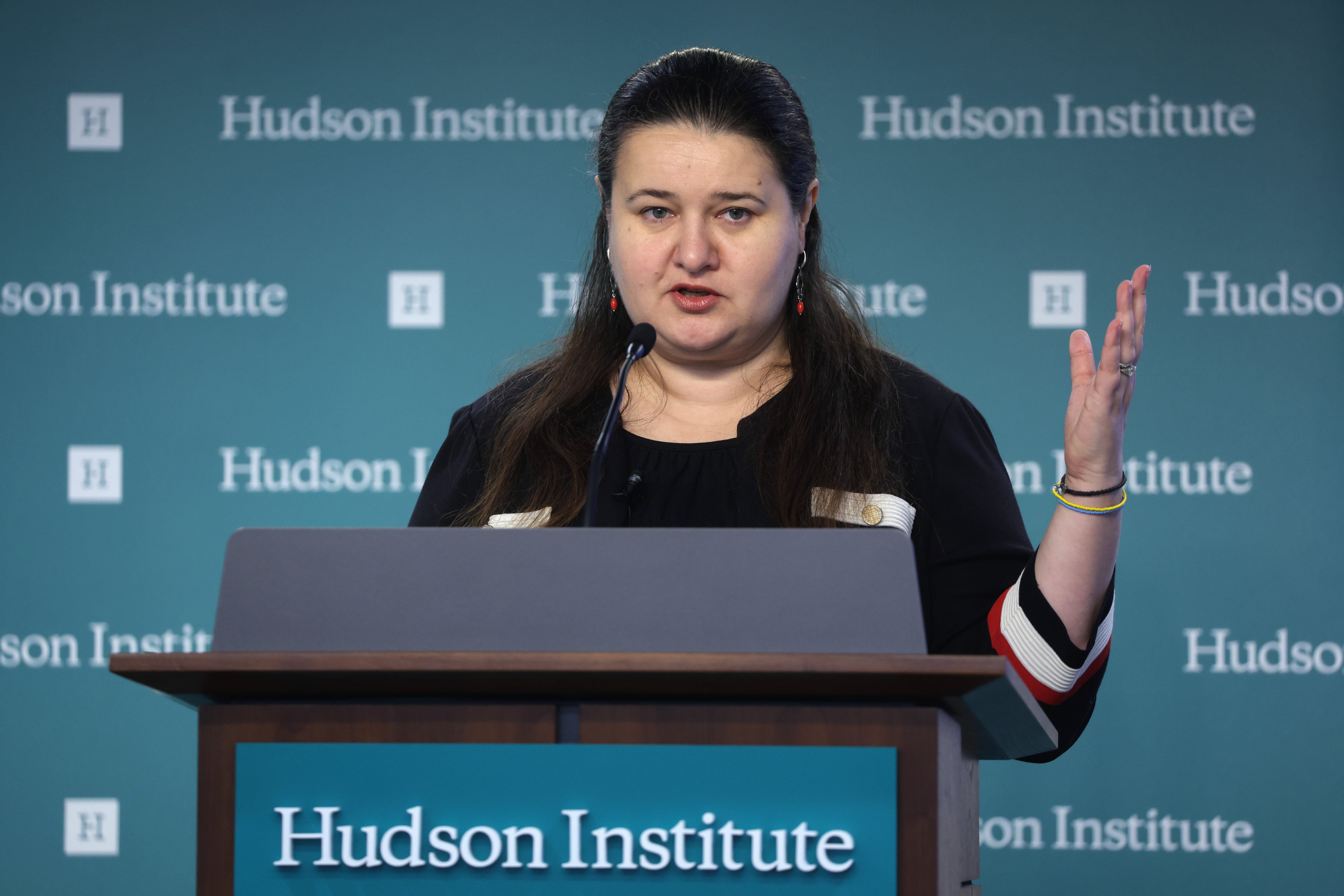
Ukraine is like a ship in the open sea that has been bombed and has to build itself at the same time as it sustains the effort.
That image stays with me because it is accurate in a way that statistics rarely are.
Ukraine’s case for investors
The most concrete thing Markarova is working on right now is Nove Misto, a project to build a city for one hundred thousand people from scratch, the first privately funded city in Ukrainian history. The concept draws on ancient Trypilian circular layouts, centered on an innovation park for life sciences, high tech, and med tech, with country-specific sectors, French, Italian, British, and American, each funded through export credit instruments and private capital.

Seventy-five percent of the funding is targeted to come from private sources. The first phase is structured as a city lab, where investors, partner countries, and architects work through every element together before ground breaks, from safety infrastructure to green energy systems to the governance model for a city that has never existed before. Markarova describes it as a pilot for Ukraine's reconstruction and a pilot for European integration, and she is direct about why it is only possible here: the combination of reconstruction need, low base, and openness to doing things that no one has tried before creates conditions that exist nowhere else right now.
The investment case she makes goes well beyond one city. Her recommended sectors start with defense technology and miltech, and she is blunt about why the traditional division between military and civilian investment mandates no longer makes sense. Shahed drones have hit hotels and airports in Dubai and Kuwait. Debris has fallen on resorts.
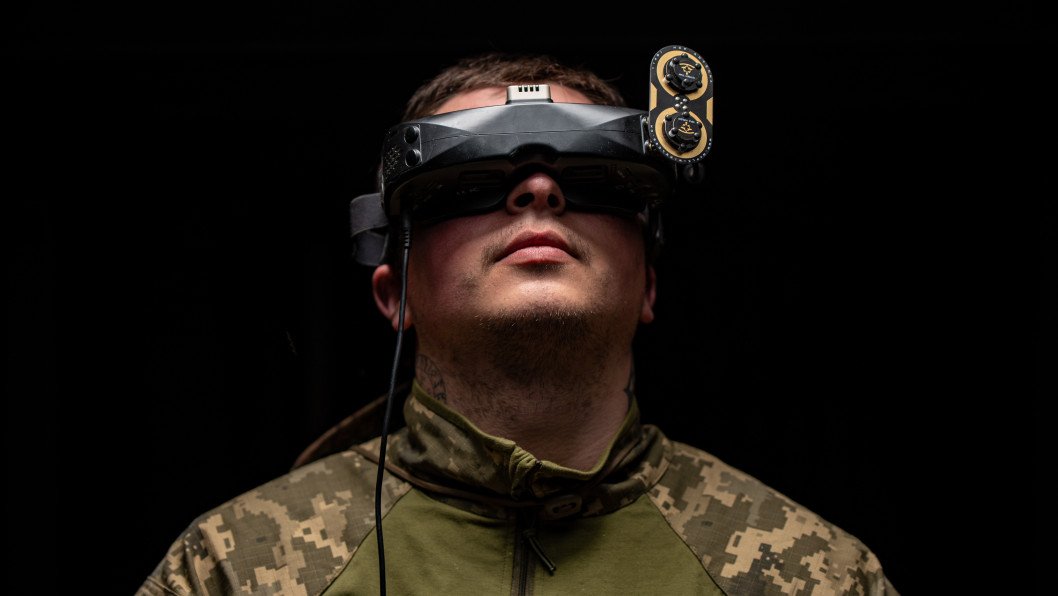
"It's no longer ‘this is for war, this is for peace’," she says. Any investor in construction, energy, or agriculture should be asking whether their portfolio includes companies that understand how to protect assets in an environment where that threat is real, not theoretical.
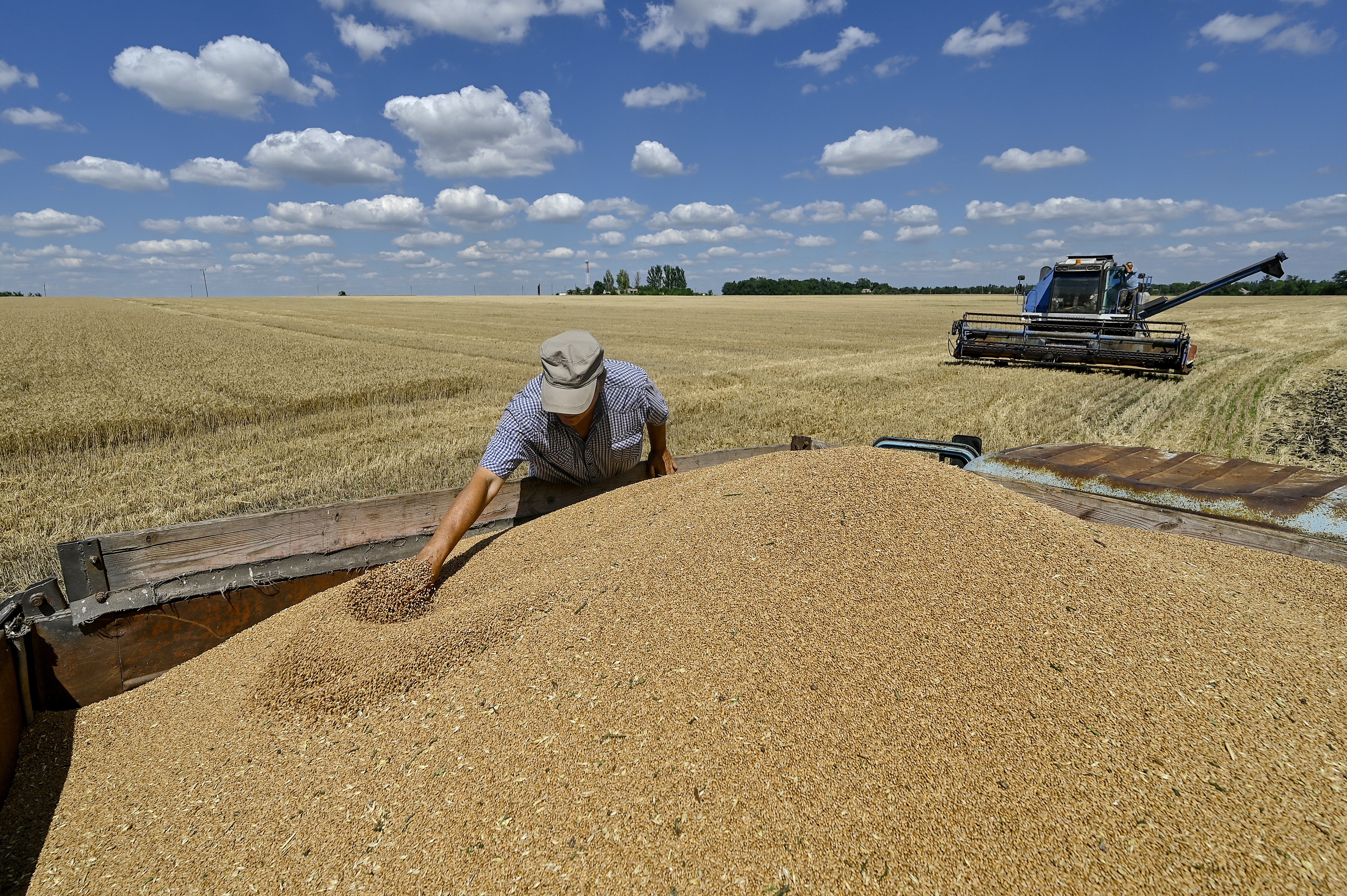
Agritech and food processing sit alongside defense as priorities: Ukraine holds 30% of global black soil deposits, feeds approximately 400 million people despite the war and the Black Sea blockade, which Ukraine unblocked with its own naval drones, and operates at a fraction of its productive potential. Energy is the third sector, where repeated Russian attacks have pushed Ukraine to leapfrog into distributed generation, SMR technology, and new storage systems that functioning energy grids elsewhere cannot easily adopt without disrupting services that people depend on daily. Healthcare and education round out the list, both sectors that Markarova, as a former Minister of Finance, knows are usually classified as expenses rather than revenue, and both, she argues, are already showing the characteristics of genuine investment destinations.
The future of global supply chains
The supply chain argument she makes to international companies is equally direct. The assumption that trade and investment make countries more peaceful has been tested against Russia, Iran, and North Korea, and the answer is clearly no. Companies dependent on those relationships are more vulnerable, not more secure, and the exercise of diversifying into countries that share democratic values and are demonstrably resilient is one she argues every serious corporate strategist should be running now, regardless of how the war in Ukraine develops.
For investors asking how to start, she points to concrete entry points: the Ministry of Defense, the Ministry of Digital Transformation, Ukraine Invest, the European Business Association, the American Chamber of Commerce, and Ukrainian embassies abroad. The government is approachable in a way that most foreign investors do not expect until they arrive and experience it directly. Her consistent advice is to visit early, because the country cannot be understood at a distance and because the relationships built during a visit open doors that no amount of analysis from elsewhere can replicate.
"They miss everything," she says about investors who are waiting for the war to end before engaging. "The opportunity, the time to think and to put Ukraine on your investment map is now. No one canceled the first mover advantage."
The world she describes is one in which the old assumptions about safety and stability no longer hold, and Ukraine is the market that has already learned to operate without them.
"All the innovations are in Ukraine right now," says Markarova. "You can see them, you can experience them, you can test them, but you can also be a part of them. And you can only do it if you are in Ukraine."
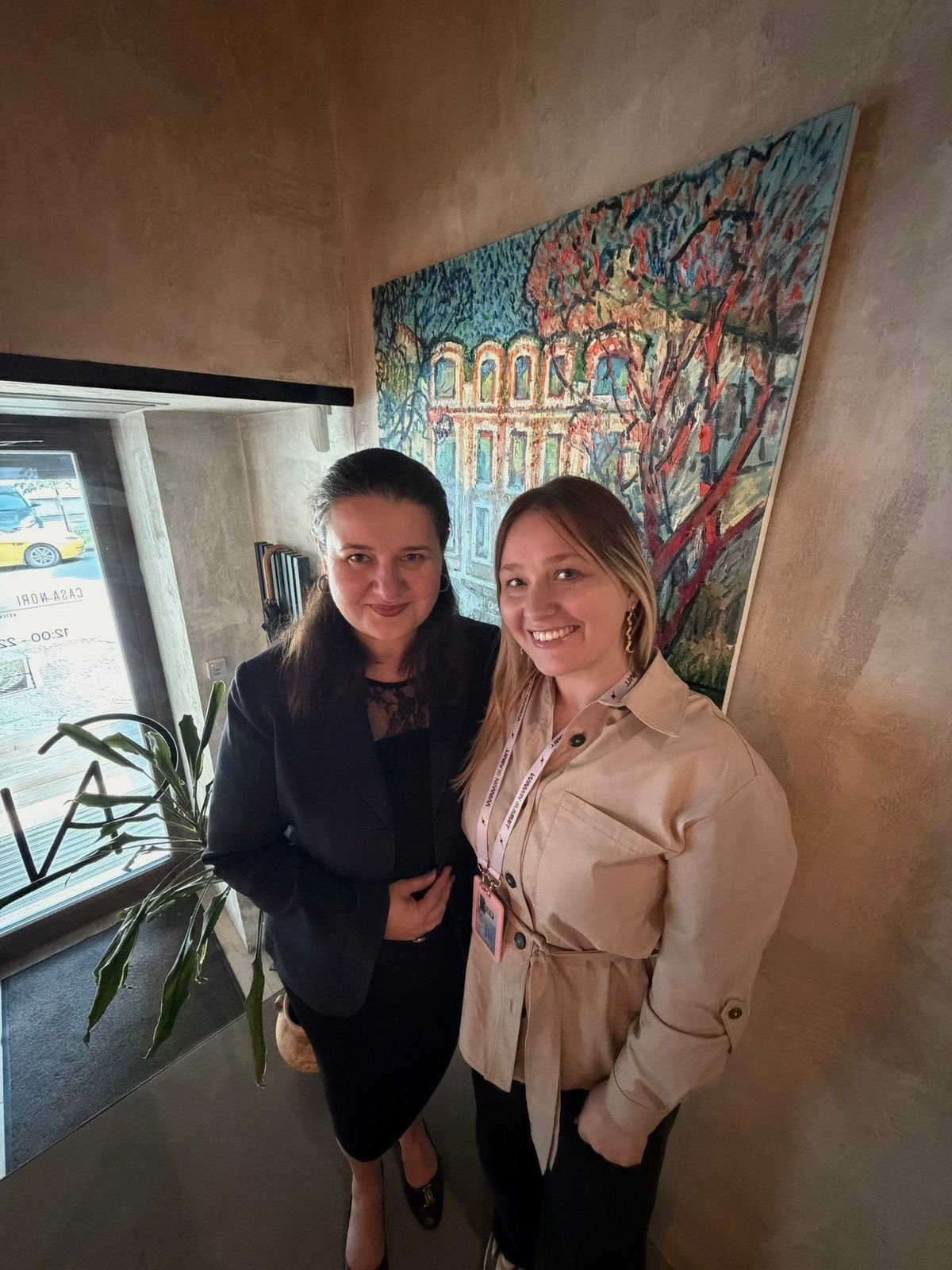
This piece draws on a conversation recorded for FORWARD with Valeriya Ionan, a podcast on how international partnerships with Ukraine are actually built in practice. Oksana Markarova is the Presidential Advisor on Reconstruction and Investments, former Ambassador of Ukraine to the United States, and former Minister of Finance of Ukraine.
Discuss this article:

-206008aed5f329e86c52788e3e423f23.jpg "Photo of Oleksandr Moiseienko")

-f3430f0449615e9897dff835086ac204.jpg "Ukraine Broke With a Soviet-Era Military System and Rebuilt It Around the Soldier")
-e126c16a85d580738cf2d57e760b80a3.jpeg "Photo of Vladyslav Greziev")