- Category
- War in Ukraine
265 Killed, 1,816 Injured as Russian Attacks Intensified Across Ukraine in June
 Prefer U24 Media on Google
- Authors

-c439b7bd9030ecf9d5a4287dc361ba31.jpg "Photo of Katherina Popilnichenko")
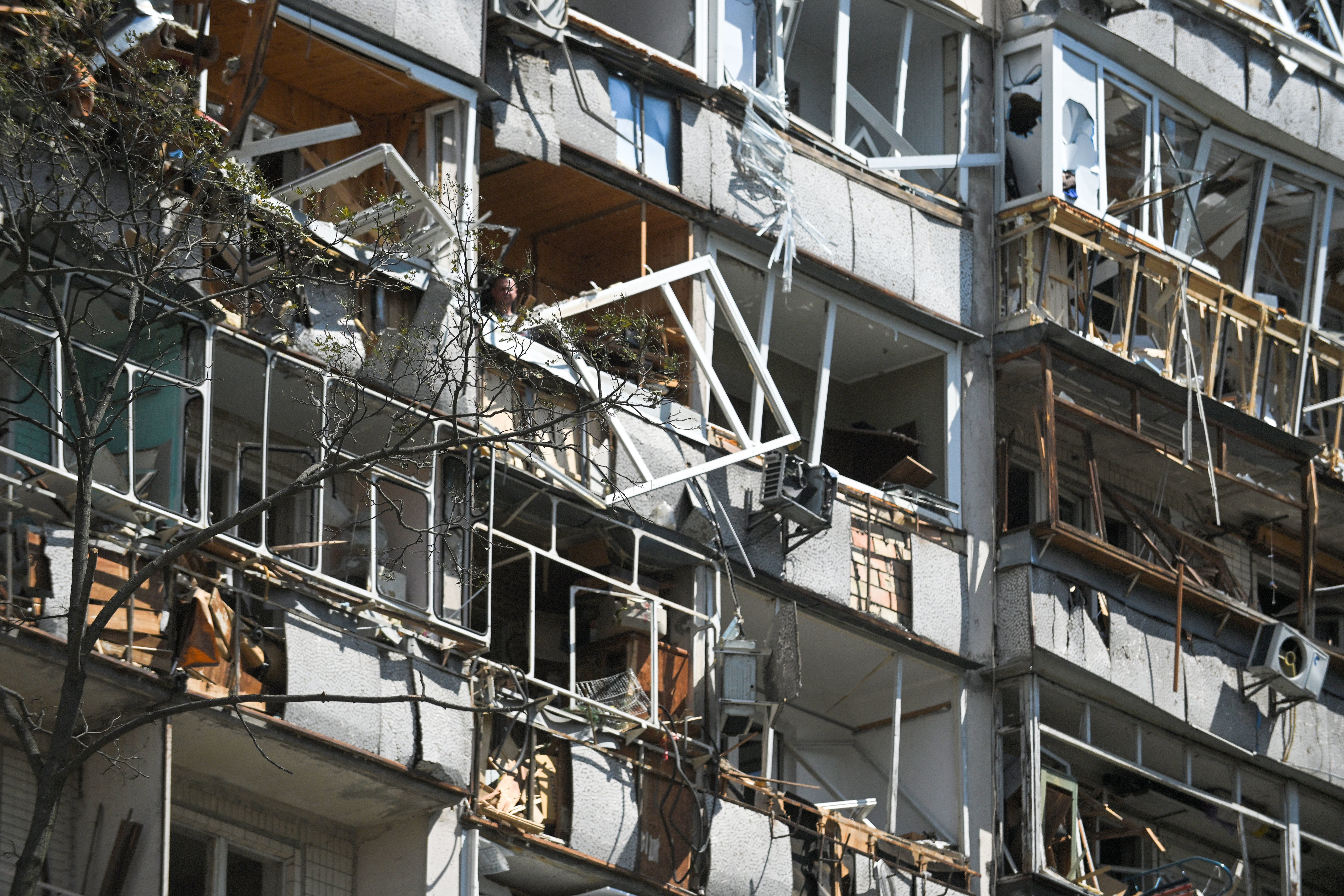
During Russia’s full-scale invasion of Ukraine, at least 265 civilians were killed and 1,816 were injured in June due to Russian attacks, marking a significant rise in casualties.
Following a wave of recent mass attacks on July 2, July 6, and July 8, Ukraine called for an emergency meeting of the United Nations Security Council. UN Under-Secretary-General for Political and Peacebuilding Affairs Rosemary DiCarlo presented the data from the Office of the UN High Commissioner for Human Rights (OHCHR) on July 9.
We bring you stories from the ground. Your support keeps our team in the field.
Since the beginning of Russia’s full-scale invasion of Ukraine, at least 16,402 civilians have died, including 802 children, and 48,428 civilians have been injured, including 2,948 children. These numbers represent only confirmed cases, and the real figures are likely higher. During the first seven days of July, Russian strikes caused an additional 93 civilian deaths and over 500 injuries.
"OHCHR reported that the number of civilian casualties in Ukraine—both dead and injured—in May was higher than in any other month since the beginning of the war," DiCarlo stated.
She emphasized the gravity of the data, noting that the counts are conservative. "These figures only include confirmed cases of casualties. The real numbers are likely significantly higher," DiCarlo added.
The UN official condemned the actions targeting urban areas. "These attacks demonstrate a clear pattern. They targeted urban centers with large civilian populations and destroyed or seriously damaged residential buildings, with devastating consequences for the people who lived there. We condemn these attacks," she said.
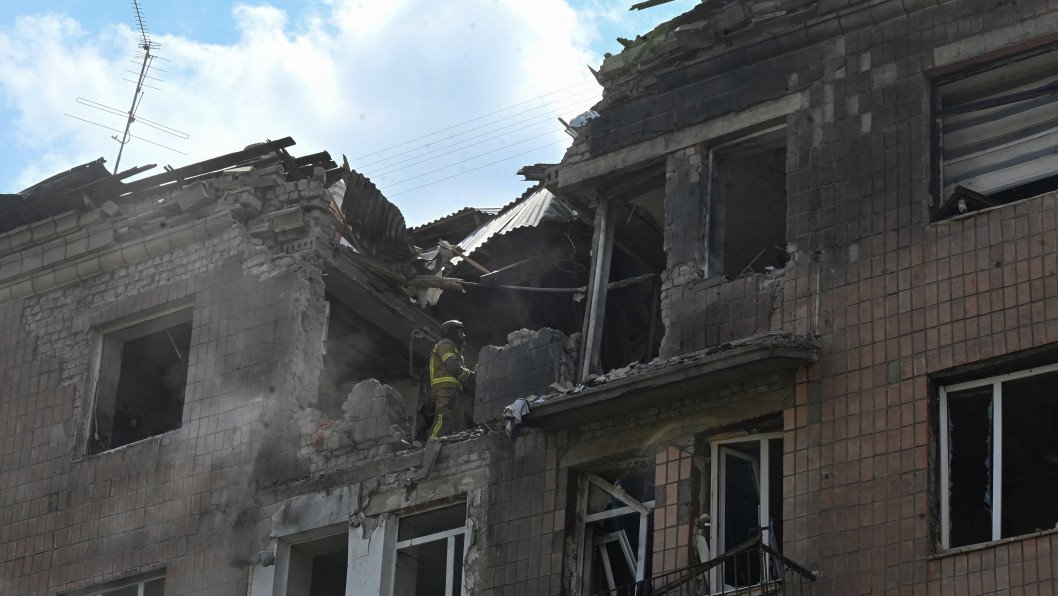
DiCarlo argued that a military resolution is not viable for long-term stability. "There is no military solution that could ensure a lasting peace," she noted, adding that "only a comprehensive, meaningful dialogue and negotiations can change the current dangerous trajectory."
She appealed to the international community for diplomatic intervention. "Therefore, we call on all concerned member states to fully use all diplomatic tools and channels for urgent de-escalation. An immediate, complete, and unconditional ceasefire can no longer be delayed. It must lead to a just, lasting, and comprehensive peace in accordance with the UN Charter, international law, and relevant UN resolutions. The UN supports all efforts aimed at this," DiCarlo said.
Latvia’s Permanent Representative to the UN, Sanita Pavļuta-Deslandes, provided the updated numbers for July, stating that 93 civilians died and more than 500 were wounded in the first week of the month. She strongly condemned the targeted strikes against the civilian population.
-69327a3d08a1f590e9710f3f8692da67.jpg)
"These are acts of desperation, a symbol of a failed war that leads nowhere. In recent months, Ukraine has conducted an effective campaign of strikes against Russia's military targets, warehouses, military logistics hubs, and energy infrastructure that supplies the Russian war economy. By doing so, Ukraine exercises its legitimate right to self-defense against aggression in accordance with Article 51 of the Charter. In contrast, Russia bombards residential buildings, residential areas, and cultural sites," the Latvian diplomat remarked.
Pavļuta-Deslandes concluded by noting that Ukraine urgently requires additional air defense systems to protect its civilian population from these ongoing strikes.
The military analysts noted that while the Ukrainian defense forces successfully intercepted cruise missiles and drones, a severe shortage of specialized interceptor ammunition left them vulnerable to heavier ballistic threats.
This gap was evident when Ukrainian forces failed to intercept any ballistic missiles during two mass attacks on the nights of July 1 to July 2 and July 5 to July 6. The urgency grew as Ukraine's military intelligence reported that Russia maintained a stockpile of up to 200 9M723 ballistic missiles and 110 9M728/9M729 cruise missiles for the Iskander-M system, with plans to deliver up to 700 ballistic and 100 cruise variants in 2026.
Discuss this article:



-29a1a43aba23f9bb779a1ac8b98d2121.jpeg "Photo of Illia Kabachynskyi")