- Category
- War in Ukraine
BlackRock Never Owned 47% of Ukraine. Now It’s Leaving the Ukraine Development Fund
After months of Kremlin-fueled disinformation claiming BlackRock owned 47% of Ukraine and even banned the country’s military burials, the world’s largest asset manager has further unraveled that narrative, announcing it has halted work on the Ukraine Development Fund—a project that never moved beyond the conceptual stage.
 Prefer U24 Media on Google
- Authors

-554f0711f15a880af68b2550a739eee4.jpg "Photo of Lucile Brizard")
Rumors have long surrounded Ukraine’s arable land and its alleged ties to US finance giant BlackRock, which reported assets under management of $11.6 trillion in the fourth quarter of 2024.
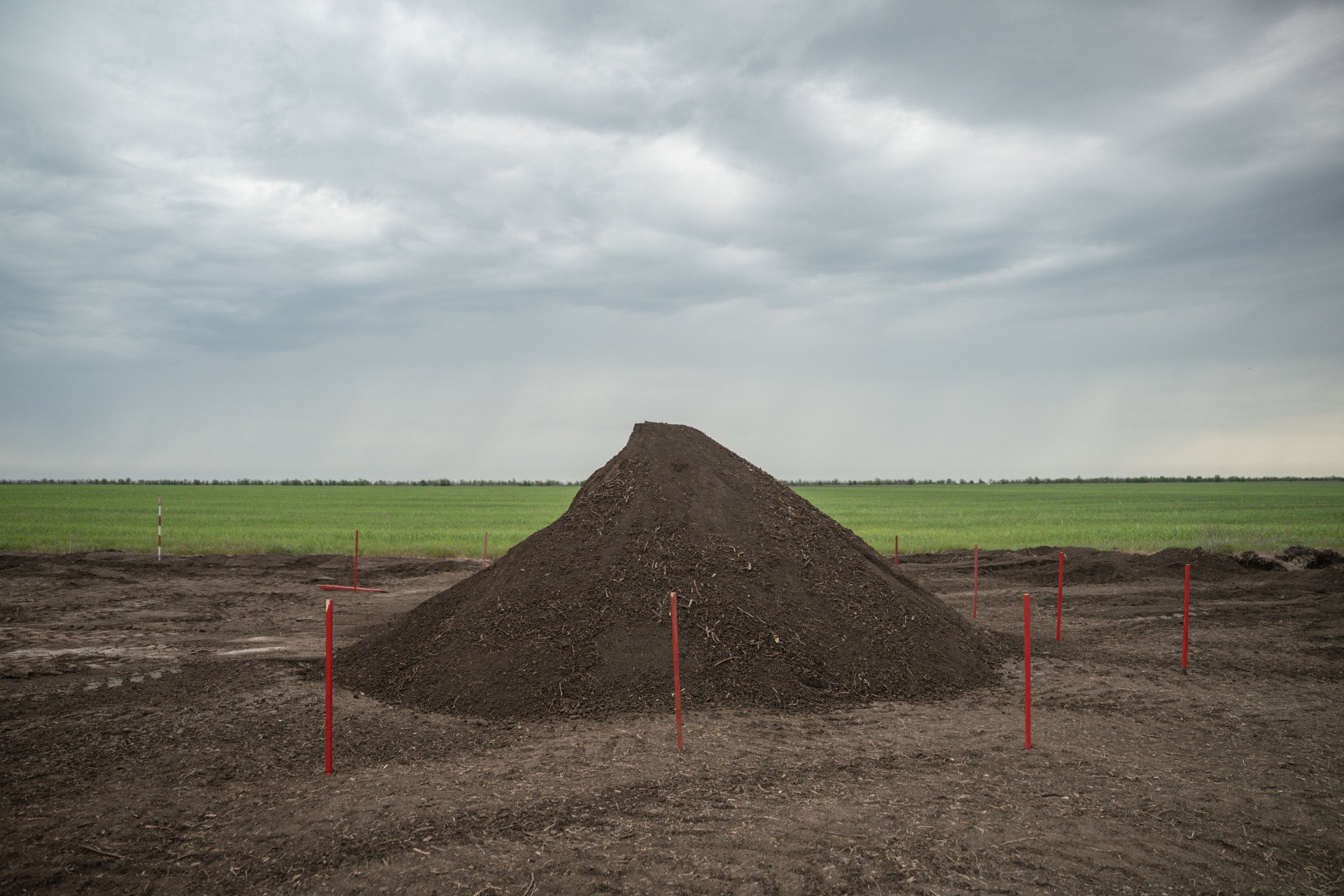
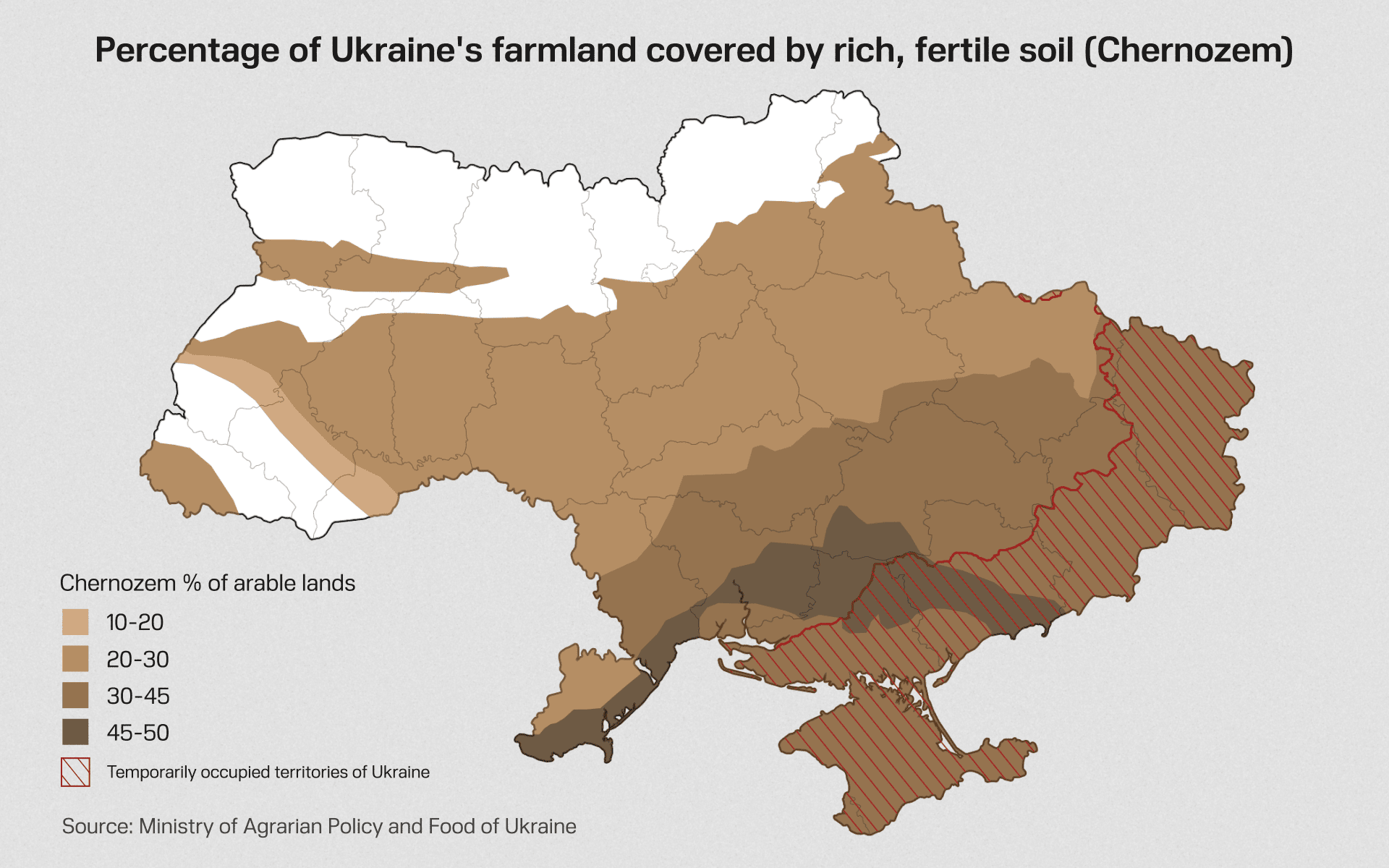
Known as “black soil,” Ukraine’s legendary farmland has some of the world’s highest-quality land due to the presence of “humus” or “chornozem,” as known in Ukrainian. The prized soil is sometimes referred to as the soul of the nation, and Ukraine alone accounts for about a quarter of this resource globally.
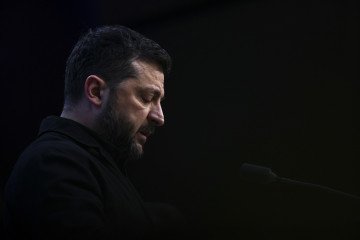
Ukrainian President Volodomyr Zelenskyy met with the asset management giant BlackRock CEO Larry Fink in late 2022 to discuss funding for Ukraine’s recovery and the creation of a dedicated fund, the Ukraine Development Fund (UDF).
“We want global partners to come who can provide us with large investments,” Zelenskyy stated. By 2023, Ukraine had signed an agreement with BlackRock and the American multinational firm JPMorgan Chase to attract billions in private investment.
Disinformation, as if the head of #BlackRock bought #Ukrainian lands and banned the burial of military personnel. Read our fact-check 👇https://t.co/Xy3cvz9m3P
— Myth Detector (@MythDetector) July 5, 2024
Kremlin’s messaging around BlackRock’s Ukraine role
BlackRock is a global asset management firm that manages investment funds on behalf of its clients, rather than investing its own capital. Given its business model, BlackRock does not own or lease land in Ukraine, as its operations are focused on managing assets for institutional and individual investors, invalidating any claims to ownership as it simply is not the company’s organizational approach.
The creation of the UDF led to the dissemination of a false rumor claiming that BlackRock owned 47% of Ukraine’s land and had imposed restrictions on military burials, BlackRock’s Fink falsely quoted as saying it would be “wasting valuable farmland.”
The Russian Telegram channel “Империя очень зла” (The Empire is Very Evil), known for disseminating fabricated information, once claimed: “During a meeting with representatives of major global industry companies, including BlackRock, JP Morgan Chase, and ArcelorMittal, Ukrainian President Volodymyr Zelenskyy was presented with conditions for cooperation. Philip Hildebrand, a Swiss banker and Vice President of BlackRock, demanded that the Ukrainian president restore control over lands in the Kherson, Kharkiv, and Zaporizhzhia regions, which are owned by the investment company.”
Debunked by the Lithuanian branch of the Baltic media group Delfi and reported by Georgian-based outlet Mythdetector in 2024, it was confirmed that BlackRock does not own any Ukrainian agricultural land whatsoever.
Despite this, a X post from @ShadowofEzra, dated back to 2024, spread the 47% rumor and requested that Ukrainian soldiers not be buried on it. The post received 5.8 million views.
Another post, this time from @iluminatibot, claimed that BlackRock had secured a “half a trillion dollar deal” to “rebuild” Ukraine. The 2025 publication garnered 416.9K views, and presented the deal as a shocking coincidence fuelling conspiracy theories about Western corporations controlling Ukraine’s future.
BlackRock has asked that Ukrainian soldiers not be buried on the land it owns in Ukraine.
— Shadow of Ezra (@ShadowofEzra) August 2, 2024
Representatives from BlackRock recently visited Kiev and requested that soldiers no longer be buried in the ground.
They have already bought 47 percent of Ukraine's land.
BlackRock has… pic.twitter.com/B92amrLkDB
In addition, some Russian-language Facebook accounts alleged in 2024 that 17 million hectares of Ukrainian farmland had already been handed over to international corporations through the UDF. These same claims reappeared on May 12, 2024, and referenced Russian filmmaker and propagandist Nikita Mikhalkov.
Thomas Barrett, a researcher and lecturer at the Kyiv School of Economics, states that the BlackRock myth effectively serves Russia’s interests, as land ownership in Ukraine is a highly politically sensitive issue that Russia can easily exploit for disinformation purposes.
“Russia is trying to spread the narrative that Western talk of ‘reconstruction’of Ukraine means selling the country to Western capital, with BlackRock as the chief bogeyman,” said Barrett to UNITED24 Media.
Why BlackRock paused the Ukraine investment fund
BlackRock ceased its search for institutional investors in January 2025, causing the planned funding—set to secure $500 million from governments and development grants, alongside $2 billion from private investors—to fall through, according to the recent Bloomberg report.
Marc Bubeck, a spokesperson for BlackRock, stated in a comment to UNITED24 Media: “This fund [the UDF] hasn’t been launched. It was in a conceptual phase, we had discussions with potential investors [not BlackRock] to invest in the fund, and what we learned from these discussions, predominantly last year, was that they like the structure and it makes a ton of sense. But other investors were still hesitant to invest in Ukraine,” he said, adding, “Obviously you cannot launch a fund with no money in it. Investors do not like uncertainty.”
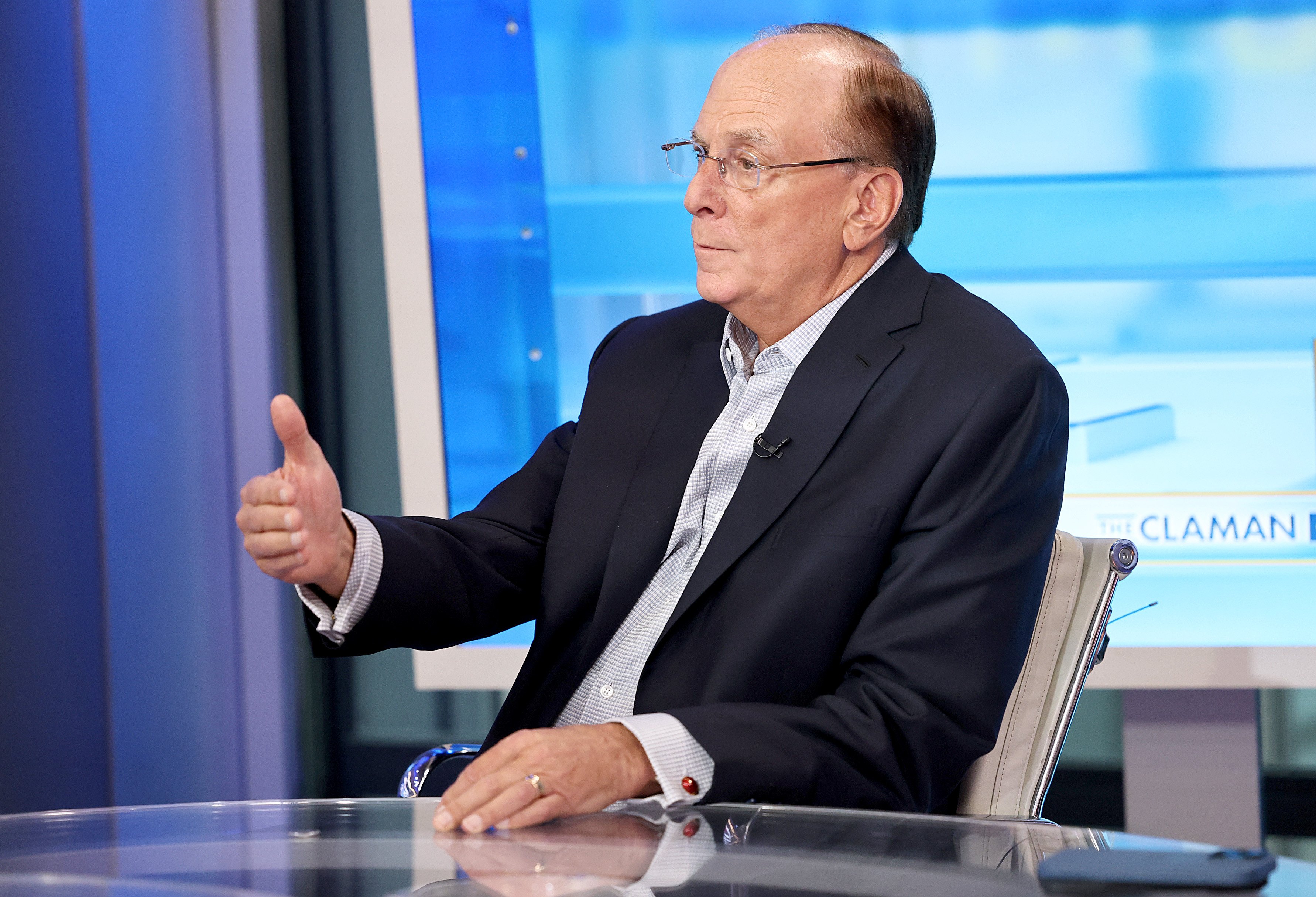
Bubeck confirmed the firm completed the pro bono work on the UDF in 2024 and stated, “We are no longer engaged with the Ukrainian government in any active mandate.”
“BlackRock being accused of owning farmland in Ukraine is really untrue,” said Bubeck. “We have not been a buyer of any farmland whatsoever in Ukraine.”
There are legitimate critiques of asset management firms in terms of their role in climate change, housing markets, and a range of other issues, said Barrett. Yet, he goes on to argue that “the characterisation of BlackRock as having an agenda to buy up shares in Ukrainian companies (and by extension, buying Ukrainian land), have no factual basis” adding, “If anything, the news that BlackRock has halted its search for investors in a Ukraine development fund suggests rather the opposite.”
How does land ownership work in Ukraine
Under Ukrainian law, foreigners are prohibited from purchasing agricultural land, with any such transactions requiring a national referendum.
Approximately 15,600 agricultural companies control 53.9% (18 million hectares) of Ukraine’s arable land, with 40% of these companies incorporated into agro holdings, which are the largest landowners. The top 10 agro holdings control 8% of Ukraine’s arable land, and while many are funded by domestic and international sources, scandals like those involving UkrLandFarming and Mriya have impacted their reputation.
A moratorium on the sale and transfer of agricultural land in Ukraine, initially imposed in 2002 and extended for the tenth time in December 2018, remained in effect until July 2021. This legal ban prohibited landowners from selling or transferring ownership of agricultural land, with exceptions for inheritance and certain public needs.
Ukraine’s land market officially opened on July 1, 2021, allowing private individuals to buy and sell farmland for the first time since Ukraine’s independence. In two years, over 400,000 hectares changed hands—about 1.5% of eligible land. Prices remain low, under €1,000 ($1,150 USD) per hectare, far below EU levels.
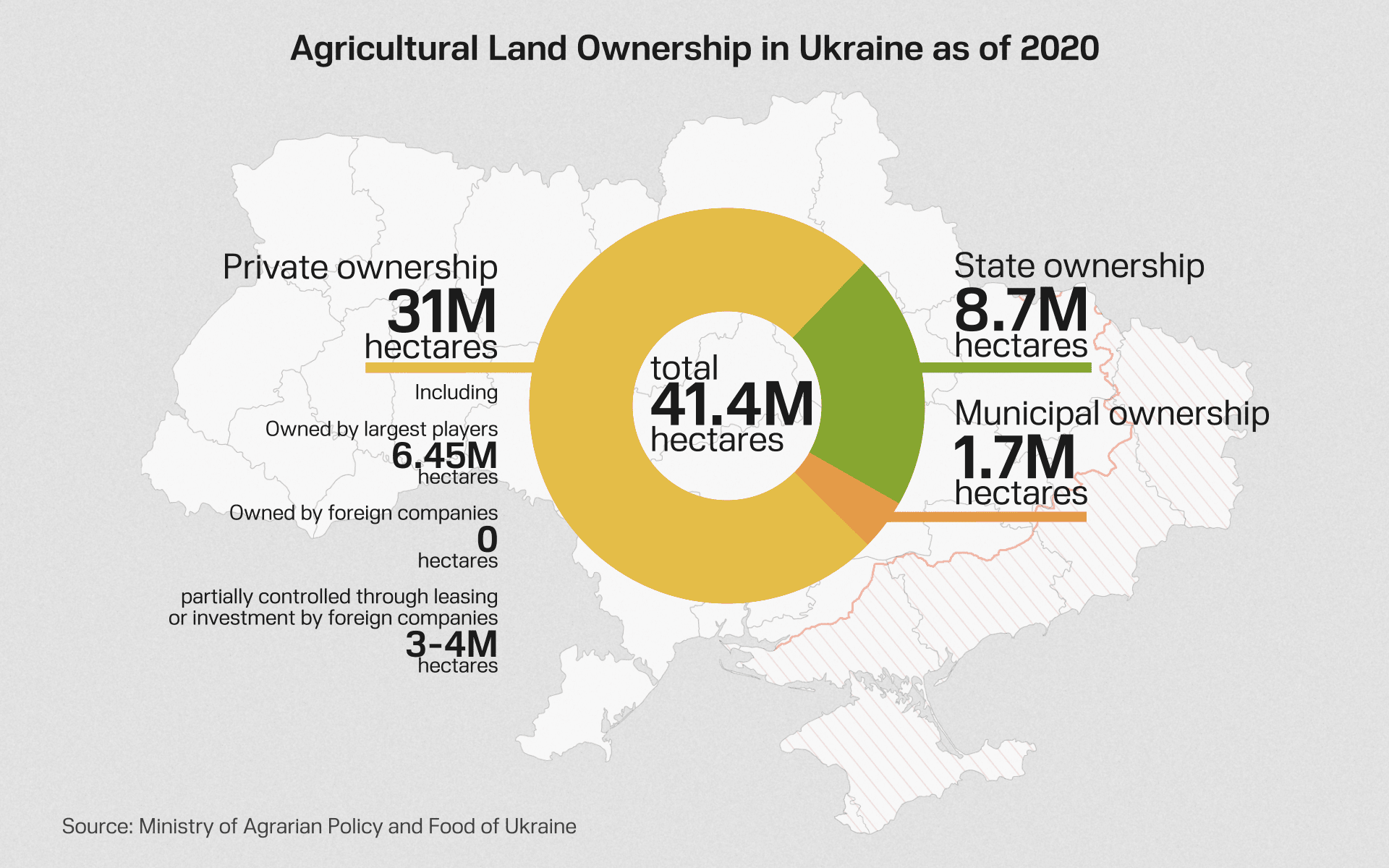
The 2020 law that ended the land sale ban applies only to privately owned farmland. State and municipal land sales are still prohibited, and only Ukrainian citizens and companies without foreign capital can buy land.
Barrett asserts that the feared large-scale concentration of land after Ukraine’s market opened never happened: “This may be due to the [Russian] invasion lowering the appetite for buying land. Or perhaps the demand for Ukrainian land was simply not as high as predicted. Or firms were not willing to take the risk of trying to circumvent the legislation. In any case, the predicted takeover didn’t happen.”
Contrary to the many false narratives, only two companies have foreign ownership. Agroprosperis, which manages 300,000 hectares of land, has a leadership structure that includes some Ukrainian figures but is heavily backed by foreign investment, particularly from US investors George Rohr and Maurice Tabasinik. And, Continental Farmers, which cultivates 195,000 hectares in Ukraine, is owned by Saudi Arabian investors through the United Farmers Holding Company.
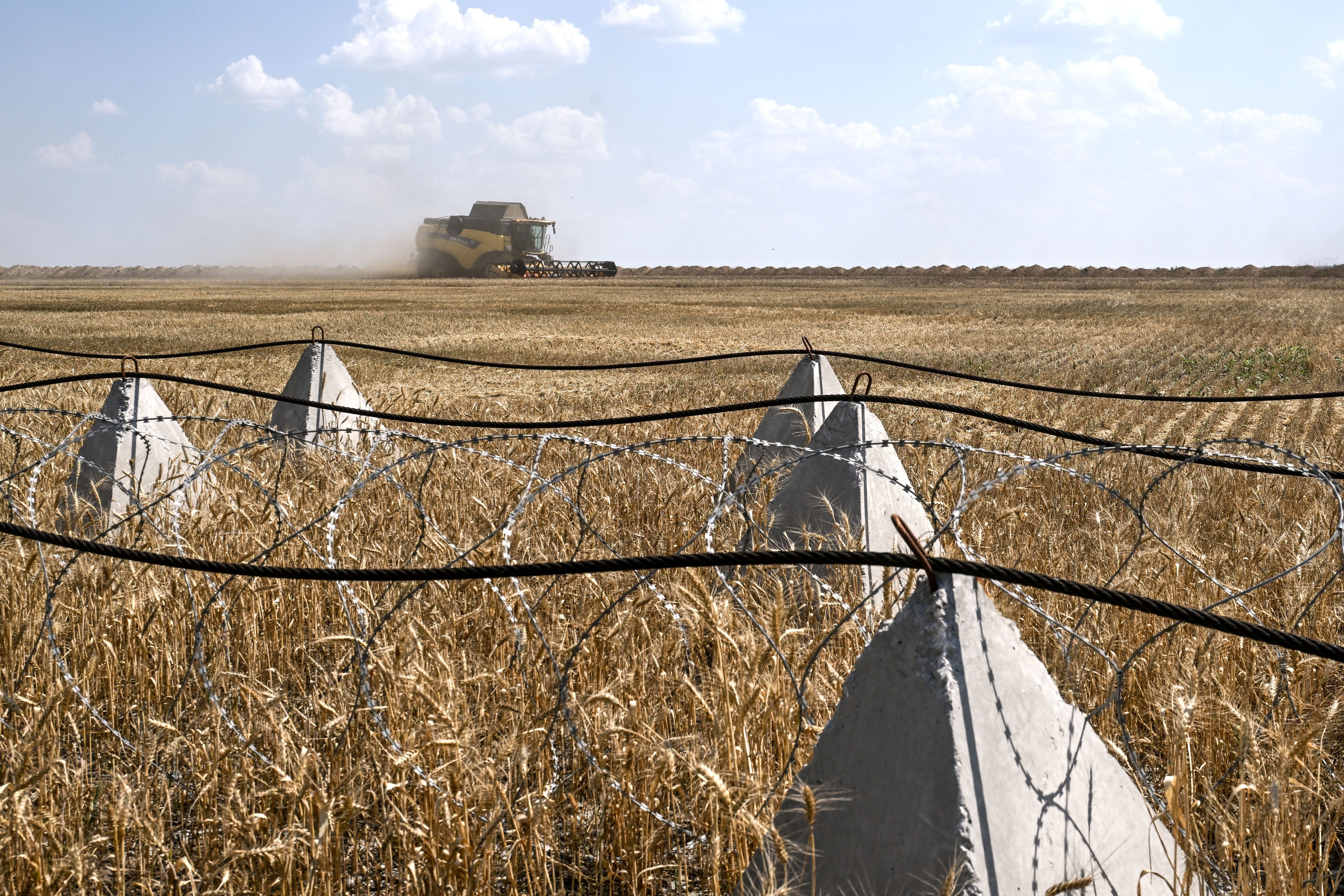
Ukraine entered the second phase of its land reform in January 2024, allowing Ukrainian legal entities to purchase up to 10,000 hectares. Foreign entities remain prohibited from acquiring land unless authorized by a future referendum.
What’s next for international capital in Ukraine
Despite these significant strides, Russia’s attempted annexation of Crimea and its further military aggression in Ukraine have caused severe damage to Ukraine’s agricultural sector, with losses estimated at $80 billion by the end of 2023, including the cost of demining and rebuilding efforts.
And now, with the UDF on pause, some are using the moment to question Ukraine’s prospects. Florian Philippot, founder of the French nationalist and anti-EU party The Patriots, told Kremlin propaganda outlet RT: “How are we going to replace a behemoth like BlackRock in Ukraine under conditions of total military, diplomatic, financial, and economic uncertainty?”
Yet, Ukraine’s natural resources and international backing remain in place. Meanwhile, France has been working on a proposal to replace the canceled BlackRock recovery fund, Bloomberg reported. Its effectiveness, however, remains uncertain without US backing, according to anonymous sources.
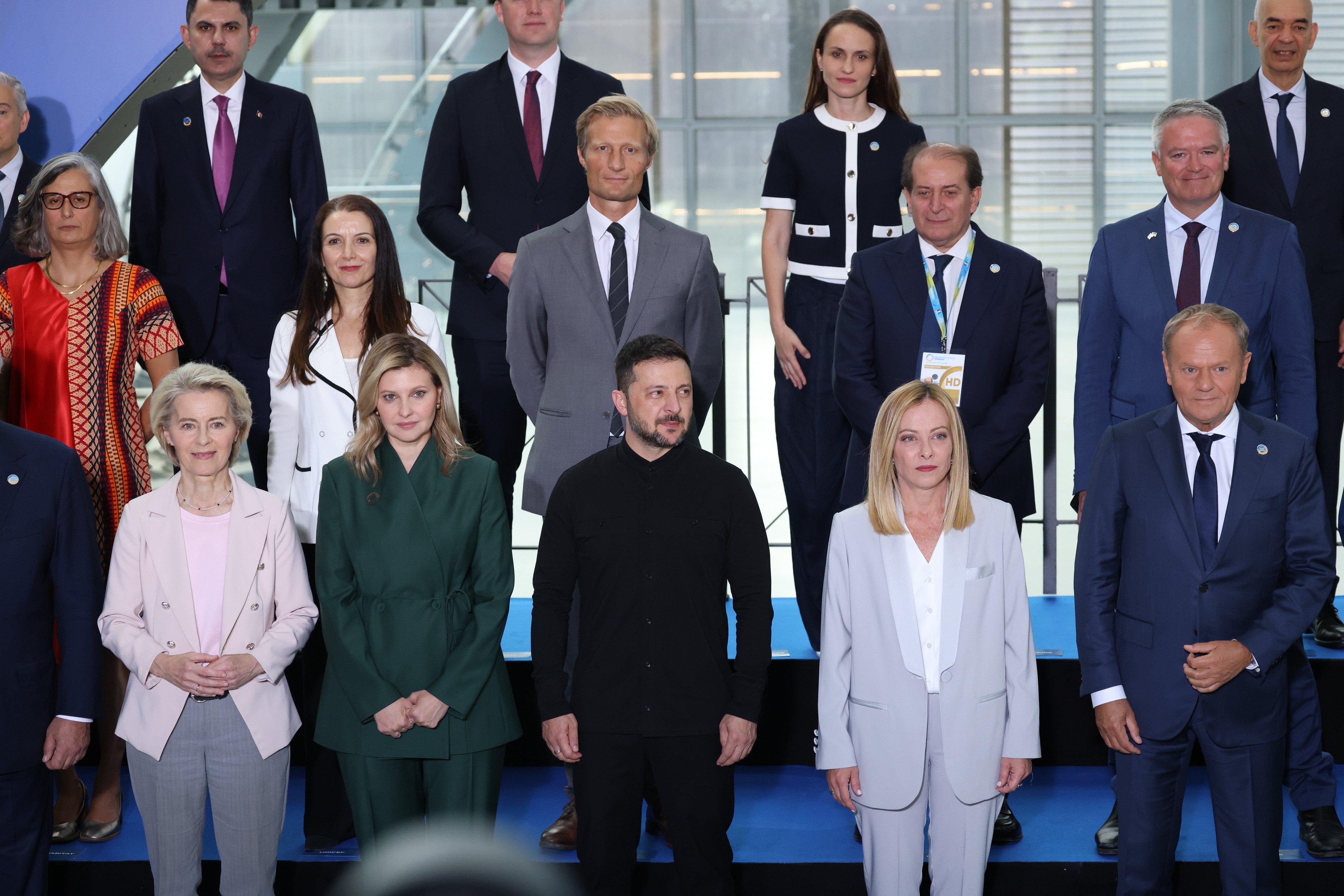
Whilst Ukraine faces the dual challenge of rebuilding its economy and reforming institutions, over $4 billion in pledges were secured at the 2025 Ukraine Recovery Conference in Rome, aiming to boost infrastructure, energy, and mineral development.
Discuss this article:

-c439b7bd9030ecf9d5a4287dc361ba31.jpg "Photo of Katherina Popilnichenko")
-111f0e5095e02c02446ffed57bfb0ab1.jpeg "Photo of Roman Kohanets")