- Category
- Investigations
Exclusive: Russia Can’t Easily Produce Tanks, Aircraft, and Warships Without This Metal Supply Chain
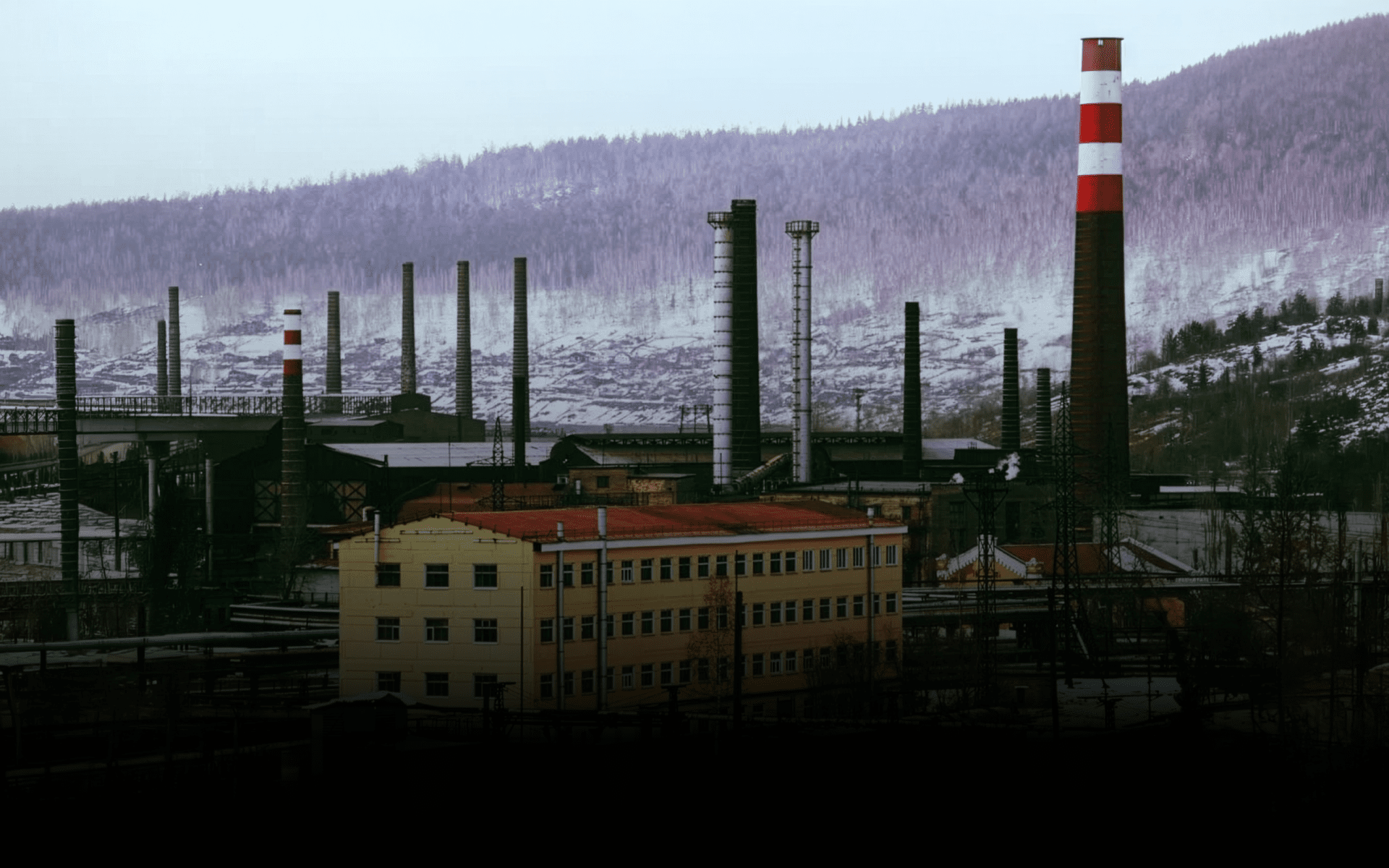
The Zlatoust Metallurgical Plant sits at the center of a major Russian alloy supply chain, drawing inputs from Iran, Kazakhstan, and within Russia. Without this steel chain, Russia’s military ability to fly, swim, and crawl would suffer significantly, as newly obtained documentation shows.
 Prefer U24 Media on Google
- Authors

-605be766de04ba3d21b67fb76a76786a.jpg "Joseph Place")
Helicopters, tanks, aviation engine components, infantry vehicles, and naval machinery all rely on steel from the same place—the Zlatoust Metallurgical Plant, located at Kirova Street, 1, Zlatoust, Chelyabinsk Region, Russia.
This plant has a long history, being a core provider of swords to Tsarist Russia in the 19th century, and was modernized by the Soviets. Today, the plant is a core part of the Russian military-industrial complex. A major raw resource that it needs is ferrochrome.
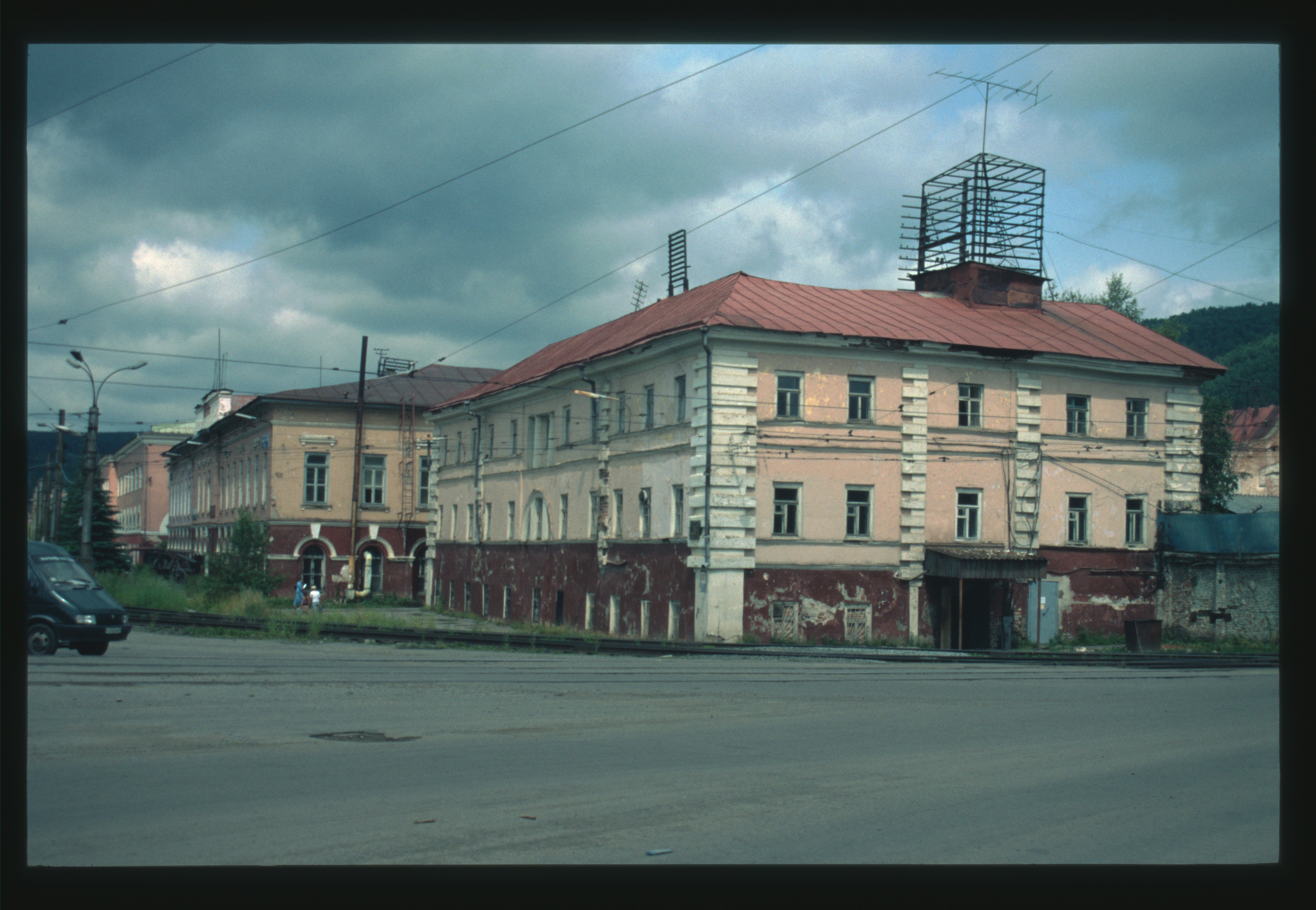
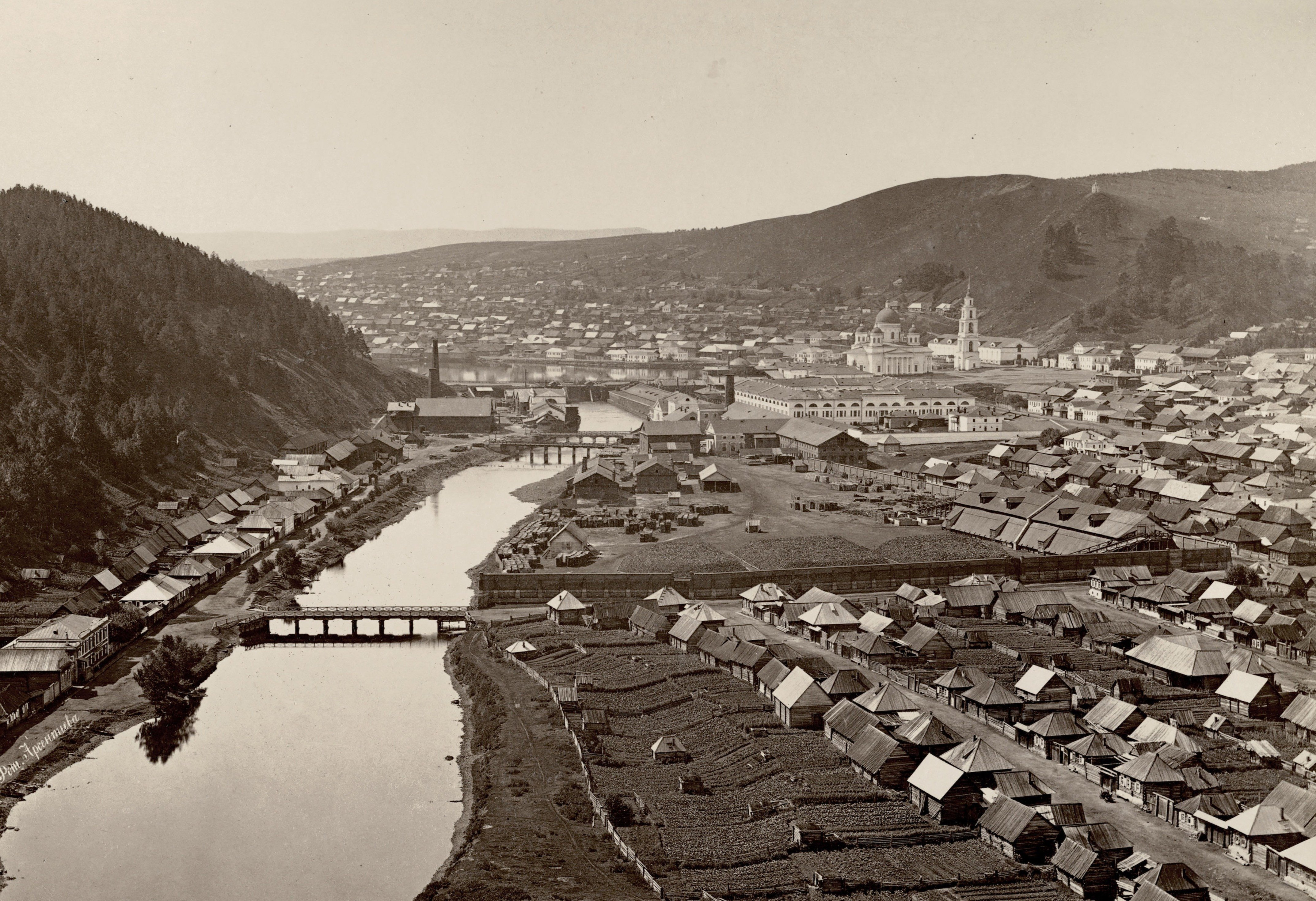
Ferrochrome is a type of iron alloy with 50 to 70% chromium, typically used in steel production, a core function of the Zlatoust plant. To acquire this resource, Russia has used supply chains involving Iran, Georgia, Kazakhstan, and domestic companies. The provision of ferrochrome into Russia is under EU sanctions due to its role in the military, which is why Russia has to use intermediaries and domestic production to procure it.
The supply chain
The documentation shows that ferrochrome is a crucial part of the military production process inside Russia. It is imported internationally and sourced domestically, and used by a few key parties. While it is acquired via different routes, it is a relatively vertical chain, all focused on the Zlatoust plant.
One chain involves Iran. Thousands of tons were acquired from Iran via intermediaries to supply the plant, which then transformed them into steel for military manufacturing, including helicopters, tanks, engine parts, BMPs , and even submarines.
In addition to Iran, this material is procured from Chelyabinsk, Russia, and Kazakhstan, via the same intermediary, and all is supplied to Zlatoust Metallurgical Plant, illustrating a particularly vulnerable chain.
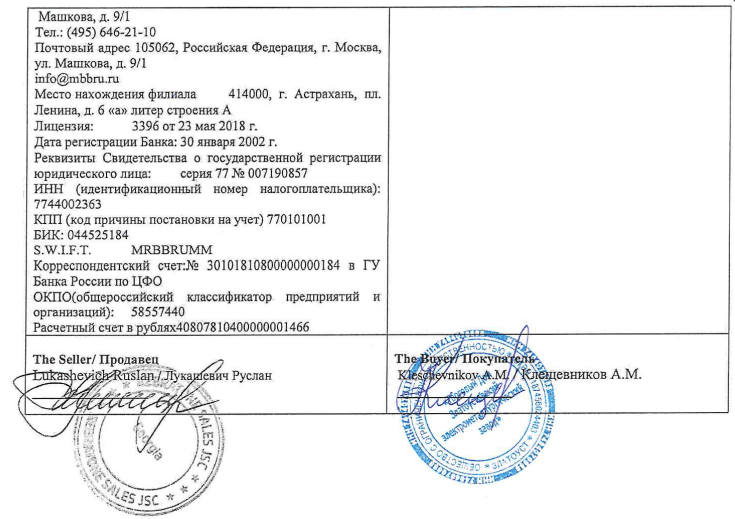
The most illuminating document showing the chain from Iran is a contract signed prior to Russia’s full-scale invasion of Ukraine. This is contract No.12-418TD dated October 14, 2021, for $6 million. It pertained to the purchase of ferrochrome from the Iranian company East Mining Investment and Development Company (EMIDCO) through the Georgian company Rebratone Sales JSC.
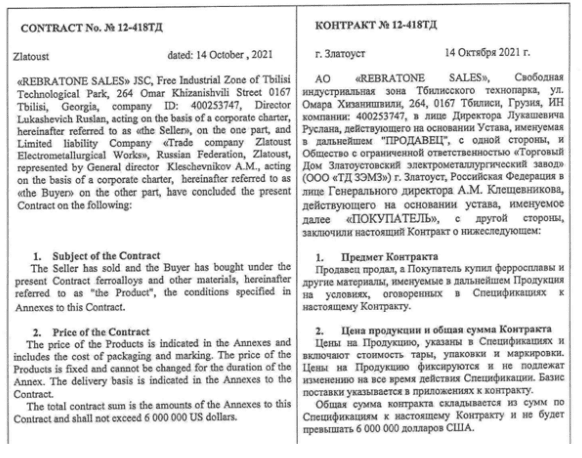
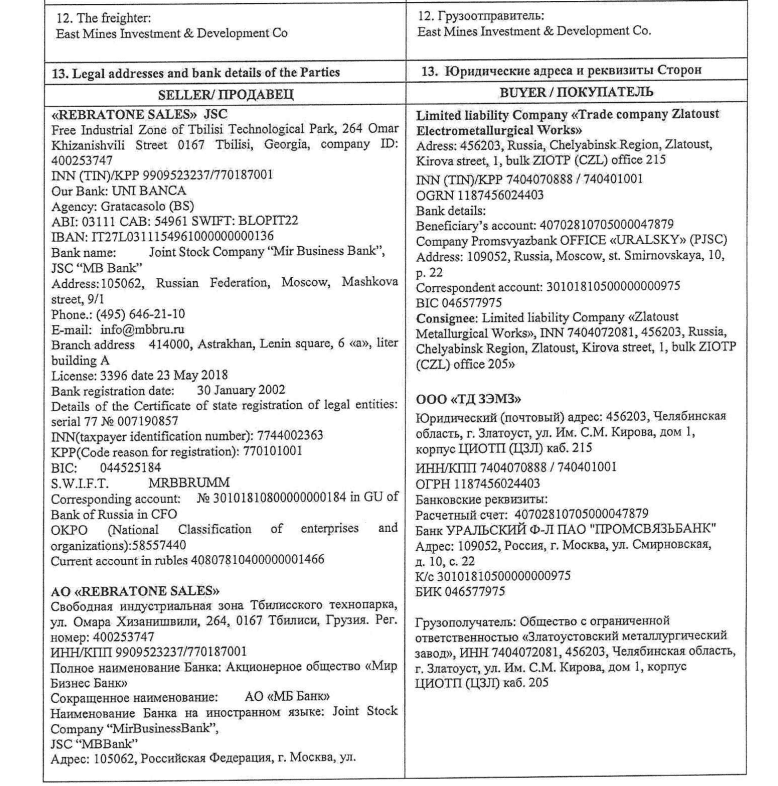
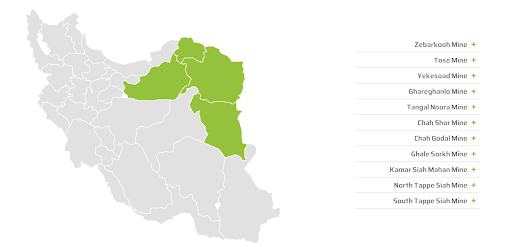
The document shows that EMIDCO acquires ferrochrome. This company has mines across the north-east of Iran and, according to its site, an office in Tehran. They produce ferrochrome and ship the bulk material.
Rebratone, based in Tbilisi, Georgia, acts as an intermediary. They assist in the export of Ferrochrome to Russia. This is then bought by Trading House Zemz (TD ZEMZ), a Russian trading company, also acting as an intermediary.
One immediate question is, why this chain? When the deal was established, ferrochrome was not sanctioned, and Russia was not under as strict sanctions as it is now. There are a few reasons. Iran was still under sanctions, and there were still other sanctions applicable to Russia, meaning that obscuring the transactions via intermediaries would better avoid scrutiny. Yet, it is unclear whether this is the case. What we can see, however, is that Rebratone’s address is in the Tbilisi Free Zone.
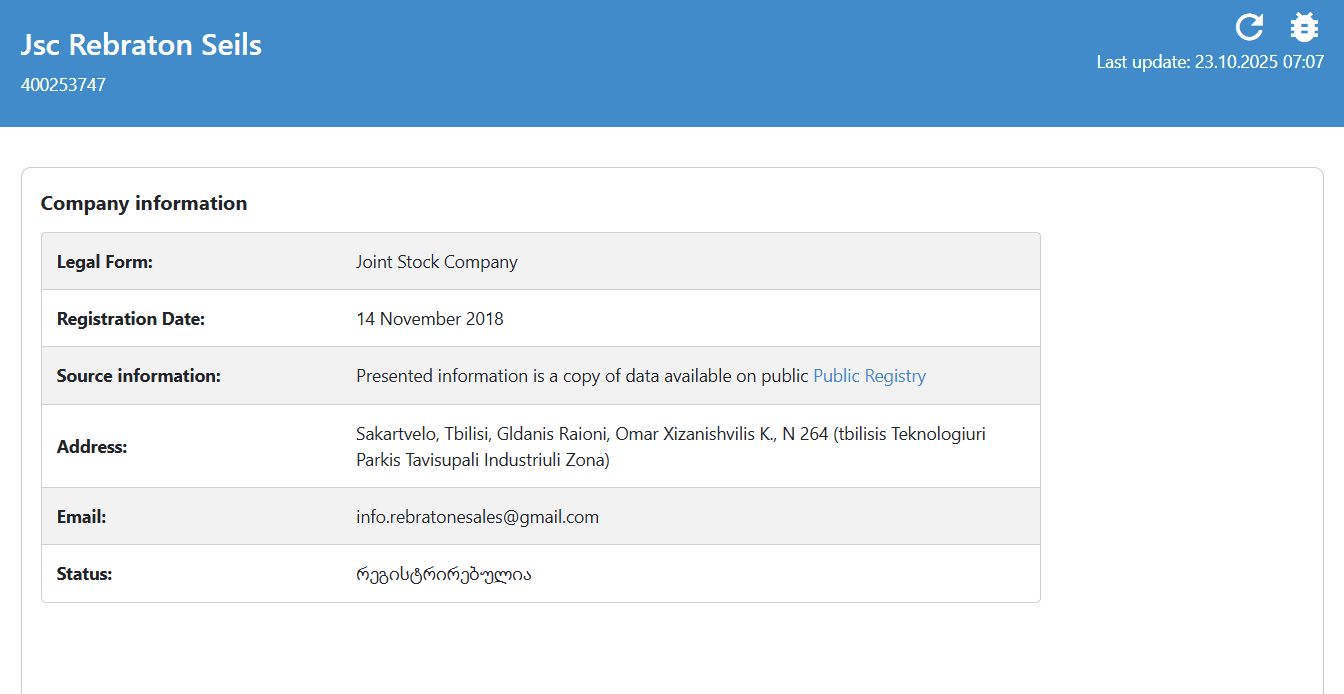
Companies that operate in this zone have 0% taxes on import, export, capital gains, property, income, and VAT, meaning the costs for the company are low. Most importantly, however, is that any currency can be used. This would allow Rebratone to easily accept and send money from Iran and Russia, thereby obscuring the transactions from regulatory bodies and enabling favorable contracts for both countries. Rebratone could, for example, accept Russian rubles for the ferrochrome from ZEMZ, then send it to EMIDCO.
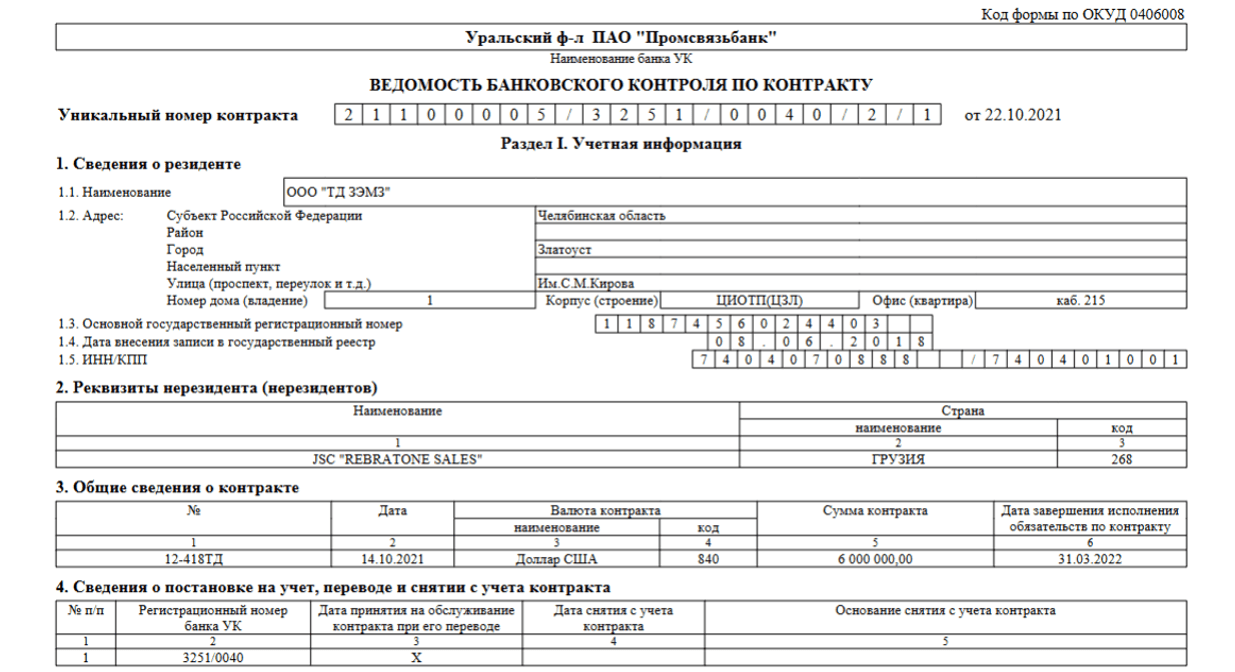
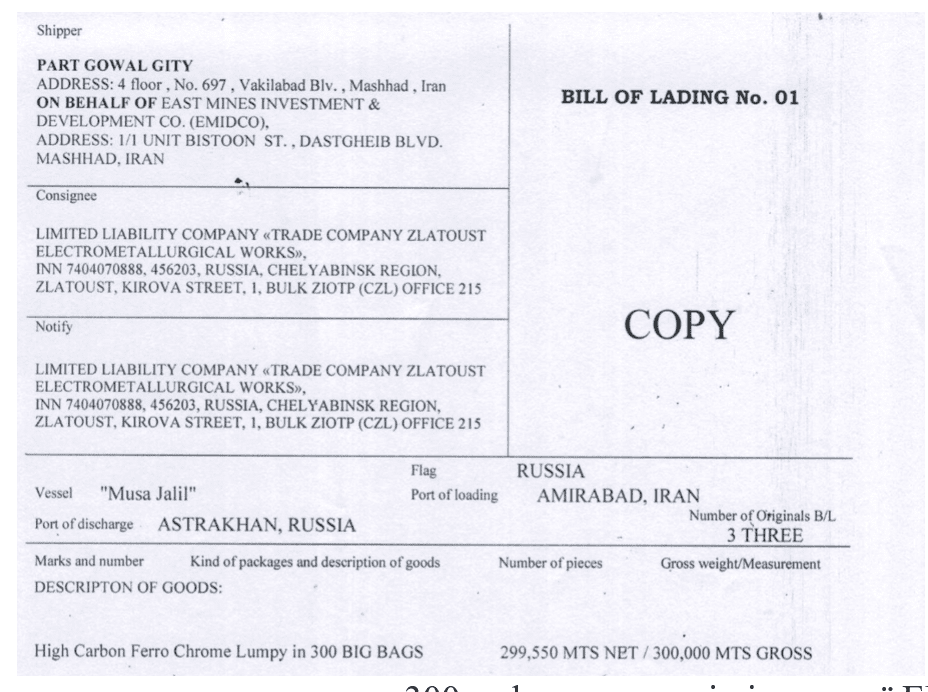
Returning to the chain, after on-paper only transfers between the intermediaries, the ferrochrome was ordered to the Zlatoust Metallurgical Plant for the manufacture of high-alloy steels for defense industry clients. The bill of lading clearly shows all major parties:
The order volume is in three specific shipments, the first two are for 600 Tonnes (approximately), and the third is 1200. This shows a significant volume of ferrochrome.
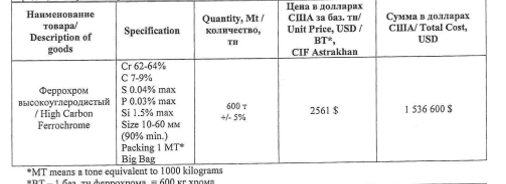
Overall, large shipments of ferrochrome were ordered from Iran via intermediaries for state-affiliated factories, which then shipped it to military-related industrial factories. Other documents show that, over time, other sources of ferrochrome have been used.
The factories listed are still acquiring this alloy from Zlatous Metallurgical Plant. The customers include:
Kurganmashzavod (producer of BMPs and under sanctions)
ODK (United Engine Corporation entities—produces engines for aviation, both military and civilian—sanctioned)
Omsktransmash (produces tanks and other vehicles—sanctioned)
SKB Turbina (makes parts for engines for military purposes—sanctioned)

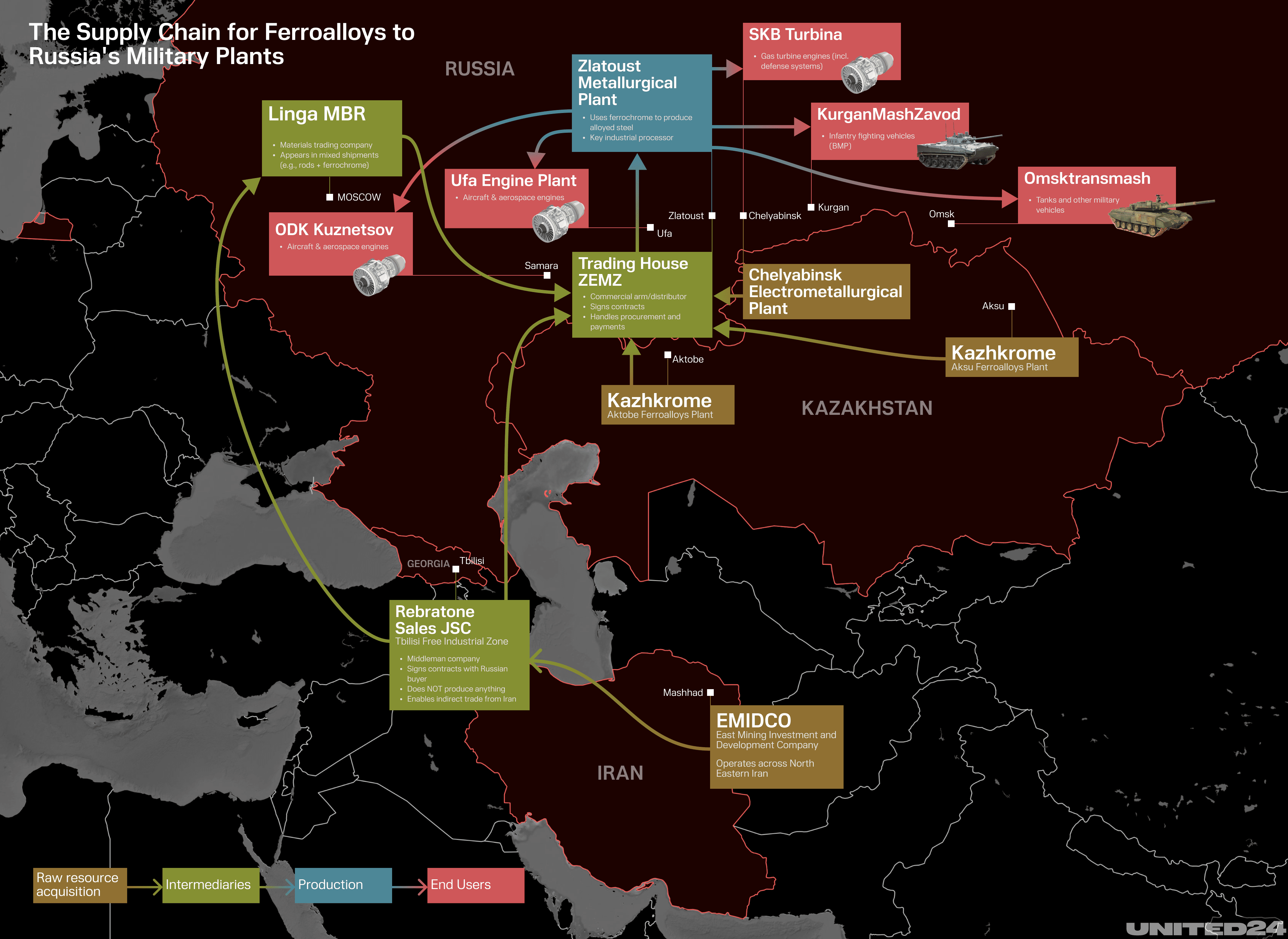
This map shows how ferrochrome comes from three sources, via ZEMZ, the intermediary, to Zlatoust Metallurgical Plant, where it is transformed into steel, and then sent to other factories to be used for military purposes. Illustration: UNITED24 Media
While the initial contracts are from 2021, more recent documentation provides further insight into the chain. In addition to the above-mentioned chain, there is a local, Russian producer of ferrochrome: the state-owned Chelyabinsk Electrometallurgical Plant). This plant also sells to TD ZEMZ.
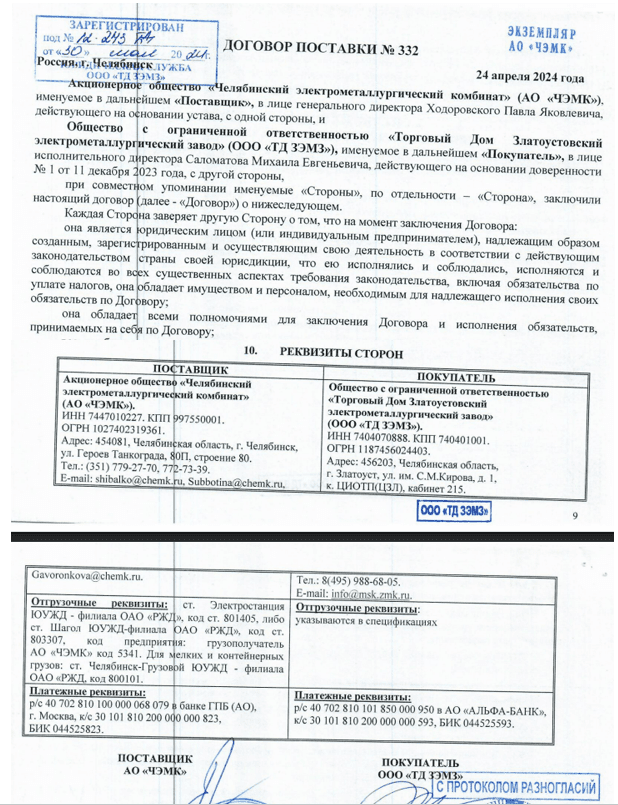
ZEMZ also purchased ferrochrome from "PK Zavod Termat" (Russia), JSC "TNK Kazahrom" (Kazakhstan), and JSC "NZKhZ" (Russia) in March 2025. This shows that there are other suppliers of ferrochrome than Iran. The fact that Russia is also purchasing from Kazakhstan illustrates the international nature of this supply chain. However, the main route is now, it seems, inside Russia.

We also have access to an internal presentation from ZEMZ Trading House analysing ferrochrome procurement under contracts with Chelyabinsk Electrometallurgical Plant.
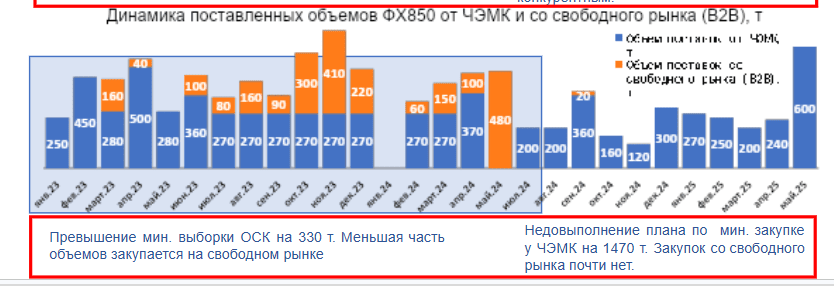
The presentation shows key problems, namely, the underfulfillment of orders by 1,470 tons. The blue in the above image is the share supplied by Chelyabinsk Electrometallurgical Plant, and we can see that it is the main provider, which is a problem as they rely on one partner. It appears this is currently the key source of ferrochrome for the Zlatoust plant. The free market is no longer sufficient, but even the state enterprise fails to fulfil orders.
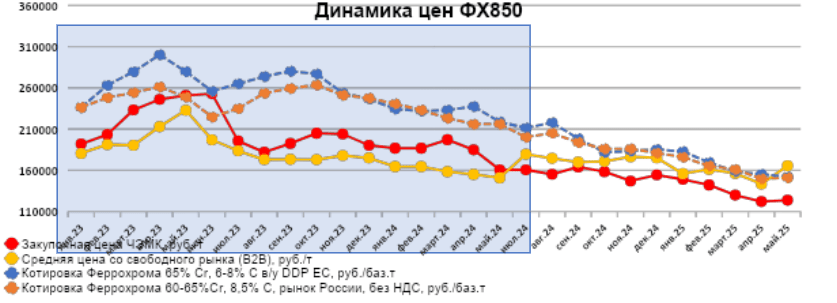
Prices have also gone down, which is not beneficial to the Chelyabinsk plant but is for ZEMZ Trading House, who resell to Zlatoust Metallurgical Plant.
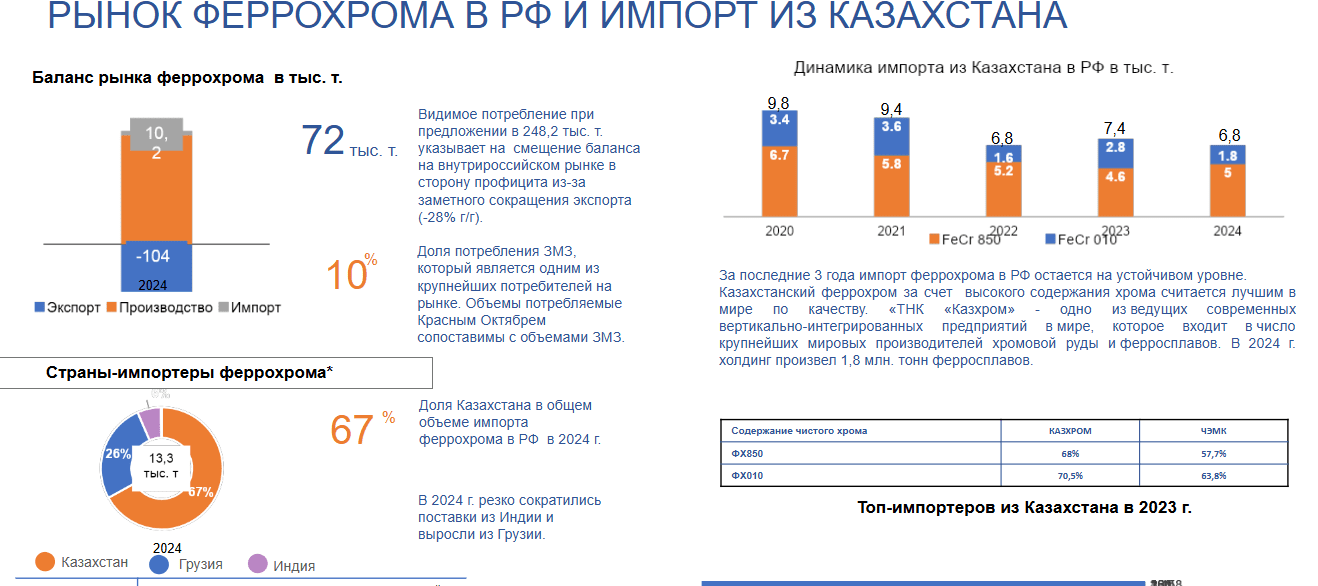
Kazakhstan remains one of the key providers of ferrochrome outside Russia, though Russia has more ferrochrome domestically due to reduced exports resulting from sanctions. Nonetheless, Kazakh ferrochrome is regarded as the best quality, which is why Russian military manufacturing still uses it.
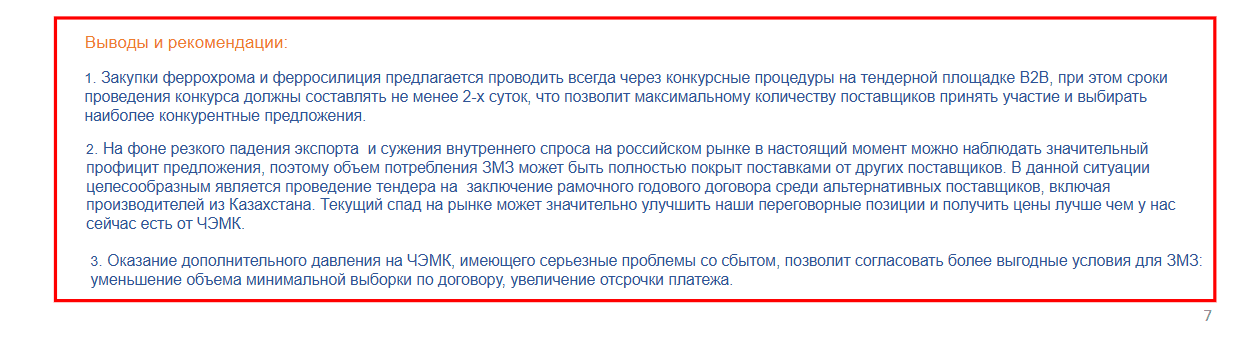
ZEMZ concludes the following about the situation:
“Putting additional pressure on ChMK, which is experiencing serious sales problems, will allow for more favorable terms to be agreed upon for ZEMZ: a reduction in the minimum sample volume under the contract and an increase in the payment deferral period.”
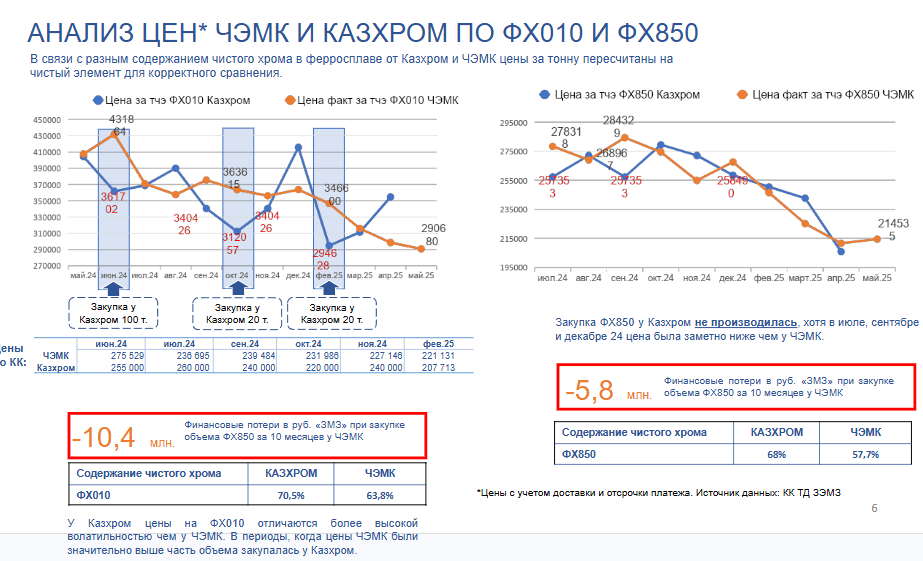
This shows that competition and sales problems faced by Chelyabinsk allow ZEMZ to profit. By having many private companies in the military industrial supply chain, interests are not aligned, and ZEMZ has an interest in increasing control of the supply of ferrochrome and maintaining higher costs.
Other suppliers were also considered. For example, ADK Stal. However, the quality of the ferrochrome was deemed too low, citing a higher silicon percentage. The desired quality and quantity of ferrochrome can only be derived from certain sources.
Ultimately, the Zlatoust Metallurgical Plant is a hub for steel production and relies on ferrochrome sourced from Russia, Iran, and Kazakhstan.
Wider implications and vulnerabilities
While there are ferrochrome sources from a few partners, the chain is still relatively vertical.
In terms of global ferrochrome production, according to the US Geological Survey, South Africa is the biggest producer, with 41%; then Kazakhstan,
24%; Russia, 6%; Finland, 5%, and others at 24%. However, it is the Russian and Kazakh-produced alloy that Russia needs, and if this chain to the Zlatoust Metallurgical Plant were cut in any way, much of the military industrial complex would be significantly disrupted, as so many key factories depend on it.
If this chain can be impeded further, with stronger secondary sanctions enforcement and compliance, Russia’s military manufacturing will be seriously harmed, as the supply of ferrochrome to Zlatoust cannot meet the demand for military equipment. This would disrupt the entire military-industrial complex.
Discuss this article:




-206008aed5f329e86c52788e3e423f23.jpg "Photo of Oleksandr Moiseienko")