- Category
- War in Ukraine
Germany Seeks Counter-Space Systems to Neutralise Russia’s Rassvet Network
 Prefer U24 Media on Google
- Authors


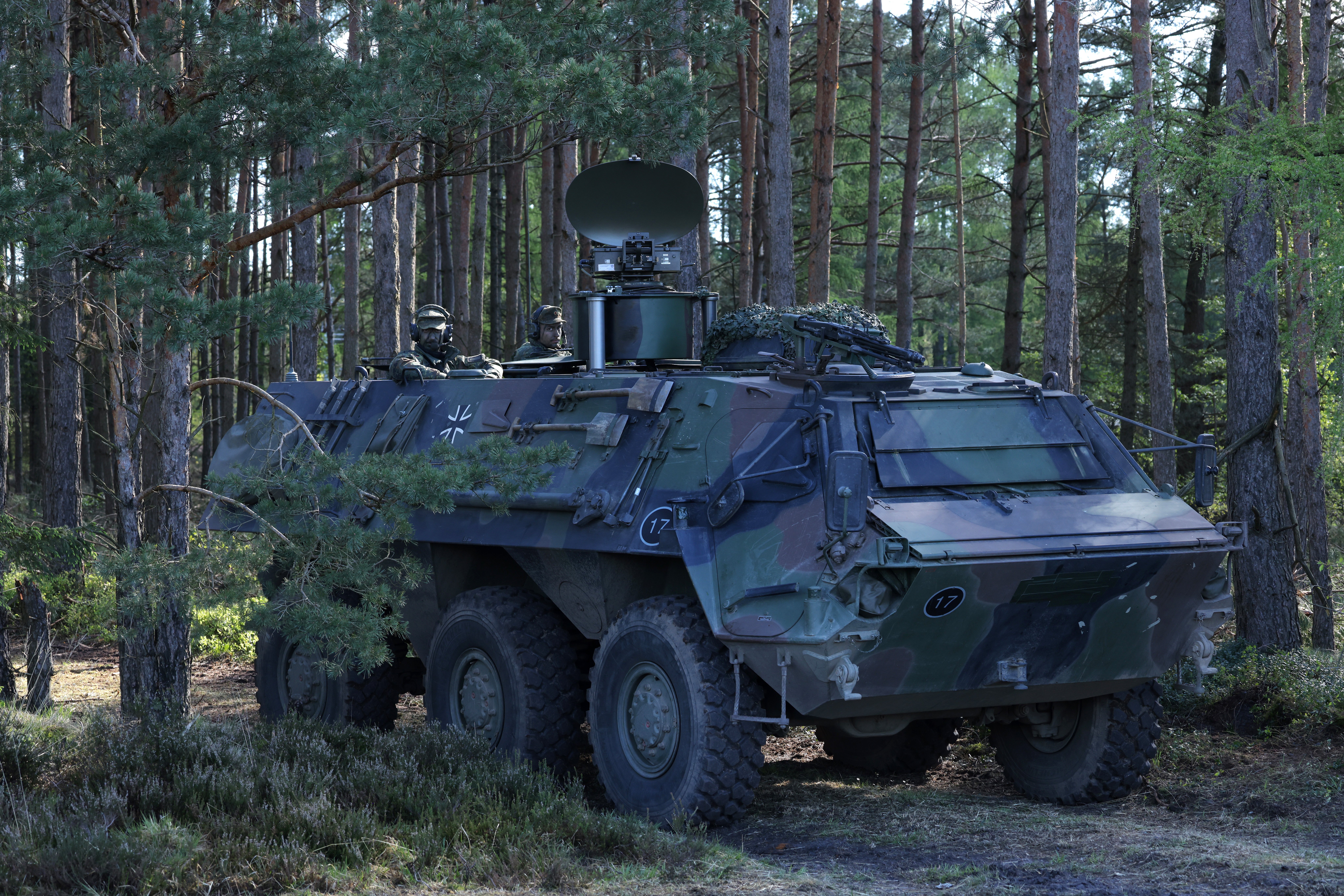
Germany’s armed forces are assessing ground-based electronic warfare systems capable of disrupting satellite navigation and communications, as Russia develops its Rassvet satellite network.
We bring you stories from the ground. Your support keeps our team in the field.
According to Defense Express on September 7, the Bundeswehr tasked the German Space Agency with surveying available counter-space technologies that could be acquired and deployed within the next several years.
The initiative is currently at the market-research stage. A request for information published through the EU’s TED procurement platform seeks systems capable of suppressing satellite signals from low, medium, and geostationary orbits.
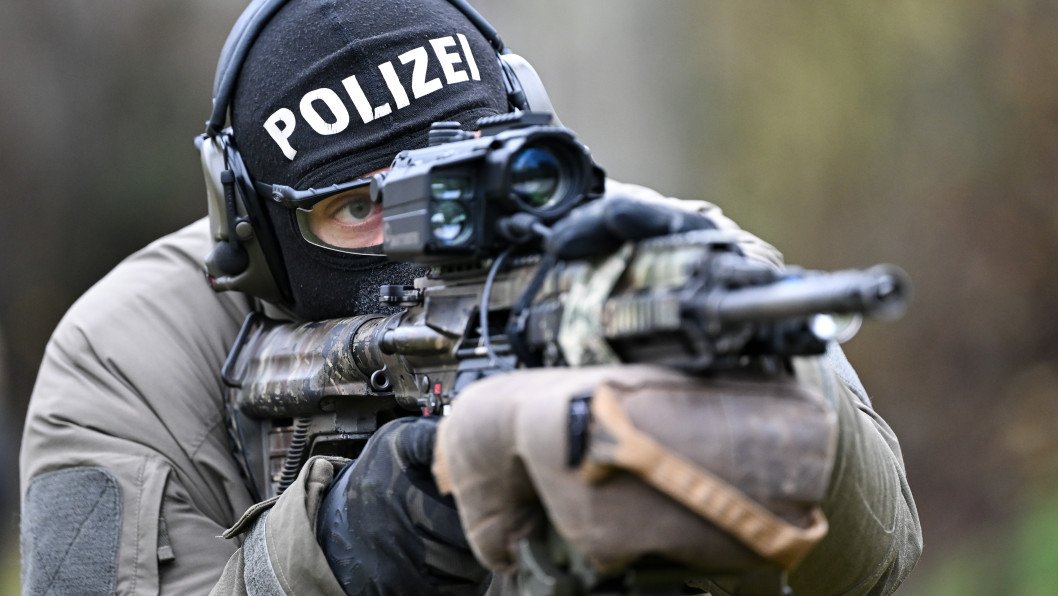
For satellite navigation, the Bundeswehr is also interested in systems capable of spoofing signals by transmitting false positioning data.
The procurement documents do not identify specific satellite constellations as targets. Defense Express noted, however, that the requirements could be relevant to Russian systems, including GLONASS and the developing Rassvet communications constellation.
Germany wants initial capabilities to be operational by 2029. A complete system covering the area of responsibility of a brigade is expected within approximately three and a half years, while broader deployment across the Bundeswehr is targeted within six years, around 2035.
Germany’s Panzerbrigade 45, which is being permanently stationed in Lithuania to reinforce NATO’s eastern flank, is being used as a reference formation for determining the required coverage.

Potential suppliers must also assess possible interference with Germany’s own communications and navigation systems and demonstrate the ability to manufacture the equipment at scale. The Bundeswehr is additionally seeking ITAR-free solutions that reduce reliance on US-controlled components.
The move comes as Russia continues developing satellite communications capabilities while also using electronic warfare to interfere with GPS signals in parts of Europe. Defense Express pointed to Russia’s Tobol system in the Kaliningrad region as one example of such activity.
Discuss this article:
-9a7b3a98ed5c506e0b77a6663f5727c5.png)


-111f0e5095e02c02446ffed57bfb0ab1.jpeg "Photo of Roman Kohanets")