- Category
- War in Ukraine
How Do You End Up Being Called “Kitten” in the Ukrainian Army?
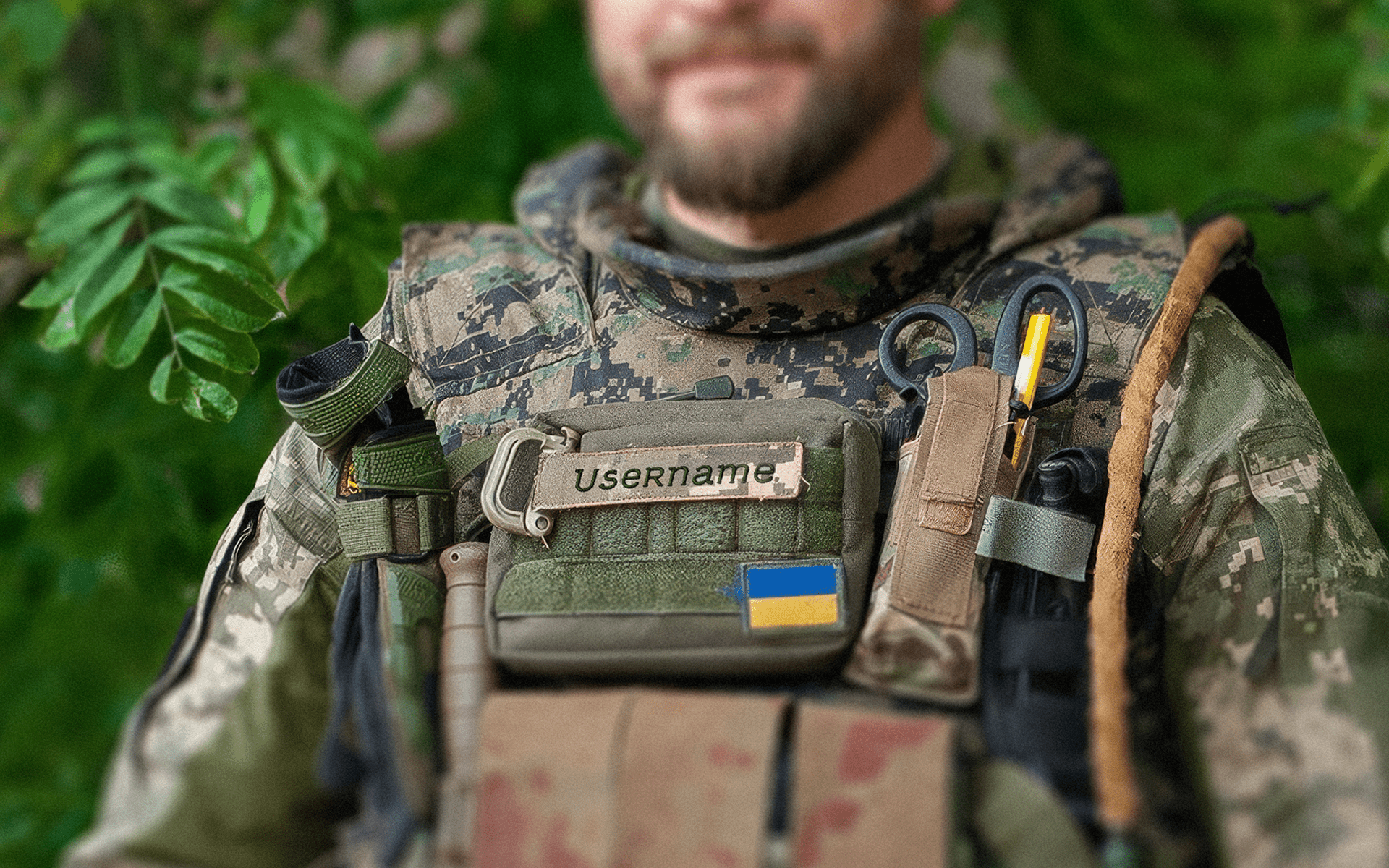
There are no real names on Ukraine’s frontline radio—only “Peach,” “Witch,” “Da Vinci,” or “Bacon.” Behind each of these words is a story. Call signs, once merely communication codes, have become a language of war, where a single nickname can reveal more about a person than a passport.
 Prefer U24 Media on Google
- Authors


The origins of call signs
The roots of call signs go back to the telegraph era. In the 19th century, when railway stations were connected by a single line, there arose a need to quickly and unambiguously identify each point of communication. Special codes—essentially the first “call signs”—made it possible to address messages without long names or confusion. Later, they became part of maritime and aviation communication, and eventually spread to the military.
In wartime, any transmission can be intercepted, so using real names or unit designations is risky. A call sign allows coordination without revealing structure or identities. That is why in the military, call signs are often changed, encrypted, or built according to specific systems.
For example, in the US Army, the collective call sign “Checkmate” may be assigned to an entire company. Within that system, “Checkmate Red 6” might be the commander of the first platoon, “Checkmate White 6” the commander of the second platoon, and “Checkmate 6” the company commander.
Another tradition also developed in the military—informal personal nicknames that serve the same identifying function, but at the individual level: short, distinctive, and easily recognizable over the radio.
In the Ukrainian context, the tradition of military names dates back to the era of the famous free warriors—the Cossacks (more on that below). In the Ukrainian Insurgent Army of the mid-20th century, which fought both Nazis and communists for independence, call signs also served as a tool of personal secrecy, protecting relatives who could be persecuted for having family members in the underground.
How modern call signs are made
After Russia’s aggression began in 2014, the tradition of call signs was revived. Before the full-scale invasion in 2022, the five most popular included Granddad, Father, Uncle, Black, and Quiet.
Today, a call sign may arise from a joke, a personality trait, a shortened surname, a biography, or an occasion—and over time it becomes part of a fighter’s identity, a second name. In this sense, call signs have evolved from dry telegraph abbreviations into a cultural phenomenon—vivid markers of war, where a single word carries a human story.
“Along one road walk Mickey Mouse and Karate Kid, and along another—Guslar with Asterix and Fairy Tale. Meanwhile, Uncle and Beak are racing through the forest on an ATV. In short, judging by call signs—it’s total chaos,” a tanker with the call sign “Musketeer” from the Bakhmut direction shared with friends.
The most common type of call sign is a shortened surname: Martyn (from Martynov), Sheva (from Shevchenko), Hera (from Herasymenko). For example, the well-known Belarusian volunteer fighting for Ukraine, Ihor Yankov, has the matching call sign “Yankee.”
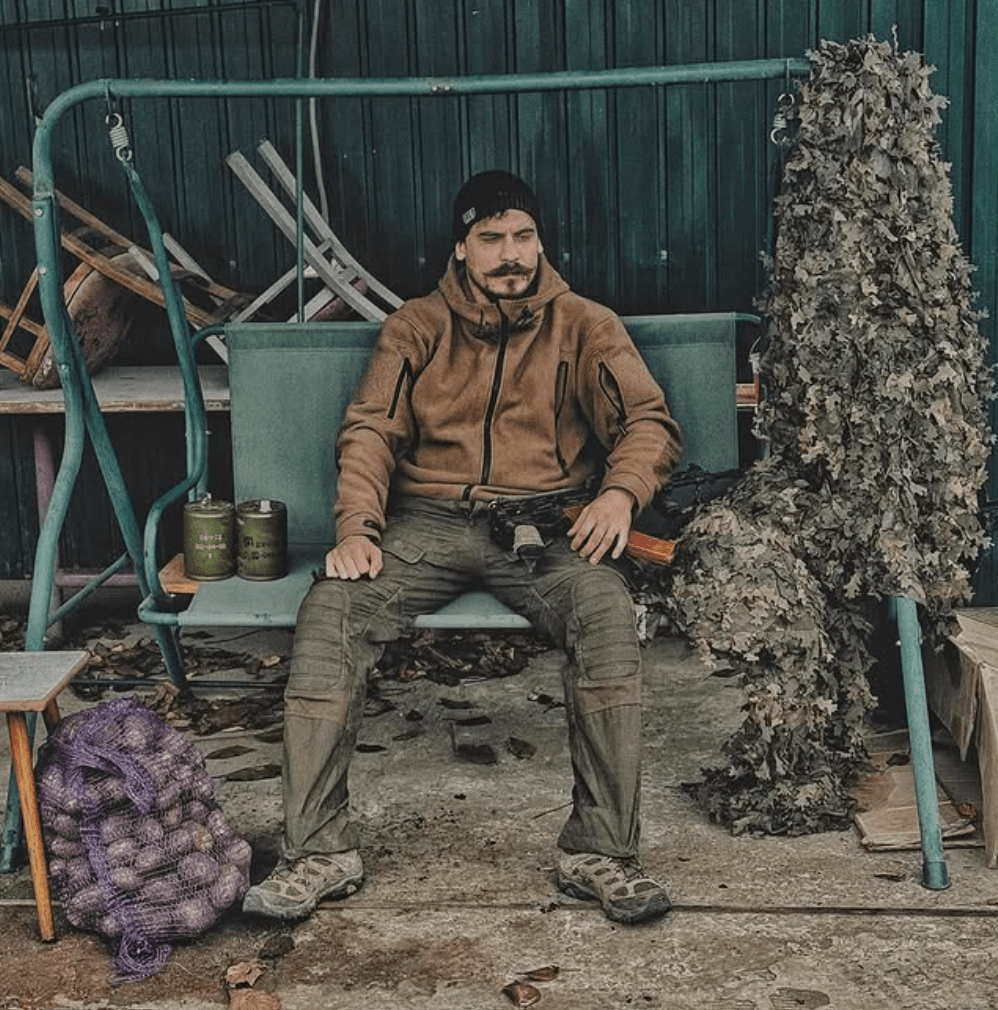
Often, new names emerge from everyday incidents during service that make someone stand out.
One soldier who sneezed while eating cereal became “Shotgun.”
“Volcano” got his name after suffering severe diarrhea during basic training.
Another fighter, sleeping in a tent at night, threw his legs up onto a small metal field stove used for heating—unaware that it had already become extremely hot. He burned his legs and his boots, earning the call sign “Bacon.”
A massive soldier, two meters tall and weighing 130 kilograms, slipped and fell onto a small dugout, breaking its roof. After that, he was named after Russian glide bombs—“KAB.”
The unwritten rules of call signs
Thus, a call sign often isn’t chosen—it’s given. And refusing it is almost impossible: if the name “sticks” within the unit, it stays, whether you like it or not. In general, there are several principles for selecting call signs:
No two identical names within the same group
The call sign should be short and one word (two-word versions are rare)
It must be clear-sounding to avoid confusion over the radio
It should conceal identity
Call signs are often ironic. A very thin soldier may be called “Fat,” someone with a great hairstyle—“Bald,” and a comrade missing front teeth—“Lacalut,” after the toothpaste brand. By the same logic, a strict and highly experienced professional might end up as “Kitten” or “Sunshine.”
The oldest members in almost every unit become “Father” or “Granddad,” while the youngest are “Kid” or “Little One.”
Popular female call signs include Witch, Squirrel, Bagheera, Sister, Alice, Arrow, Lynx, Bee, and Barbie.
Another large category comes from pre-war occupations.
For example, a urologist in the Ukrainian military received the call sign “Finger.”
“Sheikh” had been a businessman in the United Arab Emirates. “PE Teach” worked as a physical education instructor. And a cameraman who had filmed for National Geographic was, in the chaos of shelling, referred to by his commander as: “Get this guy, what’s his… the one that films, nature and stuff… just get me Discovery!”
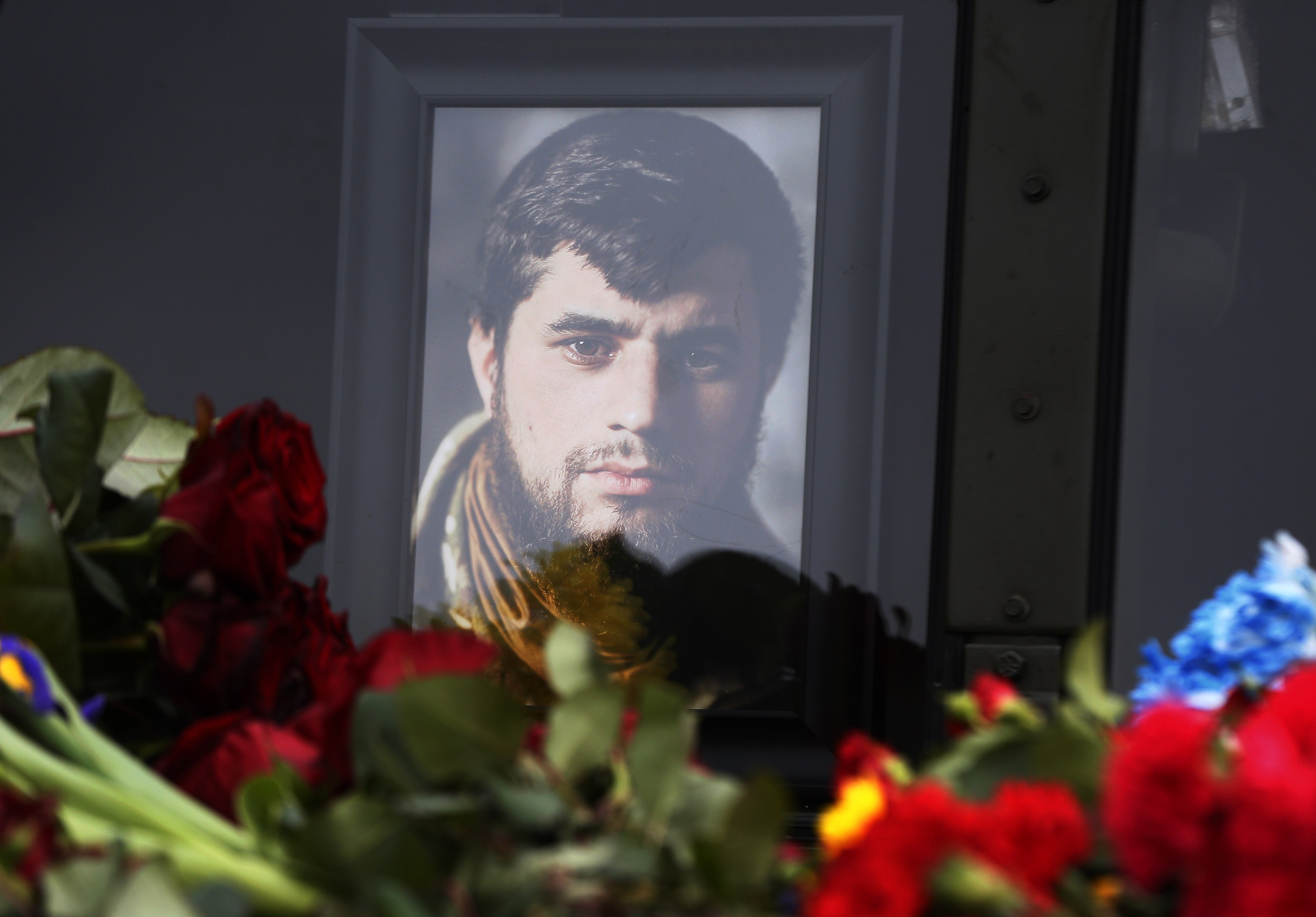
It is also worth mentioning Dmytro “Da Vinci” Kotsiubailo, commander of the “Da Vinci Wolves” battalion, who was killed in action in 2023. He received his call sign because he had studied to be an artist before the war.
Another source of call signs comes from personal traits. The legendary American sniper Carlos Hathcock was called “White Feather” by the Vietnamese—he wore one in his hatband.
In Ukraine, the call sign “Tea” was given to a man named Akhmad because he reminded his comrades of a famous English tea brand.
“Peach”? Because of a hairy back.
Comrades also showed creativity in naming a fighter who was constantly disappearing and impossible to find—he became “Clitor.”
This humor is not accidental. In an environment of constant risk, call signs become a way to release tension, to cope with fear and exhaustion.
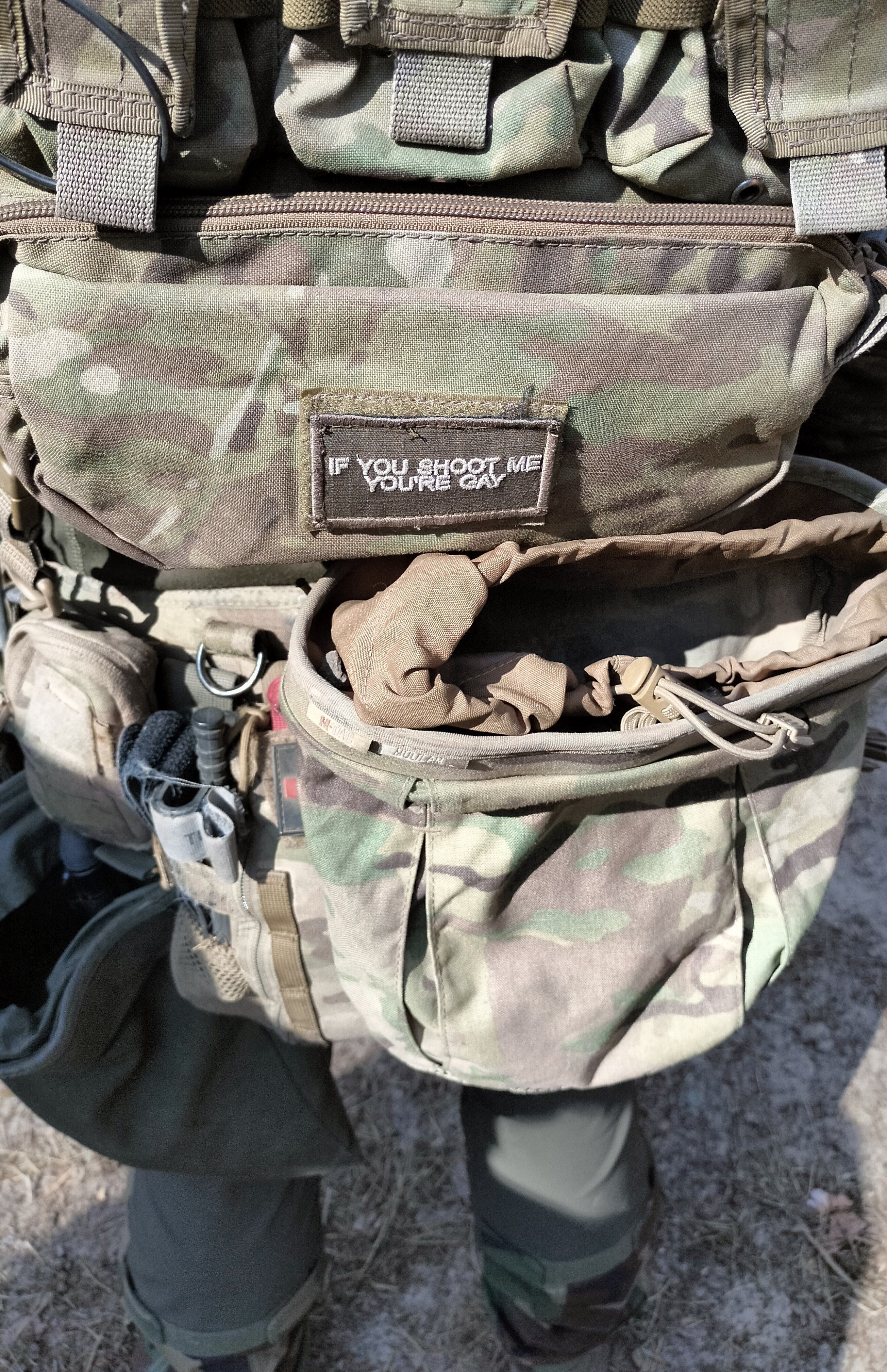
At the same time, overly complex or pompous nicknames often transform. Ukrainian social media frequently discuss how fighters arrive in units with intimidating names like Predator, Venom, or Grizzly, only to quickly become Winnie-the-Pooh, Pokémon, or Belly.
One fighter introduced himself as “Amaterasu,” after the Japanese deity. Within days, he became “Mattress.”
Another chose the call sign “Shadow.” But because he sometimes spoke unclearly, he soon became known as “Speech Doc.”
On the radio, not only does anonymity matter, but speed. That’s why call signs are chosen to be hard to confuse by ear: similar sounds, long words, and ambiguities are avoided. In combat conditions, a single misheard letter can cost time—or a life.
Half a millennium of war names
The modern Ukrainian tradition of call signs is relatively new, but its roots go back half a millennium, to the era of the free Cossack warriors and their state—the Zaporizhzhian Sich. Moreover, a large share of modern Ukrainian surnames originates from those ancient nicknames.
Back in Cossack times, even Prince Dmytro Vyshnevetskyi, who built the first free stronghold, was known by his military pseudonym “Baida”—a free-spirited or daring person. One of the most powerful Cossack hetmans, Petro Sahaidachny, who took part in the siege of Moscow in 1618, was actually born with the surname Konashevych. He became known as “Sahaidachny” because of his skill as an archer—the name comes from sahaidak, a term for a bow-and-arrow set carried in a case.
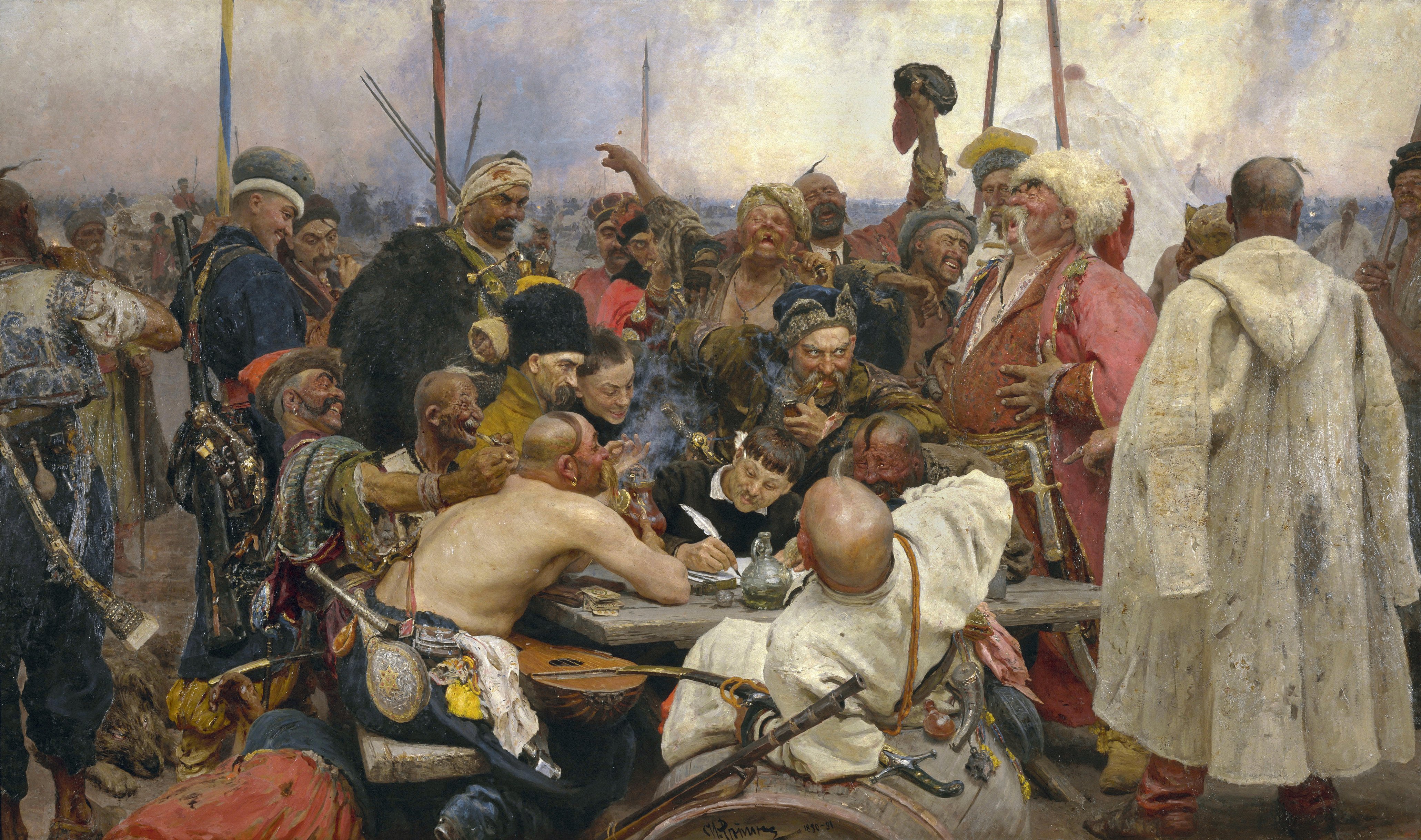
The Encyclopedia of the History of Ukraine notes: “The basis for these nicknames was always the same—either a memorable deed, an unusual event in a person’s life, or a distinctive trait of character, behavior, or appearance. Humor, jokes, and mockery were often embedded in surnames. For instance, ‘Korzh’ said he got his nickname because he fell and rolled down like a flatbread—korzh in Ukrainian. A short Cossack was nicknamed ‘Giant,’ a large one ‘Little One,’ and a slow, clumsy one ‘Turtle.’ ‘Half-Blind’ was a guard who failed to notice approaching enemies.”
It seems little has changed. Ukrainians are still fighting against Moscow—and still inventing call signs for one another with the same sharp wit.
Discuss this article:
-4a56a6b482ec132402c16ef6fcabf9a2.png)

-c439b7bd9030ecf9d5a4287dc361ba31.jpg "Photo of Katherina Popilnichenko")
-29a1a43aba23f9bb779a1ac8b98d2121.jpeg "Photo of Illia Kabachynskyi")