- Category
- War in Ukraine
How Italian Beretta Firearms Allegedly Continue to Reach Russia Despite Sanctions
 Prefer U24 Media on Google
- Authors


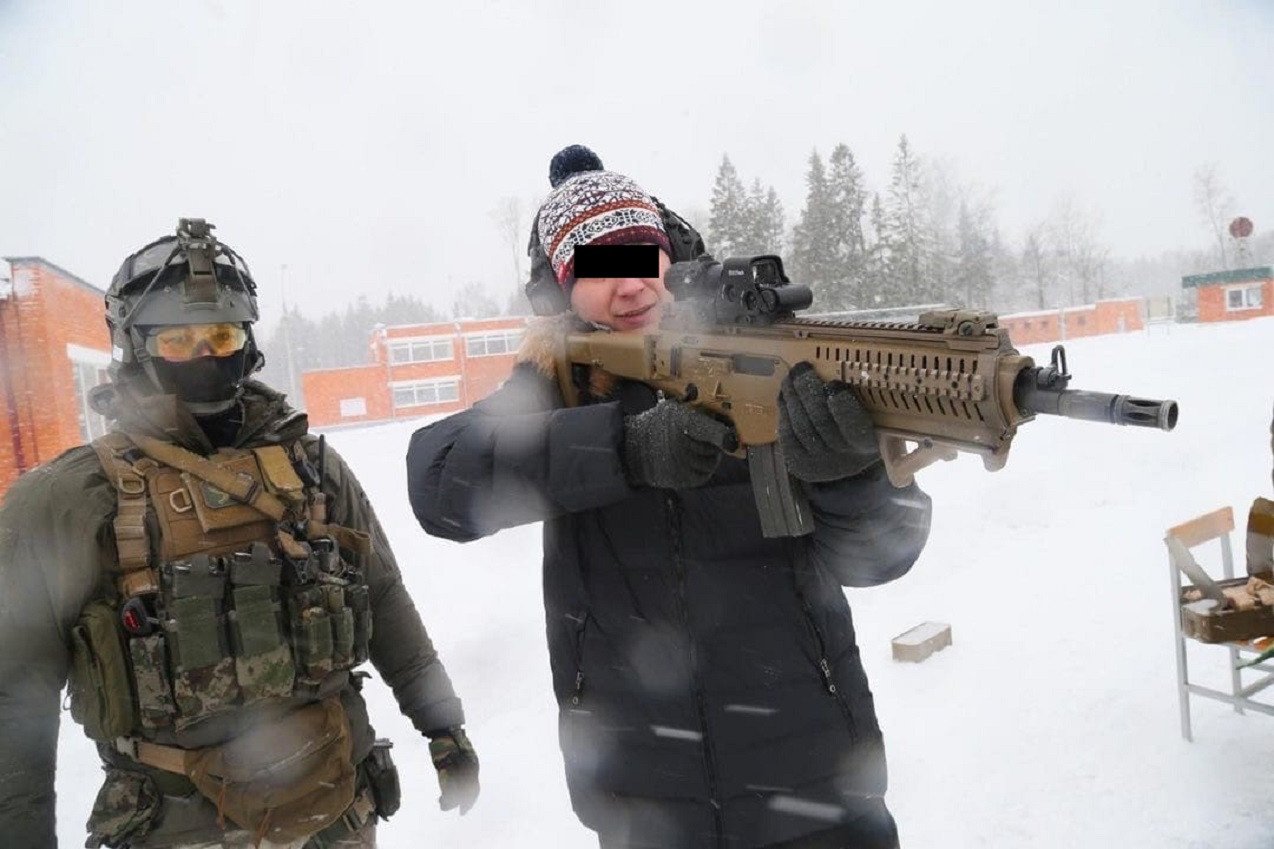
European firearms group Beretta Holding has allegedly continued supplying weapons to Russia through channels that bypass sanctions restrictions, according to an investigation by The Insider published on June 24.
The Insider reported that its investigators found evidence of large-scale imports of European-made firearms into Russia, including weapons later used by Russian security structures and military-linked units.
We bring you stories from the ground. Your support keeps our team in the field.
According to documents cited by The Insider, Beretta Holding CEO Pietro Gussalli Beretta personally served on the board of the Russian importing company LLC Russkiy Orel during 2022. Even after the start of Russia’s full-scale invasion of Ukraine, the company reportedly received more than 3,900 European-made firearms.
From March 2022 to February 2024, Russian importers registered at least 15,337 Western firearms, according to the investigation.
Nearly 40% of them—6,064 weapons—were produced by companies within Beretta Holding, including Benelli Armi, Fabbrica D’Armi Pietro Beretta, Beretta Benelli Iberica, Sako Limited, and Stoeger Silah Sanayi.
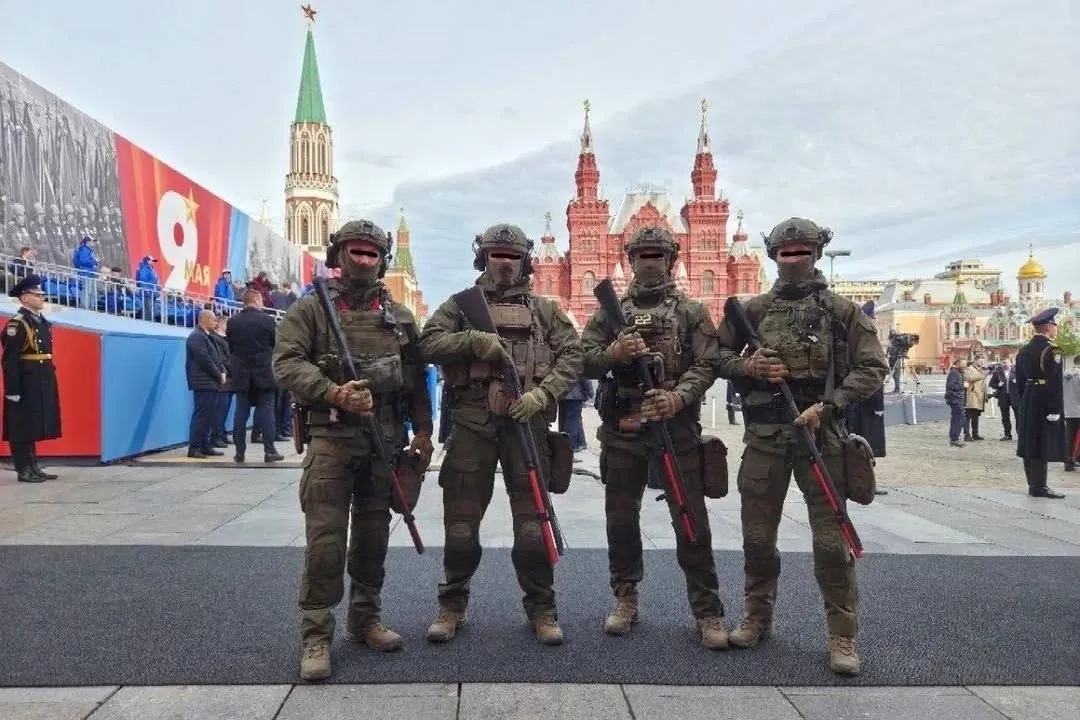
The Insider reported that Italian Benelli semi-automatic shotguns imported by Russkiy Orel began appearing in use by Russia’s Defense Ministry and Federal Protective Service in 2025.
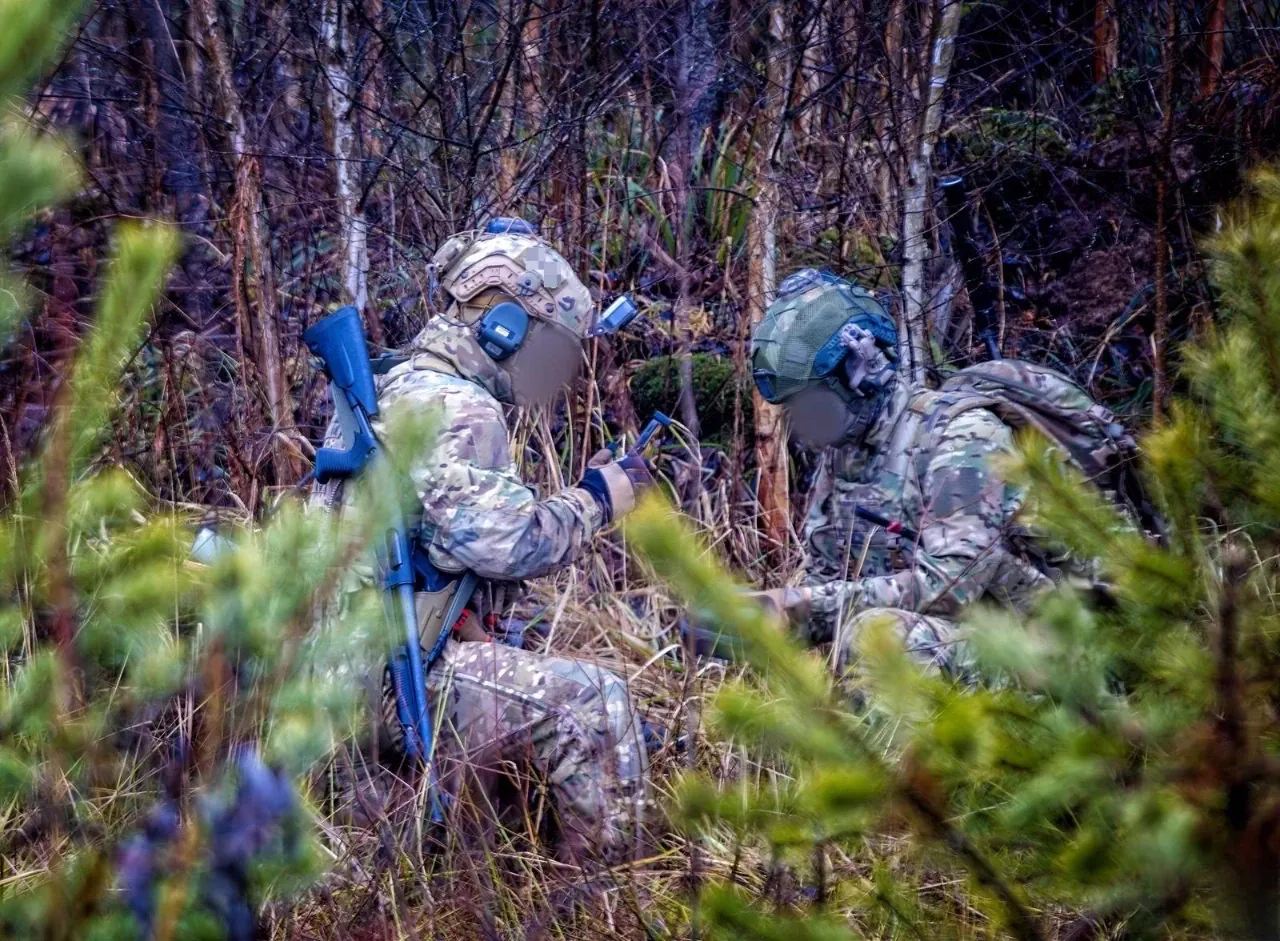
Russian military and security personnel reportedly used Benelli M2, M3, and M4 models to counter Ukrainian FPV drones and in tactical shooting competitions.
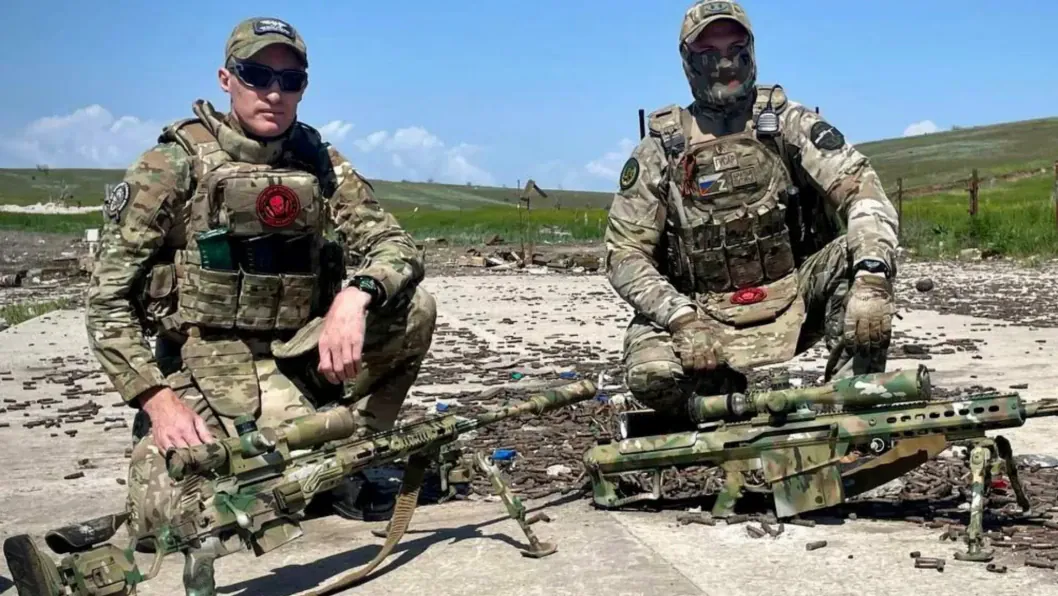
The investigation also found that Russian security structures and snipers have used Sako and Tikka rifles produced at Beretta Holding’s Finnish plant. These precision long-range rifles were documented at the Russian Sniping Cup in Sterlitamak, where competitors reportedly used Tikka T3, Sako S20, and Sako A7 models.
The flow of European weapons into Russia allegedly continued into 2026 through Beretta Holding’s existing counterparties.
The Insider reported that Kolchuga, a company owned by Beretta business partner Mikhail Khubutia, received another batch of Benelli Argo-E carbines in .308 Win and .30-06 Springfield calibers in March 2026.
The US responded by sanctioning Beretta’s Russian subsidiary Russkiy Orel in June 2024. US law enforcement also arrested intermediaries in Kyrgyzstan and the United States accused of supplying weapons and ammunition to Russia through shell companies.
One of them, Italian citizen Manfred Gruber, appeared in court in Brooklyn and pleaded guilty to smuggling more than $540,000 worth of ammunition to Russia. His company, Bignami S.p.A., had long worked with Khubutia-linked Russian structures, according to The Insider.
European and Italian regulators, however, have not launched an official investigation into the alleged arms smuggling. Italy’s Financial Security Committee at the Ministry of Economy and Finance told journalists it did not have competence over the enforcement of the arms embargo.
The issue reached Italy’s Chamber of Deputies security committee on February 18, 2026. During the hearing, Beretta executives Franco Gussalli Beretta and Carlo Ferlito denied large-scale smuggling and claimed that only 15 hunting rifles had reached Russia.
When Italian lawmaker Marco Pellegrini cited investigators’ data showing about 6,000 rifles and one million rounds of ammunition exported to Russia, committee chair Antonino Minardo quickly closed the hearing, according to The Insider.
In response to journalists’ official request, Beretta Holding rejected the allegations and described them as an attempt to damage the group’s reputation. The company said Russkiy Orel had been excluded from its consolidated reporting and claimed that the conformity certificates cited in the investigation could refer to counterfeit goods.
Another example of the sanctions circumvention is an Irish alumina refinery owned by Russian aluminum giant Rusal, which has continued exporting key raw materials to Russia, with data suggesting the supply chain may ultimately support the country’s weapons production.
After the information became public, Ireland still vowed to continue supporting the Aughinish Alumina refinery despite concerns that its products may be linked to Russia’s military industry. Later, Irish authorities initiated an official investigation into reports concerning the export of alumina, a critical raw material used in aluminum production, to Russia.
Earlier, reports emerged that Russian forces were widely using networking equipment produced by a US-based company, Ubiquiti, to build battlefield communications and control drone operations.
Discuss this article: