- Category
- War in Ukraine
How Many US-Led Peace Proposals Has Russia Rejected? A Timeline
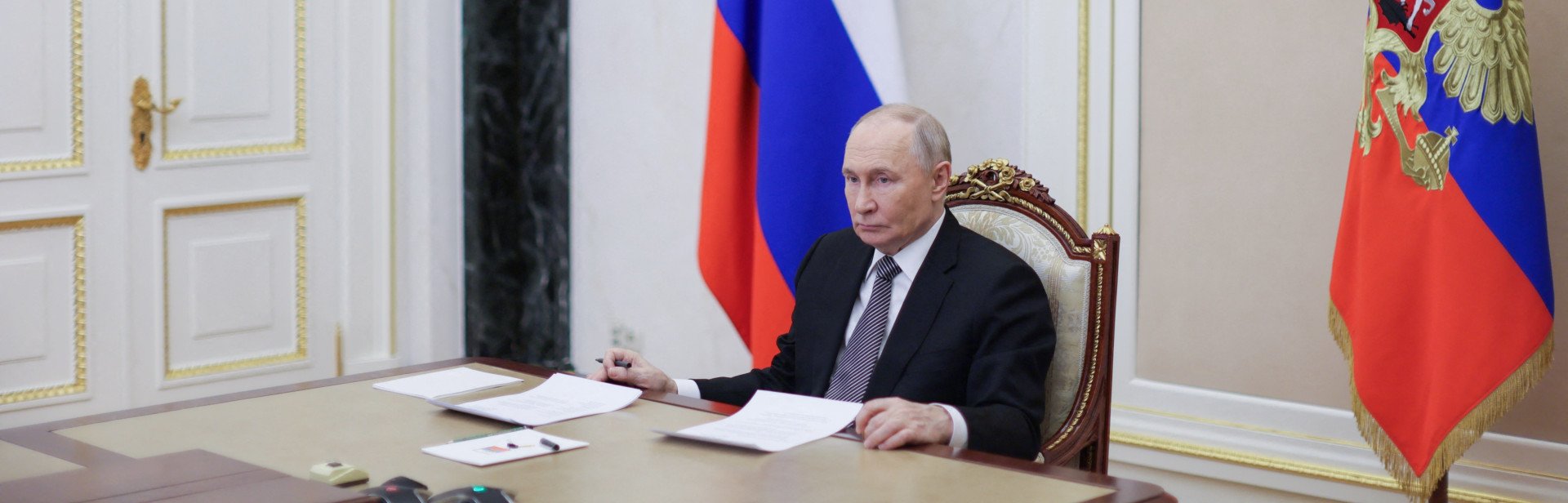
When the US made major peace proposals in 2025, Ukraine backed every single one, signaling a willingness to engage on both ceasefires and long-term agreements. Russia rejected them all.
 Prefer U24 Media on Google
- Authors

-605be766de04ba3d21b67fb76a76786a.jpg "Joseph Place")
As the year comes to a close, 2025 has established a clear diplomatic record. Ukraine and the US have been negotiating and working on a long-term, sustainable peace plan that Ukraine can accept, and that Russia may be willing to sign too. Ukrainian officials, including Zelenskyy himself, have been willing to agree to ceasefires and to start negotiations on long-term peace proposals with Russia, while Russian officials, including Putin, refuse to establish a ceasefire. Here, we review key moments from previous talks and proposals.
A year of peace proposals
In 2025, the United States backed at least six ceasefire initiatives. The timeline below shows how these initiatives unfolded, alongside key developments that shaped their reception.
March 2025 | Kyiv signals willingness to sign US peace plans for a 30-day ceasefire. Zelenskyy shares a peace plan with the USA on X/Twitter; however, Putin refuses to sign it. |
April, 2025 | The US proposes another peace deal, but Russia immediately launches massive attacks on Ukraine. Zelenskyy says he is willing to negotiate if a ceasefire is first established. Russia refuses to sign a ceasefire. |
May, 2025 | Trump announces that Russia and Ukraine will begin negotiations toward a ceasefire and future peace talks. Russia responds with attacks on Ukrainian civilians, refusing an immediate ceasefire. |
June, 2025 | Russia continues with maximalist demands in Istanbul, after refusing the ceasefire, indicating no willingness for long-term peace negotiations or even short-term cessations of attacks. |
July 2025 | Trump gives a 12-day ultimatum to Putin to end the war, which Putin does not accept and launches more attacks on Ukraine (hitting a record that month). At talks in Istanbul, Ukraine demands a meeting between Zelenskyy and Putin, which is refused, and Türkiye suggests a lasting ceasefire, which Ukraine was willing to accept. Still, Russia refuses. |
October, 2025 | Trump announces a meeting with Putin in Budapest but cancels it after Russia refuses to back down from maximalist goals, pushing back against freezing the current line of contact on the frontline. |
November, 2025 | Zelenskyy reiterates his willingness to negotiate on a new US peace plan. Russia continues to launch massive attacks on Ukraine. |
December, 2025 | Despite Zelenskyy’s willingness to enter negotiations, Putin and Russia still refuse to take the US peace proposals seriously, rejecting another proposal. Lavrov rejects the US’s suggestion to freeze the conflict line, instead demanding the entirety of the regions it partly occupies. |
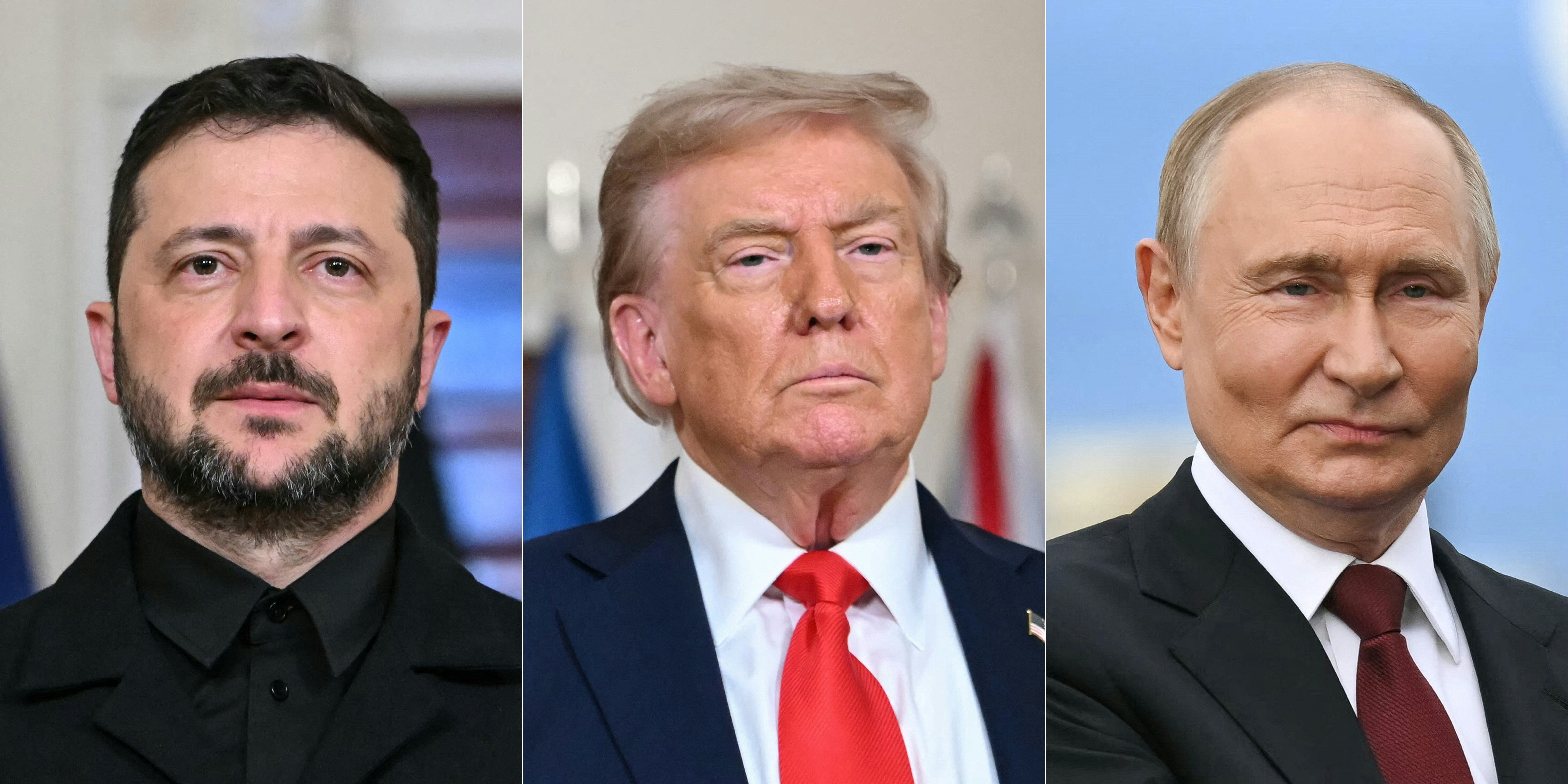
Russia’s consistent refusal of diplomatic solutions
Russia has rejected many ceasefire proposals even before 2025. At the onset of Russia’s full-scale invasion of Ukraine, three anonymous sources close to Putin suggest that Putin rejected an early peace proposal that suggested Ukraine would no longer seek NATO membership. Then, several meetings were conducted in Belarus, which yielded no long-term sustainable peace plans.
April, 2022 | The UN proposes a four-day humanitarian ceasefire over Easter, with Ukraine’s support, to facilitate aid delivery and evacuations. Russia rejects it. Note, at this time, Mariupol was totally blockaded by Russian forces, with thousands of civilians trapped. As Ukraine presents a draft peace plan, Russian Foreign Minister Sergei Lavrov deems it unacceptable. The reasoning was that Ukraine wanted to be able to discuss the status of Crimea, occupied by Russia illegally in 2014, and to host foreign militaries for drills. Ukraine was willing to negotiate on its own sovereignty in this situation, yet Russia still refuses to negotiate. |
November, 2022 | Zelenskyy proposes his 10-point peace plan, which Russia refuses. In response to the plan, Lavrov says Ukraine should accept the Russian occupation of territories; otherwise, the Russian army will decide the fate of Ukraine. |
March, 2023 | Russia says that military means are the only means for it to secure its goals in its aggression against Ukraine. |
June, 2023 | Putin refuses the peace plan for Ukraine from various African countries, particularly because he was unhappy with its core acceptance of internationally recognized borders (as it would mean Russia would have to withdraw from all its occupied territories). |
July, 2023 | Putin says that a ceasefire is impossible while Ukraine is “on the offensive” (despite the fact that this was a counter-offensive within Ukrainian territory). Negotiations seem impossible, despite Zelenskyy’s victory plan, alongside Türkiye’s, China’s, and African suggestions for peace formulas, which Ukraine was willing to negotiate and cooperate with. |
December, 2024 | Zelenskyy signals a willingness to negotiate a ceasefire in return for NATO membership. There is no meaningful response from Russia, and the war continues. |
Discuss this article:

-c439b7bd9030ecf9d5a4287dc361ba31.jpg "Photo of Katherina Popilnichenko")


-29a1a43aba23f9bb779a1ac8b98d2121.jpeg "Photo of Illia Kabachynskyi")