- Category
- War in Ukraine
How Ukraine’s Soldiers are Documenting the War from the Inside
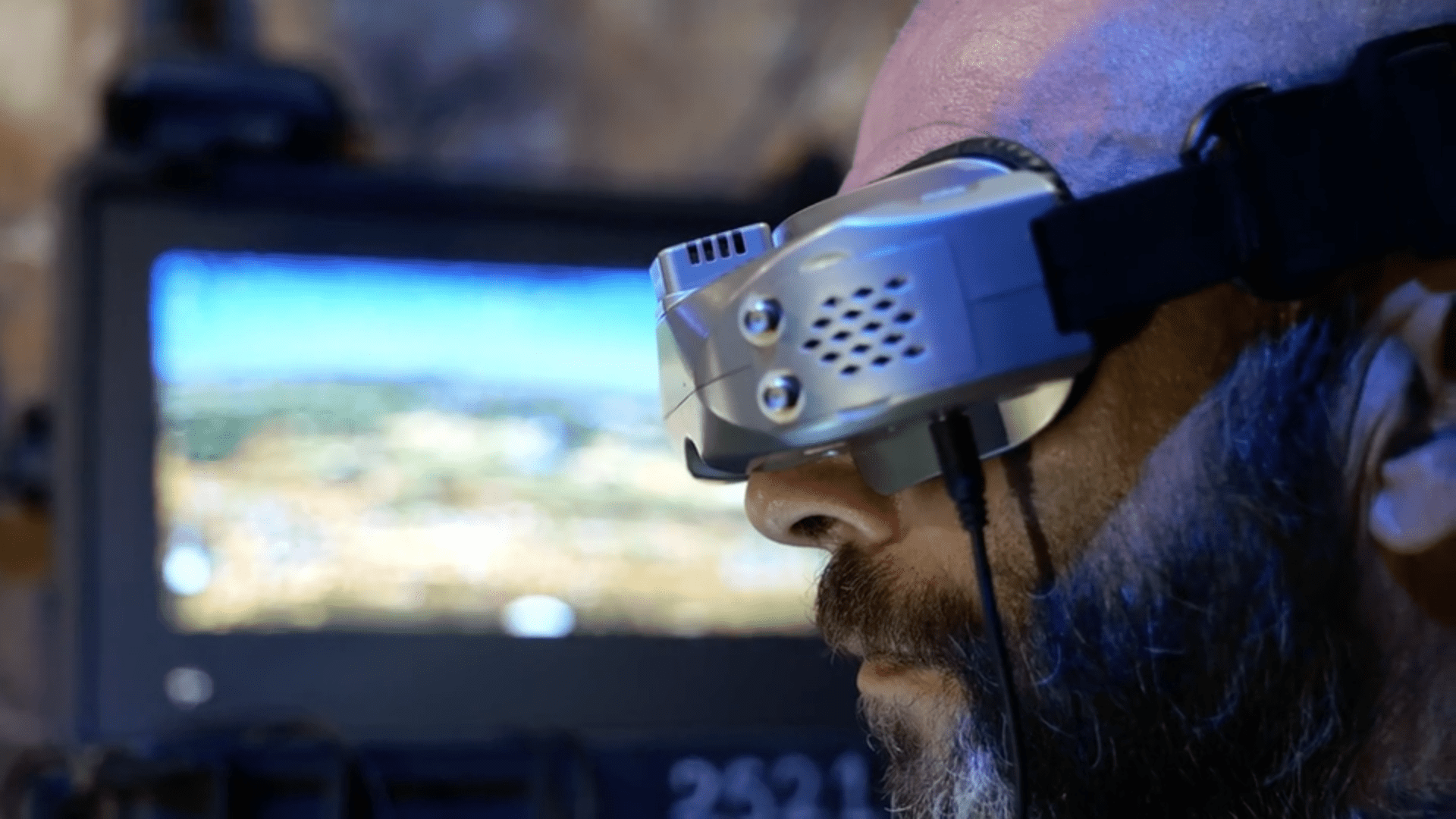
“Russia’s war in Ukraine is probably the most filmed...You can see everything directly. Many military personnel have GoPros. No feature film would have as much power as these actual frames,” explains military director Volodymyr Sydko. Since 2022, Ukraine's film community has massively integrated into the war effort, offering an alternative approach to filmmaking by returning to its absolute fundamentals.
 Prefer U24 Media on Google
- Authors

-24deccd511006ba79cfc4d798c6c2ef5.jpeg "Photo of Louis Beaudemont")
Following the success of films like 20 Days in Mariupol and 2000 Meters from Avdiivka by Ukrainian director Mstyslav Chernov—which earned prestigious accolades, including the Academy Award for Best Documentary Feature—the world recognized the sheer power of Ukrainian wartime cinema.
We bring you stories from the ground. Your support keeps our team in the field.
Yet, these projects also highlighted the immense difficulty of capturing stories in the middle of a full-scale war, and cases like that of Chernov—a civilian filmmaker filming on the front lines—are becoming rare, as Russia’s full-scale invasion of Ukraine evolves.
The rise of soldier-filmmakers
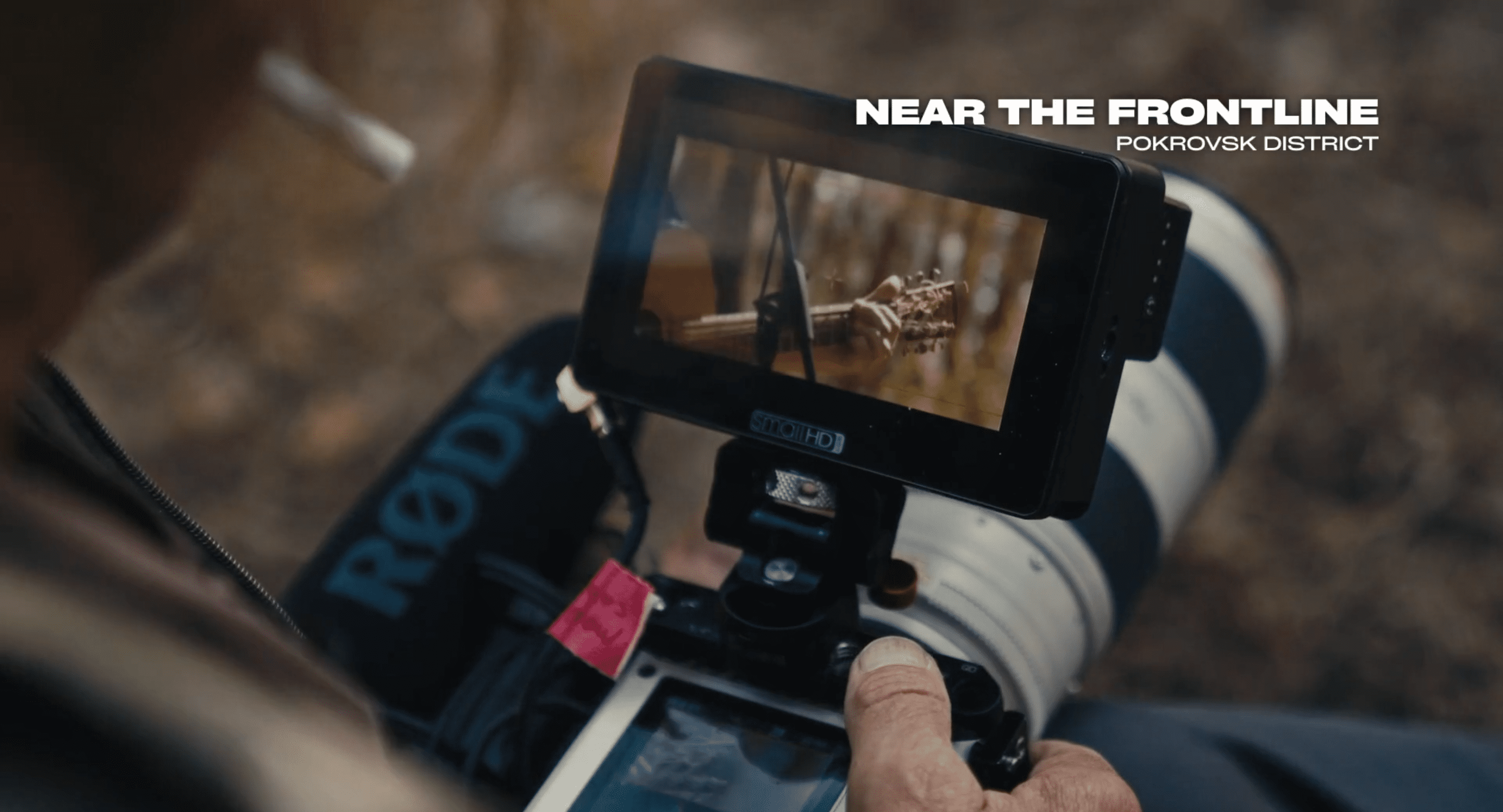
The sky above the frontline is now saturated with Russian drones attacking any person or vehicle in sight. The risk is too high for civilian journalists, whether Ukrainian or foreign, and for the soldiers tasked with protecting them.
Moverover, there are fewer civilian directors left in Ukraine. They are joining the ranks of the military, either as volunteers or mobilized citizens. While they often continue to film, they are making entirely different kinds of movies.
A new wave of documentary cinema?
To understand this phenomenon, we traveled to the only place in Ukraine where you can meet these director-soldiers all at once: the Docudays UA International Human Rights Documentary Film Festival, held annually in Kyiv in early June.
For its 23rd edition, the festival received 700 film submissions, including around 100 Ukrainian projects documenting the war and its consequences through every possible documentary lens.
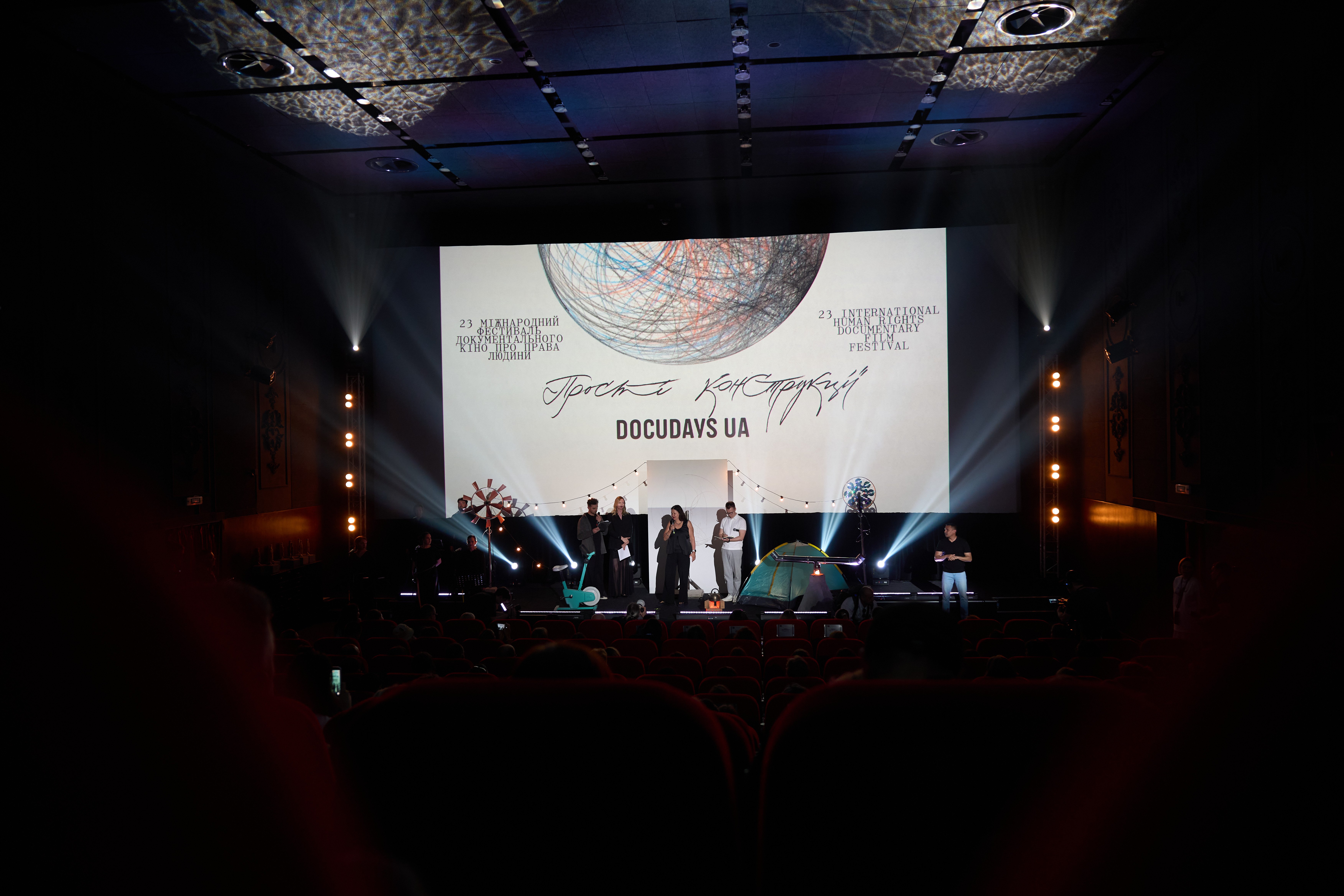
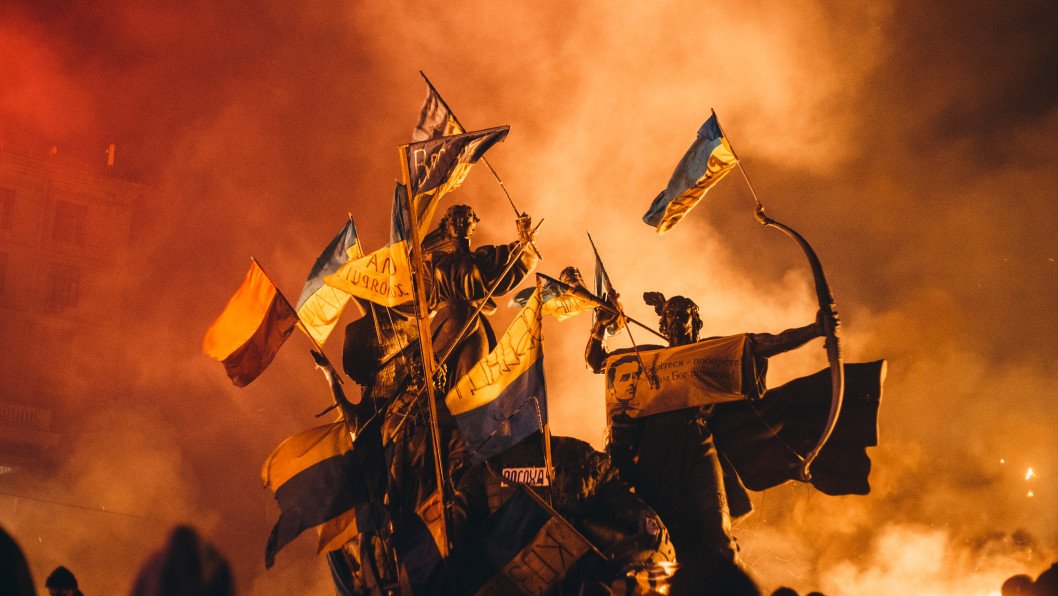
“Ukrainian filmmakers are looking for a specific form to tell the experience of war,” explains Yuliia Kovalenko, the festival’s programming director, speaking from the basement of the Kyiv “Zhovten” cinema, while a ballistic missile alert echoes in Kyiv. “We can talk about a new wave of Ukrainian documentary cinema, which continues the movement that started in 2014 during the Revolution of Dignity. ”
To understand what a country at war can reveal about itself, one must look at the films made by these soldier-directors, whose presence in the festival competitions grows stronger every year.
The power of the "inside view" on the zero line
The militarization of filmmakers has given rise to a new documentary approach of war filmmaking: the "inside view," or, as film critic and researcher Sonya Vseliubska names it, “DIY soldier filmmaking”. While civilian documentarians struggle to access the zero line due to extreme danger, directors in uniform operate there organically.
Serhii Lysenko, a filmmaker who deliberately requested a transfer to a combat brigade, summarizes this paradox: “A civilian documentary filmmaker won't be let in where a military one is allowed... But they allow soldiers because they know you... You know tactical medicine. You are a combat unit.”
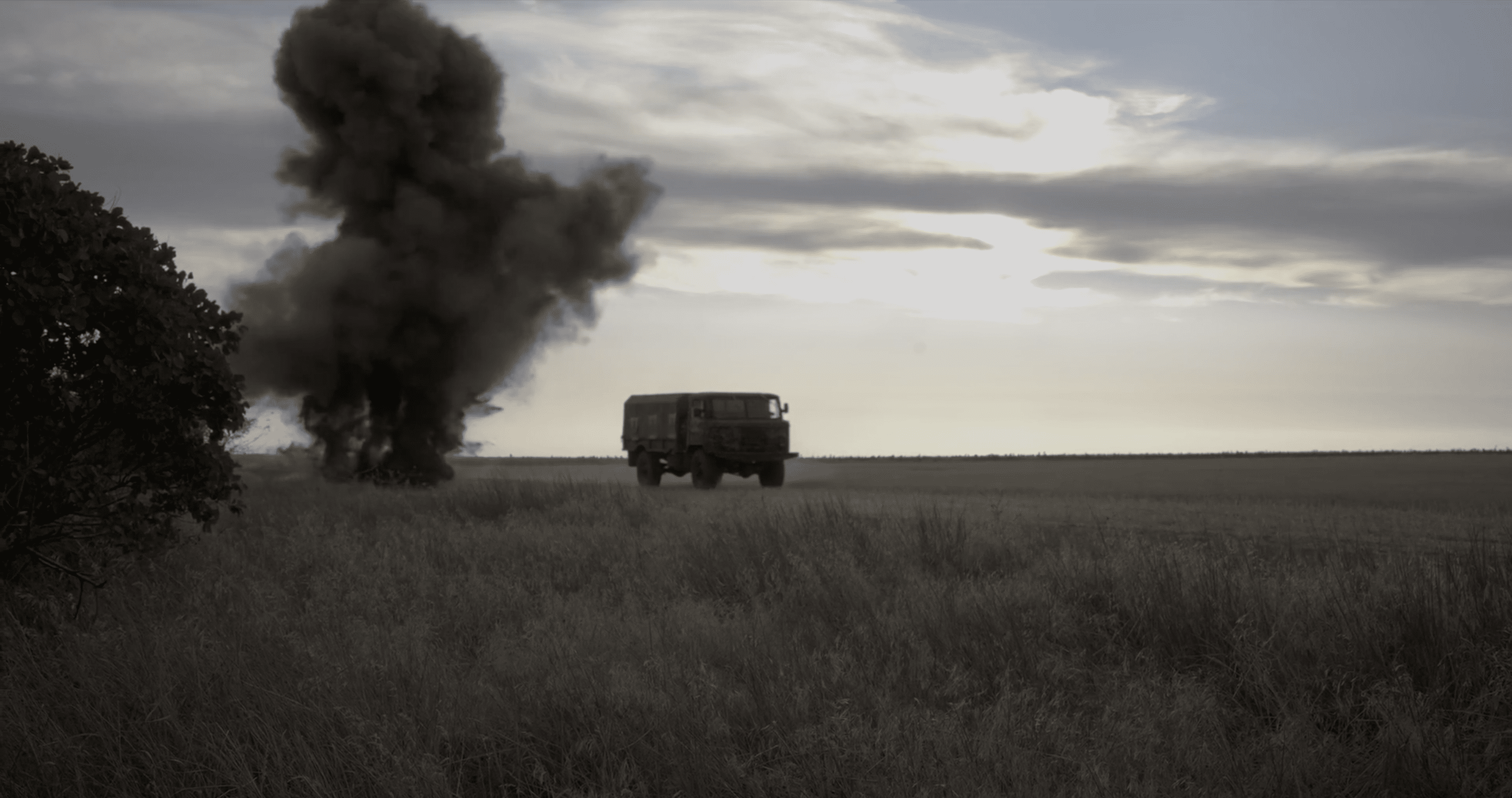
The presence of civilian filmmaker teams often causes troops to freeze up, as they feel obligated to wear strict regulatory uniforms and "put on a show." In contrast, when the director belongs to the unit, as these directors explain, it establishes complete trust. This makes "pure observation" possible: the filmmaker lives day and night with the soldiers, capturing routines without staging, and documenting the invisible.
As the front advances, so is Ukrainian documentary filmmaking.
Sonya Vseliubska
Film critic and researcher
In his film Genie in the Air, Lysenko shares a few days with a tactical unit of FPV drone operators. Three soldiers, operating like a single organism inside an abandoned frontline house, handle different roles: one pilots, another coordinates with officers, and the third assembles drones and explosives.
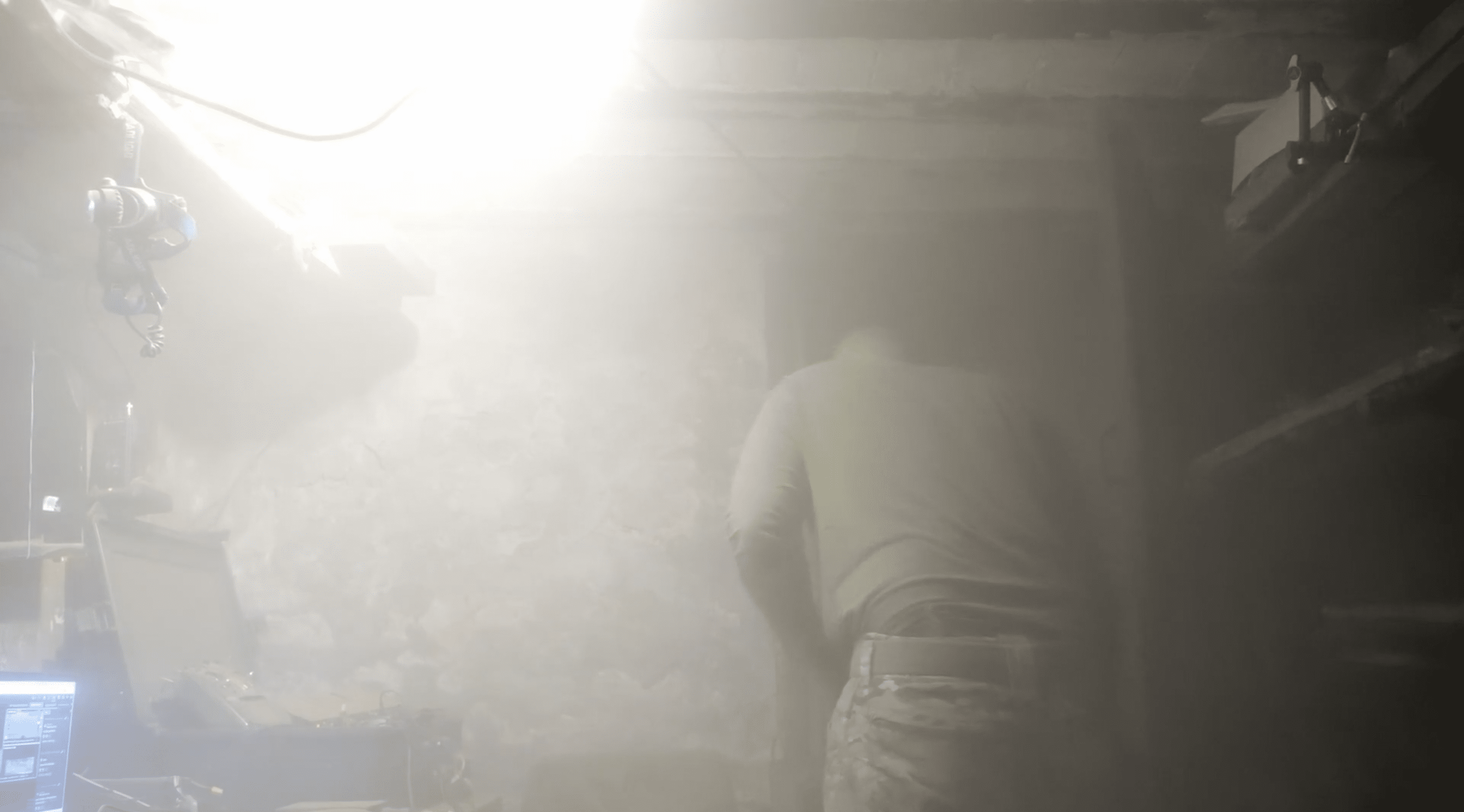
Their days and nights are driven by FPV drone missions to destroy enemy equipment and personnel, but also by Russian attempts to eliminate them. This danger is underscored by a bombardment that nearly kills them all. While a civilian director might have overemphasized this near-death experience, Lysenko integrates it into the rhythm of the soldiers' daily routine and tries to emphasize the human factor in it all: the love for nature and animals that one of them spends time taking care of.
Filmmaking as a tool for survival
On the front line, cinema is no longer just an artistic quest; it is a pragmatic tool for survival. “The brigade has one goal: to defeat the enemy. And we are just... auxiliary personnel. The brigade does not think of films or cinema. The brigade needs media security. Because media presence gives the brigade drones, gives provisions, gives connections with volunteers,” Lysenko notes.
To accomplish this, these directors are integrated into more or less tiny official communications departments. Consisting of just a few people, these teams often work with constrained possibilities. They juggle creating short videos for social media, feature-length films, and even murals. "We are not a production studio, we are a communications department... Here we make a mural, here we make a festival, here we make a film, here we make a compilation, an interview. We have our own task. We have different target audiences. There is a Western one, an internal one, and our own," Lysenko explains. To raise production value, some commanders and directors seek foreign funding, including foreign producers willing to finance technical equipment.
Filming in the heart of combat requires total adaptability to chaos. Sydko compares this improvised filmmaking process to scientific discovery: “You don't know what will happen, and it's like Columbus who sailed to India but discovered America. We never know what it will be, or how it will end.” Finding a set often requires pure improvisation; soldiers have even cleared the ruins of a local cultural center themselves just to set up an interview.
This creative freedom on the ground is heavily restricted by operational security. In a full-scale war, a publicly broadcast image can become a weapon used by the enemy. “Security first,” Lycenko says bluntly, “Because of the mistakes of journalists and bloggers, many people died... No film is worth these sacrifices.” The editing process requires systematic blurring: screens, coordinates, license plates, and call signs are removed to protect tactical data. Sometimes, filmmakers face bureaucratic absurdities, such as a soldier being banned from stating on camera that his unit possessed tanks, even though the footage clearly showed those exact vehicles behind him.
Shifting the lens to human stories amid technological warfare
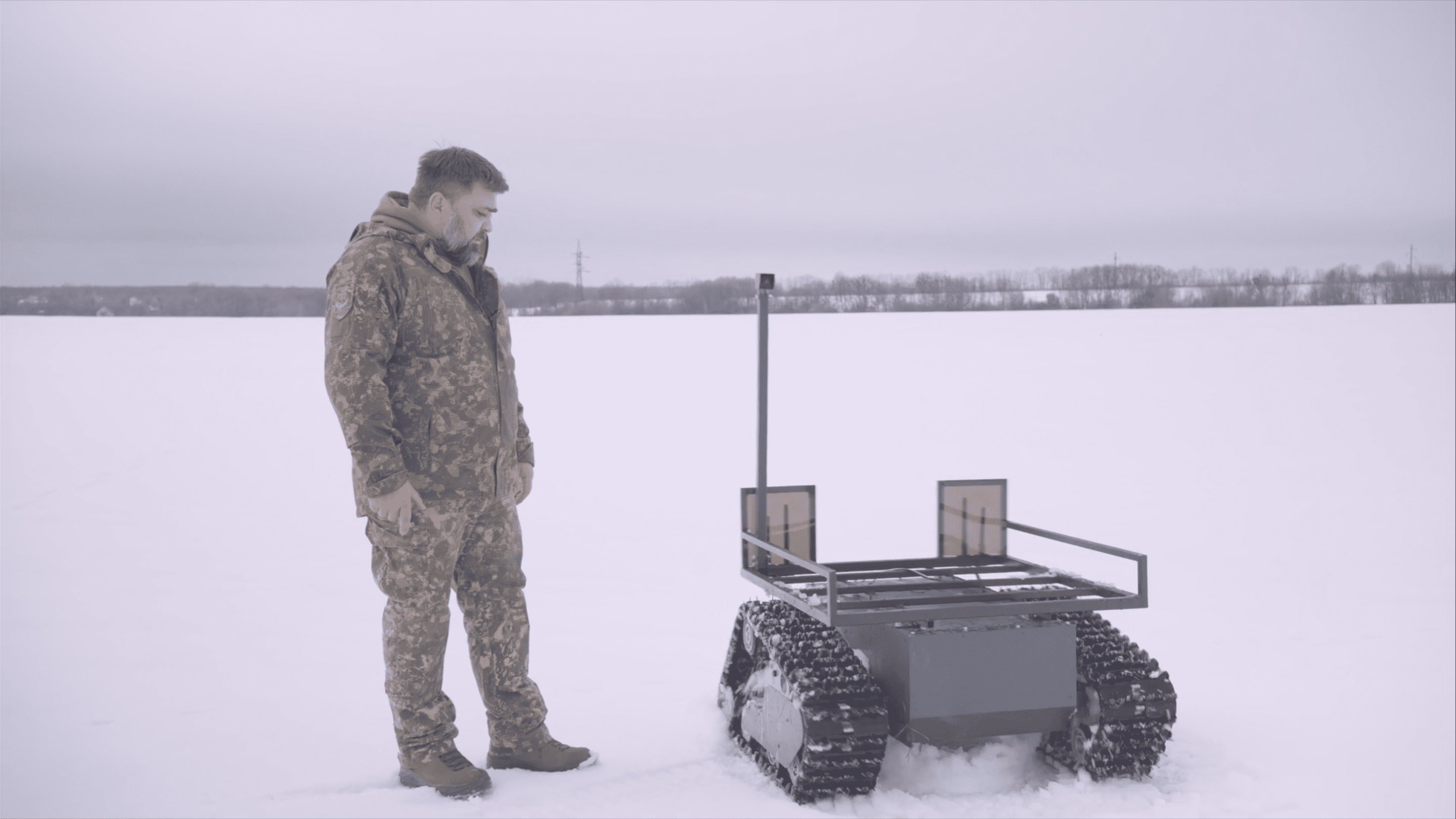
Constrained by tactical secrets, these directors turn their focus toward the human element. Sydko, in his film War Mechanics, which follows a team of Unmanned Robotic Complexes operators, seeks to understand the inner motivations of these men, marveling at how one of his subjects, now a brilliant company commander, "poured beer in a bar" before the invasion. Their films excel at showing how violence bleeds into everyday life.
This total immersion of the camera alongside weaponry mirrors a concept theorized in 1984 by philosopher Paul Virilio. In his book War and Cinema, he explained that the battlefield is primarily a "field of perception," to the point where the function of the weapon becomes the function of the eye. “Virilio wrote this back in the days of Griffith,” recalls Vseliubska, “Now we see this in the war… We have a drone war, an operational vision.”
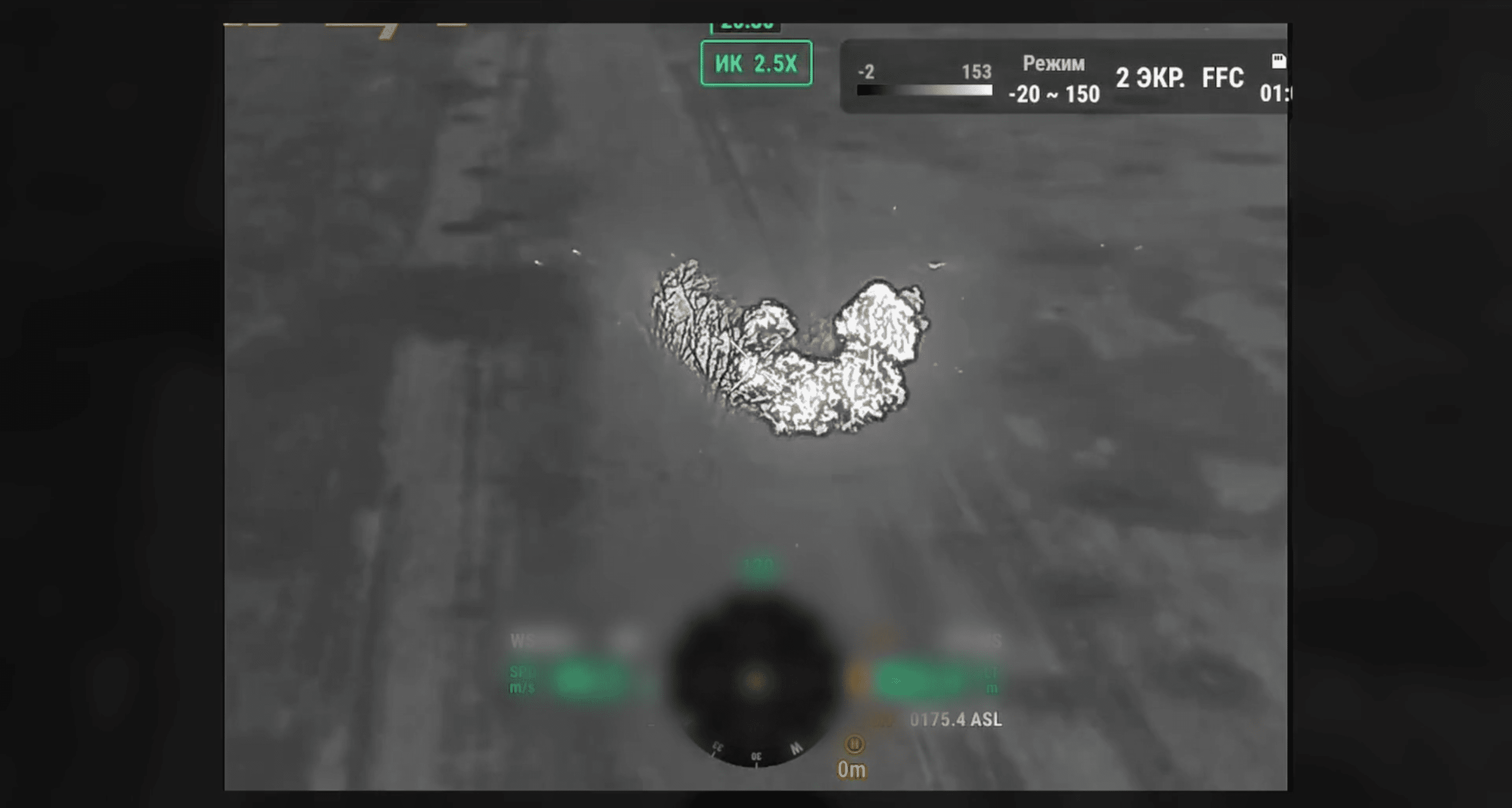
Today, Ukraine is the theater of the most documented war in history, saturated with footage from personal phone-cameras posted on social media, reconnaissance drones, GoPros, and FPV feeds. In response to this sea of purely functional footage, soldier-filmmakers want to reintroduce a cinematic aesthetic. They even ask Mavic drone operators to make their tactical flights smoother for the sake of a film.
This artistic approach finds a fascinating subject in the changing technology of the front line. Behind his lens, Sydko shows how soldiers humanize these lethal machines. He recalls how troops affectionately referred to their ground drones as a "zoo," watching the machines navigate the mud with the same tenderness one might show a young animal—capturing both the terrifying and fascinating future of combat.
Bridging the gap between the front and civilians
Fortunately, this frontline cinema still reaches civilian audiences, largely thanks to the Docudays UA festival in Kyiv.
Don’t Ask Me if I Killed, who has its world premiere at Docudays, shows how the fate of its director, Olena Maksyom, intertwines with the reality of war.
The combat, deaths, destruction, military training abroad, brief leaves, and integration into the military hierarchy show how Russia's war in Ukraine forces civilians into a life that is fundamentally alien to them, yet one they must adopt out of necessity. Maksyom planned to learn piano and French. But she volunteered to be a soldier. The film won the Docudays awards for Best Ukrainian Film and Best Editing.
A non-competitive section named « Ukraine War Archive / Fragments of Resistance" was specifically dedicated to films produced or co-produced by military units and communications departments.
The program illustrates the diverse perspectives coming from the trenches: from the patient observation of FPV pilots in Serhiy Lysenko’s Genie in the Air, to the nighttime hunts for enemy drones in Vadym Ilkov’s The Owl, and the psychological survival rituals of special forces in Yuliia Orlenko’s Omega.
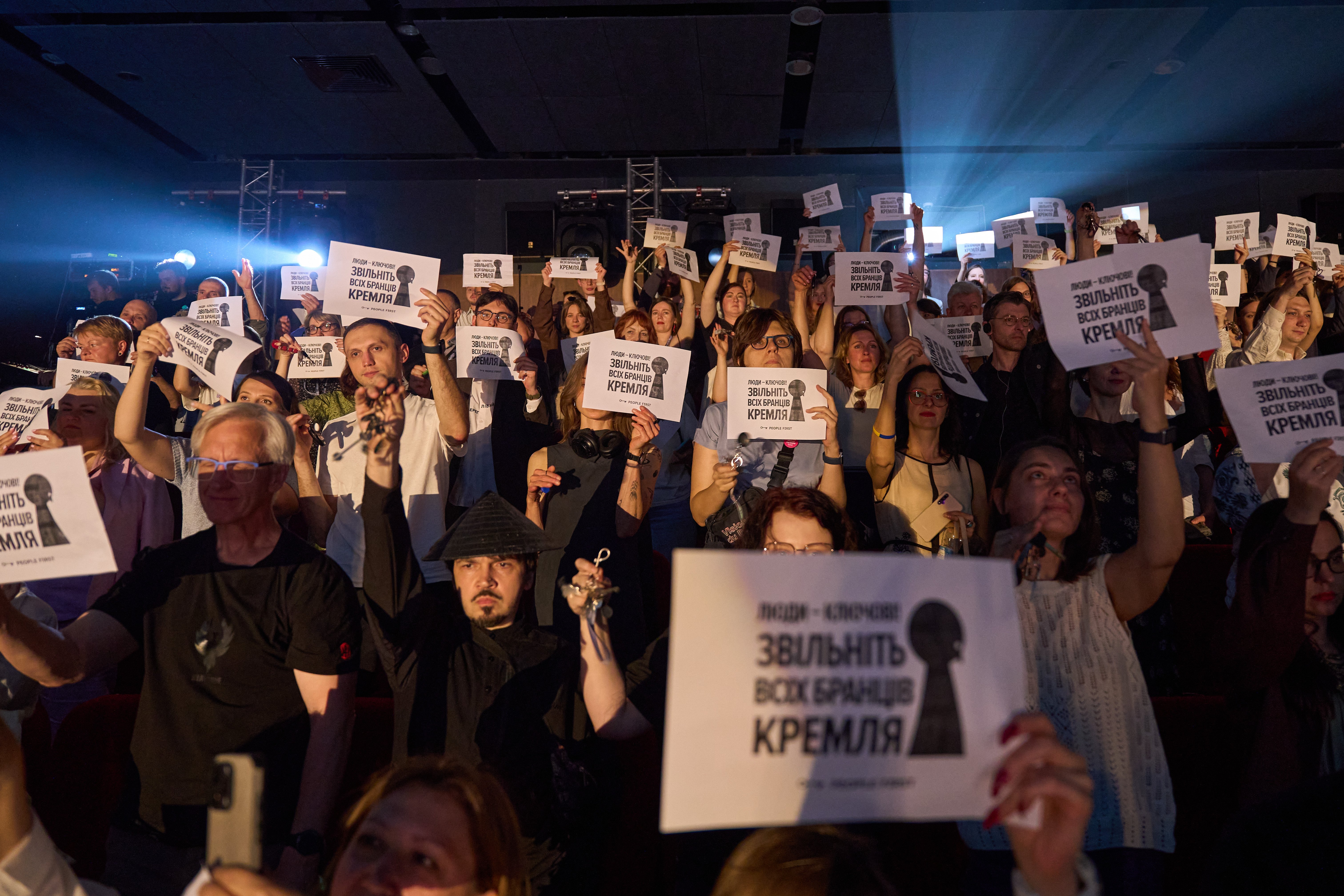
According to program curator Tetyana Symon, the goal of these screenings is to “reduce the distance between the military and civilians.” Conceived in the urgency of combat, these intimate works serve as an invaluable record of the present and a vital resource for the future.
Ukraine today, if perceived as a place where new military technologies are tested… but it is also always Ukraine where new documentary cinema is being tested.
Sonya Vseliubska
Film critic and researcher
When the guns fall silent, these films will offer Ukrainian society a vital key to understanding the traumatic and deeply human experiences of its defenders, and, as Symon says, “smoothing the difficult path toward veteran reintegration.”
Special thanks to Anastasiia Ankovych for organizing the interviews with the soldiers and Ukraine War Archive.
Discuss this article:
-4a56a6b482ec132402c16ef6fcabf9a2.png)

-c439b7bd9030ecf9d5a4287dc361ba31.jpg "Photo of Katherina Popilnichenko")

-29a1a43aba23f9bb779a1ac8b98d2121.jpeg "Photo of Illia Kabachynskyi")