- Category
- War in Ukraine
Inside Kyiv Defense Tech Week Where War-Tested Innovation Meets Global Power
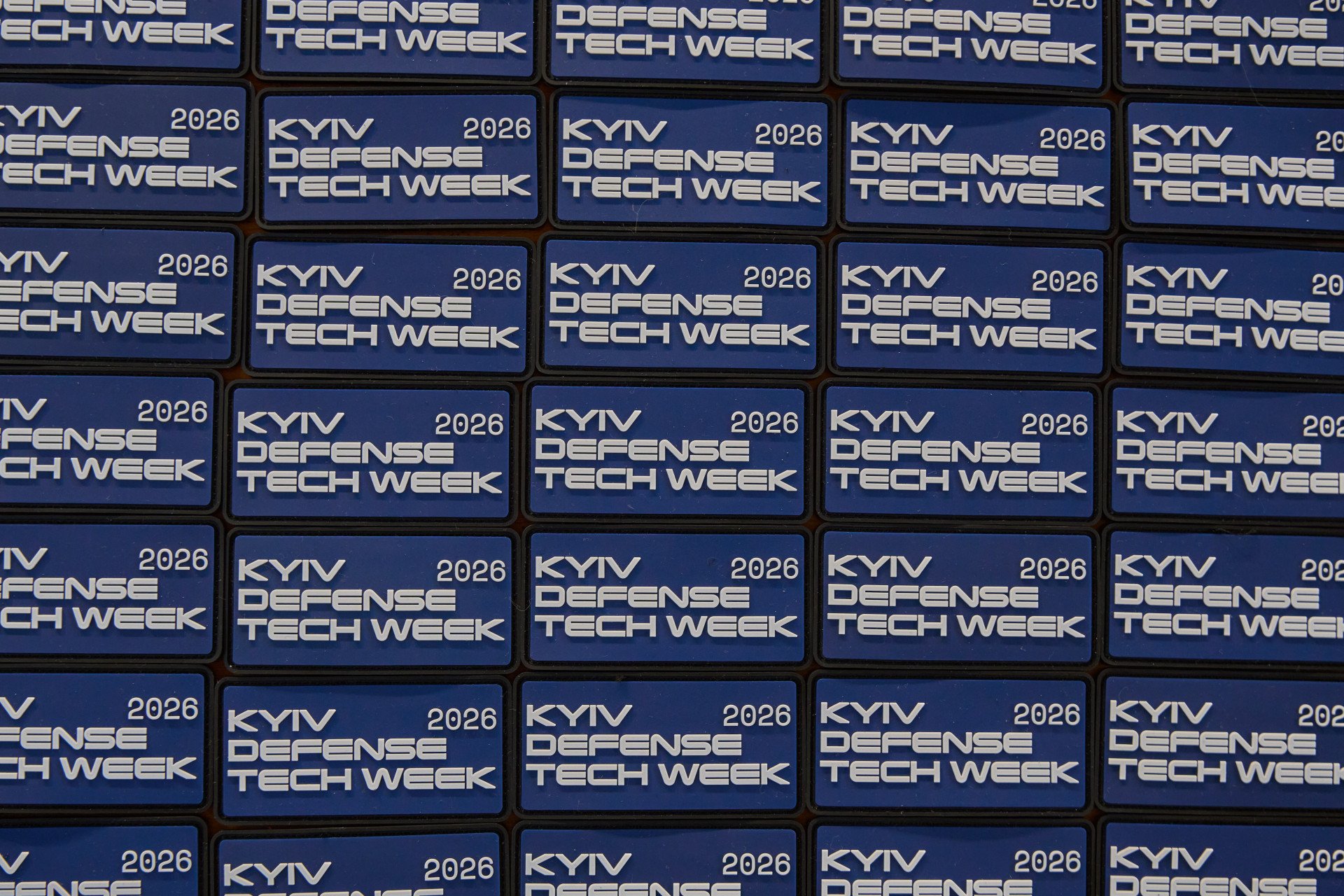
Ukraine’s capital became a global meeting point for defense innovation as Kyiv Defense Tech Week brought together military engineers, startups, and international partners to showcase technologies shaped by real combat experience.
 Prefer U24 Media on Google
- Authors





Kyiv hosted the inaugural Kyiv Defense Tech Week from April 27 to May 3, bringing together defense startups, engineers, military units, investors, and policymakers to showcase technologies shaped directly by battlefield experience.
UNITED24 Media correspondents attended the event. Held in Kyiv, the program featured several key tracks throughout the week.
We bring you stories from the ground. Your support keeps our team in the field.
The University Defense Tech Forum on April 28 connected Ukrainian and European academic institutions working on defense and dual-use technologies.
On April 30, the Invest in Bravery summit brought together international investors and strategic partners with vetted Ukrainian defense startups.
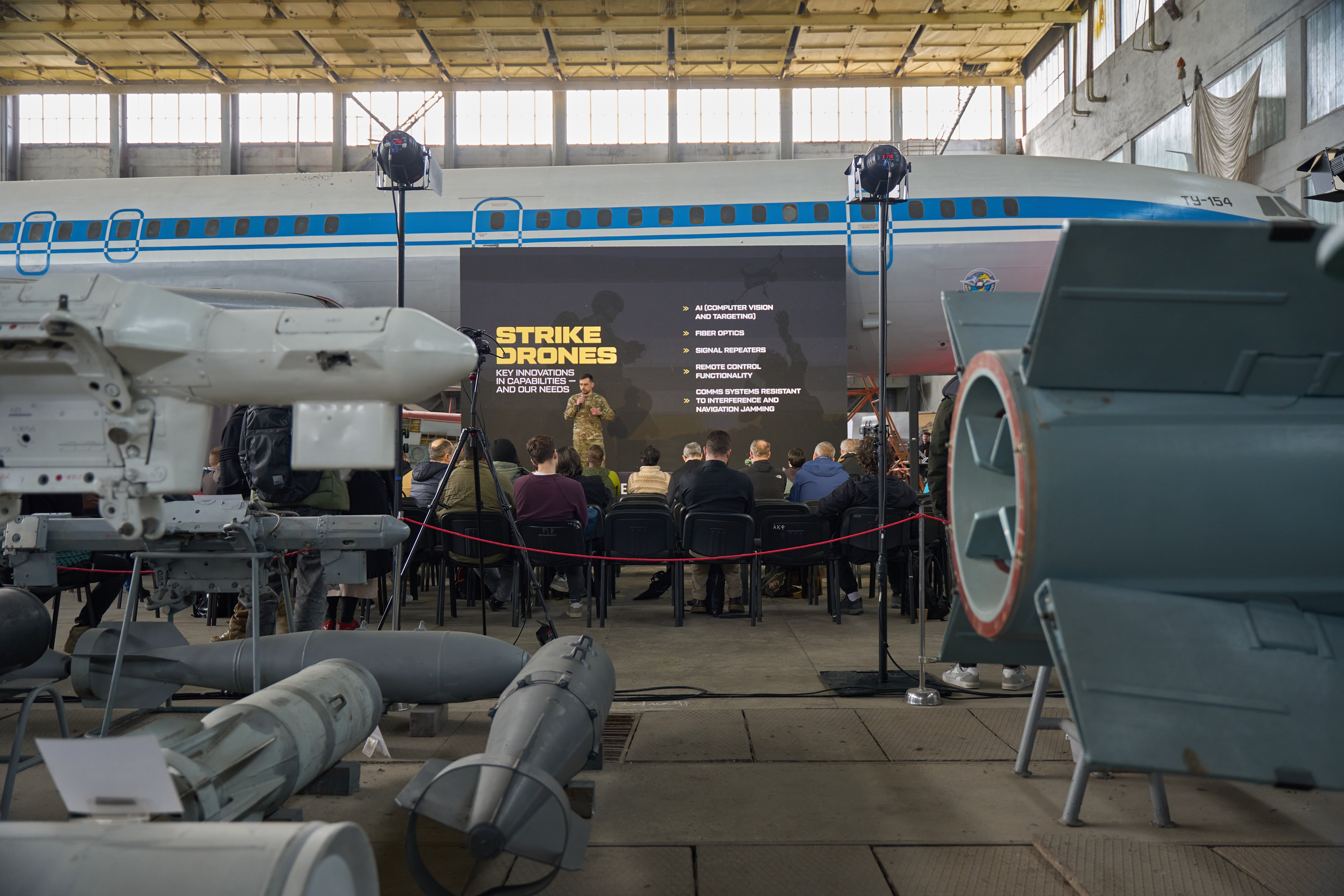
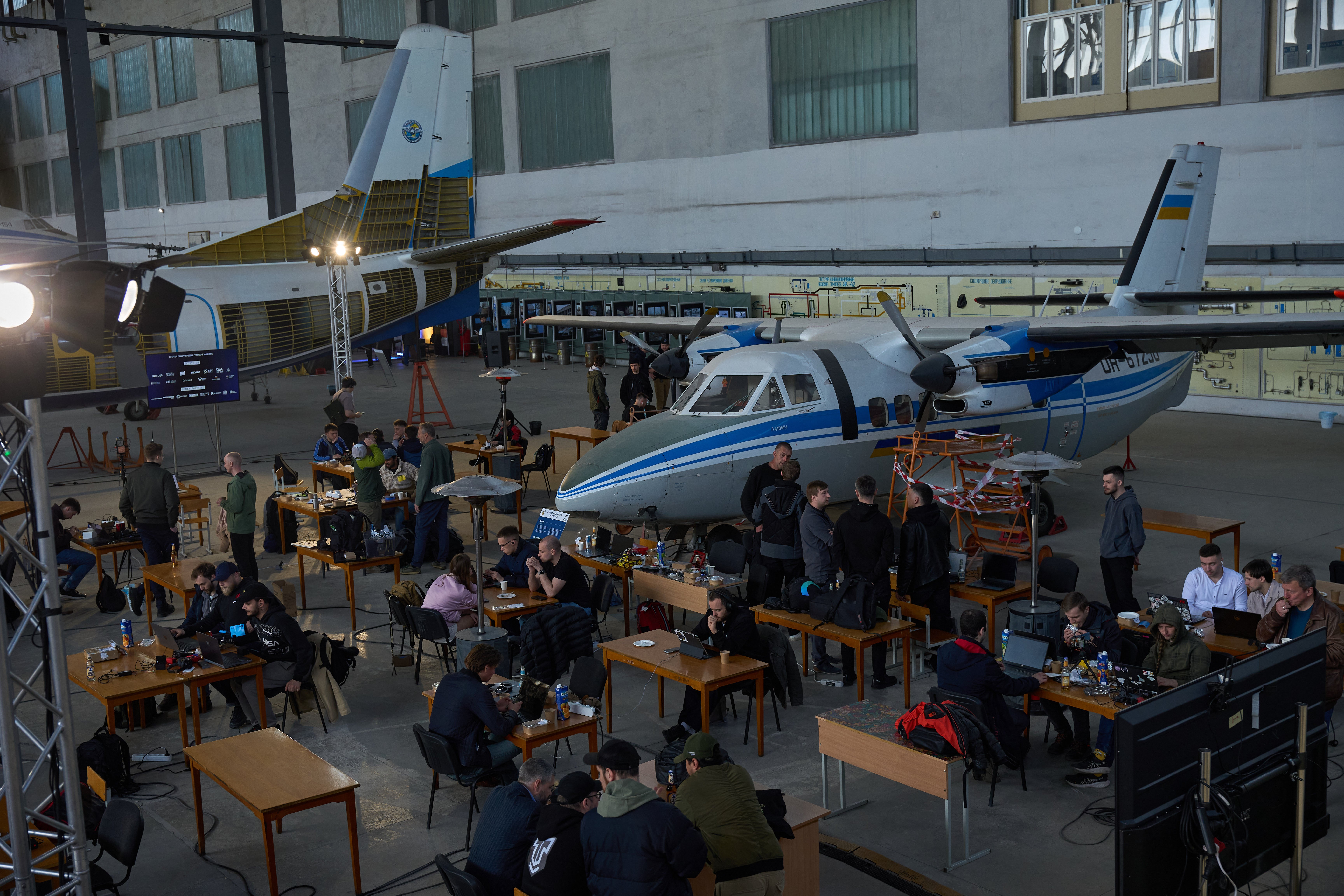
The week concluded with the European Defense Tech Hub Hackathon from May 1 to May 3, a three-day sprint focused on real-world challenges such as counter-drone systems, sensing technologies, communications, and battlefield resilience.
KDTW gathered more than 1,200 participants from over 30 countries, with international investors, startups, engineers, military leaders, and policymakers working at the forefront of defense innovation.
Organized by Invest in Bravery and the European Defense Tech Hub, the event positioned Ukraine as a rapidly emerging hub for next-generation defense innovation. The initiative aimed to connect combat-proven solutions with international funding, industrial capacity, and strategic decision-making.
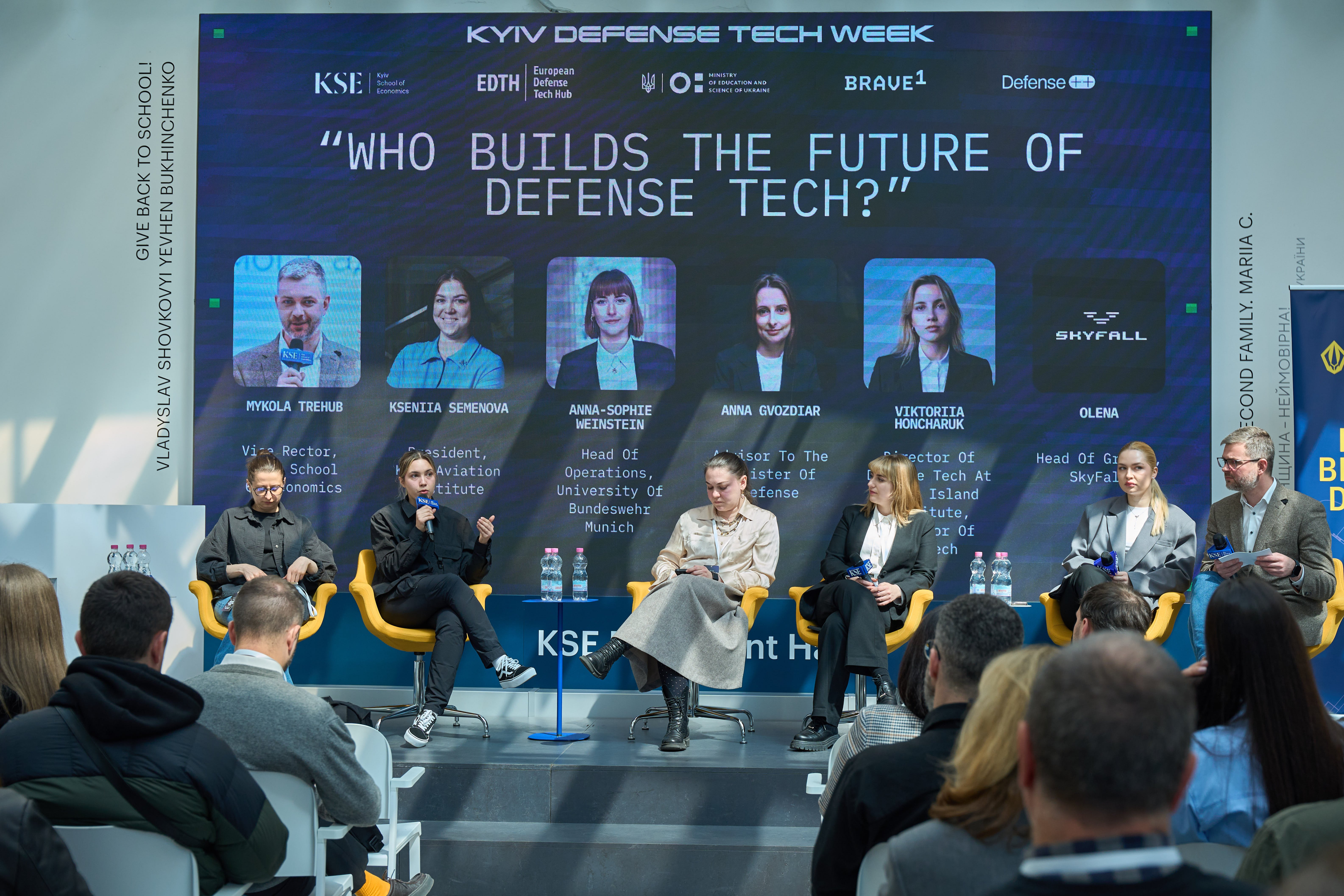
Universities, startups, and military unite at KDTW forum
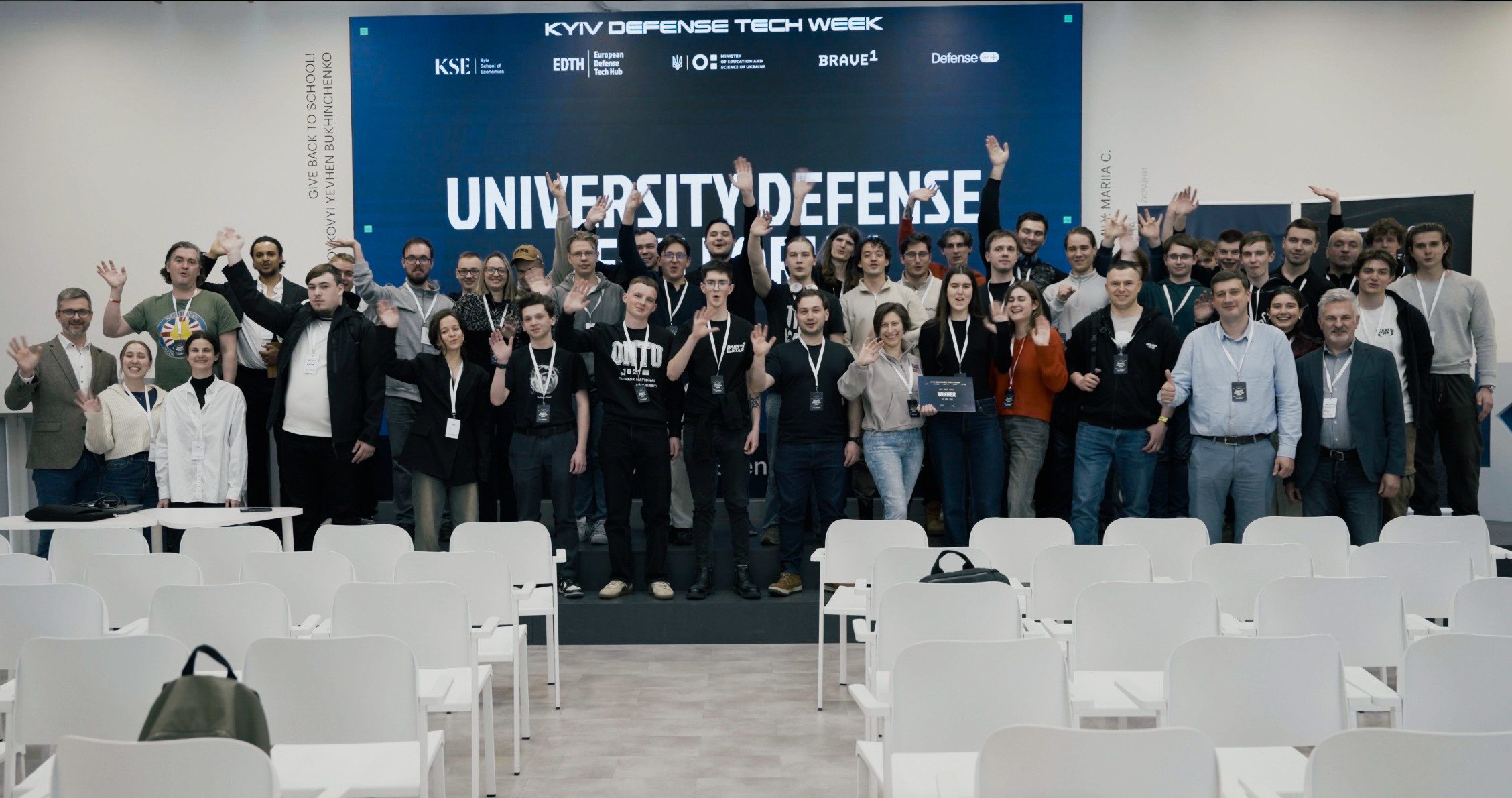
Kyiv Defense Tech Week began with the University Defense Tech Forum, which brought together Ukrainian and European academic institutions working on defense and dual-use technologies.
Organized by the European Defence Tech Hub and the Kyiv School of Economics, the event gathered researchers, startups, government officials, and defense industry representatives focused on military innovation and battlefield-driven technologies.
Much of the discussion centered on how Ukraine’s wartime experience is reshaping cooperation between universities, the military, and private industry.
Deputy Minister of Education and Science Denys Kurbatov said Ukraine is expanding support mechanisms for defense-focused research and development, including grants, R&D partnerships, startup infrastructure, and specialized innovation centers aimed at turning research into deployable technologies.
Michael Schneider, CEO of the Kyiv School of Economics, emphasized the importance of university-industry cooperation in preparing specialists and developing practical solutions for the defense sector.
Meanwhile, Benjamin Wolba noted that defense innovation increasingly depends on international collaboration, with researchers, startups, and engineers playing a growing role in building technologies shaped by real battlefield conditions.
From concept to combat: rapid innovation cycles
Another major public event during Kyiv Defense Tech Week was the Invest in Bravery Summit, which brought together international investors, defense companies, military representatives, and Ukrainian startups developing battlefield-tested technologies.
The summit was designed to connect foreign capital and strategic partners directly with Ukraine’s rapidly expanding defense tech sector, which has grown dramatically under wartime pressure.
Speaking at the event, Invest in Bravery Co-Founder and Executive Director Lola Onipko described Ukraine’s defense industry as a key part of Europe’s future security architecture, arguing that investment in Ukrainian military technologies strengthens the broader democratic world.
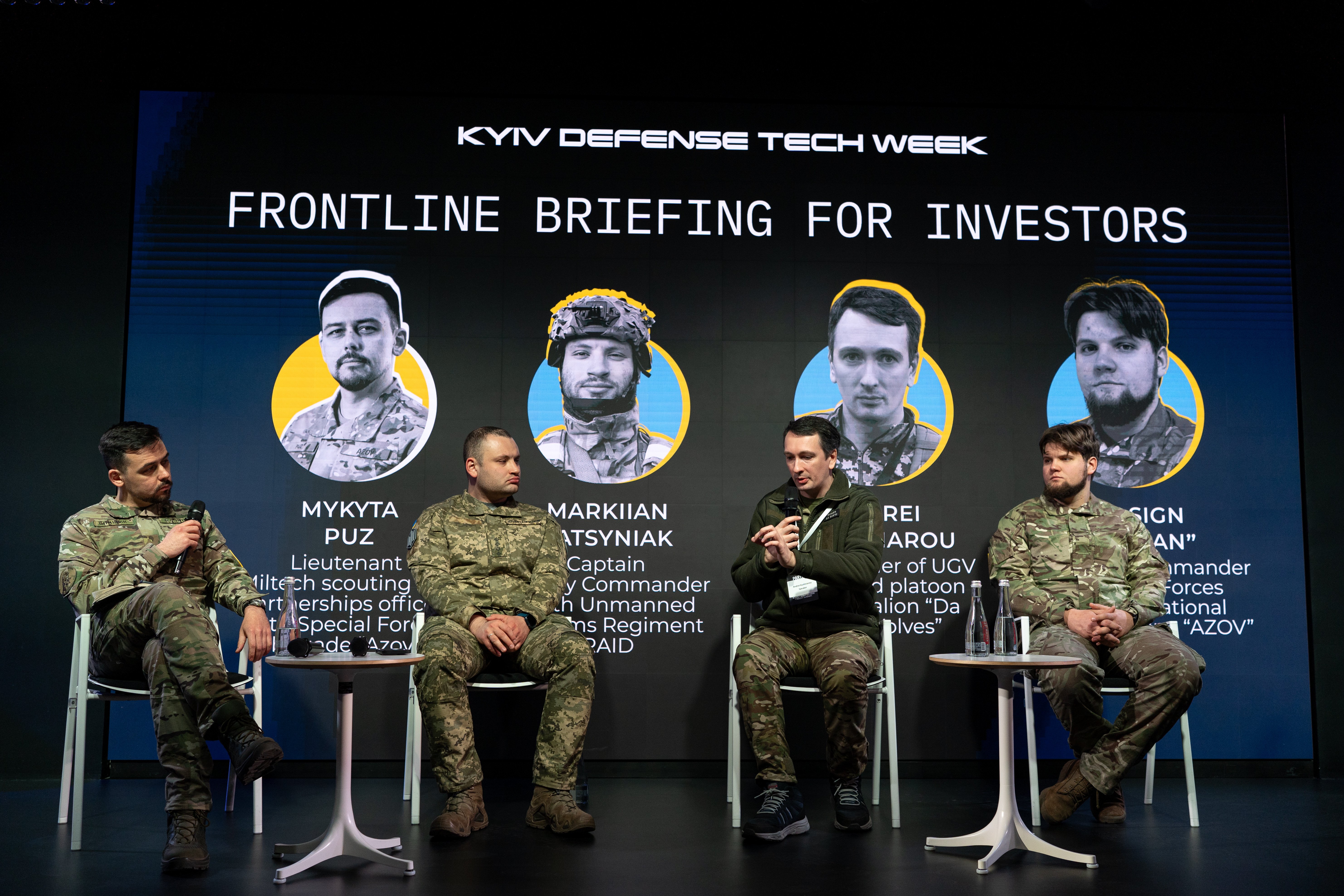
Brave1 Chief Operating Officer Iryna Zabolotna said Ukraine had effectively built a new defense innovation ecosystem during the war, centered around rapid development cycles, UAV technologies, and simplified cooperation between the military, private companies, and investors. According to her, state-backed initiatives helped accelerate the sector by cutting bureaucracy and introducing tools such as grants, procurement platforms, and analytics support aimed at speeding up the deployment of new battlefield solutions.
The program combined closed-door briefings, networking sessions, and technology showcases designed to accelerate the transition from concept to deployment.
Organizers emphasized that Ukraine’s wartime experience is compressing development cycles and enabling rapid testing and iteration under real combat conditions.
Battlefield Tech on Display: drones to interceptors
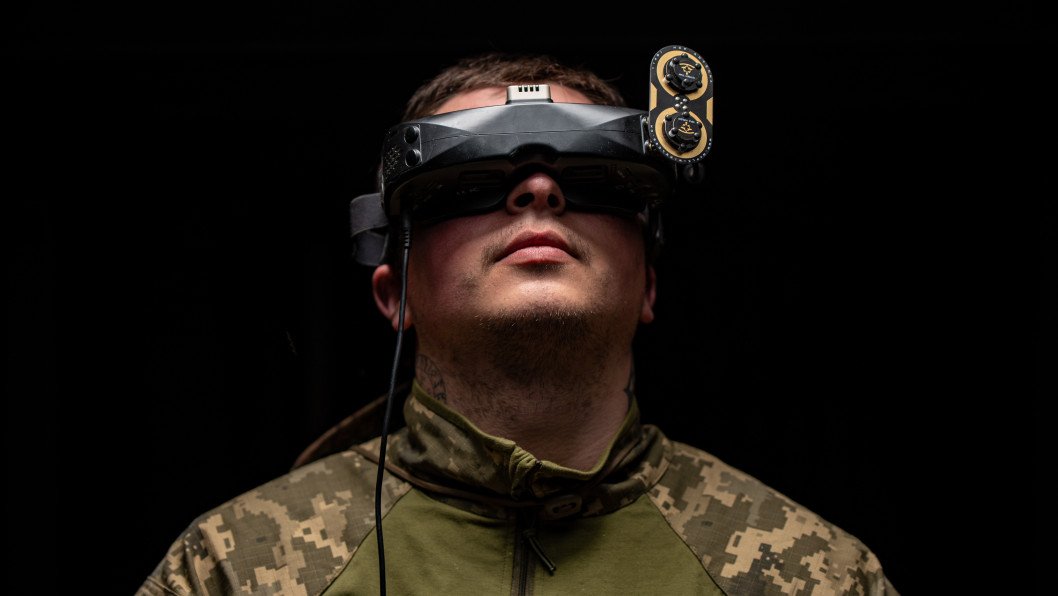
On the exhibition floor, a broad cross-section of Ukraine’s defense tech ecosystem was represented alongside international partners.
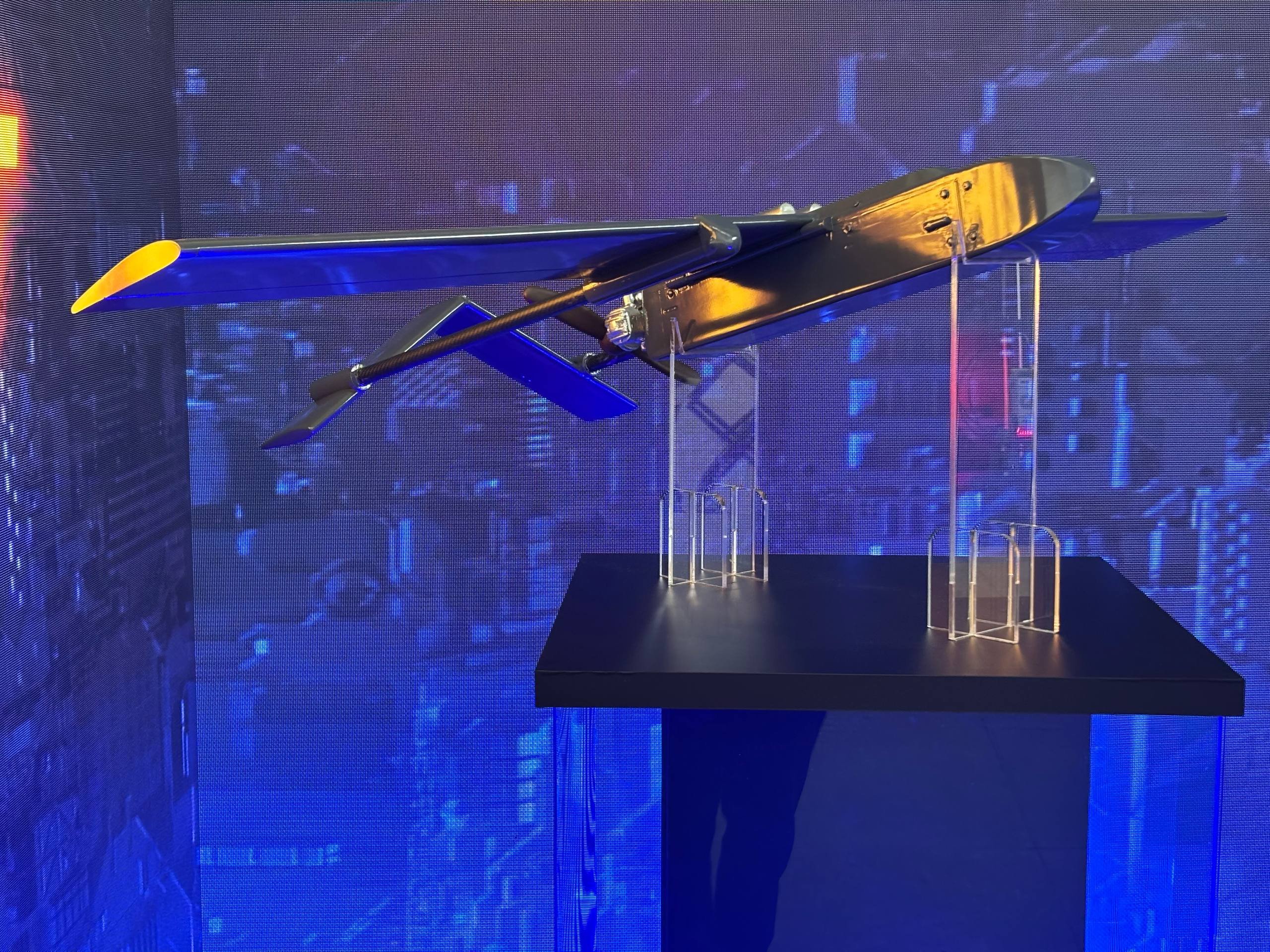
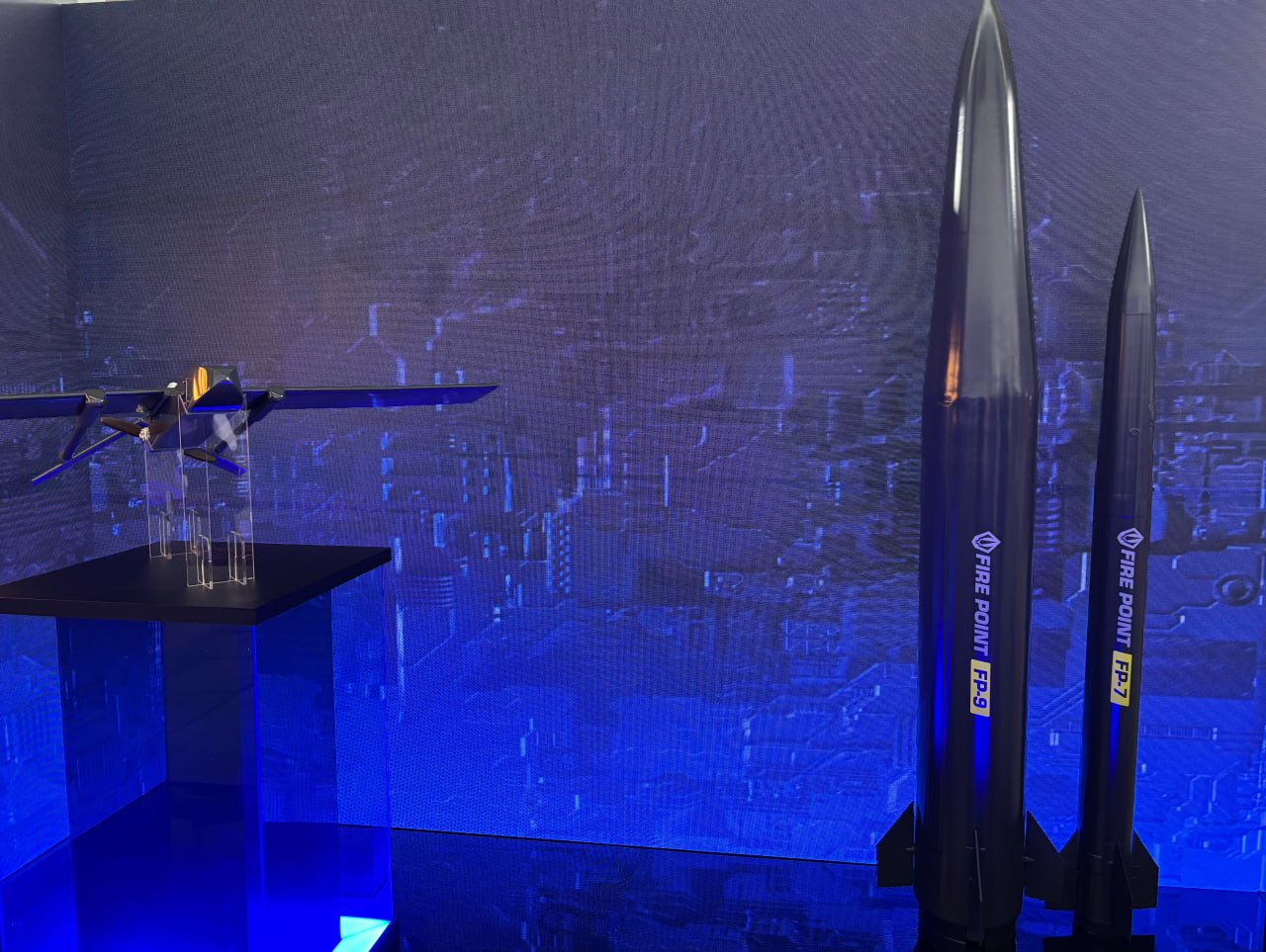
Kyiv-based Fire Point presented scaled models of its FP-1 long-range strike drone and conceptual FP-7 and FP-9 missile systems, highlighting a focus on scalable, cost-efficient strike capabilities.
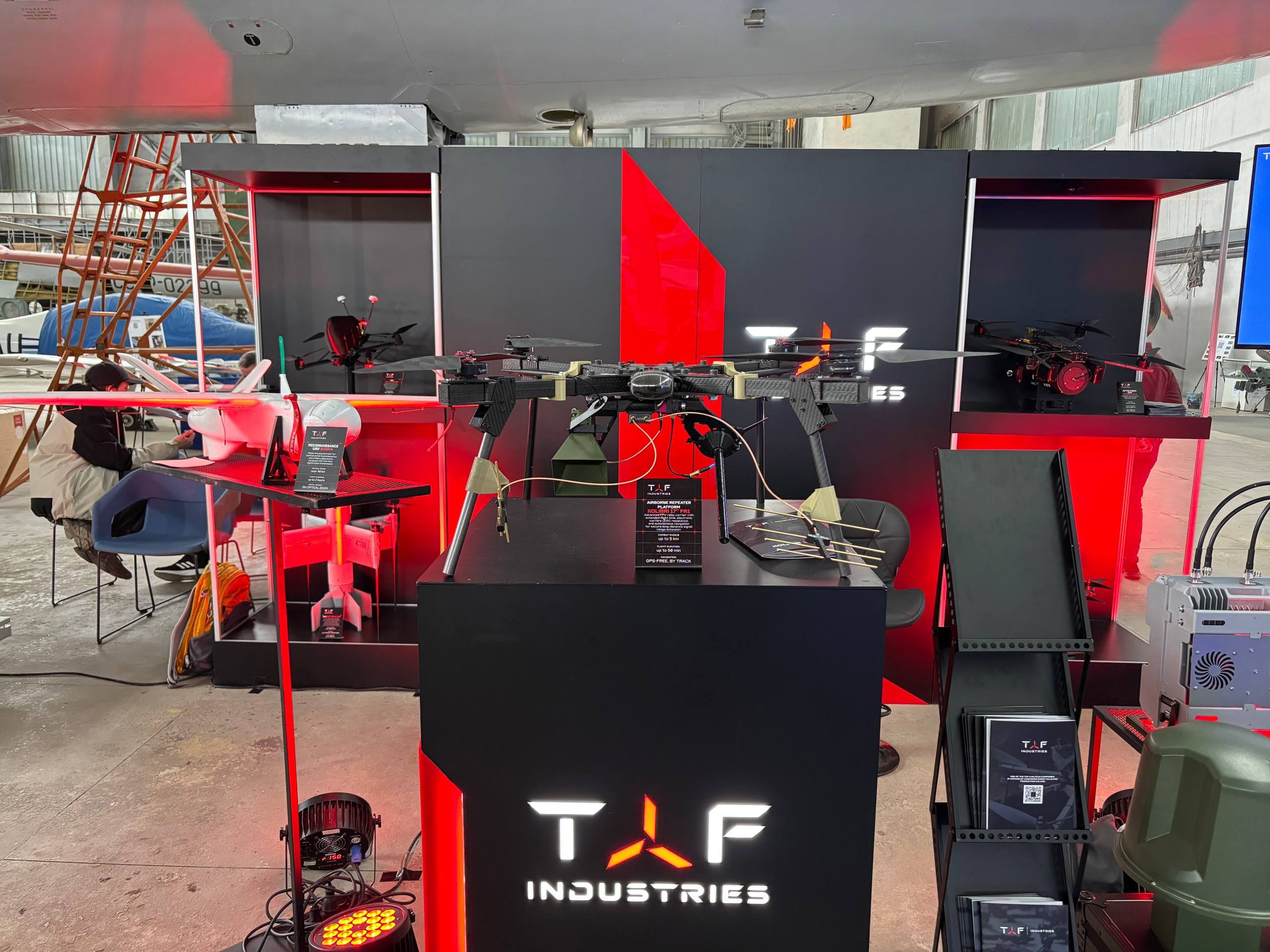
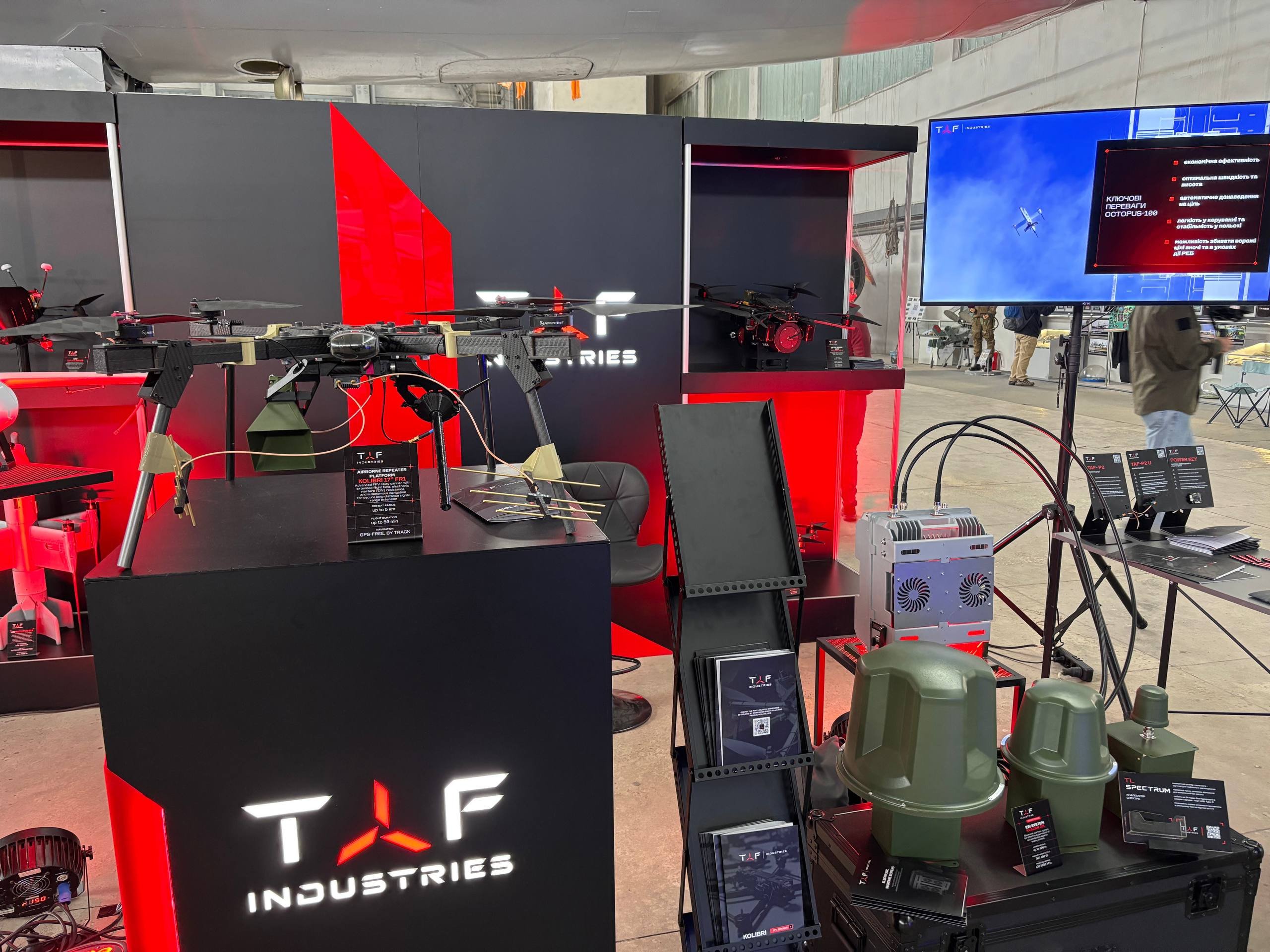
TAF Industries presented its rapid R&D approach, developing adaptable solutions such as relay carriers and electronic components tailored to evolving battlefield needs.
The panel included presentation of the Babka reconnaissance drone, Kolibri 17” drone platform, Kvazar 3M electronic warfare (EW) system, and many more units of drone and anti-drone tech.
Vyriy Industries highlighted its integrated ecosystem of domestically produced UAV systems, ranging from strike drones to reconnaissance platforms and communication relays, developed and refined through direct frontline feedback.
Counter-drone technologies were a major focus. Moodro demonstrated electronic warfare systems already deployed by Ukrainian forces to detect and neutralize hostile UAVs.
Skyfall showcased a diverse portfolio of combat UAVs, including heavy bomber drones and FPV strike platforms.
It is worth mentioning that Skyfall produces one of Ukraine’s most powerful interceptor drones at this time, the P1-SUN interceptor drone. It is a high-speed FPV interceptor designed to detect, pursue, and destroy enemy aerial targets such as loitering munitions and attack drones.
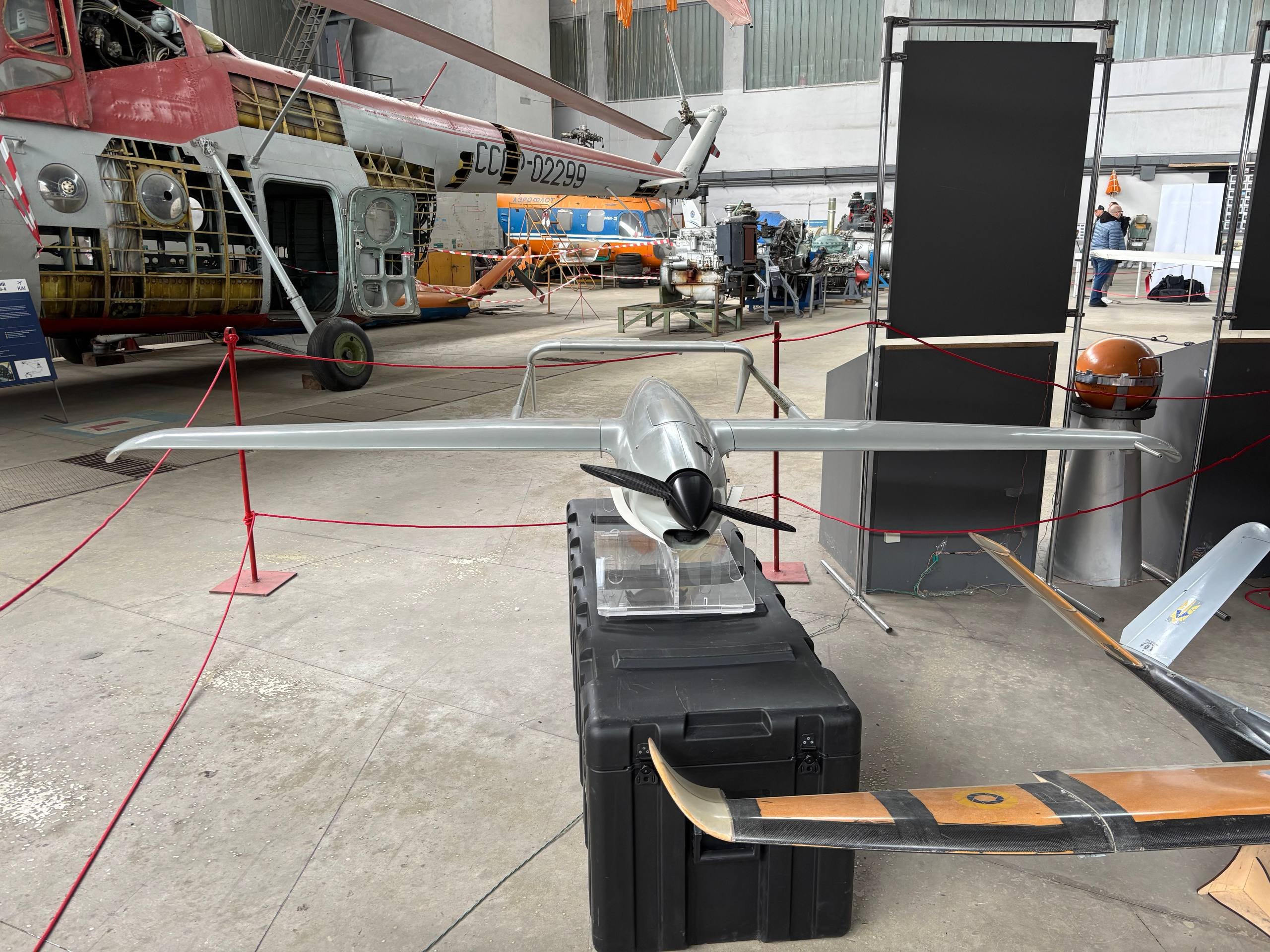
International companies also played a visible role. TYTAN Technologies showcased AI-powered interceptor drones designed for kinetic engagement of aerial threats, while STARK Defence presented autonomous UAV systems and loitering munitions aimed at NATO-aligned forces.
Battery systems developer Tulip Tech highlighted high-density energy solutions capable of significantly extending drone endurance, reflecting the growing importance of power efficiency in modern drone warfare.
Battlefield lessons shape future defense
The final stage of Kyiv Defense Tech Week was the three-day EDTH Hackathon, which highlighted Ukraine’s growing role as one of Europe’s emerging defense innovation hubs. The event was designed to bring new engineers, developers, researchers, and startup teams into the defense tech ecosystem while giving them a chance to work on solutions tied directly to real battlefield needs.
The final stage of Kyiv Defense Tech Week was the 48-hour EDTH Hackathon, which gathered 310 participants from 19 countries to work on battlefield-driven defense technologies.
Teams focused on real operational challenges, including countering FPV drones, UAV interception and detection, autonomous systems, and operating under heavy electronic warfare conditions where GPS and communications are frequently disrupted.
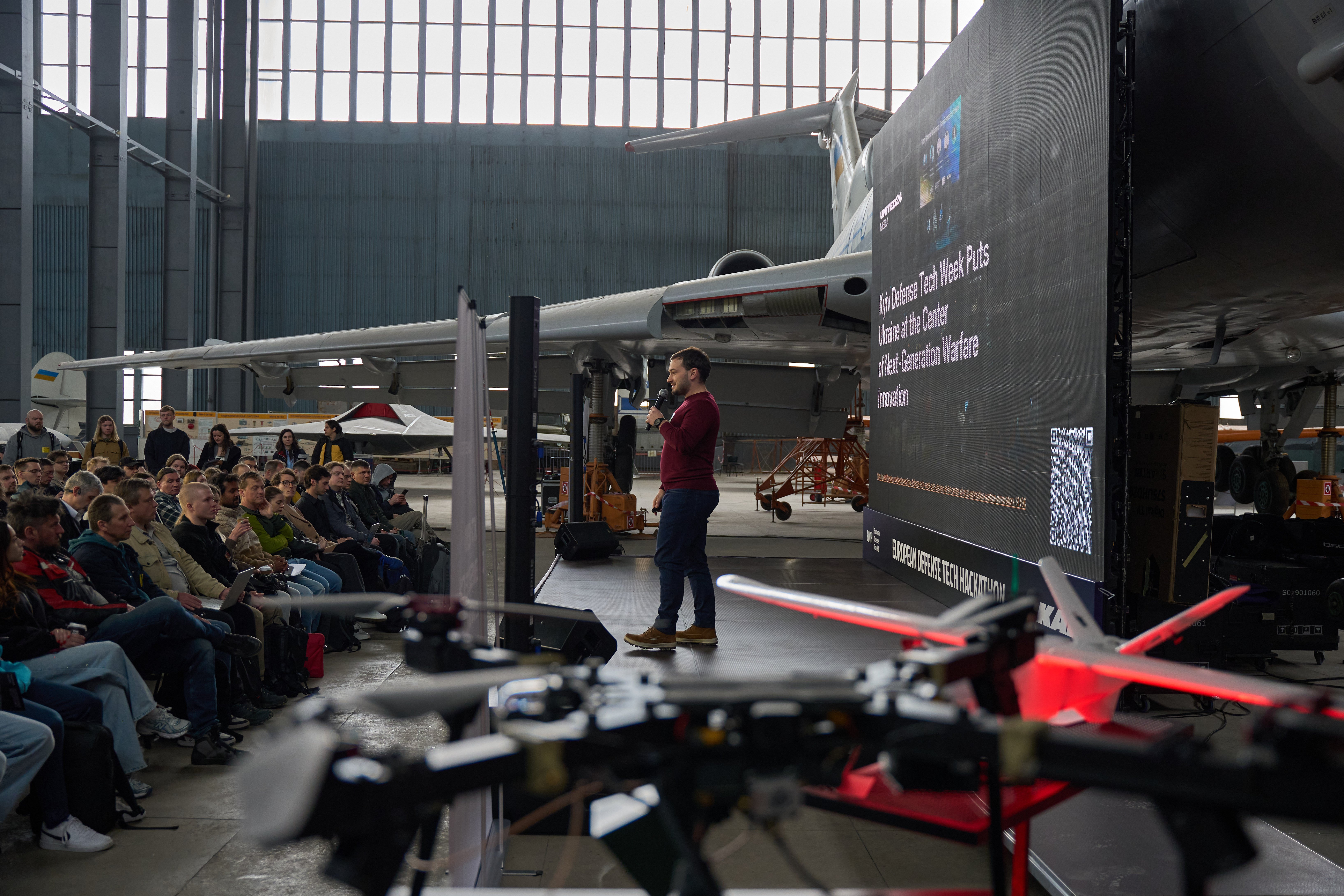
Over two days, participants developed and tested working prototypes rather than just conceptual ideas. Projects ranged from electronic warfare detection systems and acoustic modules for unmanned platforms to human motion detection algorithms, antenna-tracking solutions for interceptor drones, and passive detection technologies that do not rely on radio signals.
A major emphasis was placed on creating low-cost, scalable systems capable of functioning in real combat environments and protecting critical infrastructure from evolving aerial threats.
Rather than focusing solely on software development, teams spent the event building and testing functioning prototypes, experimenting with hardware systems, and integrating AI-driven technologies into practical defense applications.
Events like this help attract new talent to the field. It shows that anyone can develop security solutions—even students. And Kyiv Defense Tech Week Hackathon is the platform where it all begins.
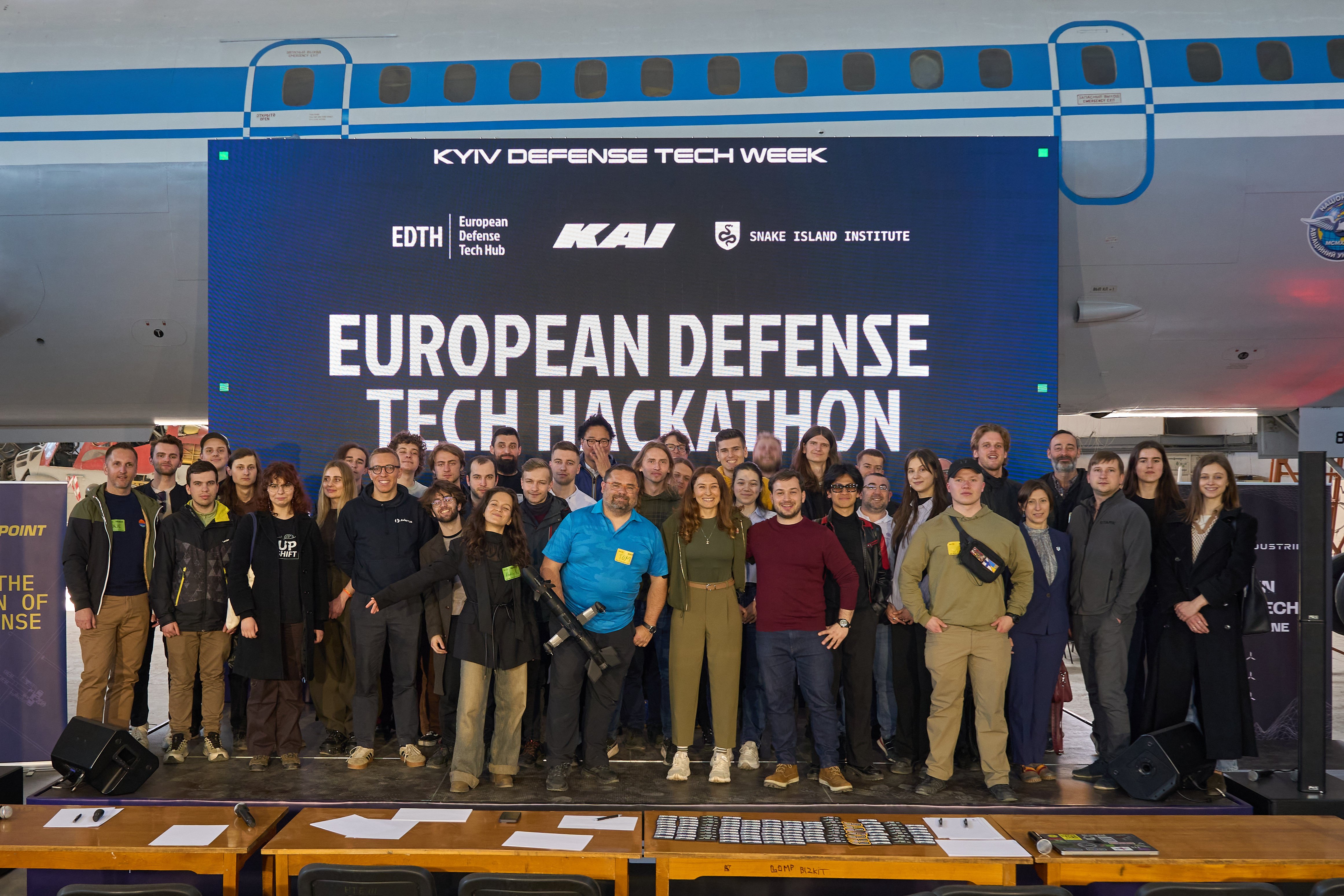
A key analytical presence at the event was the Snake Island Institute, which focuses on translating battlefield experience into strategic insights and strengthening international defense cooperation.
During a workshop on the evolution of Ukraine’s air defense under constant battlefield pressure, senior analyst Maksym Terzi outlined how the system has adapted to increasingly complex threats.
“Brigades that are facing an enemy front line, they have only like their own mobile frag groups with interceptors and magnets. Then we have like the responsibility area of unmanaged forces of Ukraine. They are using interceptors and they like destroying the targets that were not destroyed by previous scams. And the last part of Ukraine that is left, it’s for our air forces with whole package of systems,” he said.

He added that Ukraine’s air defense architecture is structured around key threat categories—drones, cruise missiles, and ballistic weapons—supported by sensor networks, command-and-control systems, and electronic warfare layers designed to manage large volumes of incoming targets.
Growing global defense innovation hub
Overall, Kyiv Defense Tech Week highlighted how Ukraine’s defense sector is evolving into a fast-moving, innovation-driven ecosystem.
Built under the pressure of war, many of the technologies on display are already in active use, offering immediate battlefield impact while shaping the future of global defense.
Discuss this article:


-c439b7bd9030ecf9d5a4287dc361ba31.jpg "Photo of Katherina Popilnichenko")

-111f0e5095e02c02446ffed57bfb0ab1.jpeg "Photo of Roman Kohanets")