- Category
- War in Ukraine
Inside Russia’s Secret War Games Where Generals Seized Gotland and Defeated NATO
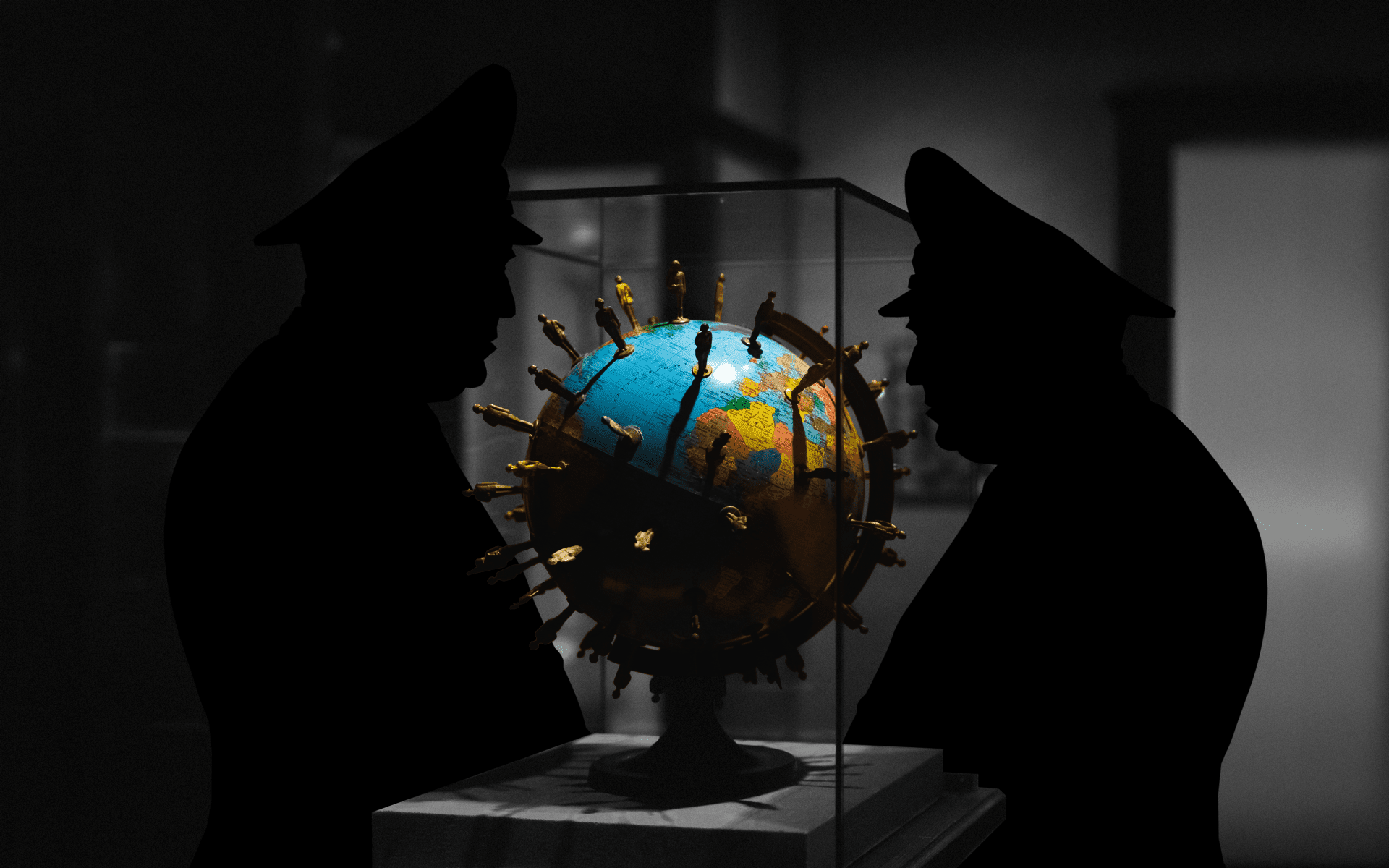
Russian military commanders spent years using large-scale computer simulations to rehearse potential wars with NATO, Sweden, Japan, the US, and Ukraine, including scenarios involving the seizure of Sweden’s Gotland island and operations in the Baltic region.
 Prefer U24 Media on Google
- Authors


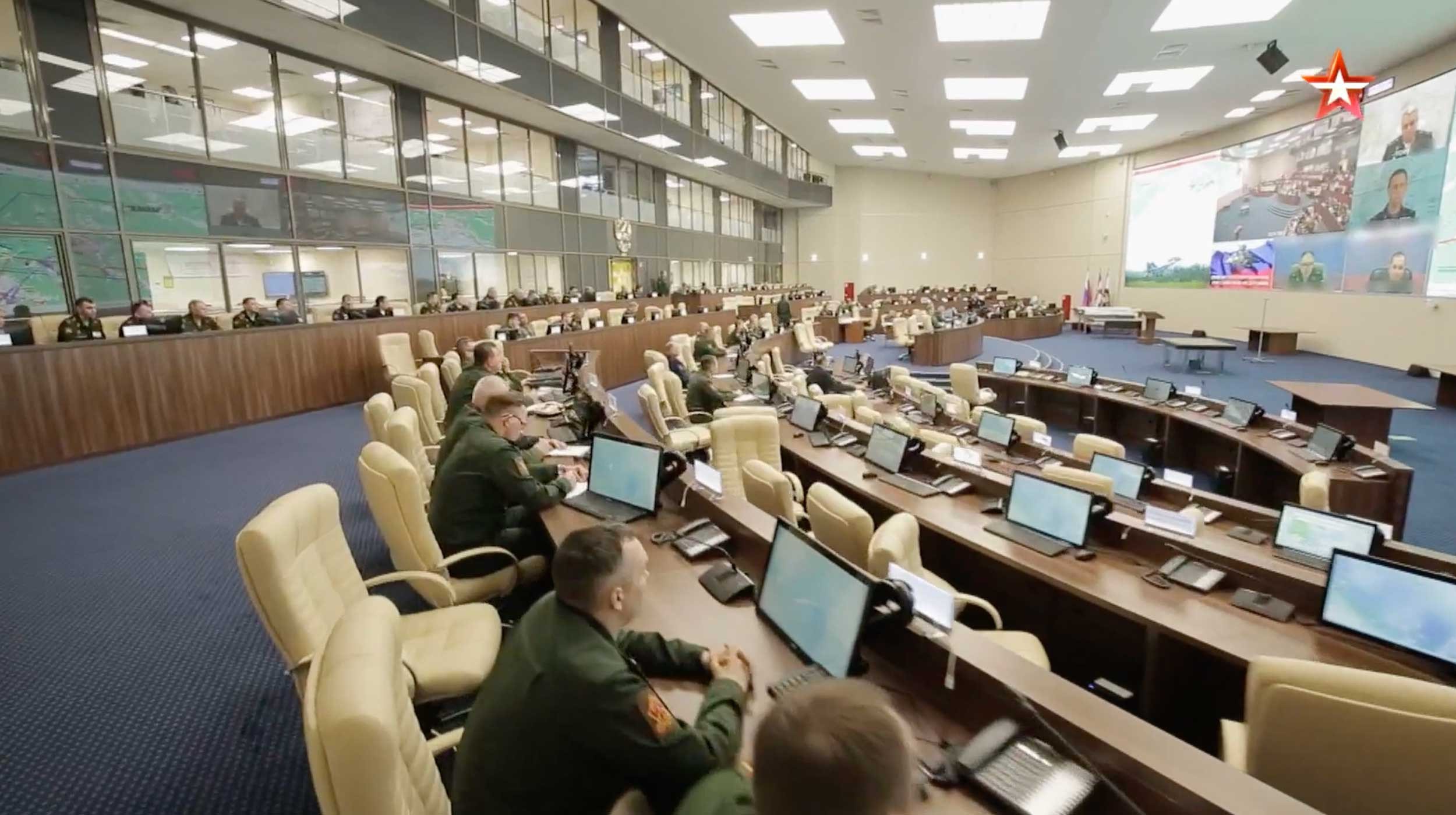
According to an investigation by the Dossier Center, a Russian investigative media outlet, published on September 8, Russia’s General Staff conducted the simulations at the Military Academy of the General Staff in Moscow, using specialized software to model terrain, military units, weapons, and the actions of opposing forces.
We bring you stories from the ground. Your support keeps our team in the field.
The exercises involved senior Russian officers and, in some cases, more than 1,000 participants connected from military institutions across the country. Officers were divided into opposing teams, while instructors familiar with NATO doctrine frequently represented the adversary.
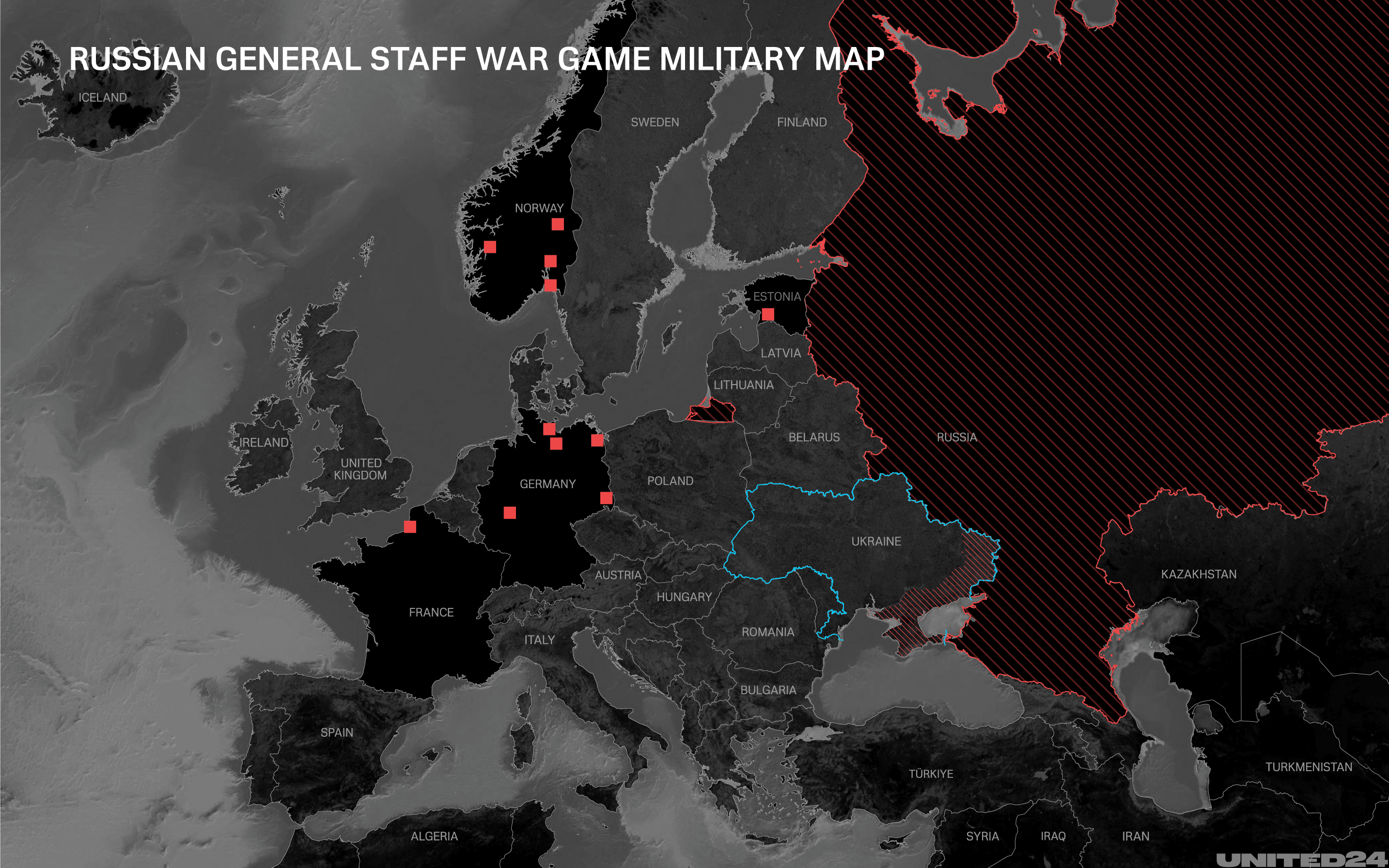
In one scenario conducted in 2017, Russian commanders modeled operations involving Gotland, a strategically located Swedish island in the Baltic Sea, with Russia’s Kaliningrad region playing an important role in the simulated campaign.
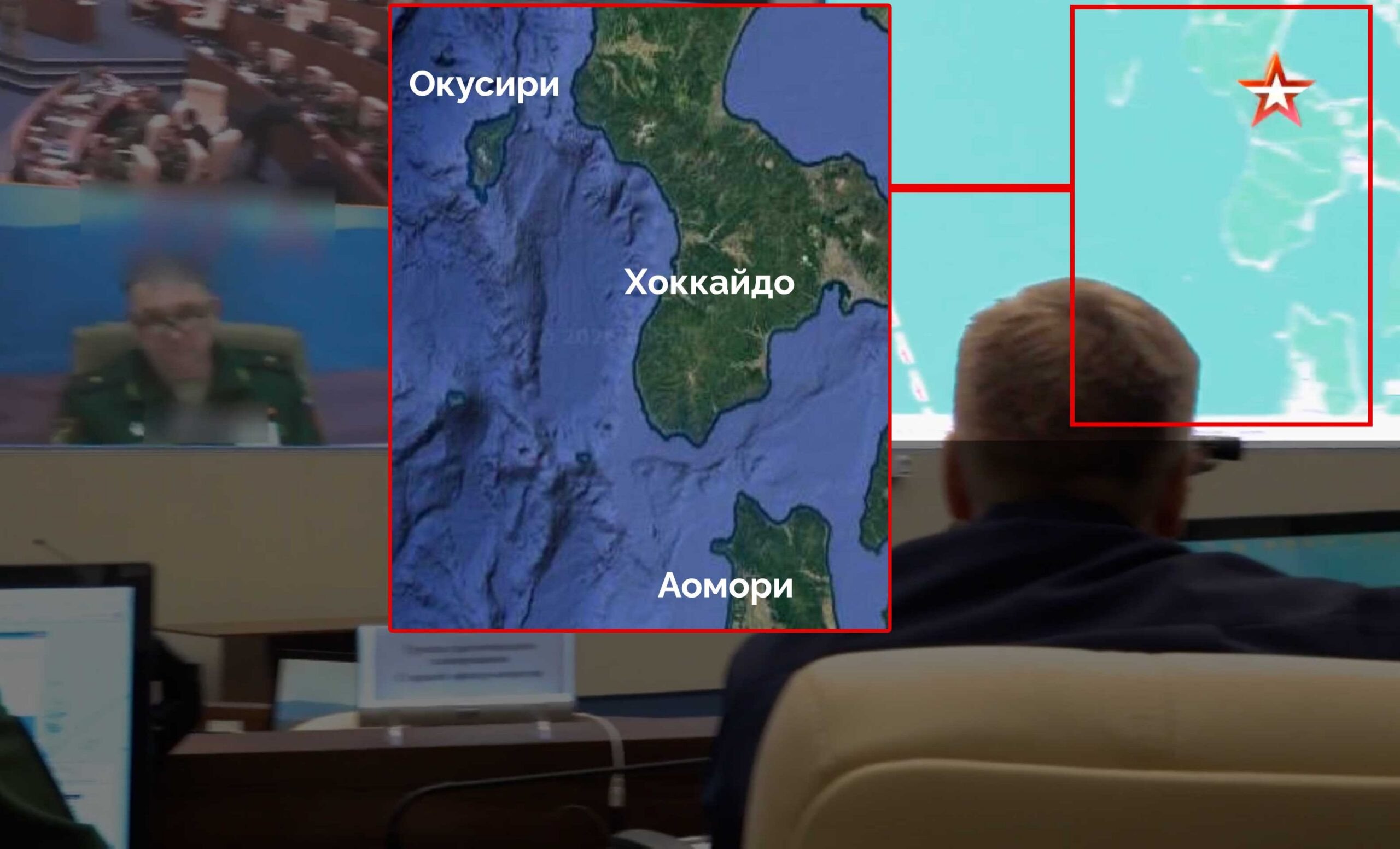
A year later, the Russian military reportedly conducted another simulation involving a fictional war against the US and Japan. More than 320,000 virtual troops were involved, with maps showing areas of northern Japan where key US and Japanese military facilities are located.
Simulating war with Ukraine
The investigation found that Ukraine increasingly became a focus of Russian military simulations ahead of the full-scale invasion. In 2021, Russian commanders reportedly conducted exercises related to a potential operation against Ukraine almost every month.
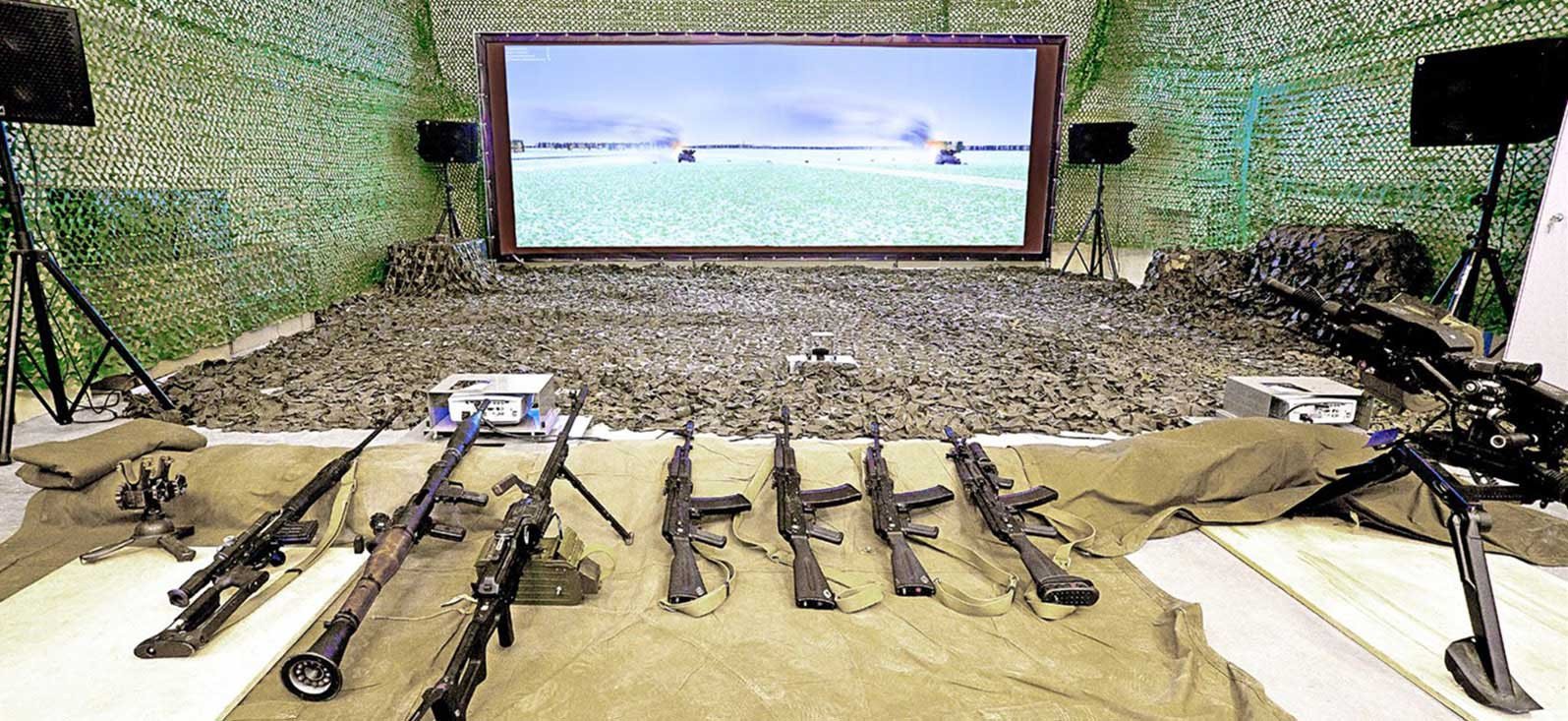
The simulations relied on a group of interconnected systems developed by Russian defense contractor RusBITech. One platform, Iris-T, generated three-dimensional battlefields using military maps, aerial photography, and satellite imagery. Another system, Spektr-7E, allowed commanders to develop operational plans, simulate their execution, calculate outcomes, and repeat scenarios with different decisions.
By 2021, Spektr-7E reportedly contained around 5,000 digital models representing weapons, military equipment, units, and other objects.
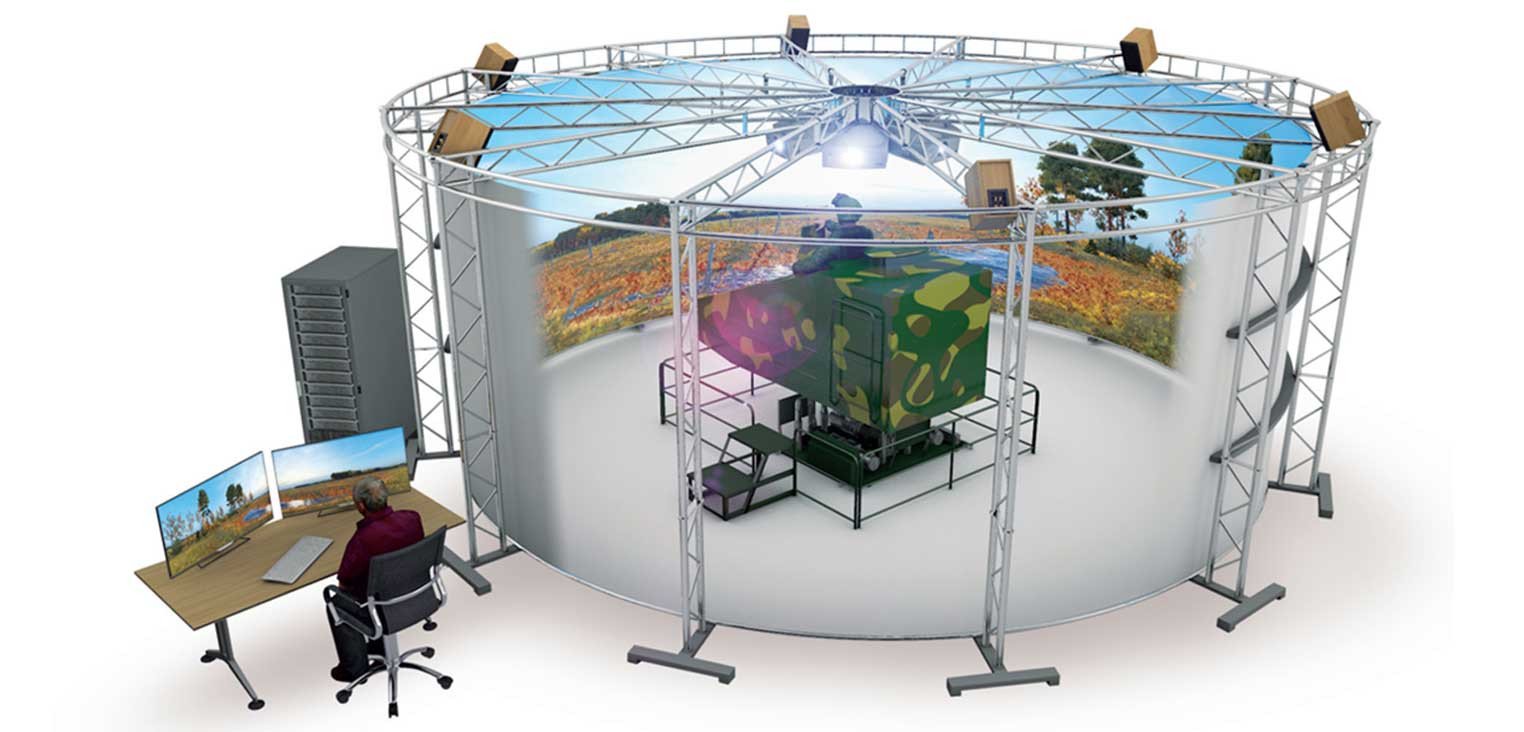
The effectiveness of such simulations, however, depends heavily on the assumptions and intelligence used to construct them. The Dossier Center investigation suggested that inaccurate assessments of Ukraine’s military capabilities and Russia’s own forces may have shaped the scenarios examined by Russian commanders before February 2022.
Russia’s initial attempt to rapidly seize Kyiv and force a political collapse failed after the launch of the full-scale invasion, forcing the Russian military to reconsider some of its operational assumptions.
Russia reworked its war games after 2022
The General Staff subsequently incorporated lessons from the actual fighting in Ukraine into new simulations.
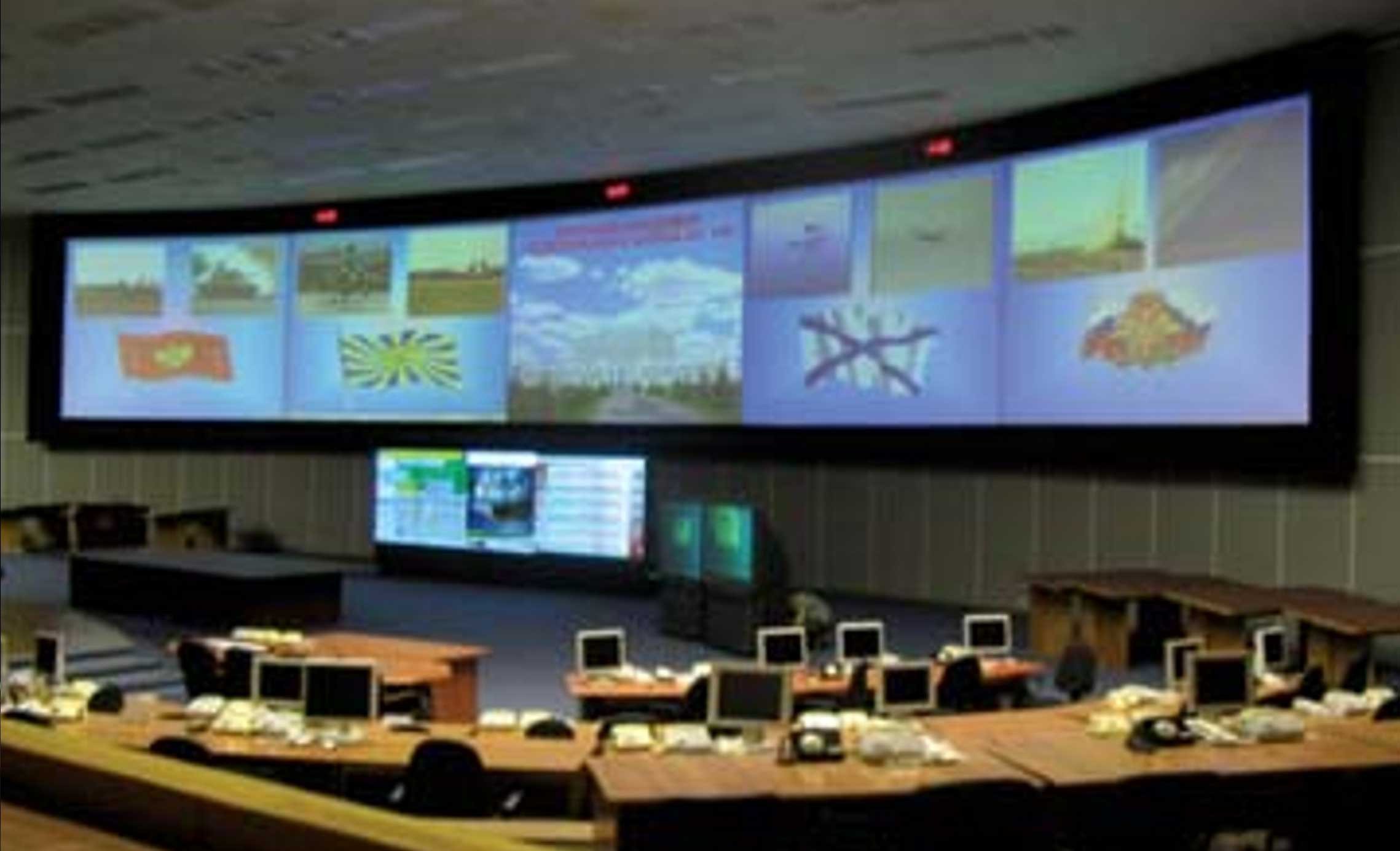
In spring 2022, Russian military institutions held two major command-and-staff exercises. One, completed on April 4, involved nearly 1,300 students and instructors from 15 military educational institutions, according to the investigation.
Later simulations reflected battlefield conditions encountered in Ukraine, including fragmented front lines, special operations forces, foreign fighters, and cities that remained under Ukrainian control behind attempted Russian advances.
The investigation found that Russia continued updating its military gaming system as the war progressed, using battlefield experience to revise scenarios at the General Staff Academy’s military gaming center.
Ukraine and NATO have also expanded their use of war games since Russia’s full-scale invasion. Ukrainian and Western officers have used simulations to examine planned operations, including preparations related to Ukraine’s 2022 counteroffensive in the Kherson region and its 2023 southern offensive.
Ukraine’s battlefield experience is also being incorporated into NATO planning through joint initiatives, including the NATO-Ukraine Joint Analysis, Training and Education Centre (JATEC) in Bydgoszcz, Poland, which studies lessons from Russia’s war and integrates them into allied training and planning.
Discuss this article:
-9a7b3a98ed5c506e0b77a6663f5727c5.png)



-111f0e5095e02c02446ffed57bfb0ab1.jpeg "Photo of Roman Kohanets")